Support

Geoje

About

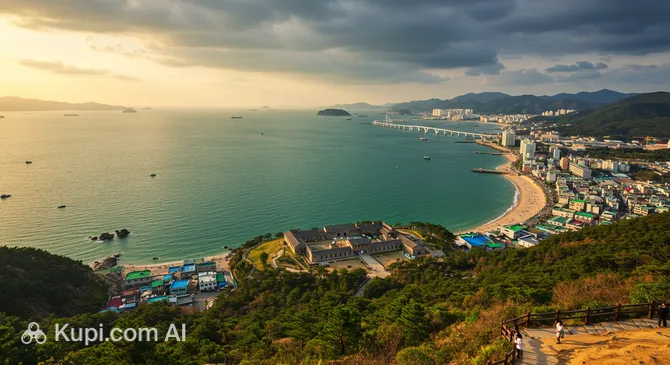
Geoje is a charming island city nestled off the southern coast of South Korea in Gyeongsangnam-do Province. As the country's second-largest island after the famous Jeju, Geoje is connected to the mainland by picturesque bridges, making it easily accessible for travelers. With a population of about 240,000, the city is a wonderful blend of natural beauty and modern infrastructure, offering guests a unique atmosphere of peace and hospitality.
Geoje. Illustration.
Source: Kupi.com AI

Geoje is famous for its stunning seascapes, pristine beaches, and numerous small islands scattered along the coast. It is a place where you can enjoy leisurely walks along the shore, breathing in the fresh sea breeze, or explore picturesque hills and bays. Key attractions include Windy Hill with its famous windmill and panoramic views, and Hakdong Mongdol Beach, known for its pebbles instead of sand and crystal-clear water. History buffs will appreciate the Geoje POW Camp Historic Park, which tells the story of an important period of the Korean War.

In addition to its natural and historical beauty, Geoje offers a well-developed tourism infrastructure, including cozy seaside cafes where you can sample the fresh seafood the region is so famous for. This island city is an excellent choice for those seeking a relaxing holiday in nature without giving up modern comforts. Geoje invites you to discover its unique charm and hospitality!

You can find more interesting facts on the Geoje city history page.
Weather Overview

The weather in Geoje is characterized by warm and humid summers and cool, relatively dry winters. The hottest months are July and August, when average air temperatures are around 25.3°C and 26.9°C, respectively. During this period, there is also a significant amount of precipitation (about 6-7 mm) and many rainy days (14-15 days per month). It is worth noting that the maximum monthly precipitation (about 8 mm) usually occurs in September. Winter, by contrast, is cooler; the coldest month is January, with an average temperature of about 3.6°C and minimal precipitation (approximately 1 mm). Overall, expect warm summers with occasional rain and cool, drier winters. For more detailed information on weather conditions and to help plan your trip, you can check the detailed forecast on the Geoje Climate page.

Average monthly temperature

Average monthly precipitation

Interesting Facts

Beyond its famous beaches and seascapes, Geoje holds many surprising stories and unique features. Here are just a few interesting facts that will help you see this South Korean island in a new light:

Geoje Botanical Garden. Illustration.
Source: Kupi.com AI

Traveler photos:

  • Geoje is not just one island, but an entire archipelago consisting of more than 60 smaller islands. Each has its own unique atmosphere, offering travelers everything from lively beaches to secluded retreats.

  • One of the city's most unusual attractions is Maemi Castle (Maemiseong). This stone structure was built by a local resident after a devastating typhoon. He didn't just rebuild his home; he created a real fortification that today stands as a symbol of resilience and inspires visitors.

  • Geoje recently debuted the Geoje Panorama Cable Car. It runs over the mountains and sea, offering breathtaking views of the island, the bay, and Hallyeohaesang National Marine Park. The glass-bottom cabins, which create the illusion of flying over the water, are particularly popular.

  • Geoje is often called the "Korean Riviera" due to its mild climate, picturesque beaches, and exceptionally clean seawater. This beauty hasn't gone unnoticed by filmmakers—the island frequently serves as a filming location for popular Korean dramas.

How to Get There

You can reach Geoje, located on the island of the same name, in several ways, mainly through transport hubs on the mainland of South Korea, which are connected to the island by bridges. The main options are flying to the nearest airports or taking a train to neighboring cities, followed by a transfer by bus or taxi.

There is no airport in the city of Geoje itself. The closest and most convenient option for international and domestic flights is Gimhae International Airport (IATA: PUS), located in Busan. This major international hub is about 44 km from the center of Geoje. A taxi or bus ride from Gimhae Airport to Geoje takes approximately 1-1.5 hours, depending on traffic. Another option is Sacheon Airport (IATA: HIN) in Jinju, about 54 km from Geoje; this is a smaller airport serving mainly domestic flights. The journey from there takes about 1.5-2 hours. You can also consider Yeosu Airport (IATA: RSU), located in Yeosu, approximately 91 km from Geoje.

For your convenience, here is a summary of the main airports:

AirportPassenger trafficDistance
Gimhae International Airport15.8 mln44 km
Sacheon Airport219 28954 km
Yeosu Airport1 mln91 km
Tsushima Airport233 32695 km
Ulsan Airport786 739103 km

There is no direct rail connection to Geoje island. The closest rail hub to Geoje is Jinju Station (IATA: XJX), located in the city of Jinju, about 53 km away. It is a small station, but it is the nearest rail link to Geoje, from where you can take a bus or taxi (about 1.5 hours). Another option is Yeosu Expo Station (IATA: XYT) in Yeosu, located about 80 km away. This is a medium-sized station, and buses also run from there to Geoje, with the trip taking around 2 hours.

For your convenience, here is a summary of the main railway stations:

StationPassenger trafficDistance
Jinju Station53 km
Yeosu Expo Station80 km
Dongdaegu Station20 mln109 km
Gwangju Songjeong Station3.4 mln168 km
Daejeon Station18.6 mln196 km

Upon arriving at one of these transport hubs, Geoje can be easily reached by intercity buses that run regularly from Busan, Jinju, and other nearby cities, or by using taxi services.

Main Attractions

Geoje, a picturesque city in Gyeongsangnam-do Province, offers its guests a variety of attractions, from significant historical sites to delightful natural corners. Every traveler will find something interesting here while planning their route through this corner of South Korea.

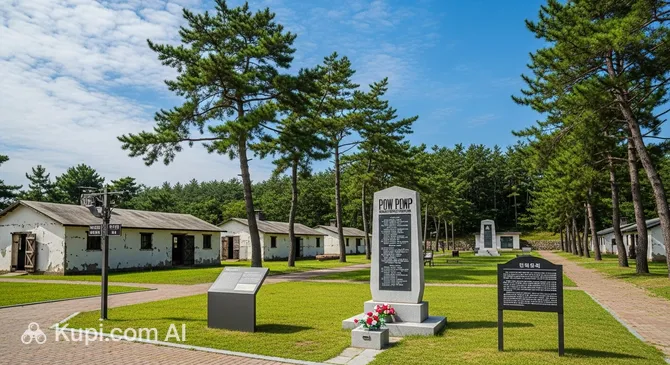
One of the key attractions is the Geoje POW Camp Historic Park. This site is of great significance as it is dedicated to an important historical period and tells the stories of the people who were held here. Visitors can see reconstructed barracks, themed exhibitions, and memorials, making a visit here deeply educational and memorable.

Geoje POW Camp Historical Park. Illustration.
Source: Kupi.com AI

Traveler photos:

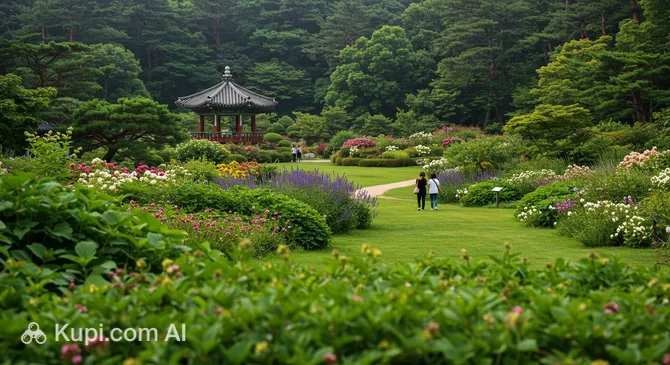
For nature lovers and those who enjoy quiet walks, a visit to the Geoje Botanical Garden is highly recommended. This vast and well-maintained garden impresses with a rich collection of plants from around the world, beautifully designed themed zones, and winding paths perfect for a leisurely stroll. It is a wonderful place to take a break from the city bustle and enjoy the harmony of nature.

Geoje Botanical Garden. Illustration.
Source: Kupi.com AI

Traveler photos:

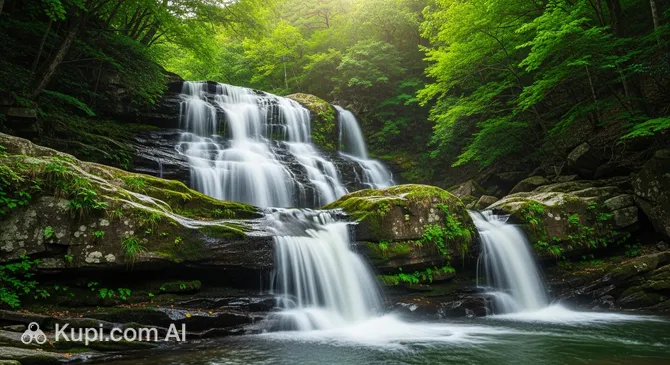
If you are looking for natural beauty and refreshing landscapes, be sure to include Mundong Waterfall in your itinerary. This scenic spot attracts tourists with its natural charm and peaceful atmosphere. The sound of falling water surrounded by lush greenery creates perfect conditions for relaxation, meditation, and, of course, taking magnificent photos to remember your trip to Geoje.

Mundong Falls. Illustration.
Source: Kupi.com AI

Traveler photos:

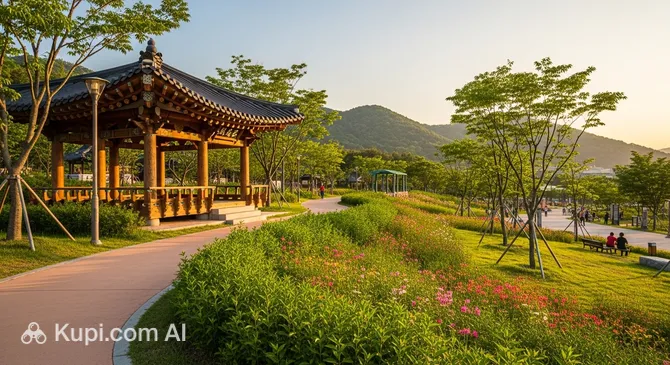
For those who prefer active recreation and wellness, Dokbongsan Wellness Park is an excellent choice. This park is specifically designed for healthy walks and outdoor activities. Here, you will find well-maintained walking trails, sports grounds, and cozy areas for a picnic or simply relaxing in nature. It is a great opportunity to recharge your energy and enjoy the tranquility.

Dokbongsan Well-being Park. Illustration.
Source: Kupi.com AI

Traveler photos:

Local Cuisine

Geoje is a true paradise for seafood lovers and fans of authentic Korean cuisine. Located on an island, the city offers an incredible variety of fresh seafood dishes that form the heart of the local gastronomic experience. Geoje's food scene is characterized by the abundance of fresh catches, traditional cooking methods, and a welcoming atmosphere.

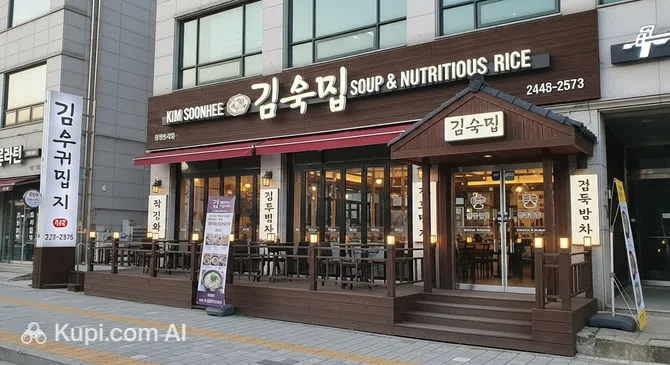
Be sure to try hoe (회)—the Korean version of sashimi, prepared with freshly caught fish and served with spicy sauces and fresh vegetables. This dish allows you to fully appreciate the taste of the freshest seafood. Another iconic dish is maeuntang (매운탕), a spicy soup made from sea bass or other fish with vegetables, which is both warming and filling. Of course, you shouldn't miss the fresh oysters, scallops, and other shellfish, prepared in many ways—from grilled to raw.

Kim Soonhee Oyster Soup & Nutritious Rice. Illustration.
Source: Kupi.com AI

Traveler photos:

In addition to exquisite fish dishes, look out for seaweed soup (miyeok-guk, 미역국), which in Korea is considered not only delicious but also healthy and a symbol of good luck. Street food lovers will find plenty of interest at local markets: from seafood gimbap (김밥) to various savory snacks and traditional sweets made from rice and beans. To dive deeper into local flavors, visit an establishment specializing in traditional dishes, such as Kim Soon-hee: Oyster Soup and Nutritious Rice, where you can sample signature oyster soups.

The dining culture in Geoje is closely tied to the sea. Many cozy restaurants and cafes line the coast, offering dishes from the day's catch. Locals and tourists also love visiting the bustling markets, where you can not only try street food but also buy fresh seafood, vegetables, and fruit. The city is also known for its gastronomic festivals dedicated to the bounty of the sea.

As for drinks, Korean alcoholic beverages such as soju (소주) or makgeolli (막걸리)—rice wine—are traditionally served with seafood. Non-alcoholic options include various types of Korean tea, such as barley or corn tea, as well as refreshing fruit drinks and juices. Visiting Geoje is a unique opportunity to enjoy the freshest seafood and discover the richness of Korean culinary traditions.

Travel Tips

Planning a trip to the charming city of Geoje in South Korea? To ensure your journey goes smoothly and leaves only pleasant memories, we have prepared some practical tips. These recommendations will help you better prepare and enjoy every moment in this wonderful seaside city.

  1. Clothing and Essentials:

    The climate in Geoje is temperate with four distinct seasons. Summer (June-August) is hot and humid, so bring light, breathable clothing. Winter (December-February) can be chilly, especially with the sea breeze—you'll need warm clothes, a jacket, a hat, and gloves. Spring and autumn are the most comfortable times with mild weather, ideal for walking; layering your clothes is a good idea. Be sure to bring comfortable shoes, as you will be doing a lot of walking. Don't forget an umbrella or raincoat, especially if you are traveling during the rainy season (late June to July). For electrical appliances, you will need an adapter (South Korea uses Type C and F sockets).

  2. Transport:

    In Geoje, being an island city, it is most convenient to get around using local buses that connect its various parts. This is an affordable way to travel, although routes may be primarily in Korean. Taxis are also available and can be hailed on the street or found at stands; they are more expensive but more convenient for direct trips. Taxi-hailing apps like Kakao T are popular. Renting a car can be a good option for exploring the island and remote beaches, but keep in mind local driving habits and the requirement for an international driving permit.

  3. Finances:

    The local currency is the South Korean Won (KRW). Credit cards (Visa, Mastercard) are widely accepted in most shops, restaurants, and hotels. However, it's always useful to carry some cash for small purchases at markets or for bus fares. ATMs are common, but ensure your card is activated for international transactions. Look for ATMs with international payment system logos. Tipping is not practiced in South Korea and is generally not expected.

  4. Health and Safety:

    Pharmacies (약국 - yakguk) are easy to find and are marked with a green cross. Some pharmacists may speak English. For serious health issues, contact hospitals or clinics; information can be obtained at your hotel. It is highly recommended to have travel insurance with medical coverage. Geoje is a very safe city with a low crime rate. However, follow standard precautions: watch your belongings in crowded places and stay alert.

  5. Communication:

    The official language is Korean. English is common in tourist areas and among young people, but not everywhere. Learn a few basic phrases: "Annyeonghaseyo" (안녕하세요 – Hello), "Kamsahamnida" (감사합니다 – Thank you). A local SIM card for internet and calls can be purchased upon arrival in South Korea at the airport or at mobile shops in Geoje. Wi-Fi is available in many public places, cafes, and hotels. Useful apps: Naver Maps or KakaoMap (for navigation), Papago (translator).

  6. Local Etiquette:

    A slight bow is the traditional greeting, though a handshake is also acceptable. When giving or receiving items (money, business cards), use both hands or your right hand supported by your left. Behave discretely in public places; loud talking may be frowned upon. At the table, it is customary to wait for elders to start eating. Don't forget to be polite and respect local traditions.

  7. What to Avoid:

    Never stick your chopsticks vertically into a bowl of rice—this is associated with funeral rituals and is considered very bad manners. Also, try not to point at people with your finger; it's better to use an open palm. Overt public displays of affection may be perceived with mixed feelings.

  8. Additional Tip:

    Geoje is famous for its picturesque coastlines and shipbuilding industry. Visit the island in spring to see the cherry blossoms, or in autumn for comfortable walks. Many attractions are sea-related, so check ferry schedules in advance if you plan to visit neighboring small islands. And, of course, be sure to try the freshest local seafood—it's the pride of the region!

We hope these tips help you plan an unforgettable trip to Geoje. We wish you wonderful experiences and a pleasant stay on this beautiful Korean island!

Entertainment & Nightlife

When the sun sets over the picturesque islands and coast of Geoje, the city doesn't go to sleep; instead, it offers guests and residents a variety of evening leisure options. While Geoje is not known for the wild 24-hour parties found in South Korean metropolises, you can still find cozy places to relax, have a delicious dinner, and spend quality time after a busy day.

The main evening life in Geoje is concentrated in the Gohyeon-dong district, which is the commercial and administrative center of the city, and Okpo-dong, which is popular among foreign specialists working at local shipyards. Here you will find many restaurants, traditional Korean "hof" pubs serving beer and snacks, and "noraebang" (karaoke bars), which are an integral part of Korean entertainment culture. The atmosphere in most establishments is quite casual and friendly, with no special dress code usually required. European-style nightclubs are less common here; the focus is more on relaxed socializing.

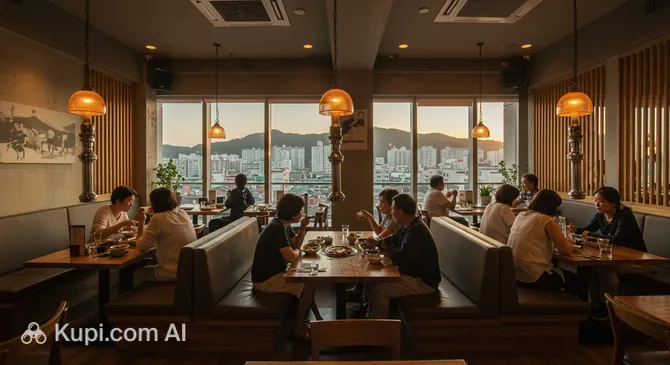
For dinner in a pleasant setting or an evening out, consider places like the Geoje Hotel Restaurant, which offers a varied menu, or the authentic Kim Soon-hee: Oyster Soup and Nutritious Rice, where you can try local delicacies. Many restaurants and bars stay open until late at night, allowing you to enjoy your meal or drinks without rushing.

Geoje Hotel Restaurant. Illustration.
Source: Kupi.com AI

Traveler photos:

When planning an evening out, keep in mind that things are most lively on Friday and Saturday. Prices in Geoje establishments are generally moderate. The most convenient way to get around at night is by taxi; they can be hailed on the street in busy areas or ordered through popular Korean apps like KakaoTaxi. Geoje is considered a safe city, but standard precautions, especially at night, are always advisable.

During the day, Geoje offers different kinds of entertainment. Visitors can explore the unique Geoje POW Camp Historic Park, which sheds light on an important historical period, or stroll through the beautiful Geoje Botanical Garden. Natural attractions like Mundong Waterfall or Dokbongsan Wellness Park are also popular for enjoying fresh air and beautiful views.

Geoje POW Camp Historical Park. Illustration.
Source: Kupi.com AI

Traveler photos:

Parks & Museums

Geoje, a city with a rich history and picturesque nature, offers its guests diverse opportunities for relaxation and discovery. Here you will find both peaceful green spaces and sites that preserve the memory of important historical events.

Nature lovers will find unforgettable experiences in Geoje. One of the city's main gems is the Geoje Botanical Garden. This place is striking for its variety of flora collected from all over the world and offers visitors themed zones to wander through while enjoying the beauty and fragrance of the plants. The garden is especially beautiful during the blooming season and is a great spot for relaxation and photography.

Geoje Botanical Garden. Illustration.
Source: Kupi.com AI

Traveler photos:

For those who prefer active outdoor recreation, Dokbongsan Wellness Park is a real find. Located on the slopes of a mountain, the park features equipped trails for walking and hiking, offering breathtaking views of the surrounding area and the sea. It is a wonderful place to recharge and enjoy panoramic landscapes.

Dokbongsan Well-being Park. Illustration.
Source: Kupi.com AI

Traveler photos:

Near the city, you can also find natural wonders such as Mundong Waterfall. This picturesque waterfall, surrounded by lush greenery, creates an atmosphere of peace and coolness, especially on hot days. Visitors can enjoy the sound of falling water and the beauty of the surrounding nature.

Mundong Falls. Illustration.
Source: Kupi.com AI

Traveler photos:

The city of Geoje also plays an important role in preserving historical heritage. A key site reflecting a significant period in the history of South Korea is the Geoje POW Camp Historic Park. This memorial complex was established on the site of a former prisoner-of-war camp from the Korean War. Visitors can learn about the lives of the prisoners and see reconstructed barracks, exhibitions, and monuments. This site not only tells of past events but also serves as a reminder of the value of peace.

Geoje POW Camp Historical Park. Illustration.
Source: Kupi.com AI

Traveler photos:

While Geoje may not have a large number of traditional art galleries, cultural immersion is provided through its historical sites and natural beauty, which are sources of inspiration in themselves.

For a more authentic experience, try exploring the small coastal villages around Geoje, where you can observe the daily life of local fishermen and enjoy the freshest seafood. Also, many park areas have lesser-known trails that can lead to secluded viewpoints with magnificent vistas—don't be afraid to wander slightly off the main paths after studying a local map.

Getting Around

Getting around Geoje and its surroundings is possible via public transport, which consists mainly of buses. This is a convenient and economical way to get to know the city and its picturesque corners.

Buses are the primary mode of public transportation in Geoje. The city bus network is well-developed and covers most areas. There are both city routes and buses connecting Geoje with other settlements on the island. Schedules and routes can be checked at bus stops or using popular Korean navigation apps like Naver Maps or KakaoMap, which provide real-time information.

For paying fares on Geoje buses, as throughout South Korea, the most convenient method is using transport cards such as T-money or Cashbee. These cards can be purchased and topped up at most convenience stores (e.g., CU, GS25, 7-Eleven) and at some bus terminals. The base fare for city buses when paying with a T-money card is usually around 1,250-1,350 KRW, while paying in cash may be slightly higher, for example, 1,350-1,450 KRW. You must tap your card on the validator when boarding and also when exiting if required for distance-based fares (usually on intercity or some suburban routes). Cash payment is also possible, but it may be less convenient; drivers may not provide change, so it's best to have the exact amount.

Practical Tips for Tourists:

  • Purchase a T-money transport card immediately upon arrival for convenience and savings.

  • When boarding the bus, clearly signal the driver that you intend to enter, especially if there are few people at the stop.

  • Watch for stop announcements (often duplicated in English on electronic displays in newer buses) or use a navigation app so you don't miss your stop.

  • Buses generally run on schedule, but slight delays are possible during peak hours. The main operating hours are roughly from early morning to late evening.

Alternative Ways to Get Around:

  • Taxi: Taxis are quite easy to find in Geoje and operate by meter. You can pay for the ride with either cash or a bank card. Taxis are more expensive but provide a comfortable and fast way to travel, especially for short trips or when carrying luggage.

  • Car Rental: If you plan to actively explore Geojedo Island and its numerous attractions, renting a car can be a good option, giving you greater freedom of movement. Note that an international driving permit is required for rental.

  • Bicycle Rental: In some tourist zones or parks, bicycle rentals may be available, which is perfect for leisurely rides and sightseeing.

Although Geoje does not have a metro or trams, the existing bus system and availability of taxis allow tourists to travel comfortably around the city and explore its beauty.

Accommodation

In Geoje, travelers will find a wide range of accommodation options to suit various preferences and budgets. The city offers everything from budget guesthouses and motels to comfortable mid-range hotels and more luxurious resort complexes, many of which are located in scenic coastal areas.

When choosing a place to stay, consider popular tourist areas such as Gohyeon-dong or Okpo-dong, known for their developed infrastructure and convenient locations. It is also important to consider proximity to major attractions, such as the Geoje POW Camp Historic Park, or transport hubs, which will make getting around the city easier. Some hotels may offer easy access to places like the Geoje Botanical Garden or Dokbongsan Wellness Park. While specific hotels aren't listed here, many options can be found through popular booking systems.

The price range for accommodation in Geoje varies from budget-friendly choices to luxury offerings. To ensure the best selection and most favorable rates, especially during peak tourist season or local holidays, it is recommended to book your stay in advance. The most common booking methods are through international and local online platforms or by contacting hotels directly.

Nearby Cities

For those looking to explore the surrounding area, Geoje serves as an excellent starting point for day trips to several interesting nearby locations:

CityPopulationDistance
Tongyeong137 20817 km
Jinhae190 00029 km
Noksan124 24635 km
Changwon1 046 05439 km
Gimhae550 75845 km

These nearby destinations provide a glimpse into the diverse culture and landscapes of the South Korea region.

Shopping & Souvenirs

While Geoje may not be a major shopping hub in South Korea compared to its megacities, the city offers pleasant opportunities for shopping, especially if you are looking for everyday items, local products, or souvenirs to remember your trip. You can find both modern stores and traditional markets that reflect the local flavor.

The main shopping areas in Geoje are typically concentrated in the central part of the city. Strolling along the main streets, you will find many shops selling clothing, cosmetics, electronics, and home goods. While there may not be massive shopping boulevards like those in Seoul, the atmosphere is more relaxed and conducive to leisurely shopping.

In Geoje, you can find several department stores or small shopping centers where various brands are gathered under one roof. This is a convenient option for those who prefer to shop in comfort, especially in hot or rainy weather. The selection usually includes clothing, accessories, cosmetics, and sometimes food courts.

Special attention should be paid to Geoje's traditional markets. These are excellent places to immerse yourself in local life and find fresh produce, seafood (given the city's coastal location), as well as a variety of Korean snacks and prepared meals. At the markets, you can often buy inexpensive souvenirs or household items at more attractive prices than in tourist shops.

From Geoje, as from South Korea as a whole, you can bring back various souvenirs. Popular items include ginseng products, Korean cosmetics, traditional sweets (such as hangwa), ceramics, fans, and items with national symbols. In Geoje, you can also look for sea-themed souvenirs or local delicacies that are suitable for travel.

Most shops in Geoje are generally open from 10:00-11:00 AM to 8:00-9:00 PM. Large shopping centers may stay open later, especially on weekends. Markets often start early in the morning. Regarding payment, credit and debit cards are widely used in South Korea and are accepted almost everywhere. However, at small markets or in tiny shops, cash may be preferred.

Tourists in South Korea can take advantage of the Tax Free system for purchases made in participating stores. Usually, this requires a purchase of a certain amount and the presentation of a passport. Check the conditions directly in the stores—look for the corresponding logos or ask the staff. The tax refund can be processed at the airport before departure.

Reached the end of the page?

That means the route is fully explored