Support

Gumi

About

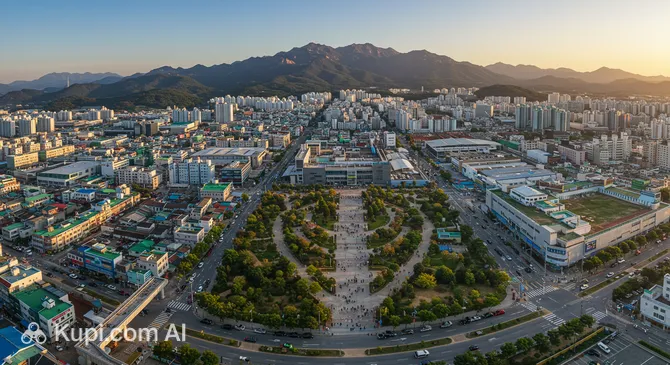
Gumi is a modern and dynamic city located in the heart of South Korea, on the picturesque plains of Gyeongsangbuk-do province. The city is nestled along the banks of the Nakdong River, harmoniously blending natural charm with the rhythm of a major industrial center. Here, it is easy to feel the pulse of the real Korea, where morning markets and bustling streets coexist with green parks and futuristic buildings, as well as traditional temples and quiet corners for meditation.
Gumi. Illustration.
Source: Kupi.com AI

With a population of about 408,000 people, Gumi is one of the region's significant cities and a vital industrial hub for the country. It rightfully bears the title of Korea's "electronic capital," as it is home to leading enterprises in electronics and high technology. However, Gumi is not just a city of work; its streets are full of life, and locals are famous for their hospitality and love for festivals.

The atmosphere of Gumi is a fascinating weave of the past and the future. The city is attractive to those seeking to see authentic Korea away from standard tourist routes. Here you can explore ancient Buddhist temples, such as Dorisa, stroll through modern shopping centers, enjoy the cozy local cafes, and breathe in the fresh air in numerous city parks, like Geumosan Park. Another unique feature is the opportunity to visit the Gumi Industrial Complex to witness the scale of the Korean technological miracle.

Gumi is a city that can surprise and inspire, offering every traveler something of their own, whether they are a connoisseur of ancient culture or a fan of modern technology. If you are looking for an unconventional destination to discover South Korea, Gumi definitely deserves your attention.

You can find more interesting facts on the Gumi city history page.
Weather Overview

The weather in Gumi is characterized by notable seasonal changes. Summer, especially in July and August, is warm here, with average temperatures around 26°C and maximums reaching 30°C. These months also see the highest amount of rainfall, with 16-17 rainy days. Winters, by contrast, are cold: in January and December, the average temperature hovers around 0°C, and the minimum can drop below -4°C. Winter months are significantly drier, with minimal precipitation. Spring and autumn are transitional seasons with moderate temperatures: in April, the average temperature is about 13°C, and in October, it is about 15°C. Expect a warm summer with occasional rain and cold, relatively dry winters. You can find more detailed information on the Gumi climate page.

Average monthly temperature

Average monthly precipitation

Interesting Facts

In addition to its modern achievements and industrial giants, Gumi holds many surprising stories and features that make it truly unique. Ready to learn a few little-known facts about this South Korean city?

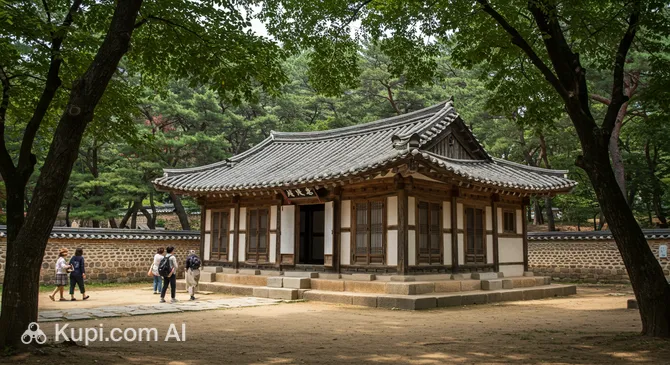
  • The city of Gumi is the birthplace of Park Chung-hee, one of South Korea's most influential presidents, whose rule marked a period of rapid economic growth for the country. This is why Gumi is often called the "cradle of the Korean economic miracle." You can visit the President Park Chung-hee Birthplace to learn more about this iconic figure.

  • Gumi is not just a historical center, but a veritable "Korean Silicon Valley." It is home to one of Asia's largest industrial complexes, where high-tech goods known worldwide, including smartphones and consumer electronics, are manufactured.

  • In spring, Gumi is transformed, bathed in cherry blossoms. The city is famous for its colorful spring festivals, and the annual chrysanthemum festival is particularly popular, attracting many visitors with its vibrant floral arrangements and festive atmosphere.

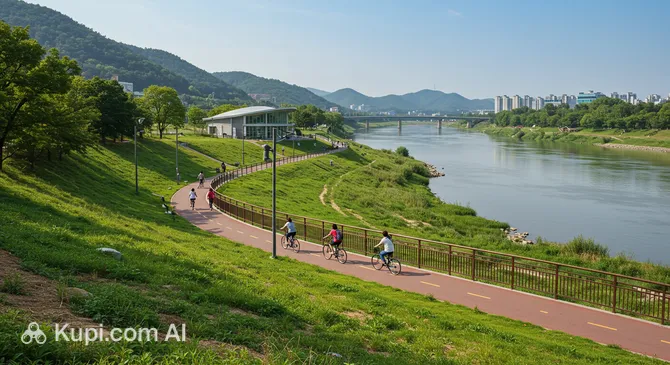
  • Gumi places great emphasis on ecology and the development of "green" initiatives. The city boasts numerous parks, ecological trails, and a well-developed network of bike paths, such as those in the Nakdong River Sports Park, making it attractive for fans of active outdoor recreation.

Birthplace of President Park Chung Hee. Illustration.
Source: Kupi.com AI

Traveler photos:

How to Get There

When planning a trip to this dynamic South Korean city, it is important to think through your route in advance. You can learn more about how to get to Gumi by checking out the available transport options that connect the city with the rest of the country and the world.

Since Gumi itself does not have its own civil airport, travelers usually use the air hubs of neighboring major cities. The most convenient and closest option is Daegu International Airport (IATA: TAE), located in the city of Daegu. It is only 37 km from Gumi, making it an excellent entry point. A taxi or bus ride from here will take approximately 1 hour and 15 minutes.

Another popular choice, especially for international flights, is Gimhae International Airport (IATA: PUS) in Busan. It is a major transport hub with a high passenger volume, receiving many flights from different countries. It is located about 117 km from Gumi. A ground transport trip from Gimhae Airport to the city will take about 3 hours and 15 minutes, but the wide choice of flights often compensates for this travel time.

For clarity, here is a summary of the main airports through which you can reach the region:

AirportPassenger trafficDistance
Daegu International Airport3.3 mln37 km
Pohang Airport253 70397 km
Cheongju Airport4.6 mln101 km
Ulsan Airport786 739107 km
Gimhae International Airport15.8 mln117 km

Railway connection is another efficient way to reach the region. One of the key transport hubs nearby is Dongdaegu Station (IATA: XDK), located in the city of Daegu. It is one of the busiest stations in the country with a huge passenger flow. It is about 36 km from Gumi, and from there you can quickly reach your destination by taxi or bus in about 1 hour and 15 minutes, or transfer to a local train.

It is also worth mentioning Daejeon Station in the city of Daejeon. Although it is further away, at a distance of about 90 km, it is an important railway hub through which many high-speed routes pass. Travel time by road from this station to Gumi will be about 2 hours and 35 minutes.

Below is a table with the nearest major railway stations:

StationPassenger trafficDistance
Dongdaegu Station20 mln36 km
Daejeon Station18.6 mln91 km
Jinju Station109 km
Yeosu Expo Station161 km
Gwangju Songjeong Station3.4 mln178 km

Main Attractions

Gumi, a modern industrial city in Gyeongsangbuk-do, offers its guests not only business opportunities but also interesting places to explore the culture and history of the region. Here are several attractions worth visiting during your stay in Gumi:

One of the iconic historical sites is the President Park Chung-hee Birthplace. This memorial complex is dedicated to the life and work of the former South Korean president, who played a key role in the country's economic development. Visitors can see the house where he was born and learn more about his legacy, which will be of particular interest to those fond of modern Korean history.

Birthplace of President Park Chung Hee. Illustration.
Source: Kupi.com AI

Traveler photos:

For fans of active recreation and nature, the Nakdong River Sports Park is an excellent choice. This expansive park stretching along the banks of the Nakdong River offers many leisure opportunities: cycling and walking paths, sports fields, and picturesque picnic spots. It is a great place to relax, enjoy the fresh air, and take in the beautiful views.

Nakdong River Sports Park. Illustration.
Source: Kupi.com AI

Traveler photos:

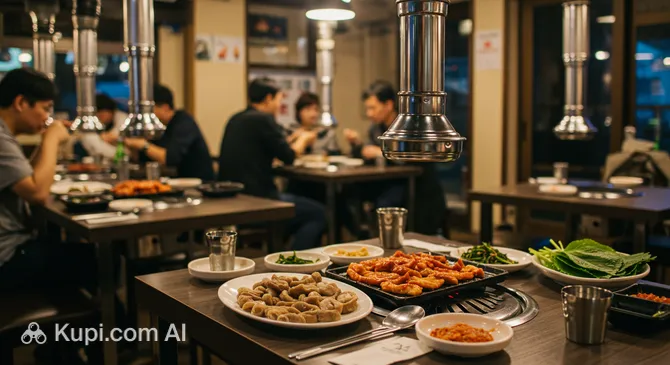
If you want to get acquainted with the local cuisine, pay attention to the restaurant Kim Tae-joo Seonsan Gopchang. This establishment is famous for its signature dish — gopchang, which consists of grilled beef or pork intestines. This is a popular Korean dish, and here it is prepared according to a special recipe that attracts both locals and tourists wishing to taste authentic flavors.

Kim Tae-ju Seonsan Gopchang. Illustration.
Source: Kupi.com AI

Traveler photos:

These attractions will help you form an impression of Gumi as a city that combines historical heritage, natural beauty, and gastronomic delights.

Local Cuisine

The gastronomic scene in Gumi is a vibrant immersion into authentic Korean cuisine, capable of surprising and delighting even the most discerning gourmet. The city is famous for its culinary traditions, where special attention is paid to the freshness of ingredients and unique flavor combinations.

The hallmark of local cuisine is undoubtedly "Gumi galbi" – tender pork ribs marinated according to a special recipe and grilled over charcoal until golden brown. It is believed that it is in Gumi where this dish is prepared with unsurpassed juiciness and aroma, and the secrets of the marinade are carefully passed down from generation to generation. Galbi is usually served with spicy sauces and fresh vegetables, making the taste even richer.

In addition to the famous ribs, it is worth trying other classic Korean dishes in Gumi. Be sure to order bibimbap – a colorful dish of rice with various vegetables, an egg, and spicy gochujang sauce. Soup lovers will enjoy the aromatic guksu – a hearty soup with beef and noodles, perfect for warming up on a cool day.

The true spirit of Korean gastronomy can be felt at Gumi's lively street markets. Here, a kaleidoscope of tastes and aromas awaits you: from spicy tteokbokki rice cakes and sweet hotteok pancakes with filling to fried pastries and tiny grilled octopuses. Local markets also abound with fresh seafood, seasonal vegetables, and farm products, which form the basis of many traditional dishes.

Your meal will be perfectly complemented by traditional Korean drinks. Among non-alcoholic options, various teas and the refreshing sweet rice drink sikhye are popular. Among alcoholic beverages, pay attention to soju – Korean vodka, and makgeolli – a light rice wine with a milky tint.

Locals and tourists in Gumi enjoy food in a variety of places. These can be cozy family restaurants or modern establishments offering signature cuisine. One such place to get acquainted with local delicacies is the restaurant Kim Tae-joo Seonsan Gopchang, known for its beef intestine dishes (gopchang). Of course, one cannot forget street food, which is an integral part of the city's gastronomic culture.

Throughout the year, Gumi often hosts gastronomic festivals where you can not only try dishes from top chefs but also discover new flavors and even participate in culinary workshops. The city is proud of its culinary heritage and is always happy to welcome guests ready to discover the true tastes of South Korea.

Travel Tips

Welcome to Gumi! This city, combining industrial power and natural beauty, is ready to offer you a unique experience. To ensure your journey through Gumi goes smoothly and leaves only pleasant impressions, we have prepared some practical tips.

  1. Clothing and Essentials:

    The climate in Gumi is temperate, with four distinct seasons. In summer (June-August), it is hot and humid, so choose light, breathable clothing made from natural fabrics. In winter (December-February), it can be cold and snowy — don't forget a warm jacket, hat, gloves, and a scarf. Spring (March-May) and autumn (September-November) are the most comfortable times with pleasant temperatures; layered clothing is ideal. Be sure to bring comfortable shoes, especially if you plan to walk around the city or visit parks like Geumosan. Don't forget a universal adapter for electrical appliances (type C and F sockets are used in South Korea, with 220V voltage). When visiting temples, if any are on your itinerary, modest clothing covering shoulders and knees is recommended.

  2. Transport:

    The main mode of public transport in Gumi is city buses. The route network is quite well-developed and allows you to reach most districts. Taxis are also widely available and relatively inexpensive; they can be hailed on the street or called through popular Korean apps like Kakao T (this usually requires a local SIM card and a Korean payment method). Renting a car can be an option for exploring the surroundings, but for getting around the city itself, it is not always practical due to potential traffic and limited parking spaces. If you decide to rent a car, you will need an international driving permit.

  3. Finances:

    The official currency is the South Korean Won (KRW). You can exchange money at banks or certified exchange offices; the rate at the airport is usually less favorable. Credit and debit cards (Visa, Mastercard) are accepted in most shops, restaurants, and hotels. However, it is always useful to have some cash on hand for small expenses at markets or in small establishments. ATMs are common; look for those marked "Global ATM" — they usually work with international cards. Check your bank's conditions for withdrawing cash abroad and any possible fees. An approximate daily budget (excluding accommodation) can range from 50,000 to 150,000 won. Important: Tipping is not customary in South Korea and may even be met with surprise.

  4. Health and Safety:

    Pharmacies (in Korean "약국" - yak-guk) are easy to find and are often marked with a green cross. Some may operate 24/7, but it's better to verify this. Staff do not always speak English, so a translation app or a pre-written name of the necessary medicine in Korean might be helpful. There are hospitals and clinics in the city that provide medical assistance. Having travel medical insurance is highly recommended. Gumi, like most cities in South Korea, is considered a very safe city. However, standard precautions, such as keeping an eye on personal belongings in crowded places, still apply. Try to avoid poorly lit and deserted areas late at night if you are alone.

  5. Communication:

    The official language is Korean. English may be common in tourist areas and among young people, but do not expect everyone to speak it. Learn a few basic phrases: "Annyeonghaseyo" (안녕하세요 - Hello), "Kamsahamnida" (감사합니다 - Thank you), "Joesonghamnida" (죄송합니다 - I'm sorry). This will show your respect for the local culture. For stable internet access, consider buying a local SIM card or renting a portable Wi-Fi router (often called an "egg" or "pocket Wi-Fi") at the airport or mobile shops. Free Wi-Fi is often available in cafes, shopping malls, and public spaces. Useful apps: Naver Maps or KakaoMap for navigation (Google Maps has limited functionality in South Korea), Papago for translation, and KakaoTalk — a popular local messenger.

  6. Local Etiquette:

    When greeting, especially with those older in age or status, a slight bow is customary. In public places such as transport or cafes, try not to talk too loudly. It is customary to remove your shoes when entering a Korean home, as well as some traditional restaurants and temples. When passing or receiving items (e.g., money, business cards), use both hands or your right hand supported by your left at the wrist — this is a sign of respect.

  7. What to Avoid:

    Do not write people's names in red ink. In Korean culture, the color red in names is associated with death and is considered a very bad omen. Also, avoid sitting in seats reserved for the elderly, pregnant women, or people with disabilities on public transport if you do not belong to these categories — they are usually clearly marked.

  8. Additional Tip:

    Gumi is known not only as an industrial hub but also for its proximity to Geumosan Provincial Park. If you have free time, we highly recommend setting aside a day to visit this park. Here you can enjoy beautiful mountain scenery, walk along well-maintained trails, and see Buddhist temples. It is a great opportunity to experience the region's nature and take a break from the city bustle.

We hope these tips help you better prepare for your trip and get the most out of your stay in Gumi. We wish you an unforgettable journey!

Entertainment & Nightlife

When the sun sets, Gumi transforms, offering its guests and residents a variety of options for evening and night leisure. While Gumi is better known as an industrial center, there are plenty of cozy spots here to relax after a busy day or have fun with friends.

The city's main nightlife is usually concentrated in the central districts, especially around the shopping streets and restaurant quarters. Here you can find many bars, pubs, and, of course, traditional Korean establishments. The atmosphere in such places is usually lively, especially on Friday and Saturday nights. The crowd is mixed, ranging from local residents to visiting professionals. Most establishments stay open late into the night, and some until the early morning. The dress code is mostly casual, though some trendier bars might have their own minor requirements.

Among the popular nightly activities in Gumi are karaoke bars (noraebangs), where you can have a great time with a group singing your favorite songs. Pubs with a good selection of local and imported beer are also common. If you are looking for a late-night dinner, the city has restaurants that operate late. For example, you can stop by Kim Tae-joo Seonsan Gopchang to try local delicacies. Although the list of nightclubs and exclusive bars may not be as extensive as in major metropolises, Gumi offers enough options for an enjoyable evening.

Kim Tae-ju Seonsan Gopchang. Illustration.
Source: Kupi.com AI

Traveler photos:

Practical Tips: The best time to visit nightspots is after 20:00-21:00 when most places come to life. Prices in Gumi's bars and restaurants are generally moderate. Getting around the city at night is most convenient by taxi; they can be easily called via apps or found at designated stands. Overall, Gumi is considered a safe city, but it is always wise to follow standard precautions, especially late at night.

During the day, Gumi also offers interesting leisure options. History buffs can visit the President Park Chung-hee Birthplace to learn more about a significant figure in South Korean history. For outdoor walks and active recreation, the Nakdong River Sports Park is perfect, offering beautiful views and sports facilities. The city also has cinemas and shopping malls for those who prefer more traditional entertainment.

Birthplace of President Park Chung Hee. Illustration.
Source: Kupi.com AI

Traveler photos:

Nakdong River Sports Park. Illustration.
Source: Kupi.com AI

Traveler photos:

Thus, Gumi offers its guests both opportunities for a lively nightlife and quiet options for daytime relaxation, allowing everyone to find something to their liking.

Parks & Museums

The city of Gumi, known for its dynamic industrial sector, also offers its guests and residents pleasant green zones for relaxation and interesting places to touch upon its history and culture. Here you can find a harmonious combination of urban energy and opportunities for cultural enrichment and relaxation in nature.

Among the significant green zones, the Nakdong River Sports Park stands out. This expansive park stretching along the riverbanks is a wonderful place for leisurely strolls, cycling, and various sports. It is popular with both locals and tourists wishing to enjoy the fresh air and picturesque views. For those seeking larger-scale natural landscapes, Mount Geumo (Geumosan) and its provincial park, located near Gumi, offer excellent hiking trails, beautiful temples tucked away in the mountains, and breathtaking panoramic views. This is an ideal place for connecting with nature and experiencing Korean mountain scenery.

Nakdong River Sports Park. Illustration.
Source: Kupi.com AI

Traveler photos:

Gumi plays an important role in the modern history of South Korea, particularly as the birthplace of the country's former president. The President Park Chung-hee Birthplace functions as a memorial complex and museum, providing visitors with an opportunity to learn more about his life and the era he represented. This is a key site for understanding a specific period of Korean history. While Gumi may not abound with major world-class museums, its character is also defined by its industrial development. Guests interested in this aspect can find small exhibitions or monuments reflecting the city's path to becoming a major industrial center.

Birthplace of President Park Chung Hee. Illustration.
Source: Kupi.com AI

Traveler photos:

To feel the authentic atmosphere of local life, it is worth stopping by Gumi's traditional markets, where you can find fresh produce and products by local craftsmen. And for a gastronomic immersion into the region's culture, you can visit establishments like Kim Tae-joo Seonsan Gopchang to try local delicacies — this will become a true cultural experience through an introduction to Korean cuisine.

Getting Around

Are you planning a trip to Gumi and want to understand the local public transport system? It's simple! The city offers several convenient ways to get around that will help you explore it without extra hassle.

The main mode of public transport in Gumi is the bus. The city's bus network is quite developed and covers most areas. Buses run according to a schedule, which can usually be found at stops or in special mobile apps (such as Naver Maps or KakaoMap, which are very popular in South Korea and provide real-time information on routes and arrival times). Routes are designated by numbers, and information at stops may be predominantly in Korean, though central stops sometimes have English translations.

The payment system in Gumi, as in all of South Korea, is very convenient thanks to the use of transport cards. The most common are T-money and Cashbee. These cards can be purchased and topped up at most convenience stores (such as CU, GS25, 7-Eleven), as well as at machines in subway stations in major cities (although Gumi itself does not have a subway). You need to tap the card on the validator when entering the bus and, importantly, when exiting — this is necessary for correct fare calculation, especially if transfer discounts apply. The cost of a single bus ride is usually low, and using a transport card makes it even more economical compared to paying in cash (if such an option is available, as it is less common and convenient).

Practical Tips for Tourists:

Purchase a T-money or Cashbee transport card immediately upon arrival in the country — it works in many cities across South Korea. Top up the card as needed. Buses usually start running early in the morning (around 6:00) and finish late at night (until 23:00-00:00), but it's best to check the schedule for specific routes. To plan routes and track buses in real-time, it is strongly recommended to use Korean navigation apps.

In addition to buses, taxis are naturally available in Gumi. They can be hailed on the street, found at special stands, or called through an app (such as Kakao T). Most taxis accept credit cards and T-money/Cashbee transport cards. The cost of a taxi ride is higher than a bus, but it's a good option for night travel or when carrying luggage.

In some Korean cities, public bike-sharing systems are also developed. It's worth checking if such a system exists in Gumi if you prefer to get around by bicycle. This can be a great way to leisurely explore the city. Car sharing also exists in South Korea, but it may be less convenient for tourists due to registration requirements and the need for a local driver's license.

There are no unique or historical types of transport in Gumi, like an old subway or a cable car, but the existing public transport system is efficient enough to allow for comfortable movement around the city.

Accommodation

When planning a trip to Gumi, you will find a variety of accommodation options to suit different preferences and budgets. The city offers a wide range of housing, from budget guesthouses and motels, ideal for thrifty travelers, to comfortable mid-range hotels and more modern options offering an expanded set of services.

For tourists, the most convenient areas may be those located near major transport hubs or the city's business centers, from where it is easy to reach points of interest. In Gumi, you can find both small family-run hotels and larger hotel complexes. Although specific famous hotels are not singled out in the general list of attractions, the city has a sufficient choice for a comfortable stay. Apartment rentals are also popular, especially for those planning a long stay or traveling with a family.

When choosing accommodation in Gumi, it is worth considering seasonality. During major events or exhibitions, it is recommended to book hotels in advance to ensure the best choice and prices. Main booking methods include popular online platforms and, in some cases, contacting the hotel directly. The price range varies from affordable options to luxury offers, allowing every traveler to find a suitable option according to their expectations and financial capabilities.

Nearby Cities

For those who want to explore the surrounding area, Gumi serves as an excellent starting point for day trips to several interesting nearby locations. For example, you can visit:

Daegu, a vibrant metropolis located just 33 km from Gumi, attracts visitors with its rich history, modern shopping districts, and cultural sites such as traditional markets and ancient temples. It is a wonderful place to feel the dynamics of a large Korean city. A bit further, about 91 km away, lies Daejeon, known as the science capital of South Korea. Here you can visit the National Science Museum, Expo Park, and get acquainted with the country's cutting-edge technologies. For lovers of coastal landscapes and fresh seafood, Pohang (about 92 km away) could be an interesting destination. It is an important port city on the shore of the Sea of Japan, famous for its Jukdo Market and the picturesque Homigot Cape, where you can watch the sunrise.

Below is a table with some nearby cities, their population, and distance from Gumi, which may also be of interest for a visit:

CityPopulationDistance
Gimcheon139 47722 km
Daegu2 461 00233 km
Sangju102 89237 km
Hayang27 23645 km
Gyeongsan278 50048 km

These nearby destinations allow for a more complete understanding of the region's diverse culture, history, and landscapes, complementing the experience of visiting Gumi itself and offering new discoveries just a few hours' drive away.

Shopping & Souvenirs

Shopping in Gumi offers visitors the chance to experience both modern retail formats and local character. Although Gumi is primarily known as an industrial center of South Korea, you can find a variety of goods here: from fashionable clothing and electronics to traditional Korean products and souvenirs. The city combines large shopping centers, department stores, specialty shops, and lively local markets.

The main shopping spots in Gumi are concentrated in the central districts of the city, where pedestrian streets and avenues abound with shops of various brands, cafes, and restaurants. It is also worth paying attention to modern commercial quarters that often appear around new residential complexes or transport hubs. Here you can find both chain stores and small boutiques with unique goods.

In Gumi, as in most Korean cities, there are modern shopping malls. They offer a wide range of goods under one roof — from clothing, shoes, and accessories to cosmetics, electronics, and household goods. Often, these centers house food courts with various cuisines, cinemas, and other entertainment zones, making them popular places for leisure and shopping for the whole family.

For a more authentic experience and a glimpse into local life, visit Gumi's traditional markets. Here you can find fresh fruits, vegetables, seafood, various Korean side dishes (banchan), as well as household items, clothing, and souvenirs at affordable prices. Markets are an excellent place to observe the daily lives of citizens and try street food.

From Gumi, as from South Korea in general, you can bring back many interesting souvenirs. Korean cosmetics and skincare products, known for their quality, are very popular. It is also worth paying attention to traditional Korean sweets, tea, and ginseng products. For small gifts, socks with funny prints, stationery with Korean motifs, fans, or small accessories are suitable. Given Gumi's industrial specialization, you can also look for interesting gadgets or electronic novelties produced locally.

Most shops and shopping centers in Gumi are usually open from 10:00-11:00 AM to 8:00-10:00 PM. Traditional markets may start operating earlier in the morning. As for payment, credit cards (Visa, Mastercard) are accepted everywhere in South Korea, especially in large stores and shopping centers. Cash (Korean Won, KRW) may be needed at markets or in small shops. Mobile payment systems are also widely used.

Tourists in South Korea can take advantage of the value-added tax refund system (Tax Free). Look for stores with the corresponding "Tax Free" logo. When making a purchase over a certain amount, ask the salesperson for a tax refund receipt. The refund can be processed at the airport before departure or at special points in the city. This will allow you to save some of the money spent on shopping.

Reached the end of the page?

That means the route is fully explored