Support

Jecheon

About

Jecheon is a true oasis of tranquility and natural beauty, nestled in the heart of South Korea. The city is located in Chungcheongbuk-do province, approximately 130 kilometers southeast of Seoul, amidst picturesque lakes and green hills. This location makes Jecheon an ideal destination for those dreaming of a break from the city bustle and a chance to enjoy harmony with nature.

Jecheon. Illustration.
Source: Kupi.com AI

With a population of about 136,350 people, Jecheon maintains an atmosphere of provincial comfort while offering the infrastructure of a modern city. Century-old traditions and modern conveniences blend harmoniously here: ancient temples stand alongside cozy cafes, and lively markets attract both locals and curious travelers from around the world.

The city is famous for its steady pace of life, crystal-clear air, and wonderfully friendly residents. The main points of interest for tourists are undoubtedly the magnificent Cheongpungho and Uirimji lakes, offering breathtaking views and opportunities for boat trips. The Cheongpung Cultural Heritage Complex is also worth visiting to learn about the region's historical heritage. Jecheon is a wonderful place for leisurely strolls along the waterfronts and discovering unique local dishes.

If you are looking for a place to truly relax, where you can breathe deeply and discover little-known but charming corners of Korea, Jecheon will be a pleasant discovery for you and will provide plenty of positive impressions.

You can find more interesting facts on the Jecheon city history page.

Weather Overview

The climate in Jecheon is characterized by clearly defined seasons. Summer here is warm and humid, especially in July and August, when the average temperature stays around +24.5°C (maximum temperatures can reach +28°C), and rainfall reaches its peak—for example, in July, there is about 10 mm of precipitation and up to 18 rainy days. Winters in Jecheon are cold and drier, with an average January temperature of about -2.7°C (minimum temperatures can drop to -7.0°C) and minimal precipitation (about 1 mm per month).

To plan your trip in the best way possible, check out more detailed information about the Jecheon Climate.

Average monthly temperature

Average monthly precipitation

Interesting Facts

Beyond its picturesque landscapes and cultural sites, Jecheon hides many surprising details and unique features that make it a truly remarkable destination for the curious traveler.

  • Jecheon is unofficially known as the "City of Medicinal Herbs." Over 200 types of plants used in traditional Korean medicine are grown here. It is no surprise that the city often hosts festivals dedicated to health and longevity, where visitors can try healing infusions and purchase rare herbs.

  • Jecheon is home to one of Korea's oldest artificial reservoirs, Uirimji. Its history dates back to the Three Kingdoms period. This place is notable not only for its age but also for its incredible scenery: ancient pines and willows grow along the shores. You can often find artists and photographers here, as well as film crews for popular Korean TV shows and dramas, which adds a special cinematic quality to this corner of the city.

  • The city is proud of its unique Cheongpung Cable Car. It is considered the first cable car in the country to take passengers directly to a mountain peak. In just ten minutes, you will ascend to a height of 531 meters, offering a breathtaking panoramic view of Cheongpungho Lake and the islands scattered across it—a true gift for lovers of beautiful vistas.

  • Many ancient temples and sacred sites have been preserved in Jecheon and its surroundings. Among them, Jeongbangsa Temple and the Baeron Holy Ground are particularly noteworthy. These locations are not just spiritual centers but also open-air museums of sorts, where literally every stone and structure holds echoes of the past and ancient legends.

How to Get There

Jecheon is located in the picturesque province of Chungcheongbuk-do, and although the city itself does not have its own civil airport, it can be reached in various ways using South Korea's developed transport network. You can find more details on how to get to Jecheon on a separate page, and below we will look at the main transport hubs through which tourists enter this region.

Most foreign travelers arrive in the country via Incheon International Airport (ICN), which is South Korea's main air gateway. The airport is formally part of the Seoul metropolitan area and is located about 159 km from Jecheon. It is a major hub with a huge passenger flow, receiving flights from all over the world. The journey from here to Jecheon by rental car or taxi will take about 2.5–3 hours; comfortable intercity buses departing directly from the terminals are also available.

If you are looking for a closer option, consider Cheongju Airport (CJJ). It is located in the city of Cheongju, only 78 km from Jecheon, making it the nearest airport to the city. This is a regional hub serving fewer flights, but the journey from it to the center of Jecheon by taxi or bus will take significantly less time—about 1 hour and 20 minutes. Another alternative is Gimpo Airport (GMP) in Seoul (133 km), which is convenient for those arriving on domestic flights or from certain Asian countries.

For convenience, here is a summary of the main airports:

AirportPassenger trafficDistance
Wonju Airport205 27940 km
Cheongju Airport4.6 mln78 km
Gimpo International Airport23.0 mln133 km
Daegu International Airport3.3 mln143 km
Incheon International Airport71.2 mln159 km

Rail travel is another popular way to travel around Korea. Although there is no station directly within the city limits in the list of nearest major transport hubs, you can use large transit hubs in neighboring metropolises.

One of the key hubs is Daejeon Station, located in the city of Daejeon, about 113.7 km from Jecheon. This is a major station with high passenger traffic, served by KTX high-speed trains from Seoul and Busan. From here, you can continue the journey to Jecheon by local train or bus, which takes about 1.5–2 hours. Another important transport hub is Gwangmyeong Station (XWU) in the city of Gwangmyeong (121.1 km from Jecheon). It serves as a convenient point for those who want to bypass central Seoul when heading to the south or east of the country.

Below is information about major railway stations in the region:

StationPassenger trafficDistance
Daejeon Station18.6 mln114 km
Gwangmyeong Station12.4 mln121 km
Dongdaegu Station20 mln144 km
Jinju Station220 km
Gwangju Songjeong Station3.4 mln255 km

Main Attractions

Jecheon, snugly situated in Chungcheongbuk-do province, offers travelers both picturesque natural landscapes and interesting cultural sites. This South Korean city can surprise you with its history and gastronomic traditions. Here are several key places to include in your Jecheon itinerary.

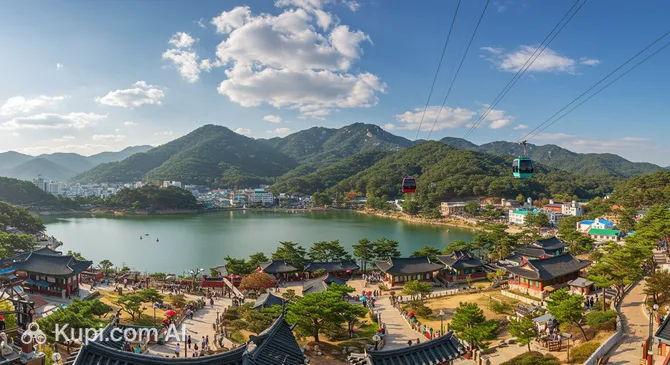
One of the most iconic spots is Cheongpungho Lake and the Cheongpung Cultural Heritage Complex located on its shore. This artificial lake, surrounded by mountains, is striking in its beauty and serenity. The complex itself is an open-air museum featuring traditional Korean houses and artifacts rescued from villages that were submerged during the dam's construction. It is a wonderful opportunity to immerse yourself in the region's history and enjoy magnificent views.

No less remarkable is the Uirimji Reservoir, considered one of the oldest irrigation facilities in Korea, with a history spanning hundreds of years. Today, it is a popular recreation spot for locals and tourists, featuring a well-kept park, picturesque pavilions such as Yeonghojeong and Gyeonghoru, and opportunities for peaceful walks. It is particularly beautiful in spring when the cherry blossoms are in bloom.

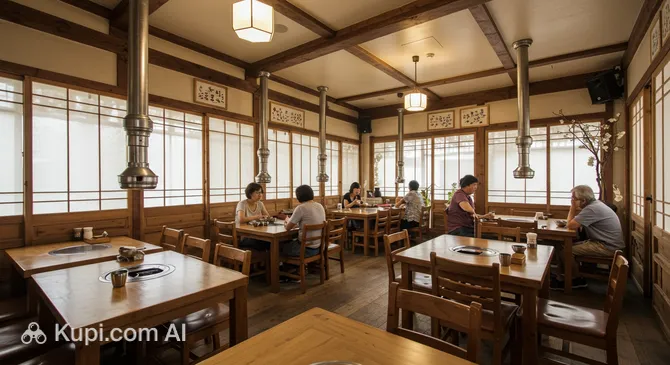
To experience the local food scene, stop by Dongsil Bunsik. This restaurant-category establishment is popular among locals and offers authentic Korean "bunsik" snacks at affordable prices. Here, you can try various dishes that provide insight into everyday Korean food and allow for a quick and tasty snack while exploring the city.

Deongsil Bunsik. Illustration.
Source: Kupi.com AI

Traveler photos:

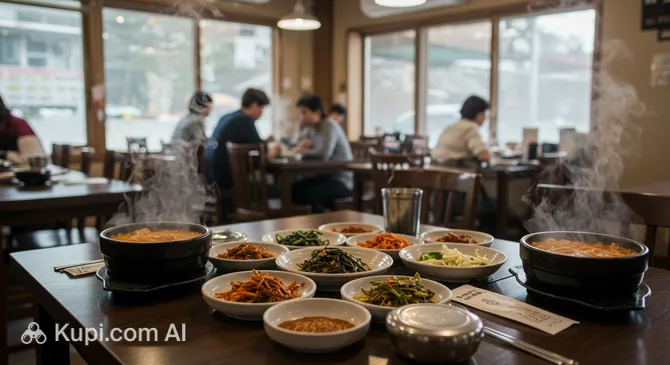
Another interesting gastronomic spot in Jecheon is Yongcheon Makguksu. This restaurant specializes in makguksu—traditional Korean buckwheat noodles, usually served cold. This refreshing and filling dish is especially popular during the warmer months. A visit here will allow you to taste one of the signature dishes of regional cuisine.

Yongcheon Makguksu. Illustration.
Source: Kupi.com AI

Traveler photos:

Local Cuisine

The cuisine of Jecheon is a true discovery for fans of healthy eating and authentic Korean traditions. It is no coincidence that this city is called the "City of Health," as local dishes are famous for using fresh, natural ingredients and medicinal herbs. The gastronomic scene here offers a unique combination of flavor and health benefits, attracting tourists eager to experience true Korean culinary arts.

Be sure to try Jecheon's signature dish—"yeondae-gui". This is grilled eel marinated in local herbs and cooked over charcoal, giving it a unique aroma and delicate taste. You should also pay attention to dishes made from wild plants, such as wild spinach and bamboo, gathered from the surrounding hills. Don't miss the chance to enjoy fragrant herbal soups, traditional Korean dumplings (mandu) with vegetable fillings, and, of course, the famous Korean barbecue seasoned with fresh local spices.

Beverages hold a special place in Jecheon's gastronomy. Amazing teas and infusions are prepared here from rare herbs collected in the mountains surrounding the city. These drinks are not only delicious but also possess healing properties, with many being exclusive to this region. While the focus is on non-alcoholic healthy drinks, traditional Korean alcoholic beverages such as soju or makgeolli can also be found in restaurants to perfectly complement your meal.

Dining culture in Jecheon is closely linked to nature and product freshness. Locals and tourists often visit farmers' markets in the city center, where you can buy the freshest vegetables, fruits, and, of course, the famous medicinal herbs. At these markets, as well as during food festivals, you can immerse yourself in the street food atmosphere, trying various snacks—from "hotteok" (sweet pancakes) to savory seafood dishes. The city's restaurants offer both traditional lunches and more modern interpretations of Korean cuisine. For example, to get acquainted with local specialties, you can stop by Dongsil Bunsik, known for its authentic dishes.

Deongsil Bunsik. Illustration.
Source: Kupi.com AI

Traveler photos:

Gastronomic Jecheon attracts tourists with its focus on healthy, natural food and the preservation of ancient culinary traditions. By trying specialties like the fragrant "yeondae-gui" or healing herbal soups, you will not only enjoy new flavors but also touch the culture of a region where health care is an integral part of everyday life. This is a unique experience for those seeking more than just food—a true gastronomic journey.

Travel Tips

Planning a trip to Jecheon? Wonderful! This cozy city in South Korea, surrounded by picturesque nature, will give you unforgettable impressions. To make your journey smooth and comfortable, we have prepared some practical tips.

  1. Clothing and Essentials: Consider the season. In summer (June–August), Jecheon is hot and humid—bring light, breathable clothing. In winter (December–February), it is cold and snow is possible—warm clothes are necessary. Spring and autumn are the most comfortable seasons. Be sure to bring comfortable shoes for walking around the city and its surroundings, such as near Cheongpungho Lake. Don't forget an adapter for electrical appliances (South Korea uses Type F sockets, 220V) and sunscreen, especially in summer. When visiting temples, it is advisable to choose modest clothing that covers shoulders and knees.
  2. Transport: The main form of public transport in Jecheon is buses—they have an extensive network of routes. Taxis are also available and relatively inexpensive; you can try calling one via the Kakao T app (if it works with your SIM card). Renting a car can be useful if you plan to actively explore the scenic surroundings, such as Woraksan National Park, but it is not essential for getting around the city itself. Note that an International Driving Permit is required for rentals.
  3. Finances: The national currency is the South Korean Won (KRW). You can exchange money at banks or authorized exchange offices; rates at the airport are usually less favorable. Credit and debit cards (Visa, Mastercard) are accepted in most shops, cafes, and hotels, but it is always useful to have some cash on hand for small purchases at markets or in small establishments. Not all ATMs work with foreign cards—look for those marked "Global" or with international payment system logos. Tipping in South Korea is not expected and may be met with surprise. A rough daily budget (excluding accommodation) is from 70,000 to 150,000 won.
  4. Health and Safety: Jecheon, like South Korea in general, is considered a very safe city. However, standard precautions, such as keeping an eye on personal belongings, are still wise. Pharmacies (약국 - "yak-guk") are easy to find, but not all are open 24/7. Be sure to get medical insurance before your trip, as medical services for foreigners can be expensive. In emergencies, dial 119 (ambulance and fire) or 112 (police).
  5. Communication: The official language is Korean. English may be spoken among young people and in the tourism sector, but not everywhere, especially in cities smaller than Seoul. Learn a few basic phrases: "Annyeong-haseyo" (Hello), "Gamsa-hamnida" (Thank you), "Joesong-hamnida" (Sorry). For easier navigation and translation, download the Naver Maps or KakaoMap apps (Google Maps has limitations in South Korea) and Papago. You can buy a local SIM card or rent a portable Wi-Fi router at the airport or at mobile shops in the city. Free Wi-Fi is often available in cafes, hotels, and public places.
  6. Local Etiquette: When greeting someone, especially elders, it is customary to give a slight bow. It is best to receive or pass items (e.g., business cards, money) with two hands or with the right hand supported by the left at the wrist. In public places, especially on transport, try not to talk too loudly. If offered a drink, it is considered impolite to pour your own, especially if you are younger.
  7. What to Avoid: Try not to write people's names in red ink, as this is associated with the deceased. Also, avoid sticking your chopsticks vertically into a bowl of rice—this resembles ritual incense at funerals and is considered bad manners. Do not point at people with your finger; it is better to use an open palm.
  8. Jecheon Special Feature: The city is famous for its healing nature and traditional medicine. Be sure to set aside time for a walk along the shore of the scenic Cheongpungho Lake or visit one of the local markets where you can find medicinal herbs and local delicacies. If your trip falls in August, check the dates for the Jecheon International Music & Film Festival (JIMFF)—it is a vibrant cultural event.

We hope these tips help you better prepare for your trip and enjoy every moment in Jecheon. This city is sure to charm you with its hospitality and beauty!

Entertainment & Nightlife

Jecheon, a charming city in Chungcheongbuk-do province, offers its guests not only picturesque landscapes and cultural attractions but also opportunities for pleasant evening relaxation. While the nightlife here may not be as extensive as in Seoul or Busan, you will find cozy places to unwind after a busy day.

Main evening activities in Jecheon are generally concentrated in the central areas of the city and near major shopping streets. Here, you can find a variety of establishments to suit any taste—from traditional Korean pubs to modern bars. The atmosphere is usually more relaxed and oriented towards locals, allowing for a deeper immersion into the everyday life of a Korean city.

Fans of Korean culture will appreciate the local "hofs"—beer bars that serve draft beer and various snacks, such as "chimaek" (fried chicken and beer). This is a great place for informal socializing with friends. "Noraebangs" (karaoke rooms) are also popular, where you can have fun singing your favorite songs; this is an especially popular pastime among Koreans of all ages. While Jecheon may not have large nightclubs with world-famous DJs, there are small dance floors and lounge bars featuring local music. Unlike larger cities, bustling night markets are less common in Jecheon, but the evening dining scene is represented by numerous restaurants and cafes. For dinner before your evening program or for a late-night meal, consider places like Dongsil Bunsik, which offers local cuisine, or Yongcheon Makguksu, known for its traditional noodles. These restaurants will help you get acquainted with the region's gastronomic traditions.

The evening atmosphere in Jecheon is typically quite relaxed and friendly. The crowd is mostly local, which adds to the authenticity. Most establishments do not require a strict dress code; casual, comfortable clothing is appropriate. Bars and restaurants usually stay open until late evening, and some "noraebangs" may remain open until the early morning, especially on weekends. The best time to visit is after 8:00 PM–9:00 PM when the city comes alive.

Regarding practical tips, average prices in Jecheon's establishments are generally lower than in South Korea's capital cities. Taxis are the most convenient way to get around the city at night. Taxi-hailing apps like Kakao T are popular in South Korea, making the booking process quick and easy. You can also hail a taxi on the street, especially in busy areas.

Jecheon is considered a very safe city, as is South Korea in general. However, as with any other place, it is worth following basic precautions, especially at night: keep an eye on your belongings and avoid poorly lit or deserted areas. Central districts where the nightlife is concentrated are usually well-lit and relatively busy.

During the day, Jecheon also offers plenty to do. You can visit local parks for walks, explore cultural sites, or stop by small museums to learn more about the region's history and traditions. This allows for a complete impression of the city, combining daytime exploration with evening relaxation.

Parks & Museums

Jecheon, nestled in Chungcheongbuk-do province, offers its guests a harmonious blend of natural beauty and cultural heritage. This city is a real find for those seeking a quiet holiday in nature and wishing to experience the history and traditions of South Korea.

Parks and Natural Areas—Oases of Tranquility:

One of Jecheon's main gems is Uirimji Park. This is not just a picturesque park, but a place with a rich history, centered around the ancient artificial reservoir of the same name, considered one of the oldest in Korea. Strolling along its shores, past well-tended alleys and pavilions, brings peace and beautiful views. Here you can enjoy the silence, feed the ducks, and simply relax from the city bustle. For tourists, this place is interesting for its historical significance and the chance to see a unique hydraulic engineering site of antiquity surrounded by beautiful nature.

Not far from the city lies the scenic Cheongpungho Lake, formed as a result of the construction of the Chungju Dam. The lake's surroundings offer magnificent landscapes, green-covered hills, and fresh air. Boat trips are popular here, offering breathtaking views of the lake and the surrounding mountains. This is an excellent spot for photography enthusiasts and those who want to appreciate the scale of Korean nature.

For fans of mountain trekking and untouched nature, the proximity of Woraksan National Park is worth noting. Although the park itself is vast, part of it is accessible from the Jecheon area, offering various hiking trails leading to peaks with panoramic views and secluded temples.

Museums and Cultural Heritage—Diving into History:

Getting to know the region's culture is impossible without visiting the Cheongpung Cultural Heritage Complex. This is a type of open-air museum where traditional Korean houses and artifacts from villages submerged during the dam construction have been collected and carefully preserved. Walking through the complex, you can literally travel back in time and see how Koreans lived several centuries ago. This place is especially interesting for those who want to better understand Korean architecture and daily life.

Jecheon is also known as a center for traditional Korean medicine. To learn more about this aspect of culture, visit the Jecheon Oriental Medicine Expo Park. Here, you can not only see exhibits dedicated to medicinal herbs and treatment methods but also participate in interactive programs and purchase natural products. This is a unique opportunity to experience ancient knowledge and wellness practices.

Historical Touches and Architectural Monuments:

In addition to large complexes, other evidence of a rich history can be found in Jecheon and its surroundings. For example, the Uirimji Reservoir itself is a historical monument. An observant traveler may also discover small temples or commemorative steles that tell the stories of past events.

Authentic Experiences and Tips:

To feel the true spirit of Jecheon, step off the beaten tourist path. Explore the lesser-known walking trails around Cheongpungho Lake—you might find your own secret corner with a stunning view. Also, don't miss the chance to visit local markets where you can see the variety of medicinal herbs the region is famous for and taste authentic Korean dishes.
Getting Around

When planning your travels around Jecheon, it's important to know that the public transport system primarily focuses on an extensive bus network. There is no subway or tram system in the city, so buses are the main way to get around, connecting various city districts and its picturesque surroundings. Routes cover most attractions and key points, making travel quite convenient.

The most convenient and common way to pay for fares is by using a T-money transport card (or similar cards like Cashbee). These cards can be purchased and topped up at most 24-hour convenience stores (known as pyeon-ui-jeom, 편의점), such as CU, GS25, and 7-Eleven, as well as at special machines at some bus stops or stations for intercity buses. Paying the driver in cash is also possible, but it is recommended to have the exact amount, as change may be limited. The fare on city buses is usually small and fixed within the city, or depends on the distance for suburban routes.

When using a transport card, it is important to remember to tap it against the validator both when entering the bus and when exiting. This is necessary for the correct calculation of the fare, especially if the tariff depends on distance, and also to receive a discount when transferring to another bus within a certain time (usually 30 minutes). Buses in Jecheon, as in South Korea in general, run quite frequently and on schedule. Generally, services start early in the morning (around 6:00–7:00 AM) and continue until late evening (around 10:00–11:00 PM), but exact schedules for specific routes are best checked at stops or via online apps (such as Naver Maps or KakaoMap, which provide real-time transport information).

In addition to buses, taxis are always available in Jecheon. They can be hailed on the street, found at designated stands, or called via an app (such as Kakao T). Taxis offer a faster and more comfortable way to travel, especially with luggage or at late hours, but the cost will be higher compared to the bus. Bicycle rentals may be available in some park areas or tourist spots, but are not part of the city's main transport system. Car sharing is less common for short-term use by tourists in cities of this size.

Accommodation

In the city of Jecheon, travelers will find a variety of accommodation options to suit different preferences and budgets. Choices range from budget-friendly guesthouses and motels to more comfortable mid-range hotels. You can also consider renting an apartment if you prefer more independence and a home-like feel during your trip.

When choosing a place to stay in Jecheon, look for areas with good transport accessibility and proximity to the main sites you are interested in. Central districts or locations near major transport hubs usually offer convenient access to attractions, restaurants, and shops. Although specific popular tourist districts are not highlighted, base your choice on your plans and city routes.

While the provided information does not include specific examples of famous hotels, Jecheon offers a standard set of hotel services. You will be able to find small family-run hotels as well as larger hotel complexes with various amenities. It is recommended to check reviews and ratings on popular booking platforms to find the best option.

When planning your trip, especially during the peak tourist season or local festivals, it is recommended to book accommodation in advance. This will help you not only guarantee availability but also potentially secure better prices. Early booking gives you more choice and peace of mind before your journey.

The price range for accommodation in Jecheon can vary from budget to mid-range. For searching and booking, it is convenient to use well-known online platforms and aggregators that allow you to compare prices and conditions. Some hotels also offer the option of direct booking through their websites, which can sometimes provide additional discounts or special offers.

Nearby Cities

For those who want to explore the surroundings, Jecheon serves as an excellent starting point for day trips to several interesting nearby locations:

Among the nearest cities worth visiting are Wonju, Cheongju, and Icheon. Wonju, located just 33 km away, attracts visitors with its picturesque parks, such as Chiaksan National Park, and interesting museums like the Hanji Museum. It is a great place for nature lovers and cultural recreation. Cheongju, 85 km away, is known for its historical landmarks; here you can visit the ancient Sangdangsanseong Fortress or the Cheongju National Museum to delve deeper into Korean history. Icheon, approximately 69 km from Jecheon, is famous as a center for Korean ceramics—be sure to visit the Icheon Ceramics Village, where you can not only see the masters' work but also try your hand at creating something yourself.

CityPopulationDistance
Chungju211 00529 km
Pyeongchang9 94031 km
Wonju330 85433 km
Mungyeong71 86349 km
Yeongju109 26651 km

These nearby destinations provide insight into the diverse culture and landscapes of the region.

Shopping & Souvenirs

Shopping in Jecheon offers a taste of local flavor and everyday Korean trade rather than a hunt for global brands. The city is not famous for huge shopping malls, but here you can find authentic goods, especially those related to traditional Korean culture, local products, and the crafts of Chungcheongbuk-do province. It is a great place for those looking for something special who want to take home a piece of real Korea.

Main shopping spots in Jecheon are likely concentrated in the central part of the city. Stroll through the main streets, where you will find a variety of shops: from small boutiques with locally-made clothing and accessories to popular Korean cosmetic brands and home goods stores. This is where the city's daily commercial life bustles.

While Jecheon cannot boast large multi-story shopping malls like Seoul, you can find small department stores or shopping complexes offering a decent selection of goods. It's also worth looking at larger supermarkets, which often have departments for clothing, electronics, and household items, representing a convenient option for comprehensive shopping.

A must-visit for shopping fans and those seeking authentic experiences is a traditional market (시장, "sijang") in Jecheon. This is the heart of local trade, where you can find the freshest products, local delicacies, traditional Korean snacks, clothing, textiles, and various household goods. Markets are not just for shopping, but also a great opportunity to dive into the everyday life of Koreans and perhaps find unique handmade souvenirs.

For souvenirs from Jecheon, consider items that reflect the region's culture and nature. Look for local agricultural products, such as ginseng (if characteristic of the region), honey, traditional Korean sweets, or tea sets. Local artisan products, such as small ceramics, textiles, or accessories with Korean symbols, might also be of interest. Don't forget Korean cosmetics, which are famous for their quality.

Most shops in Jecheon usually operate from 10:00–11:00 AM to 8:00–9:00 PM. Traditional markets may open earlier and have a more flexible schedule. Regarding payment, bank cards (Visa, Mastercard) are very common in South Korea and are accepted almost everywhere. Nevertheless, it is always useful to have some cash (Korean Won, KRW) on hand, especially for purchases at markets or in small shops.

For foreign tourists in South Korea, a Tax Free system is in place. Look for shops with corresponding signs ("Tax Free" or "Tax Refund"). When making a purchase of a certain amount (usually from 30,000 won in one shop), you can ask for a special tax refund receipt. The refund can be obtained at the airport before departure or at special refund points in the city. Keep your receipts and documents to process the refund.

Reached the end of the page?

That means the route is fully explored