Support

Chuncheon

About

Chuncheon is a wonderfully cozy and picturesque city located in the heart of Gangwon Province in South Korea. Its unique charm is created by its location between green hills and the blue waters of the Soyang and Namhan Rivers. The city is literally surrounded by nature: majestic mountains, dense forests, and crystal-clear lakes make it a true oasis of tranquility.
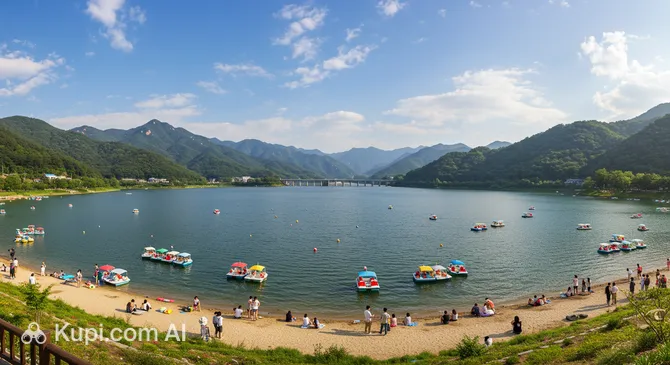
Chuncheon. Illustration.
Source: Kupi.com AI

With a population of about 281,596, Chuncheon is the administrative center of the province and attracts those seeking a relaxing vacation, family entertainment, and gastronomic discoveries. Here, a steady pace of life, traditional Korean flavor, and modern infrastructure blend harmoniously. Guests can expect cozy streets, modern parks, and many welcoming cafes.

The city is famous for its friendly atmosphere, where every traveler feels like a welcome guest. Key features attracting tourists are its stunning natural beauties—from lakes and rivers to the surrounding mountains, offering opportunities for leisurely walks and active recreation. Chuncheon is also a center for gastronomic discoveries, where you can try authentic Korean cuisine, including the famous local dish dak-galbi, and a place where local traditions are carefully preserved, introducing them to guests through various cultural events and themed entertainment.

If you are looking for inspiration in nature, want to enjoy authentic Korean cuisine, and learn more about local traditions, Chuncheon will be a real find for you. This city offers a unique combination of natural beauty, a rich cultural life, and heartfelt Korean hospitality, inviting everyone to discover its unique charm.

You can find more interesting facts on the history of the city of Chuncheon page.

Weather Overview

The climate in Chuncheon features a clear change of seasons. Winters (December–February) are cold here, with an average January temperature of about -3.6°C and minimal precipitation (around 1 mm). Spring (March–May) brings gradual warming: if the average temperature in March is +5.7°C, it reaches +16.1°C by May, and precipitation increases moderately. Summer (June–August) in Chuncheon is warm and humid. Average temperatures in July and August are around +24.4°C, and these are the rainiest months of the year (up to 9 mm of precipitation and 18 rainy days). Autumn (September–November) is characterized by gradual cooling and decreasing precipitation, though September often pleases with comfortable weather and an average temperature of +19.8°C.

Overall, when planning a trip, expect warm and humid summers with frequent rain in Chuncheon, especially in July and August, and cold, fairly dry winters when air temperatures consistently stay below freezing.

You can find more detailed information about climatic features and monthly weather forecasts on the Climate of Chuncheon page.

Average monthly temperature

Average monthly precipitation

Interesting Facts

In addition to its famous landmarks and picturesque scenery, Chuncheon holds many amazing stories and features that make it truly unique. The city, known for its natural beauty and cultural events, can surprise even the most seasoned traveler.

LEGOLAND Korea. Illustration.
Source: Kupi.com AI

Traveler photos:

  • A song that became a symbol: The city is immortalized in the popular Korean song "Soyanggang Cheonyeo" ("Soyang River Maiden"). This touching ballad about a girl who sacrificed her dream for her family is so beloved by Koreans that a monument to her was erected in Chuncheon in 2004, making the song the unofficial anthem of the city.

  • World capital of mime: Every year, Chuncheon transforms into a giant stage thanks to the Chuncheon International Mime Festival. It is not just classical mime performances but a vibrant event combining street art, theater, and music, attracting artists and spectators from all over the world.

  • An island theme park: Chuncheon is home to one of South Korea's most unusual theme parks—LEGOLAND Korea Resort. Its uniqueness lies in the fact that it is built entirely on Hajungdo Island, in the middle of a river.

  • A city of lake walks and inspiring views: Chuncheon is often called the "city of lakes" because of its abundance of picturesque bodies of water, such as Lake Uiam. One of the modern highlights is the Soyang River Skywalk, a walking bridge with a glass floor offering breathtaking views of the river and the surrounding nature.

How to Get There

When planning a trip to this picturesque corner of Gangwon Province, it is important to consider logistics in advance. You can study all the ways to get to the city of Chuncheon in detail to choose the best route. Although the city itself does not have its own airport, it has excellent transport accessibility thanks to its proximity to the country's major air hubs and a developed railway network.

Most international tourists arrive through Incheon International Airport (IATA: ICN), which is the main air gateway to South Korea. It is located near Seoul, about 122 km from Chuncheon. The journey by car or direct limousine bus will take about 3 hours and 20 minutes. This is the most convenient option for those flying from afar, as the airport accepts flights from all over the world and offers the highest level of service.

For domestic flights or flights from neighboring Asian countries, Gimpo International Airport (IATA: GMP), which also serves the capital region, is an excellent alternative. It is closer to Chuncheon—at a distance of about 89 km—and the journey from there will take approximately 2 hours and 30 minutes. Travelers can also consider arriving at Cheongju International Airport (IATA: CJJ), located 130 km from the city, or Daegu International Airport (IATA: TAE) if you are planning a trip through the southern part of the country.

Below is summary information on the nearest South Korean airports convenient for reaching the region:

AirportPassenger trafficDistance
Wonju Airport205 27953 km
Gimpo International Airport23.0 mln89 km
Incheon International Airport71.2 mln122 km
Cheongju Airport4.6 mln131 km
Pyongyang Sunan International Airport120 000233 km

Railway communication is one of the most popular ways to get to Chuncheon. The city has stations (e.g., Chuncheon and Namchuncheon) where Gyeongchun Line trains (subway) and ITX-Cheongchun high-speed trains from Seoul arrive. However, if you are traveling from other regions of Korea on KTX high-speed trains, you will need to transfer at major hub stations.

One of the key transit points is Gwangmyeong Station (IATA: XWU). It is located only 90 km from Chuncheon and serves as an important hub for KTX trains; a car trip from the station to the city will take about 2.5 hours. For travelers heading from the south of the peninsula, Daejeon Station is an important hub, located 172 km from the destination.

List of major railway stations convenient for transfers when traveling to Chuncheon:

StationPassenger trafficDistance
Gwangmyeong Station12.4 mln90 km
Daejeon Station18.6 mln173 km
Dongdaegu Station20 mln236 km

Main Attractions

Chuncheon, surrounded by picturesque lakes and mountains, offers tourists many interesting places to visit. This city is known not only for its natural beauty but also for its unique entertainment and cultural sites.

One of the most popular places, especially for families with children, is LEGOLAND Korea Resort. This theme park, entirely dedicated to the famous LEGO building blocks, offers rides, impressive brick models, and interactive zones that will provide unforgettable experiences for both children and adults. You can spend a whole day here exploring different themed worlds and creating your own LEGO masterpieces.

LEGOLAND Korea. Illustration.
Source: Kupi.com AI

Traveler photos:

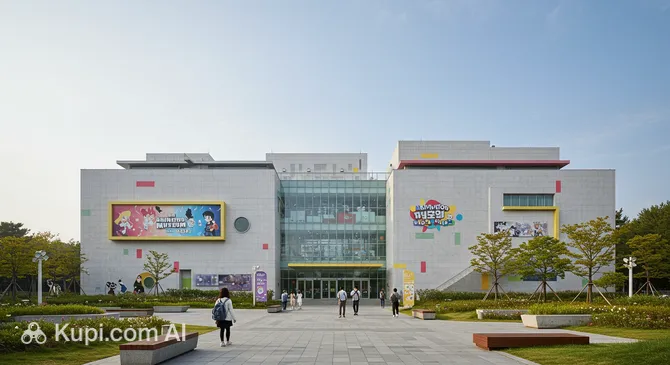
For art and animation enthusiasts, the Animation Museum is a must-visit. This unique place immerses you in the history of Korean and world animation, showcasing various techniques for creating cartoons, from classic hand-drawn to modern computer graphics. The museum also hosts exhibitions, workshops, and screenings, making it interesting for visitors of all ages who want to learn more about the magical world of animation.

Animation Museum. Illustration.
Source: Kupi.com AI

Traveler photos:

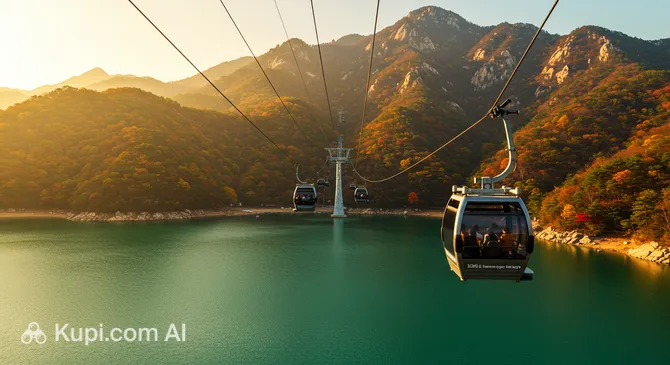
If you want to enjoy breathtaking views of the city and the surrounding scenery, head to the Samaksan Mountain Lake Cable Car. Ascending Mount Samaksan in a comfortable cabin will open up panoramic views of Lake Uiamho and city blocks. At the top of the mountain, there are observation decks and hiking trails, perfect for walking and photography.

Samaksan Cable Car. Illustration.
Source: Kupi.com AI

Traveler photos:

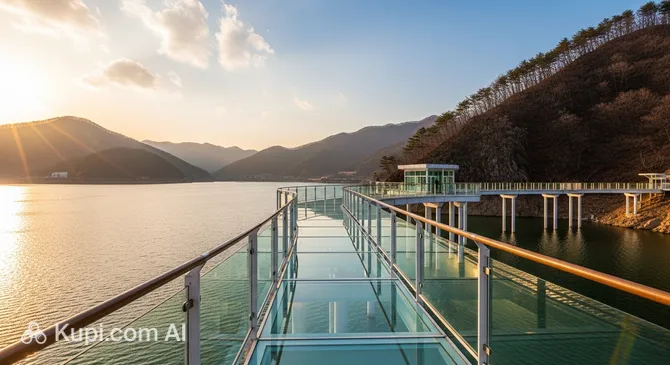
Another point of interest for those seeking beautiful views is the Uiamho Lake Skywalk. This glass observation platform, protruding over the water, creates the feeling of walking on air. It offers a magnificent view of the lake and surrounding mountains, especially impressive at sunset. This is a great place to take spectacular photos and feel at one with nature.

Uiamho Skywalk. Illustration.
Source: Kupi.com AI

Traveler photos:

In addition to these attractions, Chuncheon offers other interesting places, such as the Chuncheon National Museum, where you can learn about the history and culture of the region, or the Gangwon-do Provincial Flower Garden for nature lovers.

Local Cuisine

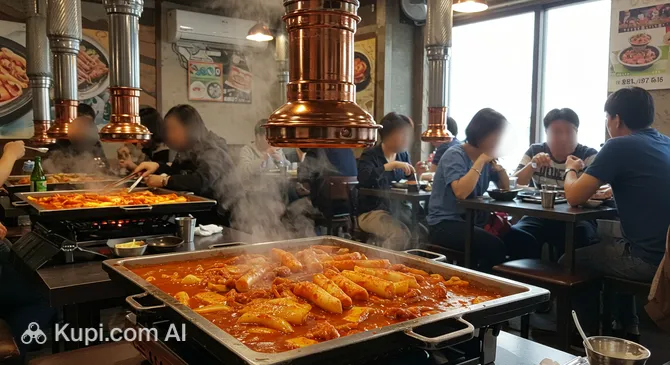
The gastronomic world of Chuncheon is a true discovery for foodies, and its trademark is undoubtedly dak-galbi. This mouth-watering dish of stir-fried chicken with cabbage, sweet potatoes, tteok rice cakes, and other vegetables is generously seasoned with spicy gochujang sauce. It is believed that this recipe was invented in Chuncheon, and trying it here is a mandatory part of the itinerary. An entire street, Myeongdong Dakgalbi Street, is dedicated to this culinary masterpiece, where numerous restaurants compete in the art of its preparation. One such popular spot is 1.5 Dakgalbi.

1.5 Dakgalbi. Illustration.
Source: Kupi.com AI

Traveler photos:

Another iconic dish of the region is mak-guksu. This is cold buckwheat noodles served with a spicy sauce, fresh vegetables, and sometimes an egg. Mak-guksu is perfectly refreshing on a hot day and offers a completely different taste experience compared to dak-galbi. Fish lovers will also find something to enjoy, as freshwater fish from surrounding waters is skillfully prepared in local establishments.

As for drinks, as in all of South Korea, traditional alcoholic beverages like soju and rice wine (makgeolli) are popular here. Among non-alcoholic options, it is worth trying various Korean teas, such as those based on ginseng or yuzu, as well as refreshing fruit juices and drinks. If you want to explore the world of alcoholic beverages more broadly, you can visit the World Liquor Museum.

Food culture in Chuncheon is diverse. Locals and tourists love to gather in specialized restaurants, especially on Myeongdong Dakgalbi Street. City markets and street food courts offer a great opportunity to try fresh farm products and a variety of Korean snacks. In addition, Chuncheon regularly hosts gastronomic festivals where you can not only enjoy local cuisine in all its diversity but also participate in culinary workshops.

Travel Tips

Planning a trip to charming Chuncheon, the city of lakes and romance in South Korea? To ensure your trip goes smoothly and leaves only pleasant impressions, we have prepared some practical tips to help you feel more confident.

  1. Clothing for the season and essentials: The climate in Chuncheon is continental: summers are hot and humid, and winters are cold and snowy. In summer, choose light, breathable clothing, a hat, and sunscreen. In winter, you cannot do without a warm jacket, hat, gloves, and thermal underwear. In the transition seasons (spring and autumn), the weather can be changeable, so layering is very helpful. Make sure to bring comfortable shoes for walking around the city and its picturesque surroundings, as well as a universal power adapter (South Korea uses Type F plugs).
  2. Getting around the city: The main form of public transport in Chuncheon is buses, which have a fairly developed route network. Taxis are also available; they can be hailed on the street or ordered through popular local apps like Kakao T. Renting a car may be justified if you plan to actively explore the beauties of Gangwon Province, but it is not strictly necessary for getting around the city itself. For trips to other cities, such as Seoul, the ITX-Cheongchun high-speed train is very convenient.
  3. Money matters: The official currency of South Korea is the South Korean Won (KRW). Credit and debit cards from international payment systems (Visa, Mastercard) are accepted almost everywhere, especially in large stores, restaurants, and hotels. Nevertheless, it is recommended to always have some cash for small expenses, such as at street markets or small family establishments. ATMs are quite common, but before your trip, check with your bank for terms of withdrawing cash abroad and possible fees. Approximate daily budget: When planning expenses in Chuncheon, expect to spend between 50,000 and 70,000 won per person per day for a budget trip (eating in inexpensive cafes, public transport, free attractions). If you prefer more comfort, mid-range restaurants, and paid entertainment, the budget can be 100,000–150,000 won or higher. Note that accommodation costs are usually not included in this amount. Tipping culture is not common in South Korea.
  4. Health and safety: Pharmacies (in Korean 약국 - "yak-guk") are easy to find in Chuncheon, but there may not be many 24-hour ones, so it's better to carry a basic set of medications. If medical assistance is needed, tourists can go to local hospitals; the emergency number is 119. Chuncheon, like South Korea in general, is considered a very safe city. Follow standard precautions: keep an eye on personal belongings in crowded places and avoid walking in poorly lit and deserted areas late at night.
  5. Language and communication: The official language is Korean. English may be understood in tourist areas, hotels, and some restaurants catering to foreigners, but it is not universal. Learning a few basic phrases in Korean (e.g., "annyeonghaseyo" for hello, "kamsahamnida" for thank you) shows respect for the local culture and will be appreciated. For ease of navigation and communication, consider buying a local SIM card or renting a pocket Wi-Fi router. Free Wi-Fi is often available in cafes, shopping centers, and public spaces. It is extremely important to install local map apps like Naver Maps or KakaoMap on your smartphone, as Google Maps has limited functionality for walking and driving navigation in South Korea.
  6. Local etiquette: A greeting is usually accompanied by a slight bow; the depth of the bow depends on the status and age of the person. When passing or receiving items (e.g., money, business cards), it is customary to use both hands or the right hand supported by the left hand at the wrist or elbow—this is a sign of respect. Show particular respect to older people. In public places, especially on transport, try to speak quietly and avoid excessive noise.
  7. What to avoid: It is strictly not recommended to stick chopsticks vertically into a bowl of rice, as this resembles incense used during funeral rituals and is considered a bad omen. Also, try not to write people's names in red ink, as red is sometimes associated with death in Korean culture.
  8. A unique feature of Chuncheon: The city is rightfully proud of its signature dish—dak-galbi (닭갈би). This is spicy, stir-fried chicken fillet with cabbage, onions, sweet potatoes, and other vegetables, seasoned with gochujang paste. Be sure to visit one of the many "dak-galbi streets" and enjoy this delicious dish. Additionally, Chuncheon is often called the "city on the lake," so don't miss the chance to walk along the shores of Lake Uiamho or Soyangho to enjoy the beautiful scenery.

We hope these tips help you better prepare for your trip to Chuncheon and get the most out of visiting this scenic and hospitable Korean city. We wish you an unforgettable journey and vivid impressions!

Entertainment & Nightlife

Chuncheon, known for its picturesque landscapes and the famous "dak-galbi" dish, also offers guests a variety of options for evening and nightlife. While the nightlife here may not be as large-scale as in Seoul, the city has its own cozy charm and plenty of places to have fun after sunset.

The main concentration of evening venues is in the Myeongdong district of Chuncheon (not to be confused with the district of the same name in Seoul), which is famous for its numerous dak-galbi restaurants. Many of these establishments stay open late, turning into lively places for dinner with friends, often accompanied by soju or beer. You can also find excitement in the areas adjacent to Kangwon National University, where young people gather. Here you will find various "hofs" (Korean pubs), small bars, and, of course, the ubiquitous "noraebangs" (karaoke rooms). It is worth noting that Chuncheon is not a city of large night clubs or massive concert venues in the style of megacities. The nightlife here is more intimate and focused on socializing, delicious food, and drinks in a cozy atmosphere. There are also few traditional large night markets operating late into the night; however, the Myeongdong area, with its many late-night restaurants, offers a similar atmosphere to a lively evening gastronomic hub.

The atmosphere in most of Chuncheon's venues is quite casual and friendly. There is usually no dress code; comfort is key. The crowd is mixed: from students to locals and tourists. Restaurants and bars usually start filling up towards the evening, especially on weekends. Peak activity occurs between 8:00 PM and midnight, although some places may stay open longer.

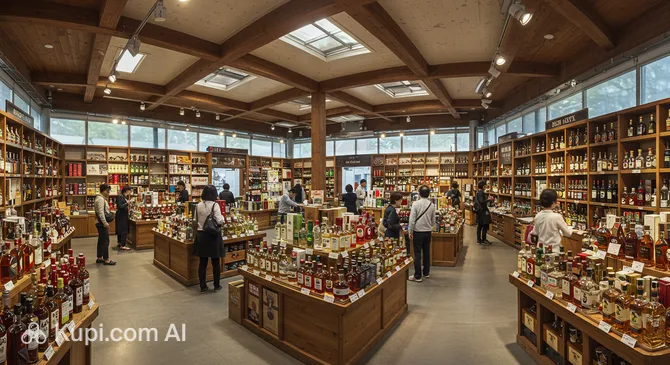
Among specific places to enjoy the evening, the restaurants specializing in dak-galbi are an integral part of the city's gastronomic and social life. For example, you can visit 1.5 Dakgalbi or Namchuncheon Dakgalbi to try the local delicacy in an authentic setting. For connoisseurs of beverages, an interesting place is the World Liquor Museum, where you can get acquainted with a wide range of alcoholic products.

Practical tips: The best time to visit bars and restaurants is after 7:00 PM. Average prices for food and drinks in Chuncheon are generally lower than in South Korea's major megacities. At night, the main form of transport is taxi. It is recommended to use taxi-hailing apps (e.g., Kakao T) or ask the establishment's staff for help calling one. The city is generally considered safe for night walks, especially in busy areas, but always observe common precautions.

World Liquor Market. Illustration.
Source: Kupi.com AI

Traveler photos:

During the day, Chuncheon also offers many interesting activities. You can visit the Chuncheon National Museum to learn more about the history and culture of the region, or spend time outdoors at Gongjicheon Sculpture Park. For those seeking unique experiences, there is LEGOLAND Korea Resort and the Animation Museum.

Parks & Museums

Chuncheon, surrounded by picturesque lakes and mountains, offers guests not only natural beauty but also a rich cultural heritage. Here you will find peaceful parks for relaxation and fascinating museums telling stories of the city's history and creative spirit.

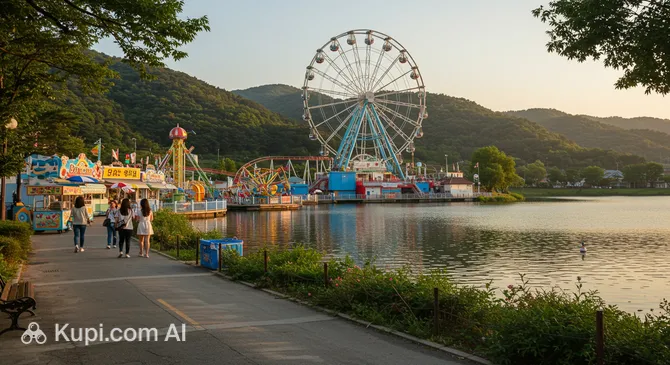
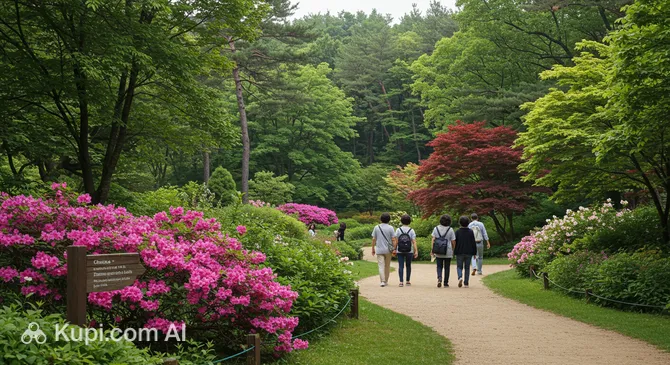
Among the green oases of Chuncheon, the Gongjicheon Sculpture Park stands out. This is a popular spot for walking and relaxing by the water, known for its sculptures and scenic views of the lake. Here you can rent a boat or simply enjoy the calm atmosphere. Another gem is the Gangwon-do Provincial Flower Garden, which houses a rich collection of plants from the region. It is an ideal place for nature lovers wishing to get acquainted with the flora of South Korea and spend time in silence. For spectacular panoramic views, visit the Uiamho Lake Skywalk, which offers a stunning view of the water's surface and surrounding landscapes.

Gongjicheon Amusement Park. Illustration.
Source: Kupi.com AI

Traveler photos:

Gangwon Provincial Arboretum. Illustration.
Source: Kupi.com AI

Traveler photos:

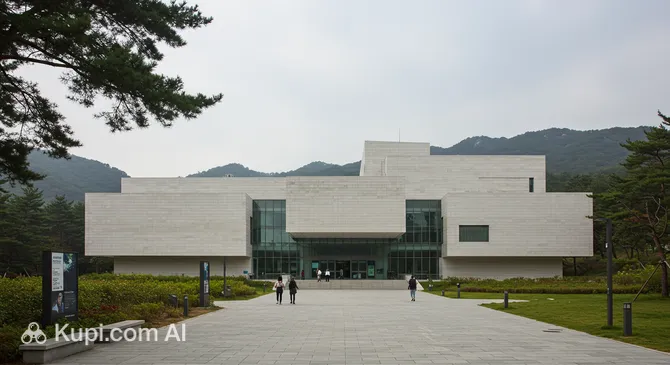
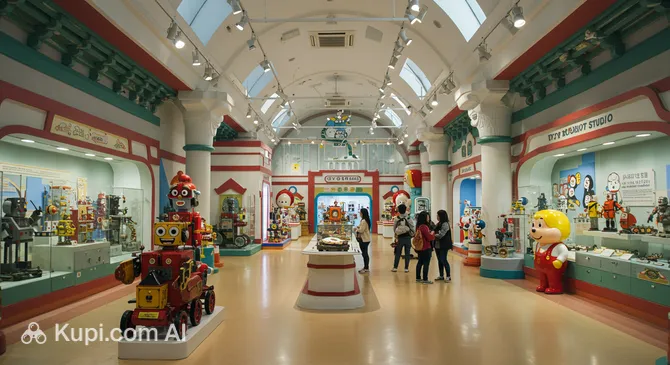
A cultural program in Chuncheon would not be complete without visiting its museums. The Chuncheon National Museum offers a deep dive into the history and culture of Gangwon Province, presenting artifacts from antiquity to the present day. Special attention should be paid to the Animation Museum, which will be of interest to both children and adults. It is dedicated to the history and development of Korean and world animation, offering interactive exhibits. Next to it is the Toy Robot Studio, where you can see various robot models and learn about their creation.

Chuncheon National Museum. Illustration.
Source: Kupi.com AI

Traveler photos:

Toy Robot Studio. Illustration.
Source: Kupi.com AI

Traveler photos:

For those interested in history, it will be informative to visit the Ethiopian Korean War Veterans Memorial Hall, dedicated to the participation of Ethiopian troops in the Korean War. If you are looking for an authentic experience, take a stroll along the lake embankments or explore the cozy cafes in the Gubongsan Mountain Observatory area, which offers magnificent views of the city, especially at sunset.

Getting Around

Moving around Chuncheon is quite convenient thanks to its developed public transport system. The transport network is based on buses and the Gyeongchun railway line, which is integrated into the capital's metropolitan system.

Buses are the main form of public transport in Chuncheon, covering almost all districts of the city and its surroundings. Routes are diverse, and buses run with reasonable frequency, especially during the day. Route numbers and stops are usually marked in Korean, but key stops and tourist areas may have information in English. For planning trips, it is convenient to use local navigation apps such as Naver Maps or KakaoMap.

The Gyeongchun Line plays an important role in the city's transport system. It not only connects different parts of Chuncheon but also provides direct communication with Seoul and other cities in Gyeonggi Province. Essentially, it is a suburban subway line served by both regular metropolitan trains and the faster ITX-Cheongchun trains. You can use regular trains on this line for traveling within the city.

The fare payment system in Chuncheon, as in all of South Korea, is very convenient. The most popular method is using a T-money transport card (or similar ones like Cashbee). This card can be purchased and topped up at most convenience stores (called "pyeon-ui-jeom" in Korean), as well as at machines in subway stations. The T-money card can be used to pay for fares on buses and the Gyeongchun Line, while also providing a discount on transfers. The approximate cost of a single trip on a bus or the Gyeongchun Line when paying with a T-money card is about 1,250–1,450 won, depending on the exact route and train type. Cash payment directly to the bus driver is also possible but is less convenient and slightly more expensive.

For tourists, it is important to know a few practical points. When entering a bus or a Gyeongchun Line station, you must tap your T-money card against the validator. When exiting the bus (and on some routes when exiting the subway station), the card must be tapped again for the correct fare calculation and the possibility of receiving a transfer discount. Public transport usually operates from early morning (about 5:30–6:00 AM) until late evening (about 11:00 PM–12:00 AM), but schedules may vary depending on the route and day of the week.

In addition to public transport, other modes of travel are available in Chuncheon. Taxis are easy to find, especially in busy areas and near tourist attractions. The fare is calculated by the meter. Given the city's picturesque surroundings, especially around the lakes, bicycle rental is popular. There are several rental points in the city where you can rent a bike for rides.

Accommodation

In Chuncheon, tourists will find a variety of accommodation options to suit different preferences and budgets. The city offers a wide choice: from affordable guesthouses (minbak) and hostels, ideal for budget travelers, to comfortable mid-range hotels and modern apartments for those seeking more amenities and independence. While luxury resorts are less common here, quality hotels offer excellent service and hospitality.

When choosing a place to stay in Chuncheon, it is worth paying attention to areas that provide easy access to main attractions and transport hubs. Many tourists prefer to stay in the central part of the city or near popular spots such as LEGOLAND Korea Resort or the scenic waterfronts of Lake Uiamho. Staying in these areas will allow you to easily explore the city and its surroundings, as well as enjoy beautiful views.

The price range for housing in Chuncheon varies from budget to mid-range and above, depending on the type of accommodation, its location, and level of comfort. It is recommended to book accommodation in advance, especially if your trip is planned for the peak tourist season, public holidays, or weekends, when demand for hotels and guesthouses significantly increases. The most convenient booking methods are international online platforms and travel aggregators, although some local hotels and guesthouses may also offer direct booking via their websites or by phone.

Nearby Cities

For those who want to explore the surroundings, Chuncheon serves as an excellent starting point for day trips to several interesting nearby places:

CityPopulationDistance
Pocheon163 38846 km
Dongducheon97 42459 km
Hanam154 83859 km
Guri180 06361 km
Uijeongbu421 57961 km

Among them, Seoul, the capital of South Korea, stands out, offering its guests an introduction to rich culture, history, and modern entertainment. No less interesting is Icheon, known for its pottery traditions and opportunities for a relaxing getaway, located just 70 km from Chuncheon.

These nearby destinations provide insight into the region's diverse culture and landscapes, complementing the experience of a trip to Chuncheon.

Shopping & Souvenirs

Chuncheon offers tourists a pleasant shopping experience, combining modern stores with traditional markets. While the city is not a major fashion center, you can find quality Korean goods, cosmetics, clothing, and, of course, unique local souvenirs here. Local products and handmade items enjoy a special reputation.

The main shopping destination in Chuncheon is considered to be Myeongdong Street. This is a bustling area full of clothing, cosmetics, shoe, and accessory stores, as well as cafes and restaurants. Here you can find both famous Korean brands and small boutiques. Another popular spot is the underground shopping center located in the city center, offering a variety of goods at affordable prices.

Chuncheon does not have the massive megamalls characteristic of Seoul, but there are several mid-sized department stores and shopping centers where a wide range of goods can be found. They offer convenient "one-stop" shopping, including clothing, electronics, home goods, and food courts.

Special attention should be paid to Chuncheon's markets. Chuncheon Central Market, also known as the Romantic Market (Nangman Market), is the heart of local trade. Here you can immerse yourself in an authentic atmosphere and buy fresh produce, local delicacies, clothing, and household items. Another interesting place is the World Liquor Museum, where a wide selection of traditional Korean and imported drinks is presented. Also worth a visit is Pungmul Market, especially if you are interested in fresh farm products and local handicrafts.

World Liquor Market. Illustration.
Source: Kupi.com AI

Traveler photos:

As souvenirs from Chuncheon, tourists often bring back jade products, for which Gangwon Province is famous. Traditional Korean sweets, ginseng, local honey, and, of course, souvenirs related to dak-galbi—Chuncheon's famous dish—are also popular. Don't forget Korean cosmetics, which are renowned for their quality.

Most shops in Chuncheon are open from about 10:00–11:00 AM to 8:00–9:00 PM. Large shopping centers may stay open longer. Markets usually start operating early in the morning. Credit cards (Visa, MasterCard) are accepted almost everywhere, but in traditional markets, it may be more convenient to have cash on hand.

For foreign tourists in South Korea, a Tax Free refund system is in place. When purchasing goods for an amount above a certain minimum in stores participating in this system (usually marked with a sign), you can apply for a VAT refund. Don't forget to bring your passport to complete the documents and clarify the refund procedure in the store or at the airport upon departure.

Reached the end of the page?

That means the route is fully explored