Support

Sokcho

About

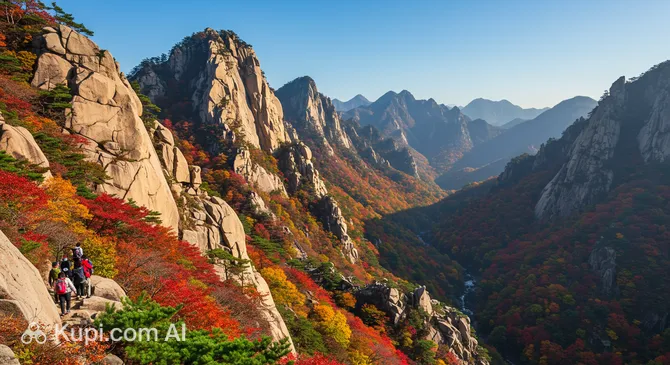
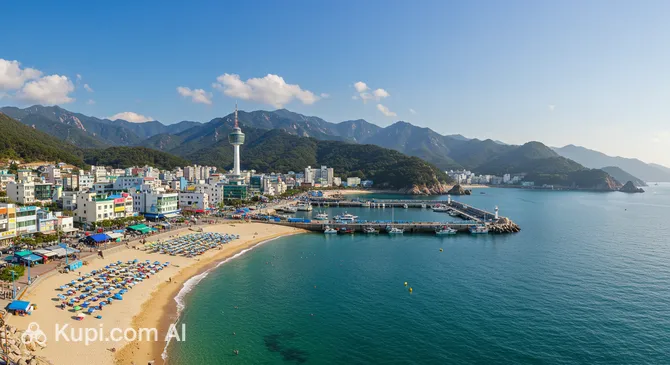
Sokcho is a charming port city located on the northeastern coast of South Korea, in the picturesque Gangwon-do province. With a population of about 80,000, this city attracts travelers with its unique blend of coastal scenery, majestic mountains, and the freshest seafood. Sokcho serves as the gateway to the famous Seoraksan National Park and offers guests an unforgettable vacation on the shores of the East Sea (Sea of Japan).
Sokcho. Illustration.
Source: Kupi.com AI

One of the main reasons to visit Sokcho is its immediate proximity to Seoraksan National Park, renowned for its breathtaking mountain peaks, picturesque valleys, waterfalls, and ancient temples. Hiking enthusiasts will find trails for every taste and fitness level. Furthermore, Sokcho is a foodie's paradise. Local fish markets, such as Daepohang and Jungang, offer an incredible variety of fresh fish and seafood that can be sampled on the spot or in numerous small restaurants. Don't forget to visit Abai Village, a unique settlement established by people from the north that has preserved its distinctive culture and cuisine.

The climate in Sokcho is temperate, with four distinct seasons. Summer is warm and perfect for beach activities at the popular Sokcho Beach, while autumn paints the Seoraksan mountains in incredible shades of crimson and gold, creating a truly magical atmosphere. Winter brings cool weather and snow, and spring delights with blossoms. Sokcho is a wonderful destination for those seeking harmony with nature, delicious food, and authentic Korean culture. The city warmly welcomes every traveler, offering a variety of experiences and lasting memories.

You can find more interesting facts on the history of Sokcho page.
Weather Overview

The weather in Sokcho changes depending on the season, offering diverse conditions for travelers. Summer, especially in July and August, is warm here: average temperatures stay around 23-24°C, and this is also the time of the most precipitation (up to 8 mm per month and about 17-18 rainy days). Winter months, from December to February, are characterized by cold weather with average temperatures below freezing (about -0.2°C to -2.5°C) and little precipitation (1-2 mm per month, 4-7 rainy days). Spring and autumn usually delight with mild and comfortable weather, with moderate temperatures and rainfall. In general, expect a warm summer with occasional rain and cold, relatively dry winters. You can find more detailed information on the Sokcho Climate page.

Average monthly temperature

Average monthly precipitation

Interesting Facts

Beyond its famous mountains and fresh seafood, Sokcho hides many surprising stories and little-known facts. Here are just a few that will help you see this coastal city from a new perspective:

Yeonggeumjeong Pavilion. Illustration.
Source: Kupi.com AI

Traveler photos:

  • A Village with a Northern Accent: Sokcho is home to the unique Abai Village (Abai Maeul), founded by refugees from North Korea during the Korean War. The name "Abai" in the Hamgyeong province dialect means "elderly man" or "father." To this day, you can hear the distinctive dialect and taste authentic northern cuisine, such as "Abai Sundae"—squid stuffed with rice, vegetables, and herbs.

  • A Brief Part of the North: Few people know that after the division of the Korean Peninsula in 1945 and until the end of the Korean War in 1953, the city of Sokcho was actually under the administration of North Korea. This brief period in history left its mark on the city's culture and population composition.

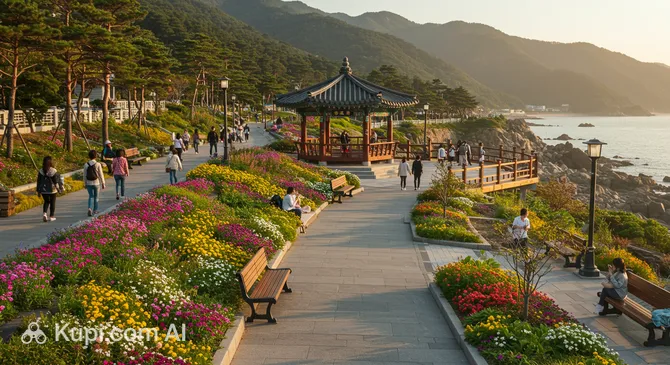
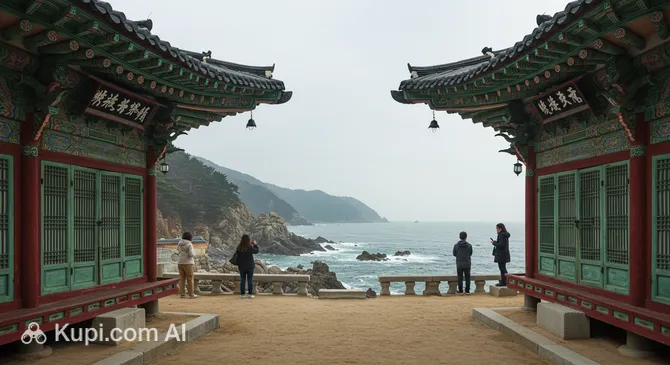
  • The Music of Waves at the Pavilion: Yeonggeumjeong Pavilion, one of the most picturesque spots to catch the sunrise in Sokcho, has a poetic name. It translates as "a pavilion where the sound of the zither (geomungo) is heard." According to legend, the sound of waves crashing against the rocks beneath the pavilion is so melodic that it resembles the playing of this ancient Korean stringed instrument.

  • Unexpected Pokemon GO Capital: In 2016, when the popular mobile game Pokemon GO was officially unavailable in most of South Korea due to restrictions related to Google Maps data, Sokcho unexpectedly became a real "oasis" for players. Due to its geographic location, the city turned out to be one of the few accessible zones for the game, sparking a real tourism boom from those eager to "catch 'em all."

How to Get There

Sokcho is located on the picturesque east coast, and although the city does not have its own airport or train station, getting here is easy thanks to South Korea's advanced transport network. The journey usually involves a transfer to a bus or renting a car for the final leg. You can find more details on how to get to Sokcho by checking the full list of routes.

Since Sokcho itself does not have an airport, most international tourists arrive via the country's main air gateway—Incheon International Airport (IATA: ICN), located near Seoul. It is approximately 206 km from Sokcho. This is a modern and massive hub from which direct limousine buses depart for the Sokcho bus terminal. The trip on such a bus usually takes about 3–4 hours, depending on traffic. By taxi or rental car, the journey takes about the same amount of time.

Another convenient option is Gimpo Airport (IATA: GMP), also located in the capital region, at a distance of about 172.5 km from Sokcho. This airport serves many domestic flights and some international destinations. The journey from here to the coast by car or bus takes slightly less time than from Incheon. You can also consider flying into Cheongju Airport (IATA: CJJ) or Daegu International Airport (IATA: TAE) if your route takes you through other regions of the country.

For clarity, here is a summary of the main airports convenient for travel:

AirportPassenger trafficDistance
Wonju Airport205 279101 km
Gimpo International Airport23.0 mln172 km
Cheongju Airport4.6 mln191 km
Incheon International Airport71.2 mln206 km
Daegu International Airport3.3 mln256 km

Rail service is another way to get close to the resort, although there is no train station in the city of Sokcho itself. The nearest major transfer hub from the list is Gwangmyeong Station (IATA: XWU) in the city of Gwangmyeong. It is located about 173.6 km from Sokcho. KTX high-speed trains from various parts of the country arrive here. From Gwangmyeong Station, travelers can take a shuttle bus or taxi to Seoul's bus terminals, where regular buses depart for Sokcho.

Other major stations, such as Daejeon or Dongdaegu, are significantly farther away (more than 230 km), so using them is only practical if you are traveling from the south of the country. In any case, the final stretch of the journey to Sokcho will need to be covered by road transport.

Below is information about the nearest major railway stations:

StationPassenger trafficDistance
Gwangmyeong Station12.4 mln174 km
Daejeon Station18.6 mln232 km
Dongdaegu Station20 mln258 km

Thus, the most common route for tourists is flying into one of the Seoul airports (Incheon or Gimpo) followed by a transfer to a comfortable intercity bus that will take you directly to the coast and mountains of Sokcho.

Main Attractions

Sokcho is not just the gateway to the Seoraksan Mountains; it is a city rich in its own points of interest. Here, everyone will find something to enjoy, from breathtaking natural beauty to modern entertainment and cultural shrines. Here are some of the key attractions to visit in Sokcho:

Undoubtedly, the region's main jewel is Seoraksan National Park (Seorak Area). These majestic mountains, some of the most beautiful in South Korea, attract trekking and nature lovers year-round. The park offers many routes of varying difficulty leading to picturesque waterfalls, granite peaks, and secluded temples. Seoraksan is especially beautiful in the fall, when the mountain slopes are painted in vibrant crimson and gold tones, creating unforgettable landscapes.

Seoraksan National Park (Seorak District). Illustration.
Source: Kupi.com AI

Traveler photos:

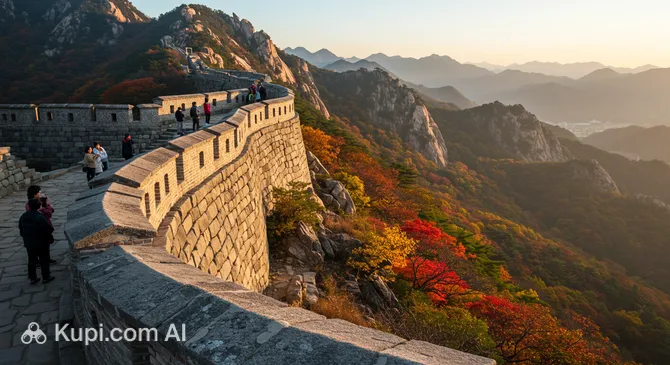
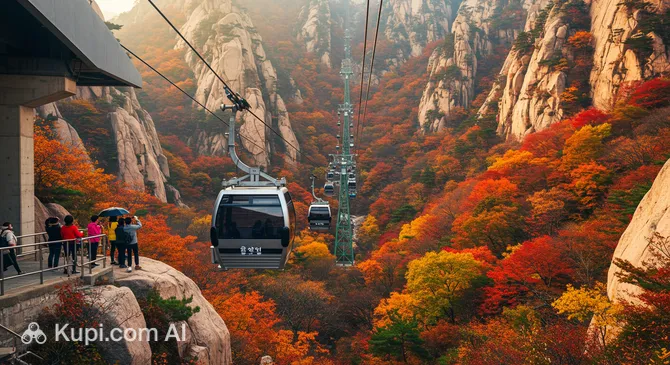
To enjoy panoramic views of the Seoraksan Mountains without an exhausting climb, take the Seoraksan Cable Car. It will take you to the ruins of the ancient Gwongeumseong Fortress, located on one of the peaks. From here, truly breathtaking views of the surrounding valleys and peaks open up. It is a great opportunity to take stunning photos and feel the grandeur of the mountain range.

Gwongeumseong Fortress. Illustration.
Source: Kupi.com AI

Traveler photos:

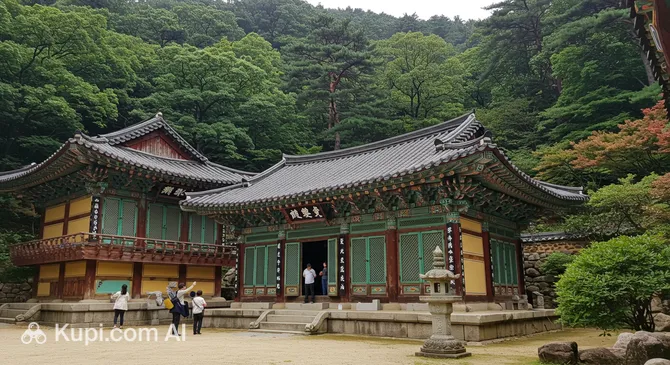
In the heart of the national park, at the foot of the mountains, lies the ancient Sinheungsa Temple. Founded in the 7th century, it is one of Korea's oldest Zen Buddhist temples. Its main attraction is the massive 14.6-meter bronze statue of the seated Buddha, "Tongil Daebul," symbolizing the Korean people's hope for unification. Visiting the temple is a chance to touch the country's spiritual history and enjoy a peaceful atmosphere.

Sinheungsa Temple. Illustration.
Source: Kupi.com AI

Traveler photos:

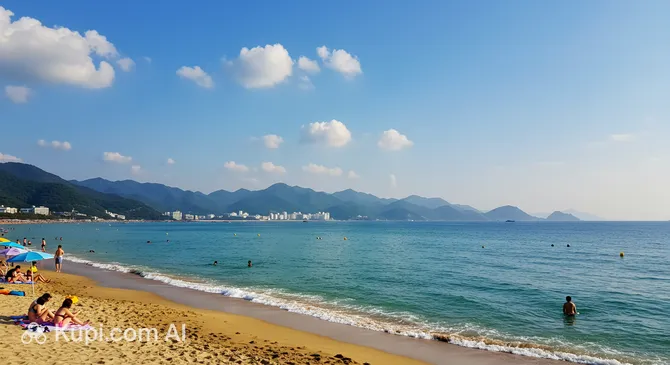
For those who prefer a seaside vacation, Sokcho Beach is an excellent choice. This spacious sandy beach with clear water is popular with both locals and tourists, especially during the summer months. Here you can not only swim and sunbathe but also enjoy the fresh sea breeze, stroll along the promenade lined with pine trees, or visit one of the many restaurants serving fresh seafood.

Sokcho Beach. Illustration.
Source: Kupi.com AI

Traveler photos:

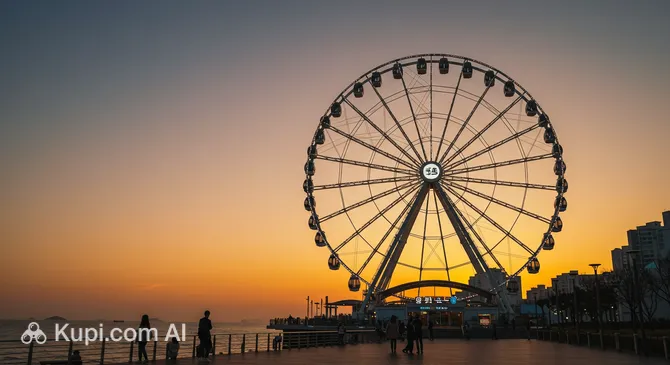
A modern symbol of the city and a popular spot for entertainment is the Sokcho Eye Ferris wheel. Located right by the beach, it offers visitors a spectacular panoramic view of the city, the port, the endless sea, and the majestic Seoraksan Mountains on the horizon. It is especially beautiful here at sunset. This is a lovely place for a family outing or a romantic walk, allowing you to see Sokcho from a new, high-altitude perspective.

Sokcho Eye. Illustration.
Source: Kupi.com AI

Traveler photos:

Local Cuisine

The gastronomic scene in Sokcho is a true adventure for foodies, where the freshest seafood and unique local recipes play the leading roles. As a port city, Sokcho is famous for its seafood, which can be sampled in a wide variety of forms—from raw delicacies to hearty hot dishes.

You must try hoe (회)—the Korean version of sashimi. In Sokcho, it is prepared from freshly caught fish, and you can enjoy it in numerous restaurants or right at the fish markets, where they can prepare your chosen catch for you. Another iconic specialty is ojingeo sundae (오징어 순대), squid stuffed with rice, vegetables, and sometimes minced meat. Abai sundae (아바이 순대) is particularly popular—a traditional dish from Abai Village that reflects the culinary traditions of settlers from the north.

Another dish that has become a hallmark of Sokcho is dakgangjeong (닭강정). These are crispy chicken pieces in a sweet-and-sour or spicy sauce, often sold at markets and specialized snack bars. It is a popular street food loved by both locals and tourists. Its aroma wafts through the market aisles, tempting you to try this treat.

Abai Hoe-Guksu. Illustration.
Source: Kupi.com AI

Traveler photos:

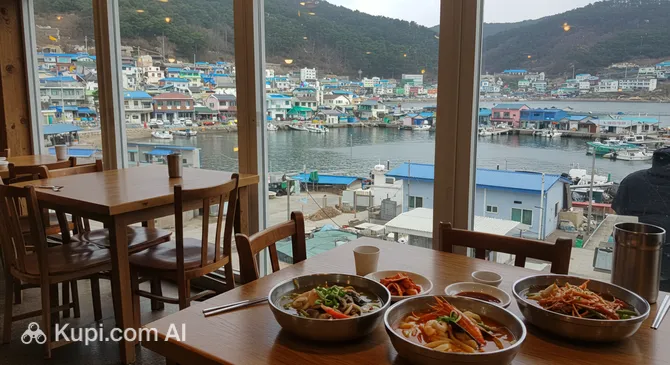
Dining culture in Sokcho is closely linked to the sea and markets. Locals and tourists alike enjoy visiting fish markets like Jungang or Daepohang, where you can not only buy fresh seafood but also eat it in small nearby restaurants. Street food is also widespread, offering quick and tasty snacks. For a more thorough introduction to local cuisine, including dishes from Abai Village, you can visit specialized restaurants like Abai Hoe-guksu, which serves traditional dishes, including variations of noodles with seafood.

Regarding drinks in Sokcho, as in all of South Korea, soju (소주) and makgeolli (막걸리)—a traditional rice alcohol—are popular. They perfectly complement seafood dishes and spicy Korean cuisine. Among non-alcoholic drinks, you should try various Korean teas, as well as refreshing beverages like sikhye (식혜) (a sweet rice drink) or sujeonggwa (수정과) (a drink with cinnamon and ginger).

Overall, Sokcho's gastronomic scene attracts with its authenticity and freshness of products. Here you can enjoy both simple but incredibly tasty dishes at bustling markets and more refined culinary creations in restaurants, always feeling the special atmosphere of a seaside city and its rich culinary traditions.

Travel Tips

Welcome to Sokcho! To make your journey to this charming seaside city in South Korea as comfortable and memorable as possible, we have prepared some practical tips. They will help you better navigate and enjoy all the delights of Sokcho.

  1. Clothing and Essentials: The climate in Sokcho is characterized by four distinct seasons. In summer (June-August), bring light clothing, swimwear, and sunscreen. In winter (December-February), you cannot do without warm layered clothing, a hat, gloves, and a scarf. Spring and autumn will delight you with temperate weather, so a light jacket or sweater will come in handy. The key point is comfortable shoes, as you will surely want to explore Seoraksan National Park and walk around the city. Don't forget a universal adapter (type F outlets are used in South Korea). When visiting temples, such as Sinheungsa, show respect by choosing clothing that covers shoulders and knees.

  2. Getting Around the City: Sokcho is a relatively small city, and it is convenient to move around on local buses, which connect the main districts and attractions. Taxis are also easily available; you can use the popular Kakao T app to call them. If you plan to actively explore the surroundings, including Seoraksan National Park, or prefer more freedom of movement, consider renting a car.

  3. Financial Matters: The national currency is the South Korean Won (KRW). You can exchange currency at banks or specialized exchange offices; note that the rate at the airport may be less favorable. Credit and debit cards (Visa, Mastercard) are accepted in most shops, restaurants, and hotels. Nevertheless, it is always useful to have some cash for purchases at markets or in small establishments. ATMs, especially those marked "Global ATM," are widespread. It is important to know that tipping in South Korea, including Sokcho, is not a common practice.

  4. Health and Safety: Sokcho, like South Korea in general, is considered a very safe city for tourists. Observe standard precautions. Pharmacies (indicated by the word 약국 or a green cross) are easy to find, but not all are open 24/7, and the pharmacist may not always speak English. Having travel medical insurance is strongly recommended. The emergency services number (ambulance, fire, police) is 119. It is recommended to drink bottled water.

  5. Communication and Connectivity: The official language is Korean. In tourist zones, hotels, and some restaurants, staff may speak English, but overall proficiency is limited. Learning a few basic Korean phrases, such as "Annyeonghaseyo" (Hello), "Kamsahamnida" (Thank you), and "Juseyo" (Please give), will be very helpful. You can purchase a local SIM card or rent a portable Wi-Fi router ("egg") at the airport or at communication stores in the city. Free Wi-Fi is often available in cafes, shopping centers, and public places. For navigation, use the Naver Maps or KakaoMap apps, as Google Maps has limited functionality in South Korea. The Papago app will help with translation.

  6. Local Etiquette and Traditions: Koreans value politeness. When greeting, especially older people, it is customary to bow slightly. In public places, especially on transport, try not to speak too loudly. When handing over or receiving items (e.g., money, business cards), use both hands or your right hand while supporting it with your left at the wrist or elbow—this is a sign of respect. Special respect is always shown to elders.

  7. What to Avoid: Do not stick your chopsticks vertically into a bowl of rice—this resembles the incense used at funerals and is considered a bad omen. Also, try not to point at people or objects with one finger; it is better to use an open palm. Avoid loud arguments or showing strong negative emotions in public.

  8. Special Tip for Sokcho: Don't miss the chance to visit Sokcho's famous fish markets, such as Jungang Market or Daepohang Port. The best time to visit is in the morning, when you can see the freshest catch and immerse yourself in the lively atmosphere. Here you can not only buy a variety of seafood but also try it in numerous small restaurants right at the market—this is an unforgettable gastronomic experience!

We hope these tips help you plan an unforgettable trip to Sokcho. We wish you bright impressions and a pleasant stay in this beautiful corner of South Korea!

Entertainment & Nightlife

When the sun sets behind the majestic Seoraksan Mountains and the waters of the East Sea (Sea of Japan) darken, Sokcho offers its guests cozy and pleasant ways to spend the evening. While the city is not famous for the boisterous 24-hour parties found in South Korea's megacities, there is enough entertainment here to make an evening interesting and memorable, especially after a day spent in nature or at the beach.

The main evening and nightlife in Sokcho is concentrated in several key areas. The vicinity of Sokcho Beach is quite popular, with many cafes and restaurants overlooking the sea, some of which stay open late into the evening. There is also plenty of activity in the city center, particularly around the Jungang Market and its surrounding streets. Here you can find various snack bars, pubs, and traditional Korean drinking establishments.

The atmosphere of nightlife in Sokcho is relaxed and friendly rather than club-oriented. You will find many cozy bars where you can enjoy local beer or craft drinks, restaurants offering the freshest seafood and Korean dishes that are particularly delicious in the evening, as well as Korea's ubiquitous noraebangs (karaoke rooms) for a fun time with friends. There are few large nightclubs with dance floors here; the focus is shifted toward more intimate venues. The dress code in most places is casual, with no special preparation required. Many bars and restaurants are open until midnight or slightly later, especially during the tourist season and on weekends.

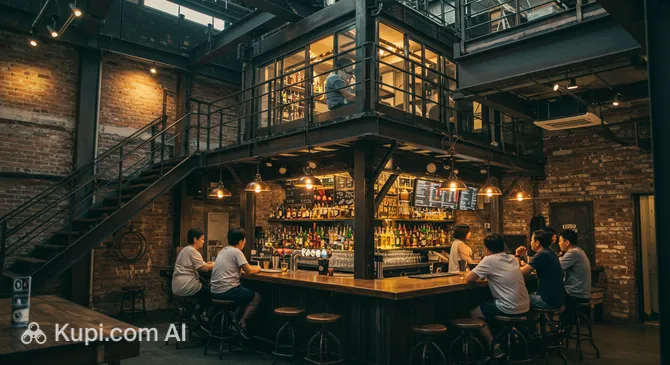
Among the venues where you can spend a pleasant evening, the bar Moon Beer is worth noting, offering a good selection of drinks in a cozy setting. Another interesting spot is Craft Root, where enthusiasts can sample various types of craft beer. These places are perfect for relaxing after a busy day.

Mont Beer. Illustration.
Source: Kupi.com AI

Traveler photos:

Craft Root. Illustration.
Source: Kupi.com AI

Traveler photos:

Practical tips for evening leisure:

  • Time: It is best to head out in the evening starting from 7:00 PM or 8:00 PM, when venues begin to fill with patrons.
  • Prices: Prices in Sokcho's bars and restaurants are generally moderate, comparable to the national average. A glass of beer or a cocktail will cost a reasonable amount.
  • Transport: At night, taxis are the primary mode of transport. It is recommended to use the Kakao T app to call a car; it is convenient and reliable. Public transport runs less frequently late at night.

Safety: Sokcho is a very safe city, and evening walks along the well-lit central streets and the promenade usually cause no concern. Nevertheless, it is always worth taking basic precautions, especially if you are in an unfamiliar place or have consumed alcohol. Calling a taxi via the app or asking the venue staff to do so is a good way to get back to your hotel safely.

During the day, Sokcho offers many other activities. You can visit the Sokcho City Museum to learn more about the region's history and culture, take a stroll through the picturesque Cheongchoho Lake Park, or enjoy the views from the Sokcho Eye Ferris wheel. And don't forget the main attraction—Seoraksan National Park, which is beautiful at any time of day.

Overall, evening in Sokcho is an opportunity to enjoy delicious food, good company, and the peaceful atmosphere of a seaside city, recharging your energy for new discoveries the following day.

Parks & Museums

Sokcho is not only about picturesque beaches and proximity to majestic mountains; it is also a city offering wonderful opportunities for outdoor relaxation in its parks, as well as for exploring rich culture and history through local museums and attractions. Here, every traveler will find a corner to their liking, whether it be a peaceful garden or an exhibition telling the story of this amazing part of South Korea.

The main green jewel of the region is undoubtedly Seoraksan National Park (Seorak Area). Its incredible landscapes, diverse hiking trails, and rich flora and fauna make it a must-visit for all nature lovers. Sokcho also has other beautiful parks worth noting. For example, Seorak Sunrise Park, located at the foot of the mountains, offers well-maintained paths, sculptures, and, as the name suggests, is an ideal place to enjoy the first rays of the sun over the sea. Another popular spot for walking and relaxation is Cheongchoho Lake Park. This scenic space in the city center around the lake is perfect for leisurely strolls, boating, and admiring views of the city and the famous bridge.

Seorak Sunrise Park. Illustration.
Source: Kupi.com AI

Traveler photos:

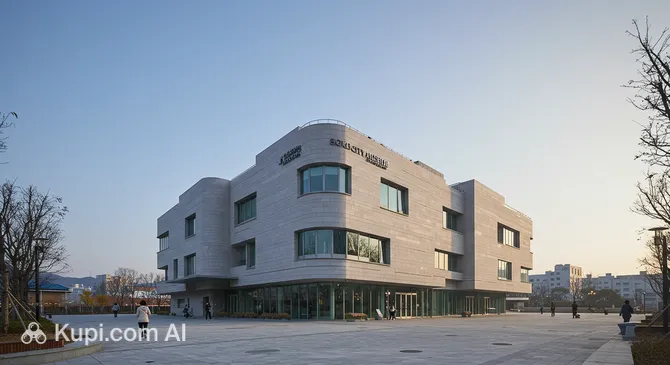
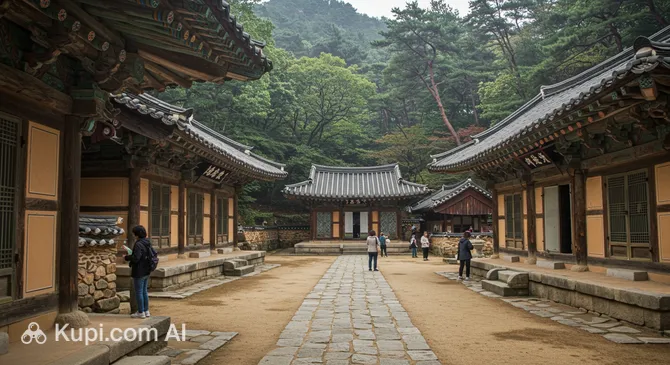
To gain a deeper understanding of Sokcho's history and culture, a visit to the Sokcho City Museum is a must. Its exhibitions cover various periods, from ancient times to the present, telling the story of the indigenous inhabitants' lives, the aftermath of the Korean War, and the unique culture of Abai Village. It is an excellent place for those who want to learn more about the formation of this coastal city's identity. An important cultural and historical site not to be missed is Heungnyeonam Hermitage—a small but incredibly picturesque nunnery located on a cliff by the sea, part of the Naksansa temple complex. Breathtaking views open up from here, and the place itself is steeped in legend, offering a glimpse into the spiritual side of Korean culture.

Sokcho City Museum. Illustration.
Source: Kupi.com AI

Traveler photos:

Hongnyeonam Hermitage. Illustration.
Source: Kupi.com AI

Traveler photos:

Among other significant historical and architectural objects, Yeonggeumjeong Pavilion stands out, known for its stunning sea views and the poetic history associated with wave sounds resembling a zither. Also worth noting is the Sokcho Lighthouse, which not only performs its navigational functions but also serves as an excellent observation deck with panoramic views of the port, the sea, and the city. Numerous temples cannot be ignored either, such as the majestic Naksansa Temple, of which the aforementioned Heungnyeonam is a part, or Sinheungsa Temple, located in the Seoraksan mountains and serving as a striking example of traditional Korean temple architecture.

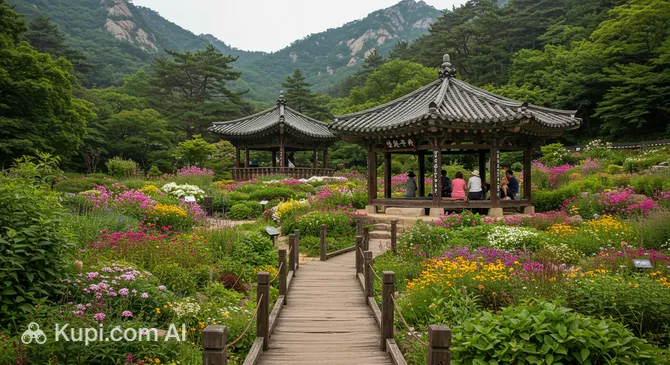
If you are looking for lesser-known but equally charming places for peaceful relaxation, consider the Seoraksan Wildflower Botanical Garden. Here you can get acquainted with the unique flora of the Seoraksan region, walk along quiet paths, and enjoy communion with nature away from busy tourist routes. This place will especially appeal to those who value silence and the beauty of nature in its pristine form.

Seoraksan Native Botanical Garden. Illustration.
Source: Kupi.com AI

Traveler photos:

Getting Around

Getting around Sokcho is fairly simple thanks to the city's compact size and a well-developed public transport system, which is primarily based on bus services. This makes exploring the city and its surroundings convenient for tourists.

The main form of public transport in Sokcho is city buses. they cover most areas of the city, including popular tourist spots, beaches, and the approaches to Seoraksan National Park. There are no subways, trams, or trolleybuses in Sokcho, which is typical for cities of this size in South Korea. Buses run according to a schedule that can be checked at stops (information is often duplicated in English in tourist zones) or using popular Korean navigation apps like Naver Maps or KakaoMap. These apps also show route numbers and real-time bus arrival times.

The fare payment system in Sokcho, as in all of South Korea, is very convenient. The most common method is using a T-money transport card (or similar cards like Cashbee). This card can be purchased and topped up at most convenience stores (e.g., CU, GS25, 7-Eleven) and at some bus terminals. When entering the bus, you must tap the card against the validator, and it is also mandatory to tap it when exiting—this is important for correct fare calculation, especially if the fare depends on distance, and for receiving a transfer discount. You can also pay the fare in cash directly to the driver upon entry, but change may not always be exact, and it is less convenient than using a card. Bus fares are quite affordable, usually costing around 1,200-1,500 KRW for a basic trip.

Practical tips for tourists:

  • Purchase a T-money card as soon as you arrive in South Korea—it works in many cities and on different types of transport.

  • Buses usually start running early in the morning (around 6:00 AM) and finish late in the evening (around 10:00-11:00 PM), but it is better to check the schedule for specific routes.

  • Stops often have route maps, but for convenience, it is better to use mobile apps for trip planning.

As an alternative to public transport, taxis are always available in Sokcho. They can be hailed on the street, found at special taxi stands, or called via the Kakao T app. Taxis are a more expensive but comfortable and fast way to get around, especially if you are traveling with luggage or in a small group. For short rides along the waterfront or parks, you can consider bicycle rentals, which are sometimes available in tourist areas. And, of course, many central areas of Sokcho and its coastal zones are quite suitable for walking, allowing you to enjoy the city's atmosphere.

Accommodation

In Sokcho, travelers will find a wide variety of accommodation options to suit diverse needs and budgets. There is everything: from budget hostels and guesthouses, ideal for budget-conscious tourists and young people, to comfortable mid-range hotels offering great value for money. For those seeking a more luxurious vacation, resorts with a full range of services are available, as well as various apartments and vacation rentals that are suitable for families or those who prefer more independence.

When choosing a place to stay in Sokcho, it is worth paying attention to several key areas. Many tourists prefer to stay near Seoraksan National Park for easy access to mountain trails and scenic views. Another popular choice is the areas adjacent to Sokcho Beach or Seorak Beach, especially during the summer season. The city center is also convenient due to its proximity to transport hubs, markets, and restaurants. The choice of area depends on your priorities: proximity to nature, beach holidays, or urban infrastructure.

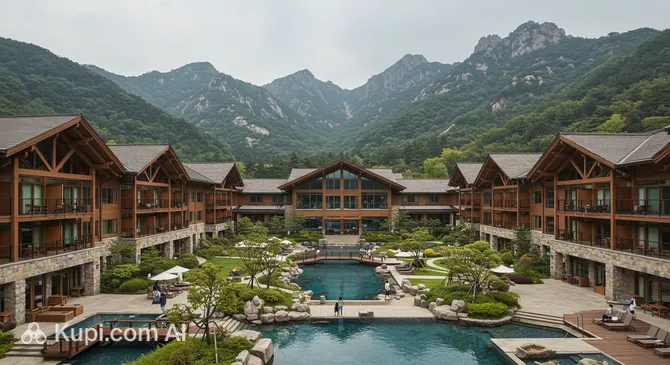
Among specific resort-style options, the Kensington Resort Seorak Valley stands out, offering comfortable accommodation and easy access to the region's natural beauty. This is a good example of the resort hotels found around Sokcho that offer a nature retreat with modern amenities.

Seorak Valley Resort. Illustration.
Source: Kupi.com AI

Traveler photos:

When planning a trip to Sokcho, especially during peak tourist season (summer and the autumn foliage period in Seoraksan), it is strongly recommended to book accommodation in advance. This will allow you to choose the best value option and avoid situations where all suitable places are already occupied.

The price range for accommodation in Sokcho varies from budget to luxury, so everyone can find something within their means. Booking accommodation is most convenient through popular online booking platforms. Direct booking through hotel websites is also an option, which can sometimes offer special promotions or terms.

Nearby Cities

For those who want to explore the surrounding area, Sokcho serves as an excellent starting point for day trips to several interesting nearby locations. Among them, the following particularly stand out:

Chuncheon, the capital of Gangwon-do province, is located about 84 km from Sokcho. This city is often called the "city of lakes" due to its picturesque location. It attracts tourists with beautiful landscapes, the opportunity to visit filming locations of popular dramas (such as Nami Island nearby), and the chance to try the famous local dish—dakgalbi (spicy stir-fried chicken).

Wonju, located at a distance of about 112 km, offers a more relaxed cultural experience. The city is known for its Hanji Museum, where you can learn all about traditional Korean paper, and the Park Kyong-ni Literature Park, dedicated to the famous Korean writer. It is a great destination for those interested in Korean arts and crafts.

Of course, one cannot fail to mention Seoul. Although the capital of South Korea is further away (about 158 km) and the trip will take more time, it can be an unforgettable one-day adventure. The city offers limitless possibilities: from visiting majestic royal palaces and traditional neighborhoods to shopping in ultra-modern districts and immersing yourself in the bustling life of the metropolis.

Below is a table with a more complete list of some nearby cities that may also be of interest for short trips from Sokcho:

CityPopulationDistance
Yangyang25 00014 km
Gangneung215 67757 km
Chuncheon281 59684 km
Pyeongchang9 94094 km
Samcheok69 50999 km

These nearby destinations allow for a broader understanding of the diverse culture, history, and natural beauty of the Gangwon-do region and South Korea as a whole.

Shopping & Souvenirs

Shopping in Sokcho is about immersing yourself in local flavor rather than chasing global brands. The city is famous for its freshest seafood, unique local delicacies, and goods that reflect its coastal location and proximity to the Seoraksan Mountains. Here you will find authentic Korean souvenirs and products that will serve as a great reminder of your trip to South Korea.

The main commercial activity in Sokcho is concentrated around its famous markets and the surrounding streets. The central place for shopping is the Jungang Market area (Sokcho Tourist & Fishery Market), which is always bustling and where you can find practically everything. It is also worth strolling through the streets in the city center, where small shops offering clothing, cosmetics, and various goods are located.

In Sokcho, you won't find the huge multi-story shopping malls common in megacities. Shopping here has a more intimate and traditional character. Instead, the emphasis is on markets, specialized shops, and small retail outlets where you can buy both everyday items and unique local products.

Markets are the heart and soul of shopping in Sokcho. Be sure to visit Jungang Market (Sokcho Jungang Market), also known as the Sokcho Tourist and Fishery Market. This is an incredibly colorful place where you can buy fresh and dried seafood, the famous dakgangjeong chicken, traditional Korean snacks, local vegetables, fruits, and various souvenirs. You can also try plenty of street food here.

Another iconic spot is the Fish Market at Daepohang Port (Daepohang Port Fish Market). This market is famous for its vast selection of fresh fish and seafood, which you can choose right from the counter and have prepared immediately in one of the many small restaurants. It is a true paradise for seafood lovers.

From Sokcho, it's worth bringing home something special that reminds you of its unique atmosphere. Popular souvenirs include:

  • Dried seafood: squid, fish, seaweed—the city's signature products.

  • Ojingeo-ppan (오징어빵): squid-shaped bread with various fillings.

  • Local delicacies, such as packaged dakgangjeong or abai sundae (a special type of sausage from Abai Village).

  • Items with Seoraksan National Park symbols: small crafts, magnets, trekking clothes. Such souvenirs can often be found at the park entrance or at attraction stations, such as the Seoraksan Cable Car.

  • Traditional Korean ceramics or small handmade items.

  • Korean cosmetics, which can be found in chain stores.

Seoraksan Cable Car. Illustration.
Source: Kupi.com AI

Traveler photos:

Most shops in Sokcho are open from approximately 10:00-11:00 AM to 8:00-9:00 PM. Markets, especially the fish sections, start their work much earlier, often at dawn. Some food stalls at the markets may work until late evening. Credit cards (Visa, Mastercard) are accepted in most shops and restaurants. However, at markets, especially when buying from small vendors or for street food, it is preferable to have cash (South Korean Won) with you.

Tourists in South Korea can take advantage of the tax refund system. Look for shops with signs saying "Tax Free" or "Tax Refund." Typically, to receive a VAT refund, you must make a purchase of a certain minimum amount in one store within one day. Keep your receipts and completed Tax Free forms to present them at the airport upon departure to receive your refund.

Reached the end of the page?

That means the route is fully explored