Support

Ulchin

About

Uljin is a charming coastal town nestled on the eastern shore of South Korea, by the waters of the Sea of Japan (East Sea). It seems designed for those who dream of meeting the sea breeze and contemplating picturesque sunrises over the waves. Thanks to its unique location, the city is surrounded by mountains and dense pine forests, which gives it a special atmosphere of seclusion and harmony with nature.
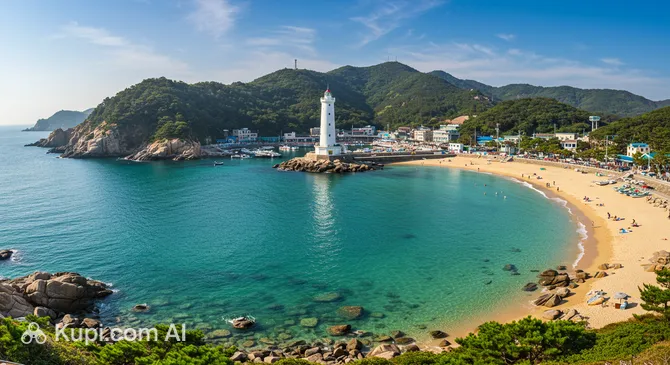
Ulchin. Illustration.
Source: Kupi.com AI

With a population of just over 14,000 people, Uljin retains the charm of a small town where every corner is permeated with tranquility and a relaxed pace. Despite its modest size, it is an important administrative center for the county. Its cultural heritage and natural riches make it a true find for travelers seeking to escape the hustle and bustle of megacities and immerse themselves in authentic Korean life.

A special atmosphere reigns in Uljin: it is easy to feel like a part of local life here, leisurely strolling along picturesque beaches or embarking on hikes through valleys and mountains. The city attracts tourists with its ancient temples, healing hot springs, and, of course, spacious beaches. Additionally, the surroundings of Uljin are rich in amazing natural monuments that will not leave ecotourism enthusiasts indifferent.

If you are looking for a place for harmonious rest, inspiration, or simply desire new impressions away from the beaten tourist tracks, Uljin will be a true discovery for you. Here you can not only relax by the sea but also get acquainted with the unique traditions and flavors of the region, recharging your energy and inspiration for a long time to come.

You can find more interesting facts on the Uljin city history page.

Weather Overview

The climate in Uljin is characterized by noticeable seasonal changes. Summer, especially in July and August, is warm here, with average temperatures reaching 23-24°C and maximum values around 25-26°C. These months also see the highest amount of precipitation. Winters, conversely, are cold, with average temperatures around 0-1°C in January and December, and minimum temperatures dropping below freezing. Winter months are usually drier with less precipitation. Spring and autumn are transitional seasons with moderate temperatures and rainfall. Overall, expect a warm summer with occasional rain and cold, relatively dry winters.

For more detailed information on weather conditions, including monthly forecasts, you can visit the Uljin Climate page.

Average monthly temperature

Average monthly precipitation

Interesting Facts

In addition to picturesque landscapes and a welcoming atmosphere, Uljin holds many surprising stories and little-known details. This city, comfortably situated on the coast of South Korea, is ready to share its secrets with inquisitive travelers.

  • Uljin is a keeper of ancient traditions, as evidenced by the Buryeongsa Buddhist temple, founded back in the 7th century. This is one of the oldest religious structures in the region, complemented by two 14th–15th-century Confucian temples that highlight the city's rich spiritual heritage.

  • The local museum houses a unique artifact, listed as National Treasure No. 181 – a certificate of passing state exams in the name of Jang Ryang-su. This document underscores Uljin's historical role in the development of education and science.

  • The symbols of Uljin are the pine tree, personifying resilience and commitment to principles; the plum blossom, symbolizing a passion for learning; and the seagull, indicating the wealth of marine resources. These images do not just decorate the city's coat of arms but reflect the spirit of its residents.

  • Among the natural wonders of Uljin, a special place is occupied by Seongryugul Cave, known for its mysterious stalactites and stalagmites. No less attractive is Deokgu Valley, offering magnificent routes for hiking and enjoying untouched nature.

How to Get There

Getting to this picturesque corner of the east coast can be done in various ways, although direct access may require transfers as the city is located away from noisy megacities. You can find out all the ways to get to Uljin on our detailed page, and below we will look at the main transport hubs through which tourists reach this region.

The city of Uljin itself does not have its own airport, so travelers have to use the air gateways of neighboring large cities. The closest and most convenient option is Daegu International Airport (IATA: TAE), located in the city of Daegu, about 137 km from Uljin. A trip from there by rented car or intercity bus will take about 2–2.5 hours. Another popular option, especially for those combining a trip with a visit to Busan, is Gimhae International Airport (IATA: PUS). It is located 205 km from Uljin, and the journey will take about 3 hours. If you are flying via the capital, you can use Gimpo Airport (IATA: GMP) in Seoul; however, the distance to Uljin will be about 234 km, requiring a longer transfer (about 3.5–4 hours).

For clarity, here is a summary of the main airports:
AirportPassenger trafficDistance
Pohang Airport253 703113 km
Wonju Airport205 279132 km
Daegu International Airport3.3 mln137 km
Ulsan Airport786 739156 km
Cheongju Airport4.6 mln168 km

Rail travel is also a popular way to approach the region, although there is no major passenger station for KTX high-speed trains in the city of Uljin itself. Tourists often choose Dongdaegu Station (IATA: XDK) in Daegu as a key transfer point. The station is about 140 km from Uljin. After arriving here by high-speed train from Seoul or other parts of the country, travelers usually transfer to an intercity bus, which will take them directly to the coast in 2–2.5 hours. This is one of the most common combined routes.

Below is a table of the nearest major railway stations:
StationPassenger trafficDistance
Dongdaegu Station20 mln140 km
Daejeon Station18.6 mln190 km
Gwangmyeong Station12.4 mln223 km
Jinju Station233 km
Yeosu Expo Station288 km

Main Attractions

Uljin, located on the east coast of South Korea in Gyeongsangbuk-do province, attracts travelers with its magnificent nature and unique sights. This coastal city offers diverse opportunities for relaxation and exploration, allowing everyone to find something to their liking.

One of Uljin's main gems is Seongryugul Cave (성류굴). This is an impressive limestone cave, estimated to be about 250 million years old. Tourists can explore its intricate passages, stretching nearly half a kilometer, admiring stalactites and stalagmites of bizarre shapes, as well as underground lakes. The cave holds great scientific and tourist significance, offering a glimpse into the region's geological past.

For those seeking relaxation and wellness, Uljin offers a visit to Deokgu Hot Springs (덕구온천). These are Korea's only natural alkaline hot springs, where the water flows by gravity from the mountains, maintaining its natural temperature of around 42°C. Their waters are believed to have healing properties, helping with various skin diseases, neuralgia, and improving overall well-being. The complex includes modern spas, hotels, and outdoor baths where you can enjoy treatments against a backdrop of picturesque nature.

Lovers of scenic views and traditional Korean architecture should visit Mangyangjeong Pavilion (망양정). This historical pavilion, elegantly situated on a coastal cliff, offers breathtaking panoramic views of the endless East Sea, which are especially beautiful at sunrise and sunset. The pavilion is one of the eight famous views of the historic Gwandong region and has inspired many Korean poets and artists over the centuries with its peaceful charm.

Another iconic spot attracting nature lovers is the Uljin Geumgang Pine Forest (울진 금강소나무 숲길). This vast forest is famous for its majestic Geumgang pines, considered among the finest and most valuable in Korea due to their straight and durable wood. Walking along specially designed eco-trails—some of which require prior registration—allows you to enjoy the purest air, the beauty of the ancient forest, and tranquility. Some trees here are several hundred years old, creating an atmosphere of pristine nature.

Local Cuisine

The gastronomy of Uljin is a real revelation for connoisseurs of fresh seafood and authentic Korean cuisine. Located on the coast, the city is famous for its abundance of sea gifts, which reach the tables of locals and guests straight from fishing boats every day. Culinary traditions here are closely intertwined with the marine element, offering unique flavor combinations and unforgettable gastronomic experiences.

Be sure to try hwe – the Korean version of sashimi made from the freshest fish, sea urchins, scallops, or squid, served with spicy gochujang sauce and fresh vegetables. Another iconic dish is the rich and aromatic spicy seafood noodle soup (haemul jjamppong), which will warm and satisfy you. Don't miss the chance to taste various mussel dishes prepared according to old recipes, as well as unique local seaweed kimchi, which adds piquancy to any table. Steamed rice with seaweed and shrimp is also popular.

Among the drinks, the traditional Korean rice wine makgeolli is worth highlighting – slightly sweet and refreshing, it perfectly complements seafood dishes. Of course, a variety of non-alcoholic beverages are also available, including traditional Korean teas. Local residents often prefer to dine in small family restaurants where the freshest catches of the day are served. Tourists will also find many cozy establishments offering both traditional and modern interpretations of Korean cuisine. A special atmosphere reigns at street markets, where you can try savory marine snacks, grilled fish on skewers, and traditional Korean seafood pancakes (haemul pajeon). Gastronomic festivals are often held here during the season, becoming a true celebration of taste.

Travel Tips

Planning a trip to Uljin? Wonderful! This charming coastal city in Gyeongsangbuk-do province is full of natural wonders. To ensure your trip goes smoothly and leaves only pleasant impressions, we have prepared some practical tips.

  1. Clothing and Essentials: Uljin is a coastal city in South Korea, so the weather can be changeable. In summer (June-August), bring light clothing, swimwear, and a raincoat for monsoon rains. In spring and autumn, layered clothing will come in handy. In winter (November-March), dress warmly, not forgetting the wind from the sea. Be sure to bring comfortable shoes for walking on beaches and nature trails, sunscreen, a hat, and a universal adapter (South Korea uses Type F sockets).
  2. Transport: It is most convenient to move around Uljin and its surroundings by local buses or taxis. To call a taxi, you can try using Korean apps like Kakao T if you have a local SIM card. Renting a car can be a good option if you plan to explore national parks and remote beaches of the Gyeongsangbuk-do region, but this will require an international driving permit. Within the city itself, most interesting places are within walking distance.
  3. Finances: The official currency is the South Korean Won (KRW). It is better to exchange currency in large cities or at the airport upon arrival, as the choice of exchange offices in Uljin itself may be limited. Credit and debit cards (Visa, Mastercard) are accepted in many hotels, restaurants, and shops, but it is always useful to have some cash with you for small purchases at markets or local stalls. ATMs that accept international cards are usually marked as "Global ATM". Tipping in South Korea is not expected.
  4. Health and Safety: Uljin, like South Korea in general, is considered a very safe place. Pharmacies (look for the "약" - "yak" sign) are available in the city, but there may be few 24-hour ones. If medical assistance is needed, contact local clinics or hospitals; travel insurance is highly recommended. Standard precautions, such as looking after personal belongings, are always relevant. There are no specifically dangerous areas in Uljin.
  5. Communication: The main language is Korean. English may not be as widely spoken, especially among the older generation, but in tourist spots and hotels, staff usually speak English. Learn a few simple phrases: "Annyeonghaseyo" (Hello), "Kamsahamnida" (Thank you), "Joesonghamnida" (Excuse me). A SIM card with internet access can be purchased at the airport or in convenience stores (CU, GS25). Wi-Fi is widely available in cafes, hotels, and public places. For navigation, use the Naver Maps or KakaoMap apps, as Google Maps has limitations in South Korea.
  6. Local Etiquette: When greeting people, especially elders, it is customary to give a slight bow. In public places, especially on transport, try not to talk too loudly. When passing or receiving items (e.g., money, a credit card), use both hands—this is a sign of respect. Locals are usually friendly and ready to help if you approach them politely.
  7. What to Avoid: Try not to stick your chopsticks vertically into a bowl of rice, as this is associated with funeral rituals. Also, avoid blowing your nose loudly at the table in public places. Writing names in red ink is considered bad luck.
  8. Special Uljin: This city is famous for its natural beauty. Be sure to visit the famous Mangyangjeong pavilion, which offers beautiful views of the sea and surrounding beaches, explore the Deokgu or Baegam hot springs, and the mysterious Seongryugul Cave. If you arrive in winter or early spring, don't miss the chance to try local snow crab (daege)—it's a real delicacy! For hiking enthusiasts, it's worth checking in advance for the possibility of visiting the Geumgangsong pine trail (booking required).

We hope these tips help you better prepare for your trip and enjoy every moment in Uljin. We wish you an unforgettable journey full of discoveries and pleasant impressions of this unique corner of South Korea!

Entertainment & Nightlife

Uljin, known for its natural beauty and peaceful atmosphere, offers guests a more relaxed evening leisure option compared to the bustling megacities of South Korea. Here, nightlife flows steadily, creating ideal conditions for a relaxed rest after a busy day exploring local treasures. The emphasis is not so much on loud nightclubs as on cozy establishments where you can have a pleasant time and get to know the local culture.

Evening entertainment in Uljin is centered around several key types of establishments. Instead of an extensive list of nightclubs, Uljin offers unique local leisure formats. Restaurants specializing in the freshest seafood, for which this coastal region is so famous, are particularly popular. Look for signs with images of fish and marine delicacies or inscriptions like "횟집" (hoetjib – raw fish restaurant) to enjoy the day's catch. Another integral element of a Korean evening is the traditional drinking establishments known as "Hofs" (호프). These are essentially Korean pubs where you can try local beer, soju, and various snacks in an informal setting, with the popular "chimaek" (chicken and beer) combination being especially favored. You can easily recognize hofs by their "Hof" or "호프" signs. For those who love to sing, the doors of "Noraebangs" (노래방) are always open—these are karaoke rooms, an incredibly popular form of entertainment for both locals and tourists. Look for "노래방" or "Karaoke" signs. While Uljin may not boast a large number of loud nightclubs that operate until dawn, its charm lies exactly in these more intimate and soulful places. To find specific popular establishments of these types, we recommend looking at tourist reviews and local recommendations once on-site.

The main points of evening activity are usually concentrated in the administrative center of the county, Uljin-eup, as well as near popular coastal zones and beaches where restaurants and cafes with sea views are located. The atmosphere in such places is generally very friendly and relaxed. The crowd here consists mainly of locals and tourists who appreciate quiet rest. Most establishments operate until late evening, but not necessarily into the small hours, especially on weekdays. There is usually no strict dress code; a casual and comfortable clothing style is welcomed.

When planning your evening leisure, it is best to aim for the time after 7:00 PM – 8:00 PM, when restaurants and bars begin to fill with patrons. Prices in Uljin's establishments are generally quite moderate, especially when compared to the capital. Regarding transport, the main option for moving around Uljin and its surroundings at night will be a taxi. It is recommended to find out the numbers of local taxi services in advance or use mobile apps to call them, as the number of available cars may be limited late at night.

Uljin is considered a fairly safe place for evening and night walks, especially in the central and tourist areas. Nevertheless, standard precautions should always be observed: keep an eye on your personal belongings and avoid poorly lit or deserted places if you are walking alone. You can call a taxi by phone or ask the staff of the establishment you are in to do so.

During the day, Uljin offers its guests completely different but no less exciting activities. This primarily involves enjoying the magnificent nature: famous beaches such as Mangyangjeong and Hupo, healing hot springs like Deokgu and Baegam, as well as picturesque parks and numerous hiking routes in the mountains, ideal for trekking. Culture lovers can visit small local museums dedicated to the history and traditions of this unique region of South Korea.

Parks & Museums

Uljin, located in the picturesque province of Gyeongsangbuk-do, offers its guests a harmonious combination of natural beauty and cultural heritage. Here you will find both peaceful green areas for relaxation and interesting museums telling the story and traditions of this coastal region of South Korea.

Among Uljin's natural gems, Seongryugul Cave particularly stands out. This impressive limestone cave, about 250 million years old, with its mysterious halls and bizarre stalactites and stalagmites, attracts researchers and tourists wishing to touch the ancient history of the Earth. Another iconic spot is Mangyangjeong Pavilion, which offers breathtaking views of the East Sea. It is not just an observation deck, but a historical site where you can enjoy the tranquility and beauty of Korean nature. For lovers of walking and unity with nature, it is worth visiting Bulyeongsa Valley, known for its clear streams, dense forests, and picturesque trails leading to the ancient temple of the same name.

To gain a deeper understanding of Uljin's culture and history, it's worth checking out the local museums. The Uljin Museum (or its equivalent dedicated to local history) will introduce you to the life, traditions, and key events of the region. A special place is held by the Bongpyeong Silla Monument Hall, which houses one of Korea's national treasures – an ancient stone stele from the Silla period, which is an important historical artifact. If you are interested in the unique ecosystem of the region, pay attention to the Uljin Geumgangsong Ecorium, dedicated to the famous Korean Geumgang pine and local flora.

In addition to major attractions, Uljin is rich in historical sites. The ancient Bulyeongsa Temple, located in the valley of the same name, is not only a spiritual center but also a beautiful example of traditional Korean temple architecture. Walks through coastal areas, such as Jukbyeon Port, can also reveal interesting views and local features, like the famous "Heart Tree."

For authentic impressions, visit local markets where you can try the freshest seafood Uljin is famous for, especially the famous king crab. Don't miss the opportunity to find a secluded beach or a small coastal village to feel the unhurried pace of life in this charming corner of South Korea.

Getting Around

When planning your travel around Uljin, it's worth noting that it is a relatively small city, and the public transport system is appropriate for its size. The basis of the transport network is buses, which connect various districts of the city and its surroundings.

The bus network in Uljin is the main mode of public transportation. Routes cover key points of the city, including residential areas, tourist sites, and stations. You can usually pay for fare in cash directly to the driver upon entry. Also widely used is the T-money transport card (or similar local cards), which makes trips more convenient and often more economical, especially if you plan to use public transport in other cities in South Korea. The cost of a bus ride is generally low.

You can purchase and top up a T-money card at most convenience stores and some stations. To pay for the fare, the card must be tapped against a special reader (validator) when entering the bus, and in some systems, also when exiting. This is especially important if you want to take advantage of a transfer discount.

Buses in Uljin run on a schedule that can be found at stops or using popular Korean navigation apps (such as Naver Maps or KakaoMap), which provide real-time information on routes and arrival times. Typically, transport starts working early in the morning and ends late in the evening, although the intensity of service may decrease in the evening hours and on weekends.

Besides buses, taxis are available in Uljin. This is a convenient, albeit more expensive, way to get around, especially for trips with luggage or to places that are not as easy to reach by bus. Taxis are easy to find at special stands or can be called by phone. All cars are equipped with meters.

For enthusiasts of active recreation and independent trips, especially along Uljin's picturesque coast, bicycle rentals may be relevant if such a service is available in the city. If you plan to explore not only the city itself but also its surroundings in Gyeongsangbuk-do province, you might consider renting a car, which will provide greater freedom of movement.

Overall, navigating Uljin's transport system is not difficult. We recommend studying the main routes you might need in advance and considering the purchase of a transport card for convenience and savings.

Accommodation

When planning a trip to Uljin, you will find a variety of accommodation options to suit different preferences and budgets. The city offers a wide range of housing: from cozy guesthouses (pensions, which are very popular in Korea) and budget motels to more comfortable hotels.

For tourists, areas located near the coast may be particularly convenient, as Uljin is famous for its beaches and sea views. It is also worth paying attention to housing near natural attractions and hot springs if your goal is a wellness holiday or unity with nature. In such places, you can often find traditional Korean "hanok" houses or modern resort complexes.

Uljin features various types of hotels, from small family-run ones to mid-range establishments. While specific names of famous hotels are best checked on popular booking platforms, you will easily find options that meet your expectations for comfort and service level. Besides hotels, "minbaks" (private rooms for rent) and pensions, offering a more homey atmosphere, are widespread.

Booking tip: If your trip falls during the peak tourist season (for example, summer months or national holiday periods), it is highly recommended to book your accommodation in advance. This will help you not only guarantee availability but also choose the best option in terms of price and quality.

The price range for housing in Uljin varies from budget options to mid- and high-end offers, depending on the type of accommodation, its location, and the amenities provided. You can book housing through popular international and Korean online platforms, or directly by contacting the hotel or guesthouse.

Nearby Cities

For those who want to explore the surrounding area, Uljin serves as an excellent starting point for day trips to several interesting nearby locations:

CityPopulationDistance
Taebaek46 71537 km
Samcheok69 50952 km
Yeongju109 26667 km
Andong162 18073 km
Yecheon43 00088 km

These nearby destinations provide insight into the diverse culture and landscapes of the region. Each of these cities offers its own unique attractions: from the historical monuments of Gyeongju, the ancient capital of Silla, to the coastal beauty of Gangneung or industrial centers like Pohang. By planning a day trip, you can significantly expand your travel experience in South Korea.

Shopping & Souvenirs

Shopping in Uljin offers tourists more of an introduction to local character than a chase after global brands. As a coastal city in South Korea, Uljin is famous for fresh seafood, and these often become the main goal of shopping. Here you will find small local shops and traditional markets offering authentic goods and products.

Main shopping spots in Uljin are generally concentrated in the central part of the city or near the port. These may be individual streets with small shops selling daily necessities, locally made clothing, and souvenirs. Specialized large shopping streets, similar to those in megacities, should not be expected here, however, a walk through the local stalls can be quite fascinating.

There likely won't be any large modern shopping centers in Uljin due to its small size. Shopping here is of a more traditional nature. Instead of malls, you will find local department stores or rows of shops offering various goods—from food to household trifles.

Markets are where Uljin's trading soul truly unfolds. The main point of attraction is undoubtedly the fish markets, where you can buy the freshest seafood caught in the morning, and sometimes even try it on the spot. There may also be small local markets where farmers sell seasonal vegetables, fruits, and other products from the Gyeongsangbuk-do region. It is at the markets where you can feel the true atmosphere of the city.

As souvenirs from Uljin, it is worth bringing back what this coastal region is famous for. These could be dried seafood (squid, anchovies, seaweed), local honey, or traditional Korean sweets. You can also look for handmade items if they are found in local markets or souvenir shops. Don't forget standard Korean souvenirs such as cosmetics, ginseng, or factory-packaged kimchi.

Shops in Uljin usually operate from 10:00-11:00 AM to 8:00-9:00 PM. Markets, especially food markets, may open much earlier. Most shops accept credit cards, but it is preferable to have cash with you at markets. ATMs can be found in the central part of the city.

For foreign tourists in South Korea, there is a tax refund system (Tax Free). When making purchases over a certain amount in participating stores, you can issue documents for a VAT refund upon leaving the country. Check for the possibility of Tax Free directly at the points of purchase.

Reached the end of the page?

That means the route is fully explored