Support

Seongnam

About

Seongnam is a modern and dynamically developing satellite city of Seoul, located in Gyeonggi Province, South Korea. Founded in 1973, it became the country's first fully planned city, which is reflected in its thoughtful architecture, wide avenues, and abundance of green zones. Today, it is home to about 948,000 people, and the city itself has evolved into an important economic and technological hub.

Geographically, Seongnam borders the capital to the north, making it a popular destination for those seeking a balance between urban comfort and suburban tranquility. Despite its modernity, the region possesses a deep historical heritage: it was once the site of the capital of the ancient kingdom of Baekje. This combination of high-tech and antiquity creates a unique atmosphere that attracts travelers.
Seongnam. Illustration.
Source: Kupi.com AI

The central Bundang-gu district is famous for its technology parks and the offices of major corporations, turning the city into Korea's "Silicon Valley." Tourists are drawn to Seongnam by its magnificent parks, modern cultural centers, and excellent infrastructure. This place is ideal for those who want to see the "Korea of the future" without missing out on fresh air strolls and visits to traditional temples.
Weather Overview

The climate in Seongnam is humid continental with distinct seasonality. Expect a warm and humid summer with occasional monsoon rains, especially from June to August, and cold, dry winters where temperatures can drop to -5°C...-6°C. January is considered the coldest month, while July and August see peak temperatures reaching +30°C and above.

Spring (March–May) and autumn (September–October) are the most favorable periods to visit, when the weather in the city features mild sun and comfortable temperatures ranging from +15°C to +25°C. The autumn months are particularly dry and sunny, which is perfect for long walks through Seongnam's numerous parks, painted in crimson and gold colors.

Annual precipitation is about 1200–1400 mm, with most of it falling during the summer rainy season. If your trip is planned for July, be sure to bring a reliable umbrella. Snow is possible in winter, giving the city's parks and temples a special charm, but you should take into account the cold wind characteristic of this time of year.

Average monthly temperature

Average monthly precipitation

Interesting Facts

  • In 18 BC, King Onjo chose this area as the capital of the ancient Korean kingdom of Baekje, making the surroundings of Seongnam one of the oldest inhabited places on the peninsula.

  • Seongnam was the first city in South Korea to be fully designed on paper before construction began in the 1970s to relieve the overpopulated Seoul.

  • The Bundang-gu district is considered the Korean equivalent of Silicon Valley; it houses the headquarters and research centers of electronics and engineering giants.

  • The city's economy is impressive: the gross product of the Pangyo Techno Valley alone is more than $6.6 billion, which is comparable to the budgets of some small countries.

  • Despite its status as an industrial and IT center, more than 50% of the city's territory is occupied by forests and park areas, making it one of the "greenest" metropolises in the country.

How to Get There

Seongnam boasts excellent transport accessibility due to its location just 20–30 kilometers southeast of Seoul. The city is essentially integrated into the capital's transport system, making travel here quick and comfortable for tourists. Detailed information about routes is available in the section on how to get to the city.

The nearest international air hubs are Incheon and Gimpo airports. From Incheon, you can reach Seongnam by comfortable express buses or KTX high-speed trains with a transfer in central Seoul, which takes about 1.5–2 hours. From Gimpo Airport, the journey by bus or subway takes approximately one hour.

AirportPassenger trafficDistance
Gimpo International Airport23.0 mln34 km
Osan Air Base34 km
Incheon International Airport71.2 mln59 km
Wonju Airport205 27975 km
Chungju (Jungwon AB)79 km

The primary means of travel from Seoul is the subway, specifically the Shinbundang Line and the Suin-Bundang Line, which connect key areas of the capital with the center of Seongnam and the Bundang-gu district. A subway ride from central Seoul takes between 30 and 40 minutes. There is also a well-developed network of intercity buses arriving at the city's central terminals from various parts of the country.

StationPassenger trafficDistance
Gwangmyeong Station12.4 mln20 km
Daejeon Station18.6 mln118 km
Dongdaegu Station20 mln216 km
Gwangju Songjeong Station3.4 mln252 km
Jinju Station265 km

Main Attractions

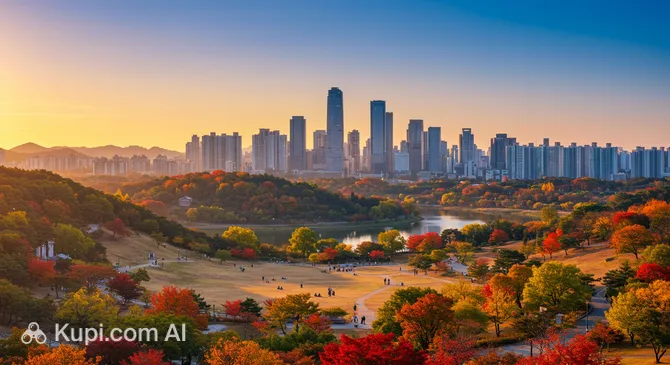
One of the city's gems is Yuldong Park, which is famous for its picturesque lake and spacious walking paths. This place is perfect for active recreation: here you can go bungee jumping, ride a bike, or have a picnic on the grass while enjoying panoramic views. The park often serves as a venue for seasonal festivals, filled with vibrant colors and music.

Yuldong Park. Illustration.
Source: Kupi.com AI

Traveler photos:

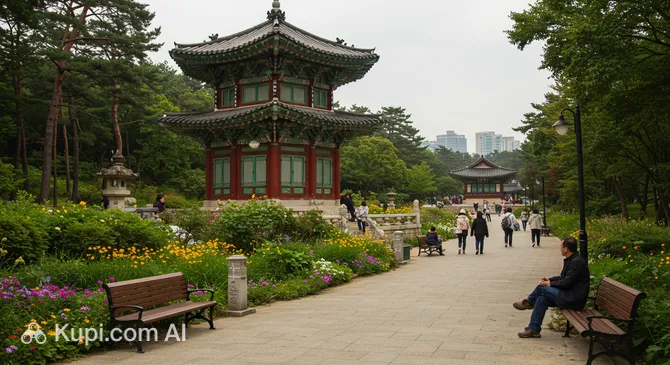
For those seeking tranquility amidst the urban pace, Bundang Central Park is open to visitors. It is designed to complement the natural landscape and includes traditional Korean pavilions, bridges, and well-maintained gardens. It is a popular spot among locals, where you can see street performers or simply enjoy the quiet by the water in the heart of the business district.

Bundang Central Park. Illustration.
Source: Kupi.com AI

Traveler photos:

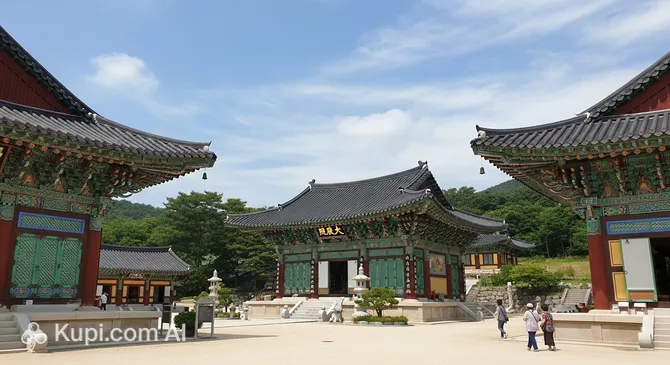
Lovers of spiritual architecture should visit Daegwansa Temple (Cheontae Order). This majestic temple complex impresses with its detailed craftsmanship and vibrant colors. The temple is located in the foothills, providing visitors with fresh air and a peaceful atmosphere. Here, you can learn about Korea's Buddhist traditions and see unique works of religious art.

Daegwangsa Temple (Cheontae Order). Illustration.
Source: Kupi.com AI

Traveler photos:

The modern side of Seongnam is embodied by the Pangyo district, home to the Pangyo Library — a true architectural masterpiece. Furthermore, the city's cultural life is centered at the Seongnam Arts Center, which regularly hosts world-class concerts, theatrical productions, and contemporary art exhibitions, making the city a key point on the region's cultural map.

Local Cuisine

Seongnam's gastronomic scene is a harmonious blend of centuries-old Korean traditions and modern global trends. In the city, you can find everything from authentic street food stalls to exquisite restaurants. Be sure to try Korean classics: spicy kimchi, hearty bibimbap, and tender samgyeopsal (grilled pork belly), which are prepared in local establishments with special attention to the freshness of ingredients.

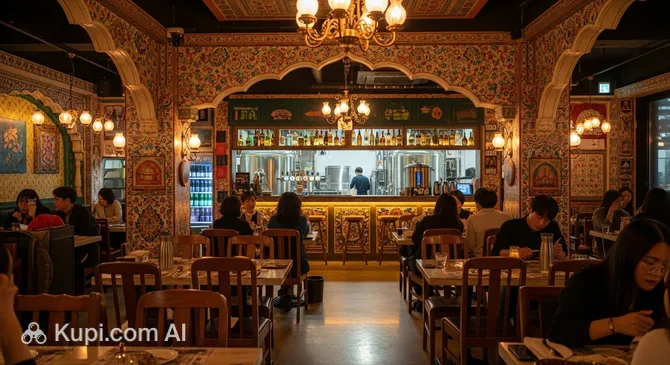
For meat delicacy lovers, Yoonmilwon restaurant is an excellent choice, known for its traditional Korean dishes and cozy atmosphere. Locals value this place for its consistent quality and loyalty to old recipes. If you crave variety, the Bundang Indian Brewery operates in the Bundang-gu district, where spicy Indian dishes are complemented by craft beers.

Bundang Indian Brewery. Illustration.
Source: Kupi.com AI

Traveler photos:

The Pangyo Techno Valley and Seongnam's residential neighborhoods are home to a huge number of cafes and dessert bars offering the famous Korean shaved ice dessert, bingsu, or traditional teas. For a drink, try the local rice wine, makgeolli, or the traditional soybean drink, sisu-ju. In the evening, many head to the food courts of large shopping malls or markets to enjoy fresh ramen and the atmosphere of a vibrant Korean metropolis.

Travel Tips

Seongnam is a friendly and modern city, and your visit will be even more pleasant if you use these practical tips for travelers.

  1. Dress for the Season: Pack light cotton clothes for the humid summer and warm down jackets for the freezing winter. Be sure to wear comfortable shoes, as you will be doing a lot of walking in parks and spacious shopping malls.
  2. Transport Card: Immediately upon arrival, buy a T-money card at any store (e.g., 7-Eleven). It works for the subway, buses, and even taxis, and also provides discounts for transfers.
  3. Navigation: Google Maps does not always work correctly in Korea. Download the Naver Maps or KakaoMap apps — they have English interfaces and show real-time transport schedules.
  4. Finances and Cards: The South Korean Won (KRW) is the local currency. Cards are accepted almost everywhere, but it's worth having a small amount of cash for small street food stalls and markets.
  5. Connectivity: Wi-Fi is available in many public places, but for complete freedom, it's better to get an eSIM or rent a portable router (Egg) right at the airport.
  6. Local Etiquette: Greet people with a slight bow. Remember that it is customary to remove your shoes before entering temples and some traditional restaurants.
  7. What to Avoid: Try not to talk loudly on public transport and do not leave tips in restaurants — it is not customary and may embarrass the staff.
  8. Useful App: Install Kakao T for calling a taxi, as hailing a car on the street during rush hours can be difficult.

Following these simple rules will help you feel at home in Seongnam and fully enjoy the hospitality of this amazing city.

Entertainment & Nightlife

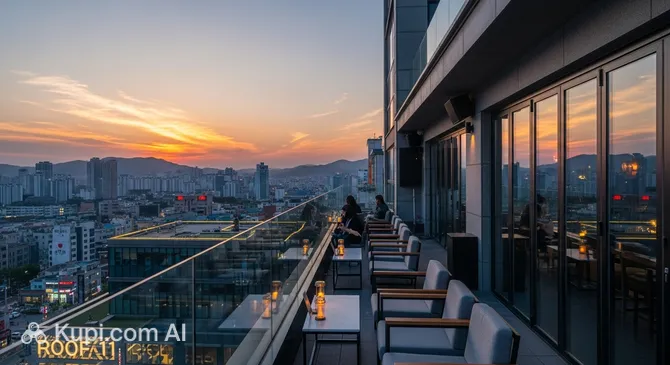
Seongnam's nightlife, especially in the Bundang-gu district, offers many options for evening relaxation in a more relaxed and sophisticated atmosphere compared to bustling Seoul. Conceptual bars and cozy pubs are popular here, where the local crowd and tech park office workers unwind after a workday. One interesting spot is the Roof 11 bar, offering an excellent selection of drinks and a modern interior.

Roof 11. Illustration.
Source: Kupi.com AI

Traveler photos:

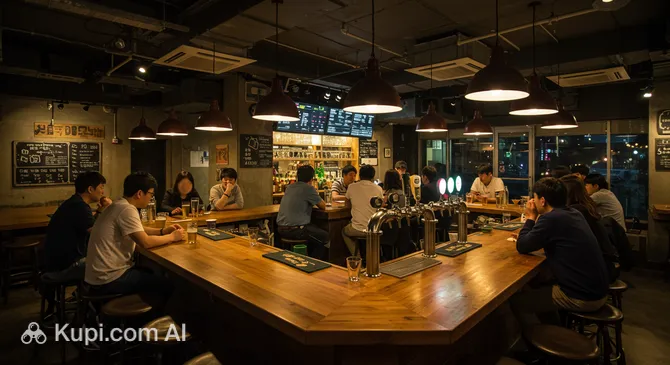
Craft beer enthusiasts and those looking for social interaction should check out Daily Beer Pangyo Station. This establishment is famous for its hospitality and quality assortment of brews, becoming a hub for young people and expats. The areas around Bundang and Pangyo metro stations also feature numerous karaoke boxes (noraebangs) and game centers that stay open late into the night.

Daily Beer Pangyo Station. Illustration.
Source: Kupi.com AI

Traveler photos:

Cultural entertainment in the city is primarily represented by the Seongnam Arts Center. Here, you can attend opera, ballet, or contemporary photography exhibitions. An evening stroll through illuminated parks, such as Yuldong Park, is also a popular leisure activity — many recreation zones remain safe and accessible during dark hours, creating a romantic atmosphere.

Parks & Museums

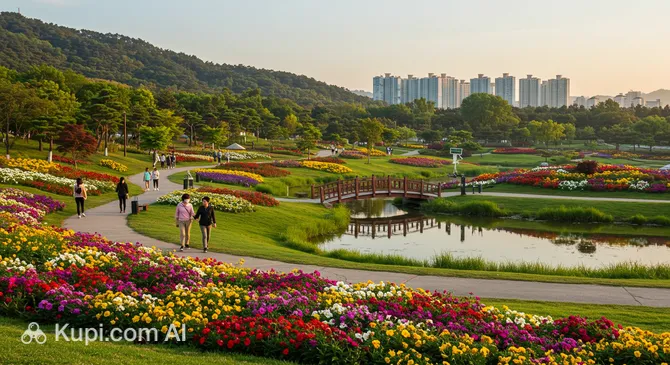
Seongnam is rightly considered one of the greenest cities in the region thanks to its magnificent recreation areas. Bundang Central Park is an oasis of silence with winding paths, traditional gazebos, and a picturesque lake, where cherry blossoms bloom in spring and foliage turns golden in autumn. It is an ideal place for leisurely walks and getting to know Korean landscape art.

Bundang Central Park. Illustration.
Source: Kupi.com AI

Traveler photos:

Another important natural location is Yuldong Park. It attracts active leisure enthusiasts with its sports grounds and famous bungee jumping tower. Beyond the adrenaline, the park offers panoramic views of the surrounding hills and well-kept flower beds that change their appearance depending on the season, creating a beautiful backdrop for photos.

Yuldong Park. Illustration.
Source: Kupi.com AI

Traveler photos:

The cultural life of the city centers around the Seongnam Arts Center, which combines the functions of a modern museum, gallery, and concert hall. Exhibitions by Korean and foreign artists are held here regularly. It is also worth visiting the library in the Pangyo district, which functions as a cultural hub with educational spaces and exhibition zones, reflecting the city's commitment to innovation and knowledge.

Getting Around

The public transport system in Seongnam is distinguished by exceptional precision and convenience. The backbone of the network is the subway, particularly the Shinbundang Line, which connects the city to central Seoul via high-speed trains. Trains run every 5–10 minutes, and the stations themselves are equipped with elevators and clear English-language navigation.

Seongnam's bus network covers all areas of the city, including the most remote residential complexes. For trips to and from Seoul, red express buses are often used, which travel in dedicated lanes to minimize travel time. For fare payment, it is most convenient to use a single transport card like T-money or Cashbee, which can be purchased and topped up at any convenience store. When transferring between bus and subway (and vice versa) within a certain timeframe, a significant discount applies.

For short trips around the city, taxis are popular and can be hailed through the Kakao T app. Seongnam is also actively developing its micro-mobility infrastructure: there are many bike lanes, and pedestrian zones in the Bundang and Pangyo districts are designed so that key locations can be easily reached on foot. The system operates from early morning until midnight, ensuring reliable connections between all parts of the metropolis.

Accommodation

For travelers who value comfort and high service standards, Seongnam offers modern business hotels, concentrated primarily in the high-tech Pangyo district. One of the best options is considered to be Courtyard Seoul Pangyo, chosen for its stylish design, proximity to the subway, and panoramic city views. It is an excellent base for those planning to combine business meetings with sightseeing.

If your budget is limited, high-quality three-star hotels and apartments can be found in the city center and the Bundang-gu area. For example, the Seongnam Fox hotel is popular for its clean rooms and convenient location relative to transport hubs. Many apartment rental options are also available in residential quarters via online services, allowing you to feel like a local resident.

It is recommended to book accommodation in Seongnam in advance, especially during major IT conferences or during the spring cherry blossom season, when the city's parks attract many visitors. When choosing an area to stay, look for proximity to Shinbundang Line subway stations — this will ensure you have the fastest possible access to both local parks and Seoul's main attractions.

Nearby Cities

Thanks to its developed transport network, Seongnam serves as an ideal starting point for exploring nearby cities in Gyeonggi Province. Just a 20-minute drive away is Gwacheon, known for its huge Seoul Land amusement park, a zoo, and the National Museum of Modern and Contemporary Art. This destination is great for a full day of family fun.

Another interesting option for a trip is the dynamic city of Anyang, where you can stroll through the Art Park with its unique open-air installations. Also nearby is the city of Gunpo, which attracts tourists with its nature trails and temples. If you have more time, you can head to neighboring Yongin to visit the famous Korean Folk Village or the Everland theme park.

CityPopulationDistance
Gwacheon64 81712 km
Bongnam-dong67 69412 km
Uiwang154 87913 km
Gunpo285 72115 km
Anyang573 29616 km

Many travelers also use Seongnam as a convenient base for frequent trips to Seoul, which can be reached by subway faster than from some outskirts of the capital itself. Exploring Seongnam's surroundings allows you to see South Korea from different perspectives: from ultra-modern metropolises to quiet foothills with ancient monasteries.

Shopping & Souvenirs

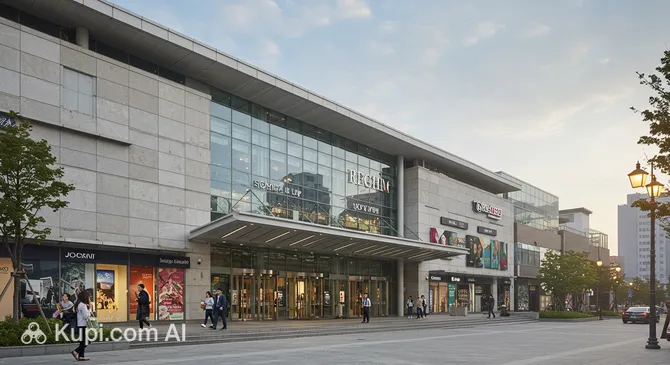
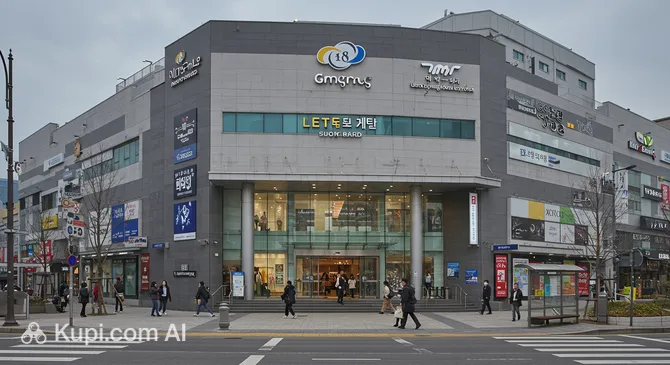
Shopping in Seongnam is an exciting activity, offering a choice from global luxury brands to authentic Korean goods. The main attraction for shoppers is the Pangyo Shopping Center (Hyundai Department Store). This is one of the largest and most modern department stores in the country, housing fashion boutiques, electronics stores, and a huge food court with delicacies from around the world under one roof.

Pangyo Department Store. Illustration.
Source: Kupi.com AI

Traveler photos:

For those looking for quality goods at more affordable prices, the 2001 Outlet is a great fit. Sales of branded clothing and accessories are frequent here, making it popular among locals. The Bundang-gu district also features many concept stores and specialized shops where you can find the latest gadgets and cosmetics — Korea's main export products.

2001 Outlet. Illustration.
Source: Kupi.com AI

Traveler photos:

As souvenirs from Seongnam, it is worth bringing back traditional Korean tea, ceramics, or high-quality Korean cosmetics. Shops are usually open from 10:00 to 20:00 or 21:00, and large shopping centers stay open until late evening. International bank cards are accepted everywhere, and for foreign tourists, a Tax Free system is available at many large outlets, allowing for a tax refund upon leaving the country.

Reached the end of the page?

That means the route is fully explored