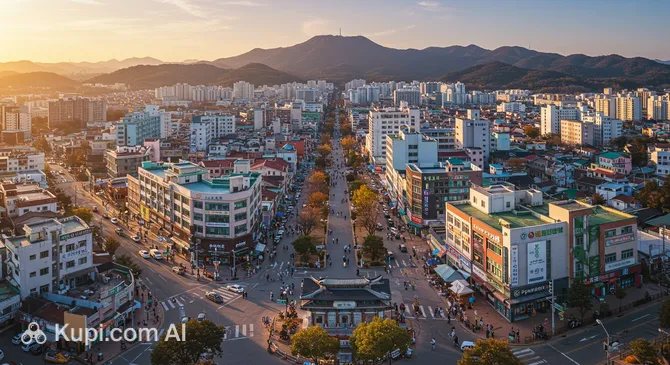
Pyeongtaek is a dynamically developing city in the South Korean province of Gyeonggi-do, harmoniously combining industrial power with the tranquility of agricultural lands. Located about an hour's drive from Seoul, it serves as a vital logistical and economic hub for South Korea. Here, modern high-tech factories stand alongside vast rice fields, creating a landscape unique to the country's "breadbasket."
Pyeongtaek. Illustration.
Source: Kupi.com AI
The city officially received its status in 1986, but its history of development dates back to the distant past when it was formed as a union of several districts. Today, the population of Pyeongtaek exceeds 580,000, and the city has transformed into an international center where a special multicultural atmosphere has formed thanks to the presence of large corporations and foreign specialists.
For travelers, Pyeongtaek is primarily interesting for its agro-parks, ancient temples, and lively commercial zones, such as Rodeo Street in Songtan. Although the city is primarily industry-oriented, its sincere hospitality, excellent transport accessibility, and the opportunity to see the authentic, non-touristic side of Korea make it a worthy stop on any journey through the country.
Weather Overview
The climate of Pyeongtaek is characterized by four distinct seasons, typical for this part of the Korean Peninsula. Winters are cold and dry, with average temperatures in January dropping to -1°C, and night frosts down to -5°C possible. Summers, conversely, are hot and humid: in July and August, the thermometer often rises above +29°C. Detailed weather in Pyeongtaek by month will help you plan your travel wardrobe more accurately.
An important feature of the region is the rainy season ("jangma"), which falls in July and August — most of the annual rainfall occurs during this time. The city's flat terrain allows for good ventilation, but during summer heatwaves, humidity can be quite high. Spring (April–May) and autumn (October–November) are considered the best times to visit: during these periods, the weather is mildest and most comfortable for long walks in agro-parks.
Average monthly temperature
Average monthly precipitation
Interesting Facts
Pyeongtaek is a city with a rich past and an ambitious future. Here are a few facts to help you get to know it better:
Ancient Roots: Although modern city status was only granted in 1986, settlements in this area have been known since 940, during the Goryeo Dynasty.
Rice Capital: Located on fertile plains, the city is a key producer of the famous "Gyeonggi" rice variety, considered one of the best in the country.
International Recognition: In 2023, Pyeongtaek was officially recognized as an International City of Peace and Safety, highlighting its openness and multicultural status.
Culinary Center: Sudosa Temple, located nearby, is a recognized center for traditional Korean temple food, attracting foodies and pilgrims alike.
Tech Giant: Some of Samsung's largest production facilities in the world are located here, making the city a vital hub for the global semiconductor industry.
How to Get There
Pyeongtaek boasts excellent transport accessibility, making it a convenient destination for trips from the capital and other regions. The city is located about 70 kilometers south of Seoul and can be reached in an hour by car or train. Information on the most convenient routes and types of transport can be found on the page how to get to Pyeongtaek.
The city does not have its own civilian airport, so most tourists arrive via Incheon International Airport (ICN) or the domestic Gimpo Airport (GMP). Comfortable limousine buses run regularly from Incheon to Pyeongtaek, with travel times of about 1.5–2 hours depending on traffic.
Rail travel is the fastest way to get around. Pyeongtaek Station serves both regular suburban trains and express lines. Additionally, high-speed SRT trains pass through Pyeongtaek Jije Station, allowing travel to the southern regions of Korea or to Seoul in a matter of minutes.
Station
Passenger traffic
Distance
Suwon Station
12
33 km
Jungang Station
12
36 km
Choji Station
12
36 km
Ansan Station
12
37 km
Oido Station
15
42 km
Main Attractions
Even though Pyeongtaek is primarily known as an industrial giant, there are several locations worth a traveler's attention. One popular recreation area is Yesul Park, which offers residents and visitors green alleys for leisurely strolls and spaces for active outdoor leisure. It is an excellent place to trade city noise for a peaceful natural atmosphere.
History and culture enthusiasts should visit the South African Air Force Monument, established in memory of international cooperation, as well as the ancient Sudosa Temple. Sudosa Temple is famous not only for its architecture but also for its temple cuisine traditions, which allow visitors to experience the spiritual heritage of the region in a serene setting.
For those looking for a more modern rhythm, Songtan Rodeo Street is ideal. This shopping and entertainment zone caters to an international crowd, featuring numerous shops, restaurants with diverse cuisines, and souvenir stalls. It is the heart of the city's international life, where activity is always buzzing and goods for every taste can be found.
Local Cuisine
The gastronomic scene in Pyeongtaek is a surprising mix of Korean traditions and international influences. The foundation of local cuisine is the famous Gyeonggi rice, grown in the surrounding fields. You can try dishes made from it, as well as unique vegetarian temple food, near Sudosa Temple, where chefs follow centuries-old monk recipes.
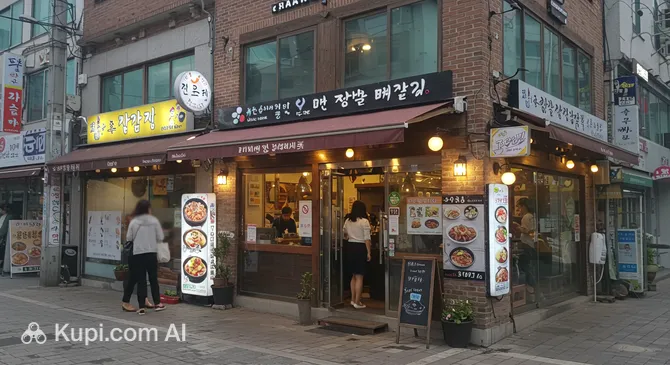
For those who want to experience the classics, a visit to places like Bonga Cham Sundae Main Branch is a must. Here you can taste sundae — Korean blood sausage prepared according to traditional standards. The city is also famous for its barbecue and fresh seafood delivered from nearby port areas.
Bonga Cham Sundae Main Branch. Illustration.
Source: Kupi.com AI
Traveler photos:
The Songtan district holds a special place on the city's culinary map. Fusion cuisine thrives here: you will find the famous "Songtan burgers," which have become a local legend, as well as many American and European diners. After a hearty lunch, you can stop by the stylish Main Street space for a coffee in a modern setting. As for drinks, be sure to try the local rice wine makgeolli or classic soju.
Travel Tips
Preparing for your trip to Pyeongtaek will make your journey as comfortable as possible. Here are some tried-and-tested tips to help you navigate the city and feel at home.
Clothing and Essentials: Korea has distinct seasons. In summer, bring light cotton clothing and an umbrella; in winter, a warm jacket, as winds across the plains can be piercing. For visiting temples like Sudosa, choose modest clothing. Don't forget a power adapter (type F) and comfortable shoes.
Transport: Be sure to buy a T-money card. It works on buses, trains, and even some taxis. For navigation, it's better to use Naver Maps or KakaoMaps, as Google Maps does not always work correctly in Korea.
Finances: The currency is the Korean Won (KRW). Cards are accepted almost everywhere, but it's better to have some cash on hand for traditional markets and small shops. Tipping is not expected in Korea.
Health and Safety: The city is very safe, but keep an eye on your belongings in crowded places (markets, stations). Pharmacies are marked with the sign 약 (Yak). Tap water is not recommended for drinking; it's better to buy bottled water.
Communication: English is widely spoken in the Songtan area, but translation apps will help in other parts of the city. Learning a simple "Annyeong-haseyo" (Hello) always wins favor with the locals.
Local Etiquette: When greeting someone or passing money/items, use both hands — it's a sign of respect. Always remove your shoes before entering a traditional restaurant or a private home.
What to Avoid: Do not get into arguments with taxi drivers and avoid loud behavior on public transport. Also, avoid taking photos of people without their permission, especially in residential areas.
Following these simple rules will help you enjoy the atmosphere of Pyeongtaek and make your introduction to Korean culture pleasant and memorable!
Entertainment & Nightlife
Evening life in Pyeongtaek is concentrated in several key spots, the most famous being Songtan Rodeo Street. Due to the proximity of international infrastructure, this area resembles a small American neighborhood, filled with pubs, karaoke bars (noraebangs), and restaurants. The atmosphere here is friendly and cosmopolitan, with establishments staying open late into the night, offering both traditional Korean snacks and Western fast food.
In the city center, near large shopping complexes and the railway station, you can find modern cinemas and entertainment centers with gaming zones. One notable place for relaxation is the Main Street complex, where you can spend time in a cozy setting. For those who prefer a quiet evening, dinner at a traditional restaurant like Bonga Cham Sundae Main Branch, serving classic Korean delicacies, is an excellent choice.
Daytime entertainment in the city includes visiting agro-parks and cycling across the scenic plains. On weekends, the city often hosts local festivals dedicated to farm products or culture. If you are looking for massive nightclubs or world-class concerts, the excellent transport links allow you to quickly reach neighboring Suwon or Seoul itself.
Parks & Museums
Green zones in Pyeongtaek are primarily concentrated in agro-ecological parks that reflect the agricultural soul of the region. One of the most pleasant places to relax is Yesul Park, where landscape design and quiet trails create ideal conditions for a family picnic or a morning jog. Residents value these spaces for the chance to take a break from the industrial pace.
For those interested in culture, Sudosa Temple is a must-visit. It is not just a religious site but a living museum of traditions, where you can learn about the history of Buddhism in the region and the unique culture of preparing temple food. Another historical point is the South African Air Force Monument, which tells the story of international support during the country's challenging times.
While the city itself lacks massive museum complexes, its streets and public spaces, such as Main Street, are interesting in their own right as examples of modern Korean urbanism. Pyeongtaek is a place where nature and history unfold through quiet parks and ancient temples, offering a peaceful and meaningful escape.
Getting Around
The public transport system in Pyeongtaek is reliable and covers both densely populated urban areas and remote agricultural outskirts. Buses form the backbone of intra-city transport. The route network is extensive; however, it's worth noting that during rush hours (7 to 9 AM and 5 to 7 PM), serious traffic jams can occur on main thoroughfares due to workers commuting to industrial zones.
For fare payments, it is most convenient to use the T-money integrated transport card, which can be purchased and topped up at any convenience store (like 7-Eleven or CU). The card allows for discounted transfers. Taxis are also available throughout the city; the KakaoT app is handy for hailing one, though it's easy to catch a car on central streets with a simple wave of the hand.
A particular point of pride for the region is its rail connection. From Pyeongtaek and Jije stations, you can quickly reach any part of the country via high-speed trains. The city's flat terrain also makes bicycles popular, especially in park zones and open spaces, making two-wheeled transport an excellent alternative for outings in good weather.
Accommodation
The hotel sector in Pyeongtaek is primarily geared toward business travelers and expats, which dictates the nature of local accommodation. You won't find massive resort complexes here, but there is an excellent selection of modern mid-range hotels and comfortable apartments for long-term stays.
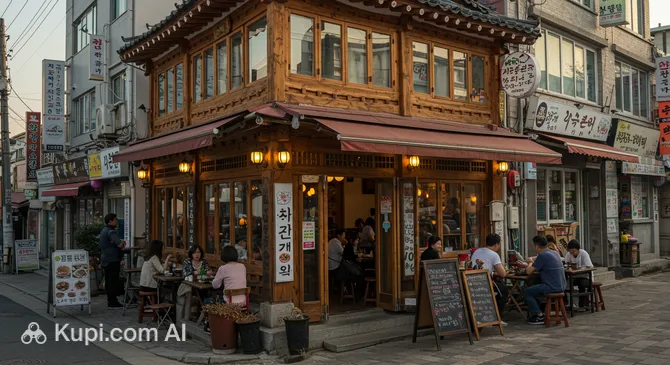
For tourists, the most convenient area to stay is Songtan (especially near Rodeo Street) or the area around the central station. These locations have the highest concentration of hotels with English-speaking staff, as well as many cafes and shops within walking distance. For example, decent accommodation options can always be found near popular spots like Main Street.
Main Street. Illustration.
Source: Kupi.com AI
Traveler photos:
If you are planning a budget trip, look into small motels and guesthouses, which in Korea often offer high levels of cleanliness and basic comfort for reasonable prices. During peak seasons and large industrial exhibitions, it is recommended to book accommodation in advance, as demand from the business community in Pyeongtaek is traditionally high.
Nearby Cities
Thanks to its location at the heart of major transport arteries, Pyeongtaek serves as a great starting point for exploring neighboring regions. From here, it’s easy to set off on a short trip to see historic fortresses, modern megacities, or cozy seaside towns.
Just a half-hour train ride away is Suwon, famous for its grand Hwaseong Fortress, a UNESCO World Heritage site. It is an ideal place for those wanting to dive into the history of the Joseon Dynasty. It is also worth visiting Asan, known for its hot springs and picturesque arboretums, or Cheonan, home to the impressive Independence Hall of Korea.
For those who prefer the sea, Dangjin is an interesting destination, while fans of urban walks and shopping will enjoy Osan and, of course, the glowing lights of Seoul, which can be reached in less than an hour.
Exploring the surroundings of Pyeongtaek will allow you to see the full diversity of South Korea — from high-tech industrial landscapes to quiet ancient monuments and nature parks.
Shopping & Souvenirs
Shopping in Pyeongtaek offers tourists two completely different experiences: modern shopping malls and colorful traditional markets. Large department stores are concentrated near the central station, featuring world-famous brands alongside popular Korean cosmetics and clothing. Stores here operate on a standard schedule, usually until 21:00 or 22:00, and international bank cards are accepted everywhere.
If you are looking for something more authentic, head to the local markets. Pyeongtaek is famous for its farm products, so the best souvenir would be a pack of premium Gyeonggi rice or local sweets. For unusual items and an international atmosphere, visit Songtan Rodeo Street, where you can find military-themed souvenirs, military-style clothing, and various handmade crafts.
Spaces like Main Street are perfect for a break between purchases, combining modern design with a place to grab a snack. Don't forget that in large retail outlets, you can apply for Tax Free when spending over a certain amount (usually 30,000 KRW), making your shopping even more enjoyable.