Support

Hallim

About

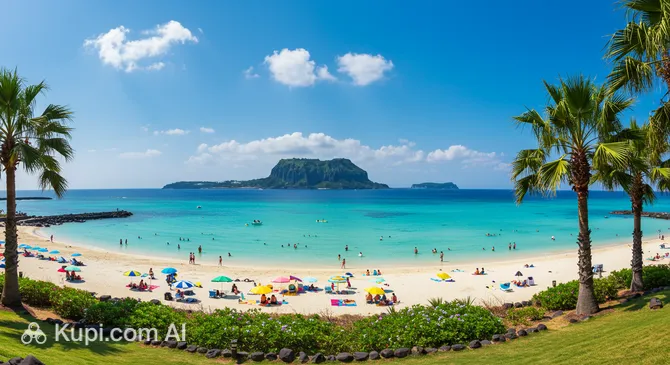
Hallim is a charming town nestled on the west coast of the picturesque Jeju Island in South Korea. With a population of just over 22,000 people, Hallim offers its guests a unique atmosphere of peace and tranquility, far from the hustle and bustle of major metropolises.

Hallim. Illustration.
Source: Kupi.com AI

The town lies at the foot of the majestic extinct volcano Hallasan, surrounded by lush subtropical greenery and beautiful beaches. This fortunate geographical location gives Hallim a mild climate, refreshing sea breezes, and the opportunity to admire stunning sunsets over the waves of the Yellow Sea. Despite its modest size, Hallim possesses an unmistakable charm where life flows at a measured pace, and every corner seems to invite leisurely strolls and contemplation of natural beauty.

Hallim is particularly famous for its unique botanical park, which impresses with its variety of flora and landscape design. In addition, the town attracts tourists with its diverse natural landscapes, from the coast to the foothills, and rich local vegetation. It is an ideal place for those who want to explore the natural wonders of Jeju Island.

If you are looking for privacy, inspiration, and a desire to discover the "real" Korea, Hallim is an excellent choice. By visiting this hospitable town, you will certainly feel its special magic and may find yourself wanting to return again and again.

You can find more interesting facts on the Hallim city history page.

Weather Overview

The weather in Hallim is characterized by distinct seasonal changes. Summer, especially in July and August, is warm and humid: the average temperature in July is 25.2°C, reaching 26.8°C in August, with maximum daytime temperatures ranging between 26.4-28.1°C. Summer months (June-August) are characterized by a moderate amount of precipitation (about 6 mm per month), and this is one of the wettest periods of the year, second only to September (8 mm) in total rainfall. Winters, from December to February, are quite cool: average temperatures range from 6.2°C in January to 7.7°C in December, with minimum temperatures during this period varying from 4.6°C (January) to 6.1°C (December). Precipitation is also frequent in winter, but the total amount is small (2-3 mm per month). Spring and autumn are transitional seasons with pleasant temperatures and changeable weather. Overall, expect a warm and humid summer, and cool winters with frequent but not heavy precipitation. To find out more details, see the detailed weather forecast for Hallim.

Average monthly temperature

Average monthly precipitation

Interesting Facts

In addition to its picturesque landscapes and proximity to famous beaches, Hallim hides several amazing features and stories that are not always known to a wide circle of travelers. This corner of South Korea is full of surprises!

  • The city's main gem, Hallim Park, is more than just a botanical garden. A whole world is spread across more than 33 thousand square meters: it has its own ancient lava caves, waterfalls, a unique rock garden, a bonsai collection, an extensive cactus greenhouse, and even a small zoo. A walk through its nine themed zones is comparable to a journey around the tropics.

  • Hallim Park preserves ancient lava caves formed as a result of the eruption of the Hallasan volcano. According to local legends, guardian spirits of the island once lived in one of these caves, and residents performed rituals here to protect themselves from disasters and misfortunes.

  • Despite its modest size, Hallim hosts more than a million tourists annually. This place has become a true mecca for photographers and nature lovers thanks to its seasonal flowers, rare plant species, and incredible ocean views that inspire stunning shots.

  • Within walking distance of the town is the famous Hyeopjae Beach, known for its contrast of white sand and black lava stones. This place is so picturesque that it is often chosen for filming popular Korean dramas and commercials. Locals also proudly claim that this is where you can watch the most beautiful sunsets on Jeju Island.

How to Get There

You can reach Hallim, located on the picturesque Jeju Island in South Korea, in several ways, although air travel is the primary method. The main point of arrival on the island is Jeju International Airport (CJU). This large international airport is located in Jeju City, about 24.4 km east of Hallim. A taxi or local bus ride from there to Hallim usually takes about 50-60 minutes.

For those traveling through mainland South Korea and planning to head to Hallim afterward, there are airports on the mainland from which an additional flight or ferry crossing to Jeju Island will be required. These airports include, for example, Muan International Airport (MWX) and Gwangju Airport (KWJ), both serving the city of Gwangju and located at a distance of about 180-200 km from Hallim (excluding the sea or air route to the island). From these cities, you can reach the ports or take a domestic flight to Jeju.

For clarity, here is a summary of the main airports through which you can reach the region where Hallim is located:

AirportPassenger trafficDistance
Jeju International Airport29.1 mln24 km
Muan International Airport233 337179 km
Gwangju Airport2.0 mln200 km
Yeosu Airport1 mln204 km
Fukue Airport134 308251 km

Since Hallim is on Jeju Island, there is no direct rail connection to the town — there is no railway network on the island. However, if you prefer traveling across mainland South Korea by train, you can travel to one of the port cities and transfer to a ferry to Jeju Island from there. One of the closest to the Jeju ferry crossings and a relatively large station is Mokpo Station, located in the city of Mokpo. The distance to Hallim from here is approximately 157 km, including the sea route. Ferries to Jeju depart regularly from Mokpo. Another major railway hub on the mainland is Gwangju Songjeong Station in Gwangju, from where you can also reach the ports serving the Jeju route.

Below is information about some railway stations on mainland South Korea that can be used as part of the route to Hallim:

StationPassenger trafficDistance
Mokpo Station1.8 mln157 km
Gwangju Songjeong Station3.4 mln201 km
Yeosu Expo Station204 km
Jinju Station259 km

Additionally, Jeju Island can be reached by car ferries from several ports in mainland South Korea, which is convenient if you are traveling with your own or a rented car. It is recommended to check the schedule and ticket availability in advance, especially during the tourist season.

Main Attractions

Hallim, cozying up on the west coast of Jeju Island in South Korea, attracts travelers with its unique natural and cultural sites. Everyone will find something to their liking here, whether it's exploring caves, relaxing on the beach, or getting to know the local flora and fauna.

One of the main gems of Hallim is Hallim Park. This extensive botanical garden impresses with a variety of themed zones: here you can walk along a palm alley, admire exotic flowers, explore two real lava caves — Hyeopjaegul and Ssangyonggul — and visit a small folk village. Hallim Park is a wonderful place for a multi-hour walk to experience the nature and culture of Jeju.

Next to Hallim Park is the famous Hyeopjae Beach. It is famous for its white sand, which is actually crushed shells, and incredibly clear emerald-colored water. The beach offers a magnificent view of Biyangdo Island. It is an ideal place for swimming, sunbathing, and simply enjoying the seascapes, especially at sunset.

For those who want a bit of adventure, consider a trip to Biyangdo Island, which can be seen picturesquely from Hyeopjae Beach. This small volcanic island, formed relatively recently by geological standards, offers hiking trails leading to the crater and the chance to see unique flora. The ferry ride takes only about 15 minutes, making it a great way to spend a few hours exploring untouched nature.

Horse lovers and fans of spectacular performances might enjoy The Ma Park. Here you can see exciting equestrian shows demonstrating the skill of the riders and telling the history of nomadic peoples. In addition, the park offers horse riding lessons and other horse-related activities, making it an interesting place for family holidays and getting to know another facet of Jeju's culture.

Local Cuisine

The gastronomic world of Hallim is a true immersion into the authentic flavors of South Korea, where the freshest seafood and unique local products play the leading role. The culinary hallmark of the town, without a doubt, is the seafood dishes caught right off the coast of Jeju. If you want to understand the true taste of Hallim, start your acquaintance with them.

Central to any connoisseur's menu is hoe (회) – the Korean answer to sashimi. In Hallim, it is prepared from delicate sea urchins, abalone, and firm octopus. Hoe is traditionally served with soy sauce, aromatic sesame oil, and savory cho-gochujang sauce. This combination of textures and flavors can provide a truly unforgettable gastronomic experience.

Besides exquisite hoe, Hallim will delight you with other sea delicacies. Fans of hearty street food should look for traditional Korean seafood soup, which can be tasted, for example, in the folk village area within Hallim Park. Appetizing fried pastries with vegetables and famous Jeju burgers with a juicy patty made from local beef are also often prepared there — an excellent option for a quick and tasty snack.

One cannot talk about Hallim's cuisine without mentioning its famous citrus fruits grown on the island's fertile volcanic soil. Be sure to try the juicy and fragrant hallabong mandarins and the tart yuzu. These fruits are not only eaten fresh but are also actively used for making desserts, refreshing drinks, and even ice cream. Their unique taste has become a true symbol of the region.

As for drinks, in addition to juices and lemonades based on local citrus, it's worth noting the homemade mandarin liqueur, which can sometimes be sampled at local food festivals. The food culture in Hallim is diverse: here you can enjoy the freshest products at farmers' markets, grab some authentic street food, or spend the evening in a cozy cafe or restaurant. The town often serves as a venue for gastronomic festivals where tastings and master classes take place, creating an atmosphere of celebration and hospitality that makes every culinary discovery in Hallim truly special.

Travel Tips

Planning a trip to charming Hallim? Wonderful! To ensure your journey through this corner of South Korea goes smoothly and leaves only pleasant impressions, we've prepared some practical tips.

  1. Clothing and gear for the season:

    The climate on Jeju Island, where Hallim is located, is temperate. In summer (June-August), it's warm and humid – bring light, breathable clothing, sunscreen, and a hat. Spring (April-May) and autumn (September-October) are the ideal times for a visit with comfortable temperatures; a light jacket or sweater will come in handy. In winter (December-February), it can be cool and windy, so warm clothes are a must. Don't forget comfortable shoes for walking, a raincoat or umbrella for potential showers, and a universal adapter (South Korea uses Type F and C sockets).

  2. Transportation savvy:

    In Hallim and the surrounding area, it is most convenient to get around by bus – the main form of public transport on Jeju. Taxis are also available. However, to fully explore Jeju Island, including the picturesque spots near Hallim, it is highly recommended to rent a car. You will need an International Driving Permit for this. Traffic in Korea is on the right-hand side.

  3. Financial matters:

    The local currency is the South Korean Won (KRW). Credit and debit cards (Visa, Mastercard) are widely accepted in most shops, restaurants, and hotels. However, it's always good to have some cash on hand for small purchases or at markets. You can exchange currency at banks or authorized exchange offices at the airport or in the island's major cities, such as Jeju City. ATMs are easy to find, and many support international cards. An estimated daily budget can range from 70,000 to 150,000 won per person, depending on your plans. Tipping in South Korea is generally not practiced and not expected.

  4. Health and safety:

    Hallim, and Jeju Island as a whole, is considered a very safe place. Nevertheless, follow standard precautions: keep an eye on your belongings and be attentive in crowded places. Pharmacies (marked by the word 약국 or a green cross sign) are available, but in a small town like Hallim, 24-hour ones may not exist, so keep a basic first-aid kit with you. Should you need medical assistance, large hospitals are located in Jeju City. The emergency services number (police, fire, ambulance) is 119.

  5. Communication and connectivity:

    The official language is Korean. In tourist areas, staff may speak English, but outside of them, English proficiency is limited. Learn a few basic phrases: "Annyeonghaseyo" (안녕하세요 – Hello), "Kamsahamnida" (감사합니다 – Thank you), "Joesonghamnida" (죄송합니다 – Sorry). For ease of navigation and communication, it is recommended to purchase a local SIM card or rent a portable Wi-Fi router (often called an "egg"), available at the airport or online. Free Wi-Fi is common in cafes, hotels, and public places. Useful apps: Naver Maps (for navigation, as Google Maps has limitations in Korea), Papago (translator), and KakaoTalk (a popular messenger).

  6. Local etiquette:

    Koreans value politeness. When greeting someone, especially elders, a slight bow is customary. Use both hands when giving or receiving anything (e.g., money, business cards). Remove your shoes before entering a Korean home, as well as some traditional restaurants and temples. Speaking loudly on public transport or in other public places is considered impolite.

  7. What to avoid:

    Never write people's names in red ink – it is associated with death. Also, avoid sticking your chopsticks vertically into a bowl of rice, as this resembles ritual offerings to the deceased. Being overly familiar with strangers is also not encouraged.

  8. Special advice for Hallim:

    Hallim is famous for its magnificent Hallim Park and the picturesque Hyeopjae Beach with emerald water and white sand. Be sure to set aside time to visit them; these places are especially beautiful at sunset. And while in coastal Hallim, don't miss the chance to try the freshest seafood in local restaurants – it is one of the gastronomic highlights of Jeju!

We hope these tips help you better prepare for your trip and get the most out of your stay in Hallim. We wish you an unforgettable journey!

Entertainment & Nightlife

Hallim is a picturesque and peaceful town on Jeju Island, where nightlife has its own unique, relaxed rhythm. Unlike bustling Seoul or the central districts of Jeju City, you won't find huge nightclubs with lasers and loud electronic music until dawn here. Evening leisure here consists of cozy bars overlooking the ocean, atmospheric pubs, and restaurants where you can enjoy the freshest seafood to the sound of the waves. South Korea is famous for its late-night dining culture, and Hallim perfectly maintains this tradition in a more intimate format.

The epicenter of evening activity is the Hyeopjae Beach area. It is here, along the coastline, that the most popular establishments are concentrated. At dusk, tourists and locals move from the sandy shore to the cafe terraces, which transform into stylish lounge zones. The atmosphere here is incredibly friendly and casual: there is no strict dress code, and "casual" style or even beachwear is welcome if you are sitting outdoors.

If you are looking for specific places to feel the spirit of modern island life, be sure to check out Sing Sing Eat. This is a popular gastro-pub located in a converted warehouse, attracting a trendy crowd with its stylish interior and excellent cocktail list. For those who prefer a relaxed stay with a sea view, the Hotel Sand cafe-lounge is perfect. Located right on the beach, it resembles an exotic resort and offers a magnificent panorama of Biyangdo Island, which is especially impressive at sunset. Fans of craft beverages should visit the local pride — Jeju Beer Brewery, where you can not only taste fresh craft beer but also learn about its production process.

In addition to bars, Hallim's nightlife is inextricably linked with food. Many barbecue restaurants specializing in Jeju's famous black pork are open until late in the evening. This is a great option to start the night: a hearty dinner in a boisterous group, accompanied by Korean soju. Prices in these establishments are average for the island: a cocktail will cost about 10–15 thousand won, and a barbecue dinner starts from 20 thousand won per person.

As for daytime entertainment, Hallim offers a rich program. The crown jewel is the famous Hallim Park — a vast botanical garden with caves and a folk village. Nature lovers should also visit Geumneung Beach, which is adjacent to Hyeopjae and features turquoise water and views of volcanic rocks.

Safety in Hallim, as in the rest of the country, is at the bottom of the list of concerns — it is very quiet and safe to walk even late at night. However, consider the transportation nuance: public buses stop running quite early. If you plan to stay late at a bar, install the Kakao T app in advance to call a taxi, as hailing a car on the street in quiet areas can be problematic.

Parks & Museums

Hallim, nestled in Jeju Province, offers its guests a harmonious blend of natural beauty and cultural discoveries. This town is a wonderful place for those who want to enjoy picturesque landscapes and get to know the local heritage.

When speaking of Hallim's green spaces, it is impossible not to mention Hallim Park. It is, without exaggeration, one of the main gems of not only the town but the entire Jeju Island. The park is a massive botanical garden divided into several themed zones, including a palm alley, a bonsai garden, the Hyeopjaegul and Ssangyonggul Lava Caves, and a folk village. Visitors can spend a whole day here enjoying the variety of flora, exploring mysterious lava tubes, and learning about traditional Jeju culture. This place is a must-visit for nature lovers and photographers.

Beyond Hallim Park, Hallim and its surroundings boast beautiful beaches, such as Hyeopjae Beach, known for its white sand and emerald water overlooking Biyangdo Island. This is an excellent spot for relaxation, swimming, and watching sunsets. It's also worth paying attention to the coastal trails, which are perfect for leisurely walks and enjoying the sea views.

As for museums and galleries, Hallim and the nearby areas offer interesting options for cultural immersion. While there might not be major metropolitan museums here, you are sure to find small private galleries presenting works by local artists inspired by Jeju's nature. It's also worth looking for themed museums dedicated to, for example, the unique Haenyeo (female divers) culture or the island's volcanic history. Such places often offer interactive exhibits that will be interesting for both adults and children.

For those interested in history and architecture, a walk around Hallim's outskirts can reveal traditional stone houses characteristic of Jeju or small local shrines. While there aren't many grand historical monuments here, the atmosphere itself and the preserved elements of daily life tell the story of the region's past.

Insider Tip: Check out the local markets in Hallim. They offer more than just a chance to buy fresh produce and souvenirs; they are also a great way to observe the everyday life of the townspeople and perhaps try authentic local dishes at small eateries.

Getting Around

When planning your travel around Hallim and its surroundings, it is worth considering that the main type of public transport here, as in most of Jeju Island, is the bus. The bus route network is quite developed and allows you to reach most interesting places.

Buses are the primary mode of travel for many residents and tourists. There are local routes operating within Hallim and nearby settlements, as well as buses connecting it with other parts of the island. Schedules are usually posted at stops, but for more accurate planning, it is recommended to use local transport apps or online maps.

The fare payment system in Hallim is integrated into the island's general system. The most convenient method is using transport cards such as T-money or Cashbee. These cards can be purchased and topped up at most convenience stores (konbini). You must tap the card on the validator when entering the bus, and on some routes, when exiting as well, for the correct calculation of the fare. Cash payment directly to the driver is also possible, but it is advisable to have small change. Fares are relatively low and depend on the distance.

Practical tips for tourists: Single-trip tickets in the form of paper coupons are usually not sold; payment is made either with a transport card or in cash to the driver. Buses generally run from early morning until late evening, but the frequency can vary between routes. Always check the schedule in advance, especially if you plan trips to remote areas or during evening hours.

Besides buses, other alternative modes of transport are available in Hallim: * Taxi: These can be found at stands or called by phone. It is a more expensive but comfortable way to reach your destination, especially if you are traveling with luggage or in a small group. * Car rental: Many tourists prefer to rent a car for free movement around the island, including Hallim. This provides flexibility in route planning and the ability to visit places less accessible by public transport. * Bicycle and scooter rental: In tourist zones and coastal areas like Hallim, you can find bicycle or scooter rental points. This is an excellent option for leisurely rides and exploring the surroundings over short distances.

There are no unique types of transport, such as a historical metro or cable cars, directly within Hallim itself. The main focus is on the bus service and individual modes of transport, which is characteristic of many settlements on Jeju Island.

Accommodation

When planning a trip to Hallim, you will find a variety of accommodation options to suit different preferences and budgets. The town offers a choice from cozy guest houses and budget hostels to comfortable mid-range hotels and rental apartments, allowing every traveler to find a suitable option for their stay.

When choosing a place to stay in Hallim, you should pay attention to areas located near main attractions or transport hubs, which will ensure convenient movement around the town and its surroundings. Many tourists prefer to stay in places from which it is easy to reach the coast or the natural parks for which this region of South Korea is famous. Although specific hotel names depend on your preferences and travel dates, the town features both small family pensions and larger hotel complexes.

Regarding the price range, in Hallim you can find both economical options and mid-range or higher-class housing. For finding and booking accommodation, it is convenient to use popular online platforms that allow you to compare prices and conditions, as well as read reviews from other travelers. Direct booking via hotel websites or by phone is also possible.

Important tip: If your trip falls during the peak tourist season or public holidays, it is recommended to book your accommodation well in advance. This not only guarantees availability but often allows you to get better deals. Early planning will help make your stay in Hallim as comfortable and worry-free as possible.

Nearby Cities

For those looking to explore the surrounding area, Hallim serves as an excellent starting point for day trips to several interesting nearby locations. The region offers various opportunities for short journeys that allow you to better understand the culture and nature of South Korea.

One of the most accessible options is a trip to Jeju City, the island's capital, located just 26 km away. This bustling city offers many shops, restaurants, traditional markets like Dongmun, and cultural sites, making it an ideal place to experience Jeju's urban life. Also worth considering is a trip to Yeosu, located on the mainland about 199 km away (requires a ferry or flight). Yeosu attracts tourists with its picturesque coastal scenery, fresh seafood, and attractions such as the Oceanographic Research Institute and the beautiful Dolsan Park.

CityPopulationDistance
Jeju City435 41326 km
Seogwipo153 86129 km
Jeongseok40 km
Gujwa16 11649 km
Mokpo239 524158 km

These nearby destinations, including both cities on Jeju Island and on the mainland, provide a glimpse into the diverse culture and landscapes of the region. When planning a trip, especially to the mainland, it's worth considering travel time, including potential ferry or air travel.

Shopping & Souvenirs

Shopping in Hallim offers a unique opportunity to get acquainted with the local flavor and purchase authentic products from Jeju Island. The town is not famous for large shopping centers or a string of designer boutiques, but this is exactly where you can find special products and souvenirs reflecting the rich culture and picturesque nature of the region. Tourists should focus primarily on traditional markets and small local shops selling the freshest seafood, farm products, handmade items, and other Korean goods.

In Hallim, there are no clearly defined, extensive shopping streets typical of megacities. Most shops and stalls are concentrated in the central part of the town and in the port area. Walking through these streets, you will discover small shops offering a variety of goods – from food and fresh seafood to souvenirs, clothing, and basic necessities. Such a walk will allow you not only to make purchases but also to better feel the daily atmosphere of Hallim.

Hallim is not the place to go for shopping in huge modern shopping centers. Here you will not find multi-story malls with global international brands. The town offers a more intimate and authentic shopping experience, focused on small specialized shops and colorful local markets.

One of the main points of attraction for shopping enthusiasts and those looking for an authentic experience in Hallim is the Hallim Maeil Sijang traditional market. This is a lively and colorful place where locals and tourists can buy the freshest seafood caught in coastal waters, seasonal fruits (including the famous hallabong mandarins), vegetables, as well as a variety of Korean snacks and prepared dishes. You can also find a small selection of clothing, household goods, and souvenirs at the market. Visiting this market is a great way to immerse yourself in the local atmosphere and try the true tastes of Jeju.

From Hallim and Jeju Island as a whole, it's worth bringing back unique souvenirs to remember your trip. Products made from volcanic lava, cute Dolharubang figurines (stone grandfathers – one of the island's main symbols), and various products from the famous local hallabong mandarins – jams, juices, chocolate, and even wine – are particularly popular. Pay attention to the local green tea grown on Jeju plantations, natural cosmetics based on volcanic clay and seaweed, and, of course, various dried seafood. Small handicrafts, ceramics, or textiles can also make wonderful and authentic gifts.

Most shops in Hallim, as in South Korea in general, are usually open from 10:00 or 11:00 AM to 8:00 or 9:00 PM. Traditional markets often start much earlier, especially the fresh food sections. Small private shops may have their own more flexible schedules. As for payment methods, credit cards from international payment systems (Visa, Mastercard) are accepted almost everywhere, even in many small shops and markets. Nevertheless, it's always useful to have some cash (South Korean Won) for small purchases or in case there's no possibility for cashless payment.

Foreign tourists in South Korea can take advantage of the Value Added Tax (VAT) refund system (Tax Free) for purchases made in participating shops (look for "Tax Free" or "Tax Refund" logos). This usually applies to purchases exceeding a certain amount in a single receipt. To process the refund, you must keep the original receipts and obtain a special Tax Refund form at the shop. The tax refund can be received at the airport when leaving the country or at specialized refund points in the city. It is recommended to clarify the details and conditions directly at the places of purchase.
Reached the end of the page?

That means the route is fully explored