Support

Seogwipo

About

Seogwipo is a true paradise on the southern coast of Jeju Island, picturesquely nestled among volcanic landscapes, rugged cliffs, lush forests, and magnificent beaches. This city in South Korea attracts travelers with its unique atmosphere, where natural beauty and modern comfort blend harmoniously.

Located on Jeju Island, Seogwipo is famous for its mild subtropical climate, fresh sea air, and stunning views. As the island's second-largest city with a population of about 154,000, it offers ideal conditions for both active recreation and peaceful relaxation. Here, you can enjoy warmth almost year-round, making it a popular destination for tourism.
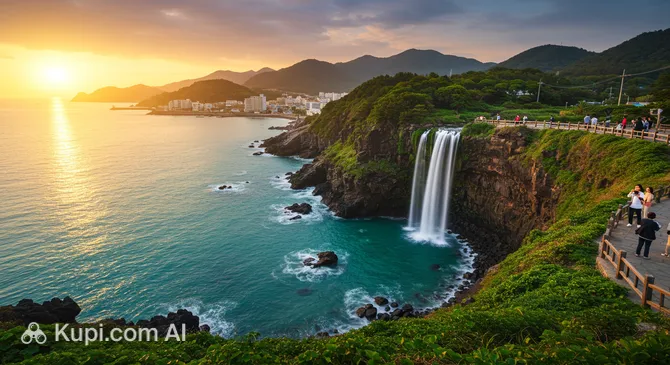
Seogwipo. Illustration.
Source: Kupi.com AI

Seogwipo is not just a resort, but also an important cultural center for the region. The city charms with its combination of modern hotels and cozy guesthouses, traditional markets buzzing with life, and quiet streets. The atmosphere here is filled with harmony: the city's energy intertwines with the tranquility of the surrounding nature. In the evenings, the streets come alive with the aromas of local cuisine and the sounds of music, creating a unique mood.

Among the key attractions that make Seogwipo especially attractive are its famous waterfalls, such as Jeongbang, one of the few in Asia that falls directly into the ocean. No less impressive is Oedolgae Rock, steeped in legends and offering breathtaking views at sunset. Nature lovers will appreciate the numerous hiking trails leading through healing forests and along the scenic coastline.

If you dream of traveling to a world of volcanoes, waterfalls, and endless sea expanses, Seogwipo will be a true discovery for you. This city offers many opportunities for an unforgettable vacation, whether it's romantic walks, getting to know the unique culture of Jeju, or gastronomic adventures. Come to Seogwipo to experience its unique charm!

You can find more interesting facts on the page about the history of Seogwipo
Weather Overview

The weather in Seogwipo offers travelers diverse conditions throughout the year. Summer (June-August) here is warm, with average temperatures around 21-27°C, and quite humid. July and August stand out with the highest number of rainy days, and September is often the month with the largest volume of precipitation. Winters (December-February) in Seogwipo are cool, with average air temperatures in the range of 5-7°C. During this period, the total amount of precipitation is low, though overcast days with light rain are not uncommon.

Overall, when planning a visit, expect warm summers with occasional (and at the peak of the season, frequent) rain and cool winters with a small total amount of precipitation. Spring and autumn provide comfortable transitional weather, ideal for walking and exploring the city. To better prepare for your trip and choose the optimal time, we recommend studying detailed information about the Climate in Seogwipo.

Average monthly temperature

Average monthly precipitation

Interesting Facts

In addition to its famous landscapes and resort atmosphere, Seogwipo holds many surprising stories and unique features that make it even more alluring for curious travelers. Ready to learn some secrets of this charming city?

Jeongbang Waterfall. Illustration.
Source: Kupi.com AI

Traveler photos:

  • Seogwipo is home to one of the few waterfalls in the world whose waters fall directly into the ocean. This refers to the famous Jeongbang Waterfall, which is considered a hallmark not only of the city but of the entire Jeju Island.

  • The city boasts a unique "Healing Forest" (Seogwipo Healing Forest). This is not just a park, but a specially created space with centuries-old cypresses and cedars where wellness programs are held, and the air is saturated with healing phytoncides that promote relaxation and restoration.

  • Seogwipo is a venue for colorful festivals dedicated to local natural gifts, such as tangerine or seafood festivals. You can dive into the authentic atmosphere at vibrant local markets, such as the Seogwipo Maeil Olle Market, where all the variety of local products and crafts is presented.

  • For art lovers, Seogwipo has prepared an encounter with the work of one of the most famous Korean artists of the 20th century. The Lee Jung-seob Art Gallery is located here, where you can get acquainted with his works and learn about his life, part of which was spent in this city.

How to Get There

There are several ways to reach Seogwipo, located on the picturesque Jeju Island, though air travel is the primary method. The nearest and main airport of the island is Jeju International Airport (CJU). It is located in Jeju City, approximately 29.3 km north of Seogwipo. This major international airport serves many domestic and international flights. A trip from the airport to downtown Seogwipo by taxi or bus will take about 60–80 minutes.

If you are traveling through mainland South Korea, you might consider flying to one of the airports there and then taking a ferry to Jeju Island and onward to Seogwipo. For example, Muan International Airport (MWX), located in Gwangju, is an international hub. The total approximate distance from there to Seogwipo, including the sea route, is about 193.5 km. Another option is Gwangju Airport (KWJ), also in the city of Gwangju; the total distance to Seogwipo from here is approximately 209 km. Traveling from these airports requires a combination of ground transport and a ferry and will take significantly longer.

For convenience, here is summary information on the main airports:

AirportPassenger trafficDistance
Jeju International Airport29.1 mln29 km
Muan International Airport233 337194 km
Yeosu Airport1 mln201 km
Gwangju Airport2.0 mln209 km
Fukue Airport134 308222 km

On Jeju Island itself, where Seogwipo is located, there is no rail service. If you plan to travel part of the way by train, you will need to reach one of the port cities on the mainland of South Korea and then continue your journey by ferry to Jeju Island.

One of the key stations on the mainland, convenient for reaching ferry terminals, is Mokpo Station (XKX) in the city of Mokpo. The total distance from Mokpo Station to Seogwipo, including the ferry crossing, is about 171.3 km. Another significant railway hub is Gwangju Songjeong Station (XNJ) in Gwangju. From this station to Seogwipo (also including the ferry), it is approximately 210.2 km. Ferries to Jeju Island depart regularly from both Mokpo and Gwangju (for the latter, you will need to travel from the station to the port).

Here is information on some mainland railway stations that can be used in combination with ferry service for a trip to Seogwipo:

StationPassenger trafficDistance
Mokpo Station1.8 mln171 km
Yeosu Expo Station199 km
Gwangju Songjeong Station3.4 mln210 km
Jinju Station255 km

In addition to air and rail (combined with ferry) connections, Seogwipo can be reached by car if you are already on Jeju Island. Public transport on the island includes buses that link Seogwipo with the airport and other settlements. Taxi services are also available.

Main Attractions

Seogwipo, a charming city on the southern coast of Jeju Island in South Korea, attracts travelers with its picturesque natural landscapes and cultural sites. If you are planning a trip, here are some key attractions you shouldn't miss.

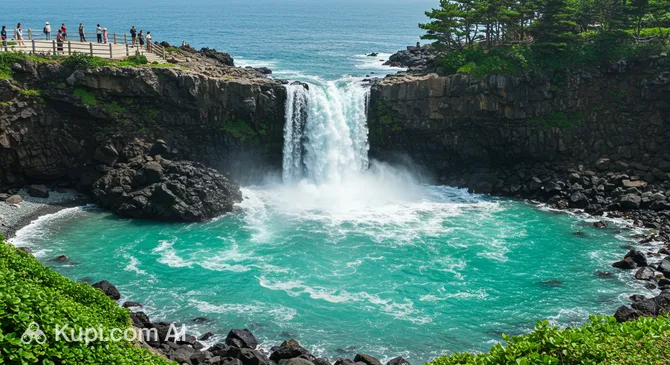
One of the most famous natural gems is Jeongbang Waterfall. This is a unique place, as Jeongbang is the only waterfall in Asia where the water falls directly into the ocean. The 23-meter high water flow creates an impressive sight, especially if you get closer to the base of the falls. It is a wonderful place for photos and enjoying the power of nature.

Jeongbang Waterfall. Illustration.
Source: Kupi.com AI

Traveler photos:

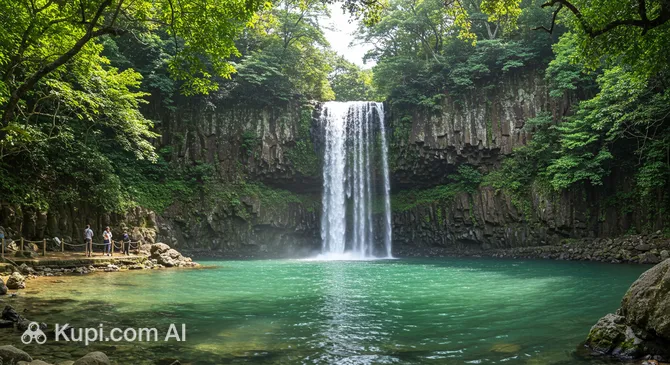
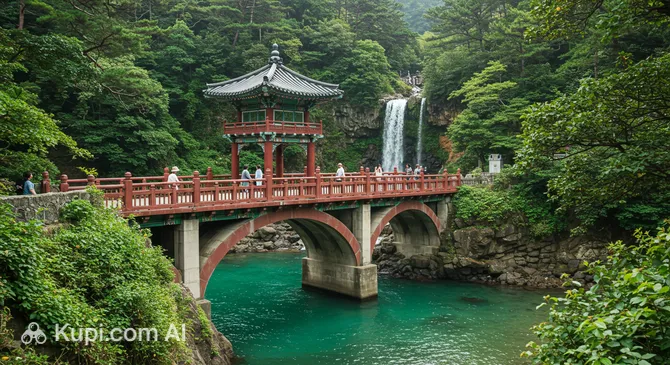
No less famous is Cheonjiyeon Waterfall, also known as the "Pond of the Heavenly Emperor." This picturesque three-tiered waterfall is surrounded by lush subtropical vegetation. Legends say that seven nymphs serving the Heavenly Emperor bathed here at night. Near the waterfall is the beautiful arched Seonimgyo Bridge, decorated with sculptures of these nymphs, which adds a mystical charm to the place.

Cheonjiyeon Waterfall. Illustration.
Source: Kupi.com AI

Traveler photos:

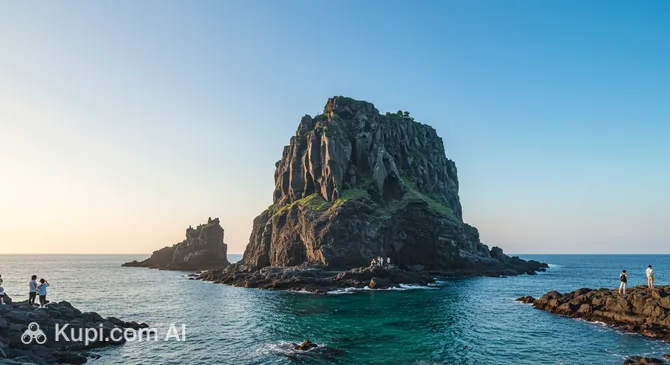
Among other natural wonders, Oedolgae Rock stands out. This impressive 20-meter stone pillar, rising lonely from the sea, has become one of the symbols of Seogwipo. The rock is shrouded in many legends, and its picturesque view, especially at sunset, attracts many tourists and photographers. It is also a popular spot for coastal walks.

Oedolgae Rock. Illustration.
Source: Kupi.com AI

Traveler photos:

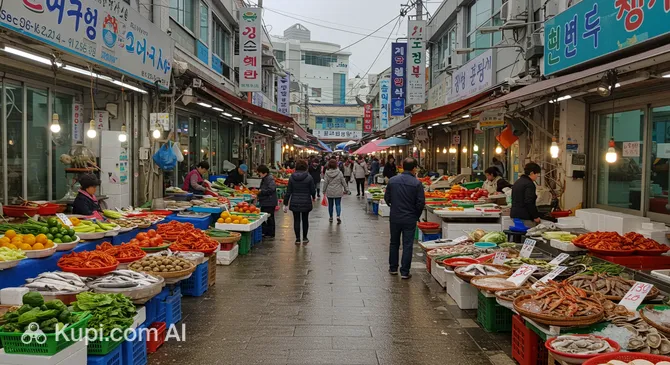
To dive into local life and taste the authentic flavors of Jeju, be sure to visit the Seogwipo Maeil Olle Market. This is a vibrant traditional market where you can find the freshest seafood, Jeju's famous black pork, local fruits, vegetables, as well as a variety of street food and souvenirs. Walking through the market is a great way to experience the culture and daily life of the city.

Seogwipo Maeil Olle Market. Illustration.
Source: Kupi.com AI

Traveler photos:

Local Cuisine

The gastronomic world of Seogwipo is a true immersion into the flavors of Jeju Island, where the freshest gifts of the sea play the main role. Seafood is undoubtedly the culinary hallmark of the city. Local establishments will offer you succulent sea urchins, oysters, various shellfish, and the famous Jeju mackerel. A special place in the hearts of gourmets is held by "hoe" — the Korean version of sashimi, which is prepared here from fish literally just caught from the ocean, guaranteeing incredible freshness and taste.

Another pride of Seogwipo that is definitely worth trying is Jeju black pork. The meat of this special breed is known for its amazing tenderness and rich flavor. It is often grilled over charcoal right in front of the guests, served with spicy sauces, fresh herbs, and vegetables — it's a whole gastronomic performance. And, of course, one cannot forget the symbol of Jeju — tangerines. Juicy and fragrant, they are grown right on the island and sold everywhere, from street stalls to farmers' markets, serving as a wonderful dessert or refreshing snack.

The food culture in Seogwipo is diverse. Locals and tourists enjoy meals both in cozy restaurants specializing in traditional dishes and by exploring vibrant street food. To experience the true flavor, stop by the Seogwipo Maeil Olle Market. Here you can not only buy the freshest products but also try many local delicacies: from fried seaweed and seafood pancakes to spicy seaweed soups and original rice-based sweets. It is a great place to get acquainted with the daily life of the city and its culinary traditions.

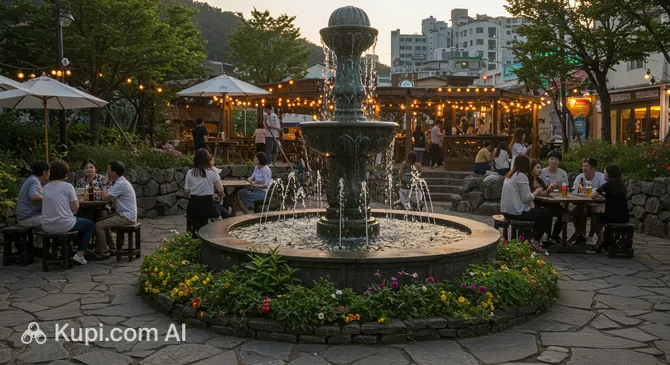
As for drinks, in Seogwipo, as throughout South Korea, traditional alcoholic beverages such as soju (rice liquor) and makgeolli (milky rice wine) are popular. They perfectly complement both hearty meat dishes and spicy snacks. Among non-alcoholic drinks, you should pay attention to various herbal teas and, of course, freshly squeezed tangerine juice — sweet and refreshing. For lovers of something more modern, the city also offers craft beer bars; for example, you can visit the Jeju Beer Fountain to try local varieties.

Jeju Beer Fountain. Illustration.
Source: Kupi.com AI

Traveler photos:

Seogwipo's gastronomic scene attracts tourists with its authenticity, emphasis on fresh local ingredients, and variety of flavors. From exquisite seafood dishes in restaurants like, for example, Grill Jeju, where you can taste the famous black pork, to vibrant street food in the markets — everyone will find something to their liking. The city is also known for its gastronomic festivals, especially the tangerine and seafood festivals, which turn Seogwipo into a true celebration of taste, music, and fun, showcasing the best that the hospitable Jeju Island has to offer.

Jeju Island Grill. Illustration.
Source: Kupi.com AI

Traveler photos:

Travel Tips

Planning a trip to charming Seogwipo? Wonderful! To ensure your journey through this picturesque corner of South Korea goes smoothly and leaves only pleasant impressions, we have prepared some practical tips.

  1. Clothing and Essentials: The weather in Seogwipo, located on Jeju Island, can be changeable. In summer, it is warm and humid, so bring light, breathable clothing, a hat, and sunscreen. In spring and autumn, layered clothing and a light jacket will come in handy. In winter, although not too severe, warm clothing won't hurt, especially if you plan on walking. Be sure to bring comfortable shoes, as there are many natural beauties in Seogwipo and its surroundings that are best explored on foot. Don't forget a power adapter (Type F) and a raincoat or umbrella, especially during the rainy season (usually summer). There is no strict dress code for visiting temples or holy sites, but modest clothing covering the shoulders and knees is recommended.
  2. Getting Around the City: The main form of public transport in Seogwipo is the bus. They cover most of the city and its surroundings. For convenience in paying fares and visiting many attractions, it is recommended to purchase a T-money transport card. Taxis are also available and relatively inexpensive; they can be hailed on the street or ordered via apps (e.g., Kakao T). If you plan to actively explore Jeju Island, renting a car can be a great option, providing freedom of movement. You will need an international driving permit to rent one.
  3. Finances: The national currency is the South Korean Won (KRW). You can exchange currency at banks or exchange offices; the rate at the airport may be less favorable. Credit and debit cards (Visa, Mastercard) are widely accepted in most shops, restaurants, and hotels. However, it's always useful to carry some cash for small purchases at markets or in small establishments. ATMs are easy to find, and many support international cards. Tipping in South Korea is generally not practiced and not expected.
  4. Health and Safety: Seogwipo is a very safe city. Pharmacies (약국 - yakguk) are easy to find, but not all are open 24/7; on-duty pharmacies are usually marked. If medical assistance is needed, there are hospitals and clinics in the city. It is recommended for tourists to have medical insurance. Observe standard precautions: keep an eye on your belongings, especially in crowded places. Tap water in South Korea is considered safe to drink, but many prefer bottled water.
  5. Communication: The official language is Korean. In the tourist areas of Seogwipo, staff at hotels, restaurants, and shops often speak English, but outside these areas, language proficiency may be limited. Learn a few basic phrases in Korean (e.g., "Annyeonghaseyo" – hello, "Kamsahamnida" – thank you); it's always appreciated by the locals. A SIM card with internet access or a portable Wi-Fi router (often called an "egg") can be purchased at the airport or at mobile phone stores. Free Wi-Fi is available in many cafes, hotels, and public places. Useful apps: Naver Map or KakaoMap for navigation (Google Maps has limited functionality for driving routes in Korea) and Papago for translation.
  6. Local Etiquette: Koreans are very polite. A slight bow is a common form of greeting. When giving or receiving items (money, business cards), it is customary to use both hands or the right hand supported by the left. Respect for elders is an important part of the culture. In public places, try not to be noisy or draw undue attention to yourself.
  7. What to Avoid: Try not to write names in red ink — this is associated with death. Do not stick chopsticks vertically into a bowl of rice, as this resembles ritual offerings to the deceased. Also, avoid pointing at people or objects with one finger — it's better to use your whole palm.
  8. Extra Tip – Olle Trails: Seogwipo is the starting point for many of Jeju's famous walking routes — the "Olle trails." If you love nature and walking, be sure to set aside time to explore at least one of these scenic paths. They are well-marked and offer stunning views of the coast and the island's interior.

We hope these tips help you better prepare for your trip and enjoy every moment of your stay in beautiful Seogwipo. Have a safe journey and unforgettable impressions!

Entertainment & Nightlife

Seogwipo, a charming city on the southern coast of Jeju Island, offers its guests not only picturesque landscapes and daytime activities but also a cozy, though not overly hectic, nightlife. There are no massive nightclubs like in Seoul, but there are plenty of pleasant spots to spend an evening.

Most evening activity is concentrated in a few areas. A popular spot is Arang Joeul Food Street, home to many restaurants that stay open late and small bars. It is also worth checking out the area around the Seogwipo Maeil Olle Market, where some establishments come to life after the stalls close. The overall atmosphere is relaxed and friendly, catering to both locals and tourists. The dress code in most places is casual.

Cafe May-B. Illustration.
Source: Kupi.com AI

Traveler photos:

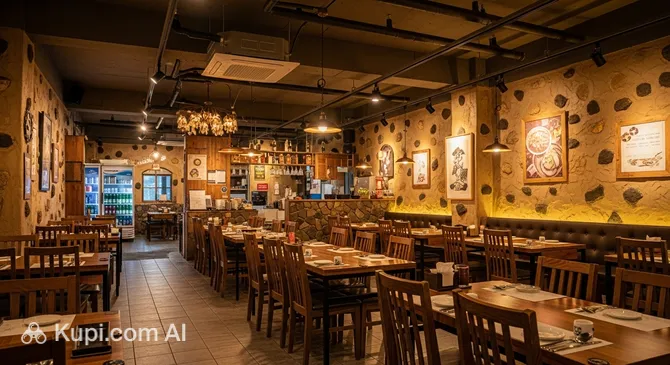
Specific venues include several options. For example, the Jeju Beer Fountain offers a good selection of local and imported beers in a casual setting. For those who prefer a quieter evening with drinks and snacks, May-B Cafe, which transforms into a cozy bar in the evening, might be suitable. Although there are no major nightclubs in Seogwipo, some bars offer music and dancing on weekends. Night markets are not as common here as in other Asian cities, but the aforementioned Seogwipo Maeil Olle Market offers delicious street food in the evening.

The best time to visit bars is after 8:00–9:00 PM; most places stay open until midnight or until the last customer, especially during the tourist season. Average drink prices are moderate. You can get back to your hotel at night by taxi, which is the most convenient and safest method. Seogwipo is considered a fairly safe city, but it is always wise to take standard precautions, especially in less crowded areas late at night.

During the day, Seogwipo offers many cultural and natural attractions. You can visit the Lee Jung-seob Art Gallery or the World Seashell Museum. For nature lovers, there are numerous waterfalls, such as Jeongbang Waterfall and Cheonjiyeon Waterfall, as well as picturesque parks like Jaguri Park.

Parks & Museums

Seogwipo is a city where natural splendor harmoniously combines with rich cultural heritage. Here, everyone will find something for themselves: from picturesque parks and impressive waterfalls to unique museums and art galleries that immerse you in the atmosphere of Jeju Island.

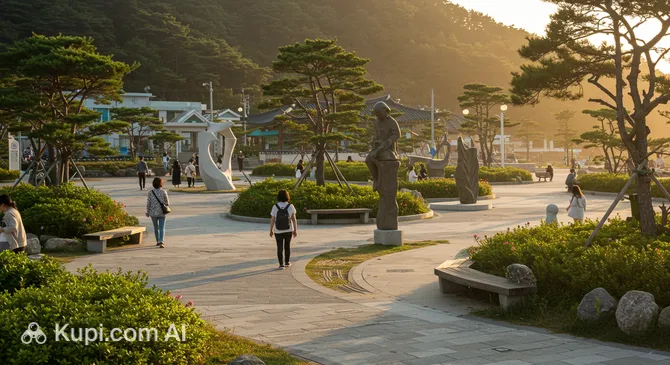
Among the city's green oases, Jaguri Park, located on the coast, particularly stands out. This is a beautiful place for leisurely walks, offering magnificent views of the ocean and nearby islands. The park is equipped with convenient paths and recreation areas, making it popular with both locals and tourists wanting to enjoy the fresh sea breeze.

Jaguri Park. Illustration.
Source: Kupi.com AI

Traveler photos:

One cannot overlook the famous Cheonjiyeon Waterfall, whose name translates as "Pond of the Heavenly Emperor." Legend has it that nymphs descended from the heavens here. The waterfall is surrounded by lush vegetation and is a peaceful sight. Next to it is a picturesque pond, home to rare species of eels.

Another iconic natural attraction is Oedolgae Rock. This 20-meter rock standing alone in the sea, shrouded in many legends, is one of the symbols of Seogwipo. It is especially beautiful here at sunset, when the sun's rays paint the rock and surrounding waters in warm tones. This place attracts photographers and lovers of romantic landscapes.

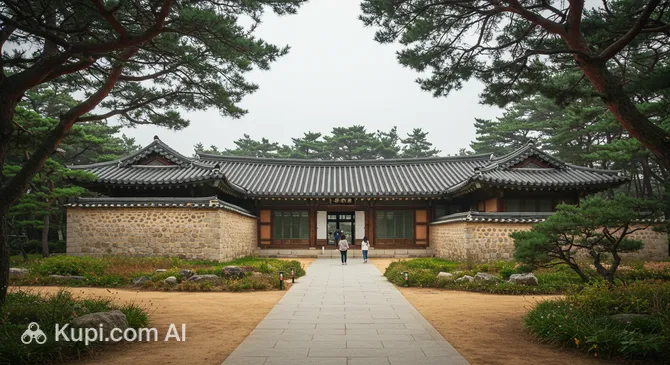
For art lovers, a visit to the Lee Jung-seob Art Gallery is a must. The gallery is dedicated to the life and work of one of the most famous Korean artists of the 20th century, who spent part of his life in Seogwipo. Here you can see his original works and learn more about his contribution to Korean art.

Lee Jung Seop Art Gallery. Illustration.
Source: Kupi.com AI

Traveler photos:

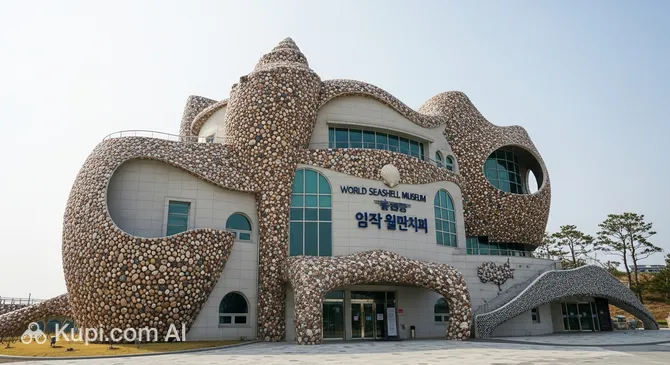
Fans of unusual collections will enjoy the World Seashell Museum. Its exhibition features thousands of shells from around the world, striking in their variety of shapes, sizes, and colors. This is a great place for an educational break, especially if you are traveling with children.

World Seashell Museum. Illustration.
Source: Kupi.com AI

Traveler photos:

Among the architectural landmarks, the Saeyeongyo Bridge stands out — an elegant pedestrian bridge connecting mainland Seogwipo with Saeseom Island. A walk across the bridge, especially in the evening when the lights come on, will provide unforgettable impressions and panoramic views of the harbor and the city.

Saeyeongyo Bridge. Illustration.
Source: Kupi.com AI

Traveler photos:

For those looking for less famous but no less charming places, the Soesokkak Estuary is worth noting. This is a picturesque spot where fresh water meets the sea, forming a unique ecosystem with lava formations and dense vegetation. Here you can ride a traditional Korean "teu" boat and enjoy the silence and beauty of nature.

Getting Around

Public transport in Seogwipo is primarily represented by an extensive network of buses. Buses are the main way to get around the city and its surroundings, and they also allow you to reach other settlements on Jeju Island. There are no subways, trams, or trolleybuses in Seogwipo, which is typical for cities of this size on the island.

The fare payment system for Seogwipo buses is quite convenient. The most common method is using a T-money transport card (or similar ones like Cashbee), which works throughout South Korea. This card can be purchased and topped up at most convenience stores (such as CU, GS25, 7-Eleven) and at some bus terminals. Paying in cash to the driver is also possible, but it is recommended to have small change, as providing change can be difficult. The cost of a trip depends on the route and distance; the base fare on city buses is usually low.

Tourists planning to use public transport should consider a few practical points. When using a T-money card, it must be tapped against the validator both when entering the bus and definitely when exiting — this is important for correct fare calculation, especially on routes with distance-based fares. Buses start running early in the morning and finish late in the evening, but the frequency on different routes may vary, especially in the evening. Schedules and routes are conveniently tracked using popular Korean navigation apps like Naver Map or KakaoMap, which provide real-time information.

Besides buses, there are other ways to get around Seogwipo. Taxis are quite common and can be hailed on the street or called via mobile apps (like Kakao T). For those who prefer more independence and plan to actively explore Jeju Island, renting a car is an excellent and very popular option. Bicycle and scooter rentals are also available in the city and its picturesque surroundings, which is ideal for leisurely rides and exploring coastal zones.

A feature of the Seogwipo transport system is its integration with popular tourist routes, such as the famous Olle walking trails. Many bus routes pass in close proximity to the start and end points of these trails, making them easily accessible for travelers without a personal vehicle.

Accommodation

In Seogwipo, travelers will find a variety of accommodation options to suit any budget and preference. The city offers a wide range of housing: from cozy guesthouses and budget hostels to comfortable mid-range hotels and luxury oceanfront resort complexes. Apartment and villa rentals are also popular, especially for family vacations or extended stays.

When choosing a place to stay, you should pay attention to areas located near major attractions and transport hubs. The central part of Seogwipo is convenient for those who want to be in the heart of the action and have easy access to the Seogwipo Maeil Olle Market or the Lee Jung-seob Art Gallery. For a more peaceful holiday and to enjoy nature, hotels located along the coast are suitable, offering picturesque views, for example, in the area of Jeongbang Waterfall or Cheonjiyeon Waterfall. Among the well-known options are the Jeju GoldOne Hotel & Suites and the Seaes Resort, which offer comfortable accommodation and quality service.

Jeju GoldOne Hotel & Suites. Illustration.
Source: Kupi.com AI

Traveler photos:

The price range for housing in Seogwipo varies from budget to luxury. On average, options can be found for any wallet. It is recommended to book accommodation in advance, especially if your trip falls during the peak tourist season (summer and national holidays). The most common booking methods are popular online platforms and aggregators, as well as direct booking through official hotel websites.

Nearby Cities

For those who want to explore the surroundings, Seogwipo serves as an excellent starting point for day trips to several interesting nearby places:

CityPopulationDistance
Jeongseok22 km
Jeju City435 41328 km
Hallim22 08729 km
Gujwa16 11635 km
Mokpo239 524172 km

These nearby destinations provide insight into the region's diverse culture and landscapes. Especially convenient for a short trip is Jeju City, the administrative center of Jeju Island, offering many cultural and natural attractions. Other cities, such as Gwangju or Changwon, are located on the mainland of South Korea and may require more careful planning for a day visit, but are also of interest for a deep dive into Korean life.

Shopping & Souvenirs

Seogwipo, located on the southern coast of Jeju Island in South Korea, offers tourists pleasant shopping opportunities that combine modern stores with colorful local markets. The city is not famous for huge shopping centers like Seoul, but here you can find unique local goods, fresh products, and souvenirs that reflect the culture of Jeju Island. Lava products, volcanic clay cosmetics, and, of course, the famous "hallabong" tangerines are particularly popular.

The main shopping areas in Seogwipo are the central streets of the city, where small shops, boutiques, and cafes are concentrated. Lee Jung Seop Art Street and its surrounding areas are known for art galleries, souvenir shops, and stores with handmade products. It is also worth strolling through the lively streets in the port area and along the waterfront, where you can find shops with local delicacies and goods for tourists.

Although there are no giant malls in Seogwipo, for everyday shopping and finding a variety of goods, you can visit local supermarkets and retail outlets. One such place is the Seogwipo Hypermarket, which offers a wide range of food, clothing, household goods, and electronics. This is a convenient place for those who want to buy everything they need in one spot.

Seogwipo Hypermarket. Illustration.
Source: Kupi.com AI

Traveler photos:

Markets occupy a special place in the Seogwipo shopping scene. The most famous and popular is the Seogwipo Maeil Olle Market. This is a bustling traditional market where you can immerse yourself in the local atmosphere, try street food, buy fresh seafood, fruits (including the famous hallabong tangerines), vegetables, as well as various local snacks, souvenirs, and clothing. The market operates daily and is a great place to get acquainted with the culture and life of Jeju Island.

As souvenirs from Seogwipo and Jeju Island in general, tourists often bring back: products made from local citrus fruits (hallabong and other types of tangerines) such as jams, juices, and chocolates; volcanic stone or clay products; cosmetics based on the island's natural ingredients; "dol hareubang" figurines (stone grandfathers, symbols of Jeju); handmade items related to the "haenyeo" (women divers) culture; and traditional Korean tea and sweets.

Most shops in Seogwipo typically operate from 10:00–11:00 AM to 8:00–9:00 PM. Markets, especially food sections, may open earlier. In tourist areas, some shops may stay open longer. Credit cards are widely accepted, but cash (Korean Won) may be required at markets and in small shops.

For foreign tourists in South Korea, a Tax-Free system is in place. When making purchases of a certain amount in participating stores (which usually have a corresponding sticker), you can process documents for a VAT refund. The refund can be obtained at the airport when departing the country or at special refund points in the city.

Reached the end of the page?

That means the route is fully explored