Support

Daejeon Jungang Market

Nearby interesting places

About

Daejeon Central Market (Daejeon Jungang Market) is the heart and soul of traditional trade in the city of Daejeon. As one of the oldest and largest markets in South Korea, it offers visitors a unique opportunity to immerse themselves in the authentic atmosphere of everyday Korean life. Located right in the city center, this lively complex is not just a place for shopping, but an important cultural hub where history and modernity intertwine.
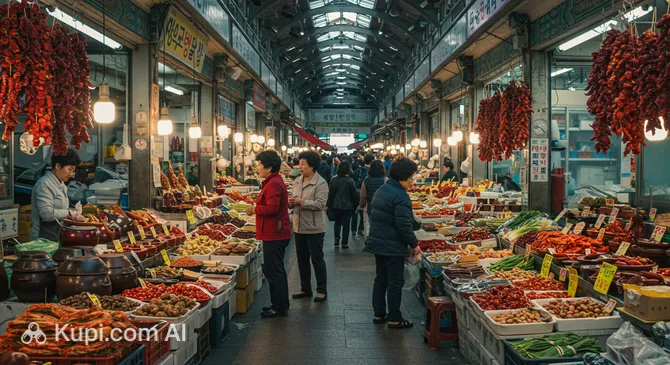
Daejeon Jungang Market. Illustration.
Source: Kupi.com AI

Traveler photos:

Strolling through its countless rows and alleys, you will discover an incredible variety of goods. Everything is sold here: from the freshest seafood and vegetables to fragrant spices, traditional Korean snacks, clothing, and all sorts of household items. It is a true paradise for gourmets and those who want to get to know local cuisine in its most authentic form.

Visiting Daejeon Central Market is not just shopping, but a real adventure. Here you can bargain with vendors, try street food cooked right before your eyes, and feel the unique flavor that makes Korean markets so special. It is the perfect place to buy souvenirs and feel the true spirit of the city.

Contacts

To get the most up-to-date information regarding the operating hours of Daejeon Central Market, it is best to consult local tourist guides or the city's official websites, as the market does not have a single contact center for visitors.

The market is conveniently located in the central part of Daejeon, within walking distance of the train station, making it easily accessible by public transport.

How to contactContact
Address783 Daejeon-ro, Dong-gu, Daejeon, South Korea
Phone number+82 42-226-0319

What to Do

A walk through the Central Market in Daejeon is a true immersion into the authentic atmosphere of Korean life. Its many streets and alleys are filled with the vibrant aromas of spices, fresh produce, and food being prepared. You can wander for hours, looking at stalls with seasonal fruits and vegetables, dried sea fish, and traditional local sweets. It is an ideal place to observe the daily hustle and bustle and feel the energy of the city.

The main thing that draws both locals and tourists here is, of course, the food. The gastronomic rows offer a unique opportunity to get acquainted with the real street food of South Korea. Be sure to try popular dishes like spicy rice cakes tteokbokki, hearty bibimbap, or fluffy steamed buns pyanse. Watching local chefs skillfully cook right in front of you is a pleasure in itself and an integral part of the cultural experience.

In addition to food, you can find many other goods at the market. There are stalls selling traditional medicines and herbs, as well as shops with inexpensive clothing, accessories, and various household items. Central Market is not just a place to shop, but a living organism where various tastings and cultural events are often held. A visit to this place will give you vivid impressions and allow you to better understand the local culture.

Getting There

Daejeon Central Market is conveniently located in the heart of the city, making it easily accessible for tourists. The easiest and fastest way to get here is by public transport. You will need the Daejeon Station metro station (Line 1), which is just a few minutes' leisurely walk from the market entrance. Additionally, numerous city buses stop near the market, so you can easily reach it from any district in Daejeon.

If you prefer to travel by car, there are parking spaces nearby. However, keep in mind that finding a free spot can be challenging during peak hours and on weekends due to the high volume of visitors. Of course, you can always take a taxi, which will comfortably drop you off right at the entrance. For those staying downtown, walking to the market is a great opportunity to get better acquainted with the city and its lively atmosphere.

Nearest city: Daejeon

History & Facts

The history of Daejeon Central Market is inextricably linked with the city's development as a key transportation hub for South Korea. In the early 20th century, with the opening of the Seoul–Busan railway line in 1905 and the Daejeon–Mokpo line in 1926, Daejeon began to grow rapidly. This rapid growth and the city's transformation into an important logistics center created ideal conditions for trade to flourish and for a large market to emerge to serve the growing population.

Initially, the market arose as a traditional place where city residents and farmers from surrounding villages could exchange goods and produce. It was the heart of the local economy, pulsing with the rhythm of daily life. Over time, as the city grew, the humble trading area transformed into one of the main markets in the entire region, becoming an important center of commercial and social activity for thousands of people.

The uniqueness of Daejeon Central Market today lies in its ability to harmoniously combine centuries-old traditions with modern needs. Here, you can still experience the atmosphere of an authentic Korean market with its bustling rows, variety of fresh produce, and handmade crafts. At the same time, it has successfully adapted to the realities of a metropolis, offering residents and tourists a wide range of goods and services. It is not just a place for shopping, but a living monument to the city's trading history.

Time Needed

When planning a visit to Daejeon Central Market, you should allow for 1.5 to 3 hours. This time is usually sufficient to leisurely immerse yourself in the lively atmosphere, explore the variety of stalls, and experience the flavor of this iconic spot in the city of Daejeon.

If your goal is a quick introductory walk and buying specific souvenirs, an hour and a half may be enough. However, to fully enjoy the market, it is better to set aside more time. Three hours will allow you not only to walk through the main pavilions but also to enjoy tasting a variety of Korean street food dishes, which this place is so famous for. You can take your time choosing fresh produce, unique local goods, and simply observing the bustling market life.

Ultimately, the time needed depends on your interests. Foodies and fans of authentic shopping can easily spend more than three hours here exploring every corner. For most tourists, the specified time frame is optimal for a full and memorable visit.

Working Hours

Daejeon Central Market is a place that lives and breathes throughout the day. Most stalls and shops open early in the morning, usually between 7:00 AM and 8:00 AM, and continue to operate until late in the evening, closing around 8:00 PM – 9:00 PM. It is important to remember that this is a large complex, and individual shops may have their own hours of operation which may vary slightly, especially on weekends.

No prior booking or ticket purchase is required to visit the market—admission is free. The market is open to visitors year-round, offering fresh produce and a variety of goods in any season. Since exact opening hours may vary, it is always helpful to check information on-site or verify current data through local sources to ensure your visit is as comfortable and productive as possible.

9:00 – 19:00

Nearby

Visiting Daejeon Central Market is a wonderful opportunity to immerse yourself in local life, but your acquaintance with the city would be incomplete without exploring its surroundings. The area around the market and Daejeon itself offer many interesting places, from modern entertainment complexes to quiet historical parks. A walk through the nearby streets will allow you to discover different facets of this dynamic city.

To help you plan your further itinerary, we have compiled a list of attractions located near the market. This will allow you to easily combine culinary discoveries with a cultural program and get the most out of your trip.

NameDistance
Daejeon Skyroad0.5 km
Adonis Bar0.8 km
Chayhana2 km
Daejeon Aquarium2.4 km
Uam Historical Park2.9 km
Dongchundang4 km
Daejeon O-World Flower Land5.3 km

Have you reached the end of the page?

So the route has been studied inside and out