Support

Hwahongmun Gate

About

Hwahongmun Gate (Hwaseomun) is one of the four main gates of the majestic Hwaseong Fortress, located in the city of Suwon, South Korea. Serving as the western gate of this historical complex, which is recognized as a UNESCO World Heritage site, Hwahongmun is a striking example of traditional Korean architecture from the late 18th century. It not only served as a vital part of the fortress's defense system but remains an architectural and cultural landmark in its own right.
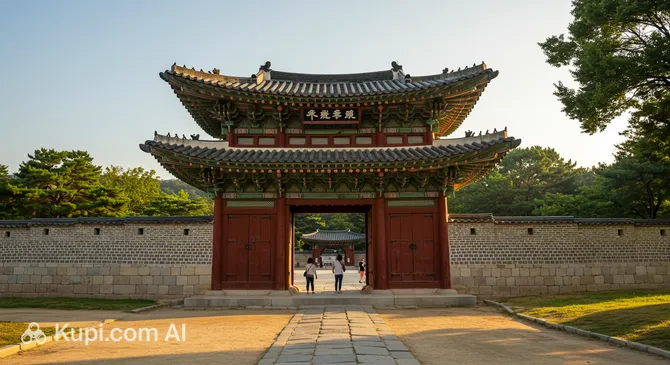
Hwahongmun Gate. Illustration.
Source: Kupi.com AI

Traveller photos:

The architectural appearance of Hwahongmun Gate is notable for the single-story wooden pavilion that crowns the structure. Around the gate is a kind of miniature fortress where guards once stood watch, vigilantly protecting the approaches to the city. This detail clearly demonstrates the building's defensive significance in the past.

Hwahongmun Gate is harmoniously integrated into the overall ensemble of Hwaseong Fortress, interacting with other gates and defensive structures. Together, they create a unique historical and architectural complex that consistently attracts the attention of tourists, researchers, and lovers of ancient architecture from around the world who wish to experience South Korea's rich history.

Contacts

Hwahongmun Gate is an important historical landmark in the city of Suwon. To check current opening hours or find the best way to get there, we recommend visiting the official tourism portals of Suwon or South Korea, as well as local information centers. Generally, these iconic sites are easily accessible by public transport or taxi by following the signs.

How to contactContact
AddressSouth Korea, 경기도 수원시 팔달구 북수동 33-4
Phone+82 31-290-3600
Websitewww.swcf.or.kr

What to Do

Visiting Hwahongmun Gate in Suwon is an opportunity to touch the history of South Korea and enjoy magnificent views. The main thing to do here is, of course, to see this unique example of Korean defensive architecture. Tourists can walk along the fortress walls, which offer picturesque panoramic views of the city and the surrounding landscapes. It is a perfect place for leisurely strolls and contemplation.

The fortress grounds, of which Hwahongmun Gate is a part, often host fascinating historical reenactments and various cultural events. Participating in or simply watching these allows you to dive deeper into the atmosphere of the Joseon era when this powerful fortress was built. Additionally, organized tours are available for visitors to learn more about the significance and history of the structure.

In addition to walking and viewing the pavilions, guests can visit information centers and exhibition pavilions. Here, detailed information is presented about the history of Hwaseong Fortress, the restoration work carried out, and the cultural significance of this outstanding site. These exhibits make the visit even more educational and interesting.

Hwahongmun Gate and the surrounding area are very popular with photographers. The scenic views, especially during the cherry blossom season in spring or the vibrant colors of autumn, attract those looking for beautiful shots. It is a place where you can not only learn a lot but also take memorable photos against the backdrop of ancient walls and beautiful nature.

Getting There

Getting to Hwahongmun Gate, located in the heart of Suwon on the western side of the famous Hwaseong Fortress, is quite easy thanks to the city's well-developed transport system. One of the most convenient ways is to use the subway. You need to reach Suwon Station (Subway Line 1). From there, you can take a local bus or a taxi to the gate. A taxi ride from the station is quick, and several bus routes pass in the immediate vicinity of the fortress.

For those who prefer public transport, Suwon has an extensive network of bus routes. Many stop near the main entrances to Hwaseong Fortress, including Hwahongmun Gate. Signs, including those in English, will help you find the right bus or direction to the attraction, making it comfortable for international tourists to get around.

Another option is to use special tourist buses that run between the key sights of Suwon. This is a convenient way to see several points of interest in one trip, and Hwahongmun Gate is often included in their routes. Additionally, if you are in the city center or near Suwon Station and prefer walking, Hwahongmun Gate can be reached on foot. The walk takes about 20-30 minutes and offers a great way to experience the city's atmosphere.

Nearest city: Suwon

History & Facts

Hwahongmun Gate is a significant part of the majestic Hwaseong Fortress, located in Suwon, South Korea. The construction of this famous fortress took place from 1794 to 1796 by order of King Jeongjo, one of the prominent rulers of the Joseon Dynasty. The construction served several key purposes: to honor the memory of his father, Prince Sado, to strengthen the kingdom's defenses in this strategically important region, and to facilitate the creation of a prosperous new economic center.

A striking feature of both Hwahongmun Gate and the entire Hwaseong Fortress is the unique blend of architectural styles. The design and construction employed not only traditional Korean fortification methods but also advanced Western technologies and engineering solutions of that era. This synthesis made Hwaseong Fortress an outstanding example of military engineering for its time and earned it a special place among Korea's historical structures.

Hwahongmun Gate, also known as Buksumun (Northern Floodgate), played a key role in the defense and water management system of Hwaseong Fortress. It features a structure with seven arched openings for water to pass through, topped by an elegant pavilion. Like the other main gates of the fortress, Hwahongmun was surrounded by additional fortifications and guard pavilions. Despite numerous historical trials, including natural disasters, the gate has survived to this day, partly in its original form and partly meticulously restored, showcasing the skill of ancient builders.

Today, Hwahongmun Gate and the entire Hwaseong Fortress are not only a vivid symbol of Suwon but also an important part of South Korea's national cultural heritage. They attract many tourists and researchers eager to explore the country's rich history and appreciate the beauty and grandeur of this unique fortification.

Time Needed

To carefully inspect Hwahongmun Gate and the adjacent section of the fortress wall in Suwon, a typical visitor is recommended to set aside about 1-2 hours. This will be enough time to enjoy the architecture of the gate itself, take commemorative photos, and soak in the atmosphere of this historical site, which is part of the famous Hwaseong Fortress.

If you plan a deeper dive into history and want to explore not just Hwahongmun Gate but a significant part of Hwaseong Fortress itself, you should plan for more time. For a full walk along the entire fortress, including visits to other gates, watchtowers, pavilions, and possibly the museums located on the grounds, it is better to allocate 3 to 4 hours. This approach allows you to explore this outstanding UNESCO World Heritage site in South Korea without rushing.

Working Hours

Hwahongmun Gate, part of the famous Hwaseong Fortress in Suwon, is generally open to visitors daily. According to general information, the Hwaseong Fortress complex, including its gates, welcomes visitors from 9:00 AM to 6:00 PM. During the summer months, opening hours may be extended until 7:00 PM.

However, please keep in mind that hours may vary depending on the season and specific days. Therefore, before planning your visit, it is highly recommended to check the current schedule on the official tourism websites of Suwon or other reliable sources. Access to the gate is usually provided year-round, but it is always best to verify the information in advance for a comfortable visit.

Open 24/7

Nearby

Visiting an iconic landmark like Hwahongmun Gate is certainly a highlight. However, to truly immerse yourself in the atmosphere of Suwon and make the most of your trip, it's worth exploring the surrounding area. Often, the most interesting discoveries await where the main tourist path ends.

Exploring the surroundings will help you better understand the historical and cultural context of the site, see it from different perspectives, and perhaps find hidden gems not mentioned in every guidebook. This is a great opportunity to make your journey to South Korea even more rewarding and memorable. Near Hwahongmun Gate, you will find several interesting sites worth your attention:

NameDistance
Banghwasuryujeong Pavilion0 km
Janganmun Gate0.3 km
Yeonmudae (Eastern Command Post)0.5 km
Suwon Hwaseong Museum0.5 km
Suwon Museum of Art0.6 km
Hwaseomun Gate0.7 km
Changnyongmun Gate0.7 km

Reached the bottom of the page?

Looks like you know this route inside out