Support

Ojukheon

About

Ojukheon (오죽헌) is one of the most iconic historical landmarks in the city of Gangneung, located on the picturesque east coast of South Korea. It is not just an old building, but an entire museum-estate representing a beautifully preserved traditional Korean house from the Joseon Dynasty era. Ojukheon earned its poetic name, meaning "Black Bamboo Pavilion," from the dense thickets of rare black bamboo ("ojuk") that surround it, creating a special atmosphere of tranquility.
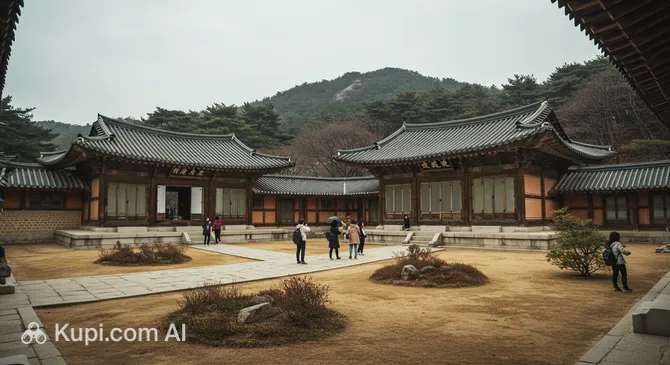
Ojukheon. Illustration.
Source: Kupi.com AI

Traveler photos:

The primary value and fame of Ojukheon are linked to the fact that it is the birthplace and home of two prominent figures in Korean history. Shin Saimdang—a talented artist, calligrapher, poet, and respected mother who became a model of Confucian virtue—was born and lived here. Also born within these walls was her son, Yi I, better known by his pen name Yulgok—a great Confucian scholar, philosopher, and statesman whose ideas had a massive impact on the development of Korean thought.

A visit to Ojukheon is a unique opportunity to touch the history and culture of Korea. As one of the oldest surviving wooden residential buildings in the country, the complex is of immense interest to anyone fascinated by traditional Korean architecture. Walking through the estate grounds, exploring the authentic buildings, and viewing the museum exhibits will provide a deeper understanding of the daily life and worldview of people in the Joseon era, and allow you to feel the spirit of the place that nurtured such significant historical figures.

Contacts

To plan your visit to Ojukheon or for additional information, you can use the contact details provided below. While an official website and email address are not currently listed in public sources, you can reach out by phone or use the address for navigation to this historic site.

How to contactContact
Address24 Yulgok-ro 3139beon-gil, Gangneung, Gangwon-do, South Korea
Phone number+82 33-660-3301
Websitewww.gn.go.kr

What to Do

A visit to Ojukheon offers guests the chance to immerse themselves in the atmosphere of old Korea and learn about its rich cultural heritage. You can take a leisurely walk through the scenic grounds of the complex, admiring the elegance of traditional Korean architecture. A special charm is added to this place by the famous bamboo garden, where you can enjoy peace and quiet while strolling among the rare black bamboo stalks that gave the estate its name.

Inside the complex, a fascinating museum exhibition awaits you. It features valuable artifacts, including personal belongings of Shin Saimdang's family, ancient manuscripts, exquisite examples of calligraphy and painting, as well as important historical documents. Of particular interest are the carefully restored interiors of the living quarters. By looking inside, you can vividly imagine how life flowed for representatives of the Korean nobility during the Joseon Dynasty and appreciate the authentic setting of that time.

In addition to self-guided tours, themed excursions are often organized for visitors to Ojukheon, which help provide a deeper understanding of the history of this place and its famous residents. The estate grounds also feature special photo zones where you can take memorable pictures against the backdrop of historic buildings and picturesque landscapes. And if you want to take a piece of this amazing place home with you, there are souvenir shops offering various commemorative gifts. It is worth noting that Ojukheon is especially beautiful in spring and summer, when everything is bathed in flowers and green bamboo, as well as in autumn, when the tree leaves turn vibrant, warm colors.

Getting There

Getting to Ojukheon is quite simple, as this iconic landmark is located directly within the city limits of Gangneung. If you are already in the center of Gangneung, the fastest way is a taxi ride, which takes approximately 10–15 minutes. You can also reach the museum complex by taking one of the city buses heading towards the district where Ojukheon is situated. Information about the necessary routes can usually be found at bus stops or by asking locals.

For travelers arriving in Gangneung from other cities in South Korea, such as Seoul, by train or intercity bus, the journey to Ojukheon is equally straightforward. From the Gangneung railway station or bus terminal, you can easily take a taxi or use public transport. A nice bonus for international tourists is the presence of signs in both Korean and English at many bus stops and public areas, making navigation easier. If you are traveling by car, convenient parking is provided near the entrance to Ojukheon.

Nearest city: Gangneung

History & Facts

The history of Ojukheon dates back centuries, spanning over five hundred years. This unique house was built in the 15th century and, remarkably, has survived to this day almost in its original form. Imagine, as you stroll through its grounds, you are touching walls that have seen the passing of eras and generations, preserving the spirit of old Korea.

The primary historical value of Ojukheon is rooted in the fact that it was here, in 1504, that Shin Saimdang was born. This extraordinary woman left an indelible mark on the history of South Korea, becoming famous not only as a talented artist and poet but also as a model of Confucian virtue and the ideal mother. Her life and work continue to inspire many Koreans today.

But Ojukheon gave Korea more than just Shin Saimdang. Within these same walls, her son, Yi I, better known by his pen name Yulgok, was born and raised. He became one of the most prominent Confucian philosophers of his era, whose works had a profound influence on Korean thought. In memory of these two great figures, monuments and commemorative plaques have been erected throughout the complex, serving as reminders of their contribution to the country's culture.

Due to its immense historical and cultural significance, Ojukheon was officially designated a cultural heritage site of Korea back in 1963. Since then, it has been under careful state protection, allowing this unique place to be preserved for future generations and its history shared with visitors from around the world.

Time Needed

When planning a visit to Ojukheon, you should allow for 1.5–2.5 hours. This time is generally sufficient for a thorough introduction to this iconic site in Gangneung. You can take a leisurely stroll through the entire estate, enjoying the beauty of traditional Korean architecture and the peaceful atmosphere of the garden with its black bamboo.

Within this timeframe, you will have the chance to closely examine the complex's main structures, including the pavilions where Shin Saimdang and her son Yulgok were born and lived. You will also have time to visit the museum exhibitions featuring historical artifacts and, of course, take commemorative photos against the scenic views of Ojukheon. If you wish to dive deeper into the history of every corner, you might need a bit more time, but 2–2.5 hours is quite enough for a general impression and to see the main sights.

Working Hours

Ojukheon is happy to welcome visitors year-round, although operating hours may vary slightly depending on the season. Generally, in summer (usually from March to October), the complex is open to the public daily from 9:00 to 18:00. During the winter period (usually from November to February), the hours are shorter, and you can visit the estate from 9:00 to 17:00. Please note that entry to the grounds usually stops 30 minutes before official closing.

While advance ticket booking for individual visits is generally not required, the schedule for Ojukheon may change during public holidays. Therefore, to ensure your trip goes smoothly, we recommend checking the current opening hours on the attraction's official website or at local tourist information centers in Gangneung before your visit.

9:00 – 17:00

Nearby

A visit to such a significant landmark as Ojukheon is a highlight in itself. However, to make your trip to Gangneung even more fulfilling and complete, it is worth paying attention to other interesting places located nearby. Exploring the surroundings will allow you to immerse yourself deeper into the city's atmosphere, see it from different angles, and gain a more holistic understanding of the culture and history of South Korea.

There are many fascinating sites around Ojukheon, each capable of adding new colors to your palette of experiences. From historic estates to scenic natural spots and modern cultural spaces, Gangneung offers a variety of opportunities for exploration. Below is a list of some attractions located nearby, along with their distance from Ojukheon, to help you plan your itinerary.

NameDistance
Ojukheon and Ojukheon Municipal Museum0.2 km
Seongyojang House1 km
Gyeongpodae Pavilion2.4 km
Nature Playground Zoo2.4 km
Chamsori Gramophone & Edison Science Museum2.7 km
Gyeongpo Lake2.9 km
Arte Museum Valley Gangneung3 km

Have you reached the end of the page?

So the route has been studied inside and out