Support

Gyeongpo Beach

About

Gyeongpo Beach is one of the most famous and picturesque beaches in South Korea, located in the city of Gangneung. It attracts travelers with its fine white sand, crystal-clear water, and the dense pine forest that frames it. Stretching for about six kilometers, it is an ideal spot for long coastal walks and a relaxing getaway.
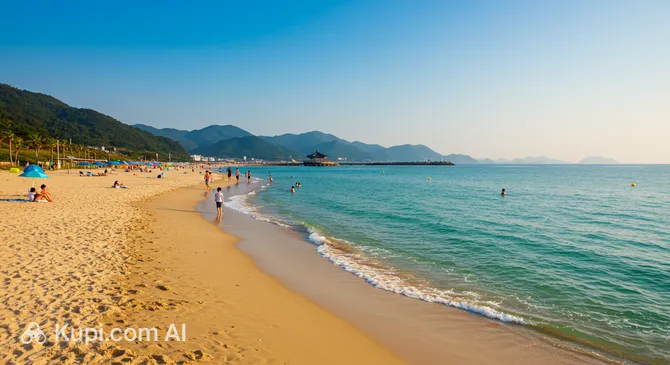
Gyeongpo Beach. Illustration.
Source: Kupi.com AI

Traveler photos:

The uniqueness of Gyeongpo Beach lies in its direct proximity to Gyeongpo Lake—the largest coastal lake on the country's east coast. This adjacency creates a stunning combination of marine and freshwater landscapes, offering visitors a variety of views and leisure opportunities. This rare natural pairing makes it a special place for nature lovers.

In addition to swimming and sunbathing, Gyeongpo Beach is renowned for its incredibly beautiful sunrises, which draw both locals and tourists eager to capture this natural spectacle. Thanks to its beauty and well-developed infrastructure, the beach has become a popular destination for those seeking a peaceful yet fulfilling outdoor vacation in Gangneung.

Contacts

For the most up-to-date information regarding events at Gyeongpo Beach, service operating hours, or other details you may need, you can contact tourist information services. It is also helpful to visit the official tourism website of the city of Gangneung.

How to contactContact
AddressGyeongpo Beach, 산1 Anhyeon-dong, Gangneung, Gangwon-do, South Korea
Phone number+82 33-640-4414
Websitekorean.visitkorea.or.kr

What to Do

At Gyeongpo Beach, many exciting activities await you. During the summer months, it is the perfect place for swimming in the refreshing waters of the East Sea, as well as for active pursuits such as surfing, windsurfing, and sailing. A picturesque promenade stretches along the entire beach, perfect for leisurely walks or morning jogs while enjoying the sea breeze and beautiful views.

One of the main highlights of Gyeongpo Beach is the opportunity to see an unforgettable sunrise over the sea—a spectacle that attracts many people, especially during New Year celebrations. Very close to the beach lies Gyeongpo Lake, where you can go boating or simply relax while admiring the tranquil scenery. After a busy day, numerous nearby restaurants offer the freshest seafood and traditional Korean cuisine.

Gyeongpo Beach is also known for its vibrant events. Various festivals are held here annually, including the colorful Sand Sculpture Festival and the high-energy Summer Music Festival, which attract many visitors. Even in winter, the beach does not lose its charm: it offers a peaceful atmosphere for those wanting to enjoy the silence and beauty of winter seascapes while walking along the deserted shore.

Getting There

Getting to Gyeongpo Beach is quite simple, especially if you are starting your journey from Seoul. First, you will need to travel to the city of Gangneung, where the beach is located. From the capital of South Korea, high-speed KTX trains run regularly to Gangneung, with the trip taking about two hours. An alternative option is intercity buses departing from Seoul's bus terminals (Dong Seoul or Express Bus Terminal). The bus journey takes approximately 2.5 to 3 hours.

Once you arrive at the Gangneung train station or bus terminal, reaching Gyeongpo Beach itself is easy. The most affordable way is by city bus. Routes No. 202, No. 302, or No. 303 will take you to the beach in about 20-30 minutes. If you prefer more comfort or are in a hurry, you can take a taxi—the ride takes about 15 minutes.

For the convenience of tourists, especially during peak season, additional options are provided. In the summer months, typically in July and August, special shuttle buses run from downtown Gangneung to Gyeongpo Beach. They depart every 30 minutes from early morning until late evening, making trips to the seaside even more convenient. If you are traveling by your own or a rented car, there are several paid parking lots available near the beach.

Nearest city: Gangneung

History & Facts

The history of Gyeongpo Beach is inextricably linked to the history of Gangneung and the picturesque Gyeongpo Lake located nearby. The name "Gyeongpo" itself has a beautiful origin: translated from Korean, it means "mirror-like lake," which eloquently describes its smooth, sky-reflecting surface. The beach began attracting its first vacationers in the early 20th century, long before it became a widely known tourist destination.

The real surge in popularity for Gyeongpo Beach occurred in the 1970s. It was during this time that the government of South Korea actively took up the development of tourism infrastructure in this region, recognizing its immense potential. A significant milestone was the official recognition of the beach as a national tourist site in 1986. In 2002, a large-scale renovation took place: beach facilities were modernized, a contemporary promenade was built, and the infrastructure was significantly expanded for the comfort of visitors.

Today, Gyeongpo Beach is not just a popular spot for summer vacations, but also a significant cultural symbol of the region. Its well-maintained grounds and beautiful views continue to attract thousands of tourists annually. Not far from the beach is the Chonjin Folk Craft Museum, where guests can learn about traditional crafts and art from Gangwon Province, adding another dimension to the experience of visiting this wonderful corner of Gangneung.

Time Needed

To fully enjoy Gyeongpo Beach, it is recommended to set aside at least half a day. This time, roughly 4-5 hours, will be enough to relax on the sand, go for a swim, take a leisurely stroll along the picturesque coast, and visit the nearby Gyeongpo Lake. This timeframe allows you to experience the essential atmosphere of this popular vacation spot in Gangneung.

If you are planning a more packed itinerary, it is worth scheduling a full day. This will provide the opportunity not only to relax on the beach itself but also to visit interesting nearby sites, such as the Folk Craft Museum or Chonjin Temple, which will enrich your impressions of the region. For those dreaming of catching the sunrise over the sea—and Gyeongpo Beach is famous for its sunrises—you will need to arrive early, about 30-40 minutes before dawn.

Working Hours

Gyeongpo Beach welcomes visitors year-round and is available for walks at any time of day. However, the official swimming season, when the beach is bustling and all amenities are available, usually lasts from July to August. During this period, lifeguards are on duty (typically from 9:00 AM to 6:00 PM), and showers, changing rooms, and other beach facilities are open, ensuring a comfortable stay.

Outside of the peak season—from September to June—the beach remains open to the public, but some infrastructure may be closed or operate on a reduced schedule. No special booking is typically required to visit Gyeongpo Beach, as it is a public space. To get the most up-to-date information on service hours and amenity availability, especially if you are planning a trip in the off-season, it is recommended to check details on the official tourism resources of Gangneung or at local information centers.

Open 24 hours

Nearby

A holiday at Gyeongpo Beach will undoubtedly give you many pleasant impressions, but to make your trip to Gangneung truly unforgettable, it is worth exploring the surrounding area. There are many interesting places around this famous beach that allow for a deeper dive into the culture and nature of South Korea.

Don't limit yourself to just sunbathing and swimming! A short walk or a quick ride from Gyeongpo Beach will open up new horizons—from picturesque natural sites to unique museums and historical pavilions. Exploring the nearby attractions will enrich your trip and leave you with even more vivid memories.

NameDistance
Gyeongpo Beach0 km
Lakai Sandpine Resort0.3 km
Fishman King Crab & Sashimi Restaurant (Gyeongpodae Main Branch)0.6 km
Gyeongpo Lake Plaza0.8 km
Gyeongpo Lake1.1 km
Chamsori Gramophone & Edison Science Museum1.3 km
Coffee Cupper Museum1.4 km

Have you reached the end of the page?

So the route has been studied inside and out