Support

Mohammad Al Amin Mosque

About

In the heart of the capital stands the Mohammad Al-Amin Mosque—one of the most recognizable and majestic symbols gracing modern Beirut. This grand Muslim temple, located on Martyrs' Square in Lebanon, is often called the "Hariri Mosque" in honor of the Prime Minister whose efforts brought the project to life between 2002 and 2007.
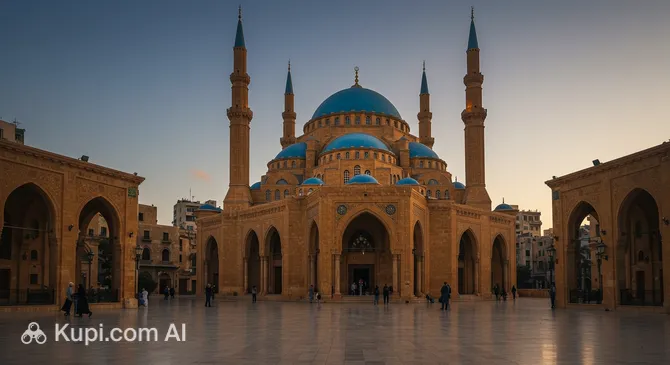
Mohammad Al-Amin Mosque
Mohammad Al-Amin Mosque. Иллюстрация. Источник: Kupi.com AI

The mosque's architectural design was inspired by the famous Blue Mosque in Istanbul, giving it a classic Ottoman flair blended with local traditions. The building covers an impressive area of about 11,000 square meters and stands out against the city skyline with its yellow ochre stone walls.

The building's centerpiece is a massive blue dome, 48 meters high, decorated with golden elements that shine brilliantly under the Mediterranean sun. At the corners, four minarets soar 72 meters into the sky, creating a harmonious and striking silhouette that has become a landmark of the city.

Contacts

For those planning a visit to this architectural masterpiece, it is helpful to have key contact details at hand. While the mosque does not have an official website, it is an active religious site open to visitors.

How to contactContact
Addressساحة الشهداء، Bayrut, Lebanon
Phone+961 3 070 821

What to Do

The main reason travelers come here is to experience the magnificent architecture. Inside, you will find a stunning interior: high vaulted ceilings adorned with delicate gilding, exquisite stone and wood carvings, and calligraphic panels featuring Arabic script. Massive chandeliers and plush carpets create a tranquil atmosphere perfect for meditation and quiet reflection.

Be sure to walk around the building to appreciate the facade details in different lights. The square in front of the mosque is a favorite spot for photoshoots. Especially striking photos can be taken at sunset, when the warm ochre of the walls contrasts with the bright blue sky and the azure dome.

The marble memorial of Rafic Hariri is located right next to the mosque. A visit here allows for a deeper understanding of the country's modern history and pays tribute to the man who played a key role in the reconstruction of Beirut. The mosque's proximity to a Christian cathedral is also an important symbol of Lebanon's religious diversity.

Getting There

The mosque is located on the famous Martyrs' Square (ساحة الشهداء), making it one of the most accessible landmarks in the heart of the city. It serves as an ideal starting point for a walking tour through the capital's restored center.

The easiest way to get here is by taxi from any part of the city—drivers know the location well. You can also take local buses heading to the center or walk if you are staying in the Downtown area. Its central location makes it easy to include the mosque in a one-day sightseeing itinerary.

The best times to visit Lebanon are spring (March–May) or autumn (September–November), when the weather is most comfortable for walking. The mosque is in close proximity to the St. George Maronite Cathedral, providing a unique opportunity to see two different cultural traditions standing side by side.

Ближайший город: Beirut

History & Facts

The history of this site dates back to the 19th century, when a zawiya—a small prayer house of Sheikh Abu Nasser al-Yafi—was located here. The idea of building a large-scale mosque emerged in the mid-20th century, but the project only began much later.

The modern history of the mosque is inextricably linked to Prime Minister Rafic Hariri, who initiated and sponsored the construction, which began in 2002. Unfortunately, Hariri did not live to see the completion; he was buried next to his creation. In 2008, the mosque was officially opened by his son.

Remarkable archaeological discoveries were made during construction. Under the foundations, remains of ancient Beirut were found, including fragments of the main Roman street, the Decumanus Maximus, and ancient columns. Thus, the building literally stands upon centuries of the city's history.

Time Needed

To explore the Mohammad Al-Amin Mosque at a leisurely pace, 1–2 hours is usually sufficient. This is enough time to appreciate the grandeur of the exterior facades, study the rich interiors, and take memorable photos.

If you also plan to visit the Rafic Hariri memorial and walk around the adjacent Martyrs' Square, you should set aside a bit more time. It is best to plan your visit between prayer times so you can quietly examine the interior decor without disturbing worshippers.

Working Hours

Specific visiting hours for tourists are not officially regulated, so it is recommended to follow the generally accepted rules for religious institutions. Generally, the mosque is open throughout the day, but access for sightseeing may be restricted during the five daily prayers.

Visitors are advised to choose times between the morning and noon prayers or in the afternoon. Before planning your visit, it is worth checking for the latest information or confirming entry rules with local guides, as the schedule may change during religious holidays.

Nearby

Exploring the surroundings of Martyrs' Square will help you better experience the atmosphere of the Lebanese capital. Thanks to the mosque's central location, many interesting sites are within walking distance or just a short drive away.

NameDistance
Martyrs' Square0.2 km
Downtown Beirut0.4 km
MusicHall Starco0.8 km
Joe & The Juice0.8 km
Nicolas Sursock Museum1 km
Hotel Beirut1 km
Zaitunay Bay1.1 km

Reached the end of the page?

That means the route is fully explored