Support

Nicolas Sursock Museum

About

In the heart of the prestigious Ashrafieh district, amidst historic mansions, stands the Nicolas Sursock Museum—a jewel of cultural life that Beirut is proud of. Built in the early 20th century as an aristocrat's private villa, this building is now the country's primary museum of modern art. Its architecture is an exquisite mix of Oriental Baroque, Venetian style, and Ottoman motifs, creating a unique profile against the backdrop of a modern metropolis.
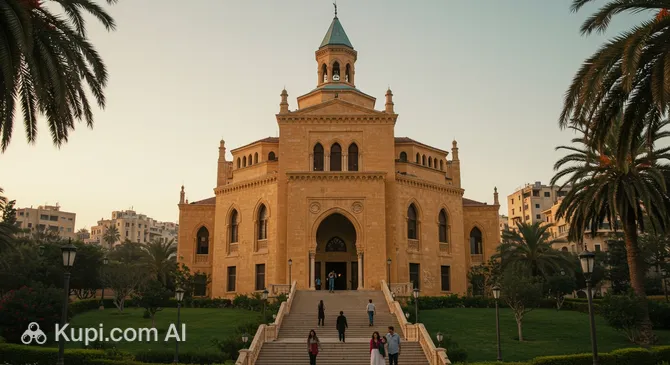
Nicolas Sursock Museum
Nicolas Sursock Museum. Иллюстрация. Источник: Kupi.com AI

Inside, the museum houses an impressive collection of 5,000 items spanning from the late 19th to the early 21st century. It showcases the full brilliance of the art for which Lebanon is famous: from contemporary paintings and sculptures to rare Islamic artifacts, Japanese prints, and Orthodox icons. A pride of the collection is an ancient pitcher from the Umayyad and Abbasid periods.

Following an extensive renovation completed in 2015, the museum has been transformed into an ultra-modern space. The historic second-floor rooms with their authentic Oriental decor sit alongside spacious underground galleries that host the boldest exhibitions by contemporary artists. The Sursock Museum is a place where traditions of the past harmoniously meet the energy of the present.

Contacts

To contact the museum or find out more about current exhibitions, you can use the following official details:

How to contactContact
AddressGreek Orthodox Archbishopric Street، Bayrut, Lebanon
Phone+961 1 202 001
Websitewww.sursock.museum

What to Do

At the Nicolas Sursock Museum, everyone will find something to enjoy. Start your journey with the permanent collection on the first floor: be sure to visit the room with magnificent carved wood panels from Damascus, where Islamic art objects are displayed. Here, you can see the finest ceramics, glassware, and ancient artifacts that preserve the memory of centuries.

Head up to the second floor to feel the spirit of old Lebanon. The original living rooms of the villa have been carefully preserved, allowing visitors to appreciate the luxurious lifestyle of the Lebanese aristocracy from the beginning of the last century. Architectural details—stained glass, arches, and delicate moldings—deserve special attention and make a beautiful backdrop for photographs.

For fresh impressions, head to the modern underground halls. These typically house temporary exhibitions featuring installations, sculptures, and video art by contemporary Lebanese and international masters. Before leaving, don't forget to stroll through the adjacent garden and admire the sculptural composition at the entrance, symbolizing the unity of cultures.

Getting There

The Nicolas Sursock Museum is located in the fashionable Ashrafieh district on the historic Rue Sursock. Look for the majestic 18th-century mansions belonging to the city's influential families as landmarks. If you are traveling from the city center, a taxi or rental car ride will take about 10–15 minutes.

For those who prefer public transport, city buses or minibuses heading towards Ashrafieh are a good option. After getting off at the stop nearest to the district, you will need to walk for about 5–10 minutes along the scenic Rue Sursock, enjoying the ancient architecture.

If you choose to drive your own vehicle, parking is available near the museum. When planning your route, we recommend using a navigator to quickly navigate the narrow streets and find the entrance to the villa with its characteristic modern extensions.

Ближайший город: Beirut

History & Facts

The history of this magnificent building began in 1912–1914, when a luxury villa was built for Nicolas Ibrahim Sursock, a member of one of the city's most prominent families. Nicolas was a passionate collector and philanthropist. In 1952, he left a will decreeing that his home and entire art collection be bequeathed to the city with the noble aim of creating a public art museum for all citizens.

The official opening to the public took place on February 26, 1961. The first exhibition featured works by contemporary Lebanese artists, which set the museum's course for decades to come. Since then, it has hosted hundreds of exhibitions, making it the country's main cultural headquarters.

In the 21st century, the museum underwent a massive transformation. From 2008 to 2015, the building was closed for a major renovation costing approximately $12–13 million. As a result, the space increased fivefold: modern underground floors were built, while the original interiors and the neoclassical facade were carefully preserved. Today, the museum's collection includes about 5,000 exhibits.

Time Needed

To leisurely explore all levels of the museum and enjoy its architecture, we recommend setting aside 1.5 to 2.5 hours for your visit. This time is quite sufficient to get acquainted with the permanent collection and take a look at the temporary exhibitions.

Expect to spend about 30–45 minutes exploring the second floor with its historical interiors and unique wooden panels. The rest of your time can be spent studying modern installations in the underground halls and walking through the small garden in front of the entrance, where interesting sculpture compositions are installed.

Working Hours

If you are planning to visit the Sursock Museum, please note that the gallery doors are closed to visitors on Mondays and Tuesdays. On other days, the museum operates on the following schedule:

Wednesday, Thursday, Saturday, and Sunday: 10:00 AM to 6:00 PM.
Friday: 9:00 AM to 5:00 PM.
Entrance to the museum traditionally remains free, making it accessible to all art lovers.

DayWorking hours
ПонедельникЗакрыто
ВторникЗакрыто
Среда10:00 – 18:00
Четверг10:00 – 18:00
Пятница9:00 – 17:00
Суббота10:00 – 18:00
Воскресенье10:00 – 18:00

Nearby

Exploring the museum's surroundings will allow you to immerse yourself even deeper into the city's atmosphere and see its different facets—from quiet parks to modern entertainment centers. A walk through the Ashrafieh district is a tour of Lebanese architectural history in itself.

NameDistance
Achrafieh Mall0.6 km
Downtown Beirut0.9 km
FABRK0.9 km
Martyrs' Square0.9 km
Mohammad Al-Amin Mosque1 km
MIM Mineral Museum1.5 km
Joe & The Juice1.6 km

Reached the end of the page?

That means the route is fully explored