Support

Al Mansouri Great Mosque

Nearby attractions

About

Steeped in an atmosphere of antiquity, the Mansouri Great Mosque is considered one of the most significant and majestic religious landmarks in ancient Tripoli. Founded in 1294 by decree of Sultan Khalil Qalawun, this mosque is a prime example of classical Mamluk architecture, covering an impressive area of over 3,000 square meters.
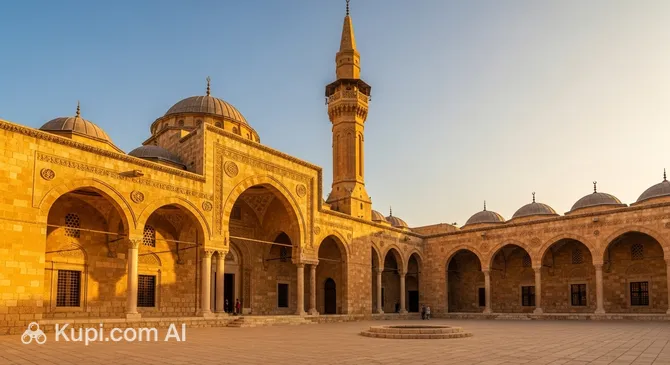
Great Mosque of Al-Mansouri
Great Mosque of Al-Mansouri. Иллюстрация. Источник: Kupi.com AI

This is not just a place of prayer, but a true historical monument in the heart of Lebanon. Inside the mosque, coolness and tranquility prevail, while the spacious inner courtyard, surrounded by elegant arcades, transports visitors centuries back in time. The architectural style of the building, with its characteristic domes and minaret, reflects the grandeur of Islamic art from that period.

The mosque's main spiritual treasure is a very rare relic—a hair of the Prophet Muhammad, gifted to the city by an Ottoman sultan. Kept in a golden casket, the shrine is exhibited only once every two years, becoming a center of attraction for pilgrims and tourists from all over the region.

Contacts

For more details regarding your visit or to arrange special tours, you may visit the location's address. It is also recommended to check for information with local guides in the old city.

How to contactContact
AddressCRMR+RXX, Триполи, Ливан

What to Do

Visiting the Mansouri Great Mosque is, above all, an opportunity to touch living history. Be sure to spend time exploring the inner courtyard: its symmetry and harmony impress even the most seasoned travelers. Pay attention to the calligraphic inscriptions and ornaments decorating the walls and arches—these are magnificent examples of medieval craftsmanship.

In the prayer hall, you can experience a particularly solemn atmosphere. If your visit coincides with the last Friday of the month of Ramadan, you might have the unique chance to see the famous golden casket containing the relic. Photography enthusiasts should capture the play of light and shadow in the mosque's corridors and the view of the tall minaret that dominates the surrounding neighborhoods.

Remember the importance of tradition: modest clothing is required for entry, and women should cover their heads. After exploring the mosque, we recommend taking a stroll through the Mamluk quarter, visiting the ancient markets, and trying traditional Lebanese sweets in one of the cozy nearby cafes.

Getting There

Reaching this historic site is quite easy, as it is located in the heart of the Al-Nouri district in the old city center. If you are traveling from Beirut, a taxi ride or an intercity bus trip along the scenic coastal highway will take approximately 1.5 hours.

Within the city itself, the most convenient way to get around is by local taxis or small buses. Since the mosque is located in a vibrant historical quarter, a walk from the port or the main bus station will take no more than 10–15 minutes. This is a great way to immerse yourself in the atmosphere of Lebanese streets even before entering the shrine.

For those who prefer private transport, parking areas are available nearby; however, traffic in the old city can be heavy during peak hours. Navigating with modern maps will help you unerringly find the right turn in the labyrinth of ancient buildings.

Ближайший город: Tripoli

History & Facts

The history of this majestic structure began in 1294, when Sultan Khalil Qalawun ordered the foundation to be laid after the Mamluks conquered the city. Construction continued for several decades and was fully completed by 1315. The mosque was named after the Sultan's father, Al-Mansur Qalawun, and quickly became the main spiritual center of the region.

Interestingly, during construction, the architects integrated elements from earlier buildings, which is characteristic of the Mamluk style. This transformed the mosque into a kind of architectural palimpsest, where every stone holds the memory of different eras in the history of the Levant. During its peak, the mosque served not only as a place of prayer but also as an important educational center, surrounded by madrasas and khans.

A special page of history is linked to the Ottoman period. Sultan Abdul Hamid II presented the mosque with a priceless relic—a hair of the Prophet Muhammad. This gift was placed in a golden casket and kept in the temple's western corridor, further strengthening the mosque's status as one of the most important shrines in the Islamic world.

Time Needed

To leisurely explore the inner courtyard and prayer halls, and to admire the architectural details, 1–2 hours is sufficient for most travelers. This allows enough time to feel the silence and grandeur of the site while taking beautiful photographs.

If you plan to combine your visit with exploring the surrounding markets, hammams, and the nearby citadel, you should set aside at least 3–4 hours for your walk. Immersing yourself in the atmosphere of the old city requires a slow pace, so there is no need to rush.

Working Hours

The mosque is generally open to visitors daily from 05:00 to 18:00. This schedule allows you to see the building in the rays of the morning sun as well as the soft light of sunset.

Please note that tourist access may be limited during Friday prayers. To confirm the current schedule and any possible changes during holidays, it is recommended to consult with local tourist centers or guides.

05:00–18:00

Nearby

A visit to the city's main mosque is just the beginning of discovering the rich heritage of this area. The old city is literally filled with architectural monuments within walking distance of each other. A stroll through these sites will allow you to fully experience the spirit of the Mamluk and Ottoman eras.

Below are the most interesting sites located near the mosque:

NameDistance
Khan al-Saboun0.1 km
Citadel of Raymond de Saint-Gilles0.2 km
Sultan Abdul Hamid II Clock Tower0.4 km
Khan al-Askar0.4 km
Taynal Mosque0.6 km
Hallab 18810.8 km
Rachid Karami International Fair1.4 km

Reached the end of the page?

That means the route is fully explored