Support

Melaka Sultanate Palace Museum

About

The Malacca Sultanate Palace Museum is more than just a museum; it is an impressive reconstruction of the grand palace of Sultan Mansur Shah, who ruled Malacca in the 15th century. Built between 1984 and 1986, this structure is a precise replica of the historical palace, recreated based on ancient Malay chronicles. The uniqueness of the building lies in the fact that it is constructed entirely of wood using traditional methods, without a single nail, demonstrating the high craftsmanship of Malaysia's ancient builders.
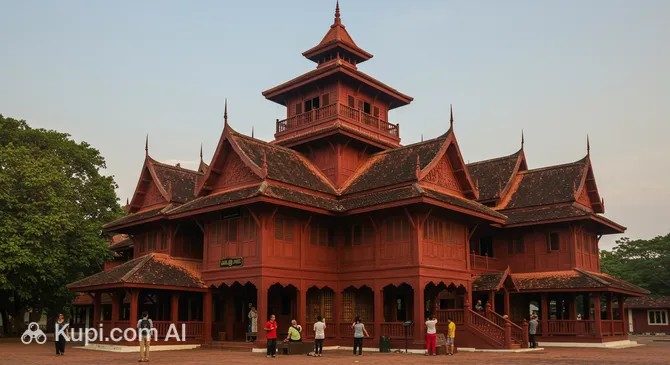
Melaka Sultanate Palace Museum. Illustration.
Source: Kupi.com AI

Traveler photos:

Located at the foot of St. Paul's Hill, in the heart of Malacca's historic district, the museum is an imposing three-story building. It measures approximately 240 feet in length and 40 feet in width, making it a prominent architectural landmark. Inside, visitors can immerse themselves in the history and culture of the Malacca Sultanate, which was once one of the most important trading centers in Southeast Asia.

The Malacca Sultanate Palace Museum serves as an important cultural and historical hub. The exhibits tell the story of the region's glorious past, the daily life and traditions of the Sultan's court, and showcase artifacts, costumes, and weapons from that era. Visiting this museum is a unique opportunity to connect with the rich heritage of the Malacca Sultanate and imagine life during its golden age.

Contacts

To get the most up-to-date information regarding opening hours, ticket prices, and available tours at the Malacca Sultanate Palace Museum, it is recommended to visit the official website or contact local tourist information centers in Malacca. There, you can find contact numbers, email addresses, and other means of communication.

How to contactContact
AddressJln Kota, Banda Hilir, 75000 Melaka, Malaysia
Phone number+60 6-282 6526
Websitewww.perzim.gov.my

What to Do

Visiting the Malacca Sultanate Palace Museum is a unique chance to dive into the history and culture of 15th-century Malacca. The museum's main goal is to recreate the atmosphere and daily life of the sultans' reign. Guests can explore detailed exhibits dedicated to the lives of the rulers, lavish court ceremonies, and the rich traditions and culture of this historical period.

Inside the palace, which is a reconstruction of the historical structure, various artifacts await visitors to help bring the past to life. Among the exhibits, you can see authentic historical documents, detailed models, old photographs, traditional clothing from the era, and everyday items used in the royal court. These collections provide a deeper understanding of the lifestyle and grandeur of the Malacca Sultanate.

In addition to permanent exhibits, the museum often hosts temporary exhibitions and interactive events. Cultural programs dedicated to Malay culture and regional history are organized here, making your visit even more engaging and educational. After exploring the displays, you can take a walk through the picturesque garden surrounding the museum complex. It is a wonderful place to relax and take commemorative photos against the backdrop of the majestic palace.

Getting There

Getting to the Malacca Sultanate Palace Museum is quite simple, as it is located in the heart of Malacca's historic center. The museum sits at the foot of St. Paul's Hill, near iconic landmarks like the Stadthuys. If you are staying at one of the hotels in the historic part of town, you can likely reach the museum on foot while enjoying the colorful streets along the way.

For those coming from more distant areas of Malacca or the city bus station, a taxi is a convenient option. The trip won't take long since the museum is a well-known attraction. You can also use local city buses heading toward the city center. If you are traveling by car, parking spaces are available near the museum, making your visit even more comfortable.

Nearest city: Malacca

History & Facts

The Malacca Sultanate Palace Museum is not just a building, but an impressive and detailed reconstruction. The modern structure was meticulously recreated based on ancient Malay chronicles known as the "Sejarah Melayu" (Malay Annals). The original palace, which belonged to the powerful Sultan Mansur Shah, was built in the 15th century. This was an era when Malacca was at the height of its prosperity and was considered one of the most influential and wealthy trading hubs in all of Southeast Asia.

During its golden age, the Malacca Sultanate was truly the heart of international trade, serving as a bridge connecting East and West. The Sultan's court not only governed this bustling and cosmopolitan center but also played a key role in shaping and developing the unique Malay culture, arts, and traditions. Many of these traditions are carefully preserved and passed down through generations to this day, making the palace's legacy even more valuable and fascinating to explore.

The modern museum, which opened its doors to visitors in 1986, quickly became one of the main attractions and a true gem of Malacca's historical heritage. Its primary mission is not only to showcase the grandeur and sophistication of traditional Malay royal architecture but also to allow visitors to immerse themselves in the atmosphere of the Sultanate's glorious past. Today, the museum is one of the city's key symbols and a must-visit for anyone interested in the rich history and culture of Malaysia.

Time Needed

When planning a visit to the Malacca Sultanate Palace Museum, you should allow for 1-2 hours to fully experience this interesting site. This amount of time is generally sufficient to tour the main exhibits, which tell the story of the Sultanate's history and culture, without rushing.

During this period, you can not only study the artifacts and dioramas on display but also stroll through the grounds of the palace itself, which is a reconstruction of the historical building. You will also have the chance to take memorable photos against the backdrop of this unique architectural structure that recreates the atmosphere of centuries past.

Thus, a couple of hours will provide a fairly complete overview of the Malacca Sultanate Palace Museum and its significance to the history of Malacca and all of Malaysia, without overloading your travel itinerary.

Working Hours

The Malacca Sultanate Palace Museum usually welcomes visitors daily from 9:00 AM to 5:00 PM. This allows guests to plan their visit throughout the day. The museum is generally open year-round, offering the opportunity to explore the rich history of the Sultanate at any time.

However, it is worth noting that the operating schedule may change, especially on public holidays or during special events. To ensure your visit goes smoothly and without surprises, it is highly recommended to check the current opening hours on the museum's official website or at local tourist information centers before your trip. It is also helpful to find out if advance ticket booking is required, especially if you plan to visit during the peak tourist season.

DayOpening hours
MondayClosed
Tuesday9:00 – 16:30
Wednesday9:00 – 16:30
Thursday9:00 – 16:30
Friday9:00 – 16:30
Saturday9:00 – 16:30
Sunday9:00 – 16:30

Nearby

Visiting the Malacca Sultanate Palace Museum is a wonderful opportunity to immerse yourself in the region's history. However, to make your trip even more fulfilling and memorable, it is worth paying attention to other nearby attractions. Exploring the surroundings will allow you to gain a deeper understanding of Malacca's culture and atmosphere, discovering new facets of this amazing city.

Many interesting sites are within walking distance of the museum, making their exploration a convenient and pleasant addition to your cultural program. From historic monuments to lively markets, everyone will find something to their taste.

NameDistance
A Famosa0.1 km
St. Paul's Church0.1 km
Tan Beng Swee Clock Tower0.3 km
Dataran Pahlawan Melaka Megamall0.3 km
Maritime Museum (Flor de la Mar)0.4 km
Ram Cafe0.4 km
Jonker Street Night Market0.4 km

Have you reached the end of the page?

So the route has been studied inside and out