Support

Mosta Dome

Nearby interesting places

About

The Mosta Dome, also known as the Mosta Rotunda, is one of the most impressive architectural and religious landmarks in Malta. The official name of this majestic temple is the Basilica of the Assumption of Our Lady. Located in the town of Mosta, just a short drive from St. Julian's, it is a must-visit for anyone interested in history and architecture.
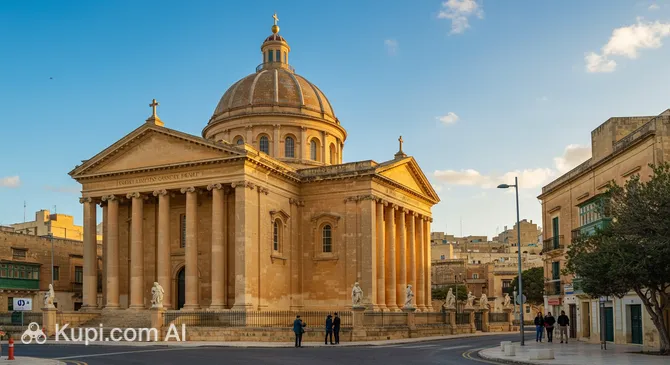
Mosta Dome. Illustration.
Source: Kupi.com AI

Traveler photos:

The church's main pride and distinguishing feature is its enormous dome. Its internal diameter is 37 meters, making it one of the largest in Europe and the third-largest unsupported dome in the world. When you step inside, the scale of this structure is truly breathtaking, creating a unique sense of space and light.

The architectural style of the temple is executed in a strict and elegant Neoclassical style, inspired by the famous Roman Pantheon. The building's monumentality, its classical forms, and, of course, the grand dome make it not just a place for prayer, but a true work of art that leaves a lasting impression.

Contacts

To find the current opening hours, ticket prices, and excursion schedules for the Mosta Dome, it is best to consult official sources. You can find the most accurate information on the cathedral's official website or on Malta tourism portals, which frequently publish all the necessary data for visitors.

How to contactContact
AddressRotunda Square, Mosta MST 2014, Malta
Phone number+356 2741 8368
Websitewww.mostachurch.com

What to Do

Visiting the Mosta Dome, also known as the Rotunda of the Assumption, is first and foremost an opportunity to admire its grand architecture. Walk around the temple to appreciate its monumental facade, and then step inside to find yourself under one of the largest unsupported domes in the world. The interior is striking: the walls and ceiling are adorned with exquisite frescoes, gilding, and decorative elements that create an atmosphere of solemnity and grandeur.

For many, the most moving part of the visit is learning about the "Miracle of Mosta." During the Second World War, an aerial bomb pierced the huge dome right during a service but failed to explode, saving the lives of hundreds. Visitors can see the exact spot where the shell fell and explore a small exhibition dedicated to this event. A replica of the bomb is on display inside the cathedral, allowing you to fully grasp the scale of the miracle that occurred.

In addition to self-guided tours, the temple often hosts guided excursions that help you gain a deeper understanding of its history and architectural features. For believers and those interested in local culture, there is an opportunity to attend a religious service. This is a unique chance not only to see the landmark but also to feel its living spiritual atmosphere, which makes the Mosta Dome one of the most iconic places in Malta.

Getting There

Getting to the majestic Mosta Dome from St. Julian's is quite simple, thanks to Malta's well-developed transport system. The most popular and economical way is to use public transport. Buses run regularly between the towns, taking you directly to Mosta. The nearest bus stop is located just a few minutes' walk from the cathedral, making this a very convenient option for tourists.

For those who value comfort and their own time, a taxi or rental car is a great alternative. This not only allows you to reach your destination faster but also to plan your route more flexibly, perhaps stopping at other interesting places along the way. Parking is available near the Mosta Dome, so you won't have to worry about where to leave your car.

Nearest city: St Julians

History & Facts

The Mosta Dome, officially known as the Rotunda of the Assumption, is more than just a church—it is a true symbol of the faith and resilience of the Maltese people. Located in the heart of the city of Mosta, this sanctuary is one of Malta's most recognizable landmarks. Its history began in 1833 when the architect Giorgio Grognet de Vassé took on an ambitious project inspired by the Roman Pantheon. Construction was carried out by local residents and lasted for nearly thirty years.

A unique feature of the construction was that the grand new church was built directly around the old one, which continued to function throughout the entire period of work. Only after the main construction was finished was the old church dismantled. The temple's crowning glory is its giant dome—one of the largest in the world without internal support. This architectural feat still amazes engineers and visitors today.

The most dramatic and famous episode in the history of the Mosta Dome occurred during the Second World War. On April 9, 1942, during an evening service with more than 300 parishioners inside, a 500 kg aerial bomb pierced the roof of the dome and fell right into the center of the hall. Defying the laws of physics, the bomb did not explode. No one present was harmed, and this event went down in history as the "Miracle of Mosta."

Today, visitors can see a replica of that very bomb in the church sacristy—a silent witness to an incredible escape. This event transformed the Mosta Rotunda from a mere architectural masterpiece into a place of pilgrimage and a symbol of hope, reminding us that even in the darkest times, miracles do happen.

Time Needed

To explore the famous Mosta Dome, also known as the Rotunda of the Assumption, it is recommended to set aside approximately 40 minutes to an hour and a half. This will be enough time to appreciate the grand architecture without rushing, examine the interior decoration, and, of course, admire one of the world's largest unsupported domes. During this time, you will also have a chance to learn about the incredible history of the temple, which makes it not just a sight, but a true symbol.

If you only want to take a quick look at the cathedral and snap a few photos, 20–30 minutes might be enough. However, to fully experience the atmosphere of this place, it's worth staying longer. A more extended visit will allow you not only to see the main hall but also to visit the small sacristy, which houses a replica of the aerial bomb that pierced the dome during the Second World War but failed to explode. This will provide a deeper understanding of why the Mosta Dome is so important to the people of Malta.

Working Hours

The Mosta Dome is an active temple, so its opening hours can be irregular and depend on the schedule of religious services, holidays, and the time of year. Generally, the church is open to visitors daily, usually from morning until evening, but access may be temporarily restricted during Mass. To ensure your trip goes smoothly, it is recommended to check the current schedule on the official website of the attraction or at local tourist centers in advance.

For a standard sightseeing visit, pre-booking tickets is usually not required; you can simply arrive during opening hours. However, if you plan to join an organized tour or attend a special event, it is better to check the terms and book a spot if necessary. The temple is open to visitors year-round, but seasonal changes in the service schedule may affect its operations.

DayOpening hours
Monday9:30 – 17:30
Tuesday9:30 – 17:30
Wednesday9:30 – 17:30
Thursday9:30 – 17:30
Friday9:30 – 17:30
Saturday9:30 – 16:30
Sunday12:00 – 17:00

Nearby

Visiting an iconic landmark like the Mosta Dome is undoubtedly a highlight of any trip to Malta. However, to truly feel the atmosphere of these places, it is worth exploring what lies nearby. Often, the most interesting discoveries await you just around the corner—whether it's an authentic restaurant, a bustling shopping center, or a historic square.

Exploring the surroundings will not only enrich your impressions but also allow you to form a more complete picture of life in St. Julian's and its environs. A short walk or a brief drive can offer unexpected emotions and serve as a pleasant addition to your cultural program.

NameDistance
PAMA Shopping Mall1.1 km
St. Publius Square7.4 km
Nenu The Artisan Baker8.2 km

Have you reached the end of the page?

So the route has been studied inside and out