Support

Palazzo Biscari

About

Palazzo Biscari is a true treasure of Sicilian Baroque, tucked away in the heart of the historic center of Catania. This grand palace, built on the site of old city walls after the catastrophic 1693 earthquake, is rightfully considered one of the most luxurious private buildings in Italy.

The building is striking in its scale: behind a sober facade of dark volcanic tuff lie about 700 rooms decorated with incredible opulence. The palace interiors are a magnificent symphony of Rococo, where exquisite stucco, massive mirrors, and colorful frescoes create an atmosphere of 18th-century aristocratic brilliance.
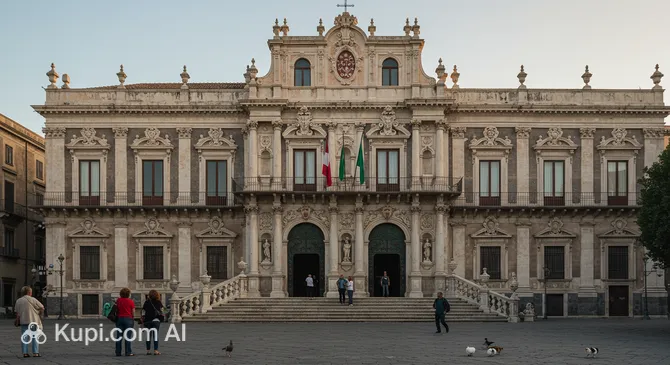
Biscari Palace
Biscari Palace. Иллюстрация. Источник: Kupi.com AI

Despite the fact that the palace is still a private residence for the noble Biscari family, its doors are open to travelers. Visitors can touch living history and see unique halls that have preserved the spirit of enlightened patronage and the island's ancient traditions.

Contacts

To clarify visit details or book private tours, you can use the official contact information of the palace administration.

How to contactContact
AddressVia Museo Biscari, 10, 95131 Catania CT, Italy
Phone+39 095 328 7201
Websitewww.palazzobiscari.it

What to Do

A visit to Palazzo Biscari is not just a walk through a museum, but an opportunity to immerse yourself in the world of the old Sicilian aristocracy. The highlight for many is the guided tour of the state rooms. Often, the heir of the princely family himself acts as the guide, sharing family stories and secrets of the house, which adds a special charm and exclusivity to the visit.

Be sure to linger in the central Rococo ballroom. Here, you can spend time admiring the floor made of vibrant majolica, the mythological paintings on the ceiling, and the whimsical staircase that seems almost weightless. Don't forget to step out onto the terrace: it offers a panoramic view of the city rooftops, allowing you to feel the rhythm of modern life through the prism of centuries.

Art lovers will appreciate the collection of antiques gathered by the Princes of Biscari and the monumental staircase in the inner courtyard, decorated with bas-reliefs by sculptor Antonio Amato. The palace also frequently serves as a venue for classical music concerts and cultural events, so it’s worth checking the current schedule before your visit.

Getting There

Finding Palazzo Biscari is easy, as it is located in the heart of the historic district at Via Museo Biscari, 10. The palace is just a few hundred meters from the Cathedral, making it easiest to reach on foot while walking through the city's central streets.

If you are using public transport, choose AMT buses (lines 1, 4, or D), which stop near Piazza Duomo. For travelers arriving from Fontanarossa Airport, it is most convenient to take the ALIBUS shuttle, which reaches the city center in about 20–30 minutes.

For those who prefer comfort, a taxi from the central station or major hotels will take you to the palace entrance in 10–15 minutes. Please note that parking in this part of the city is very limited (ZTL zone), so it is better to leave your car in paid parking lots near the port or in private garages nearby.

Ближайший город: Catania

History & Facts

The history of the palace is inextricably linked to the city's revival after the tragedy of 1693. The third Prince of Biscari, Ignazio Paternò Castello, envisioned building a residence that would symbolize the steadfastness of his lineage. The palace was built directly on the ancient 16th-century fortress walls—an exceptional privilege that highlighted the family's high status.

The building experienced its greatest flourish under the fifth prince, Ignazio V, who was an outstanding scholar, archaeologist, and patron of the arts. It was during his time that the most luxurious interiors were created and the halls were completed to house his personal archaeological museum. The project involved the best masters of the era, including architects Alonso di Benedetto, Giuseppe Palazzotto, and Francesco Battaglia.

In 1787, Palazzo Biscari was visited by the great German poet Johann Wolfgang von Goethe. In his "Italian Journey," he admiringly described the richness of the local collections and the hospitality of the hosts. For more than three centuries, the building has remained in the possession of the same family, serving as a living witness to the Age of Enlightenment and the resilience of Sicily's people.

Time Needed

To explore the main halls at a leisurely pace and listen to the guide's stories, you will need approximately 1–1.5 hours. This is quite enough time to get acquainted with the architecture and the key masterpieces of the collection.

If you are fond of photography or plan to study the frescoes and stucco work in the alcove in detail, it is worth allowing an additional 30 minutes for your visit. The general atmosphere of the palace encourages quiet contemplation, so don't rush and try to soak in the grandeur of this place.

Working Hours

Palazzo Biscari welcomes visitors according to the following schedule: from Monday to Saturday, the doors are open from 10:00 AM to 1:00 PM. The palace is typically closed to the public on Sundays.

Given the short morning opening hours, it is recommended to plan your visit in advance and arrive at opening time. Occasionally, the schedule may change due to private receptions or special cultural events, so it is worth checking the official website before visiting.

DayWorking hours
Понедельник10:00 – 13:00
Вторник10:00 – 13:00
Среда10:00 – 13:00
Четверг10:00 – 13:00
Пятница10:00 – 13:00
Суббота10:00 – 13:00
ВоскресеньеЗакрыто

Nearby

The location of Palazzo Biscari makes it easy to combine your visit with other iconic landmarks. The area surrounding the palace is a true open-air encyclopedia of Sicilian history, where ancient ruins and majestic Baroque churches are found at every turn.

A stroll through the neighborhood will help you feel the spirit of the city more deeply and see how different eras intertwine in its architectural appearance.

NameDistance
Ciauru i mari0.2 km
Teatro Massimo Bellini0.2 km
Church of the Abbey of Saint Agatha0.2 km
Elephant Fountain0.3 km
Piazza Università0.3 km
Ostello degli Elefanti Bar0.3 km
Scirocco Sicilian Fish Lab0.3 km

Reached the end of the page?

That means the route is fully explored