Support

Palace of Culture

About

In the very heart of Reggio di Calabria lies a unique space combining history, art, and social significance — the "Pasquino Crupi" Palace of Culture (Palazzo della Cultura "Pasquino Crupi"). Housed in a monumental building from the 1930s, this museum is one of the most important art centers that Italy takes pride in on its southern coast.
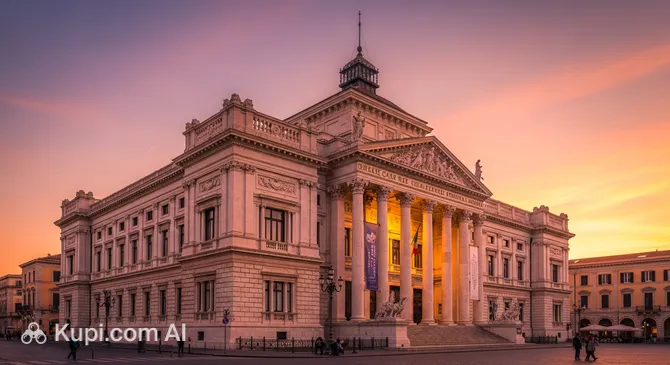
Palace of Culture
Palace of Culture. Иллюстрация. Источник: Kupi.com AI

Originally designed as an orphanage, the building was transformed into a modern cultural hub of over 4,000 square meters following a major renovation in 2016. Today, masterpieces from various eras come to life across thirty halls — from archaeological finds from the Magna Graecia period to canvases by great 20th-century masters. The Palace of Culture is rightly considered a must-see for those wishing to view Calabria through the lens of its rich aesthetic heritage.

The diversity of its collections adds special value to the complex. Here, collections confiscated from private individuals sit alongside works by prominent local artists and rare religious artifacts. It is more than just a museum; it is a vibrant space hosting temporary exhibitions, lectures, and concerts, making high art accessible to every visitor to the city.

Contacts

For more information on special exhibitions or events, you can use the official contact details of the institution.

How to contactContact
AddressVia E. Cuzzocrea, 48, 89128 Reggio di Calabria RC, Италия
Phone+39 0965 890623
Websiteturismo.reggiocal.it

What to Do

A visit to the "Pasquino Crupi" Palace of Culture offers guests a rich journey through the centuries. On the ground floor, be sure to explore the unique painting exhibition, featuring works by geniuses such as Salvador Dalí and Giorgio de Chirico. These canvases came to the museum from confiscated private collections, adding a specific ethical and artistic significance to the display.

History and spiritual culture buffs will find the San Paolo Museum, located inside the palace, fascinating. It houses an impressive collection of icons, including rare Russian icons from the 16th–20th centuries, as well as exquisite ivory items. For those who appreciate local flavor, the Calare collection, dedicated to the work of talented Calabrian painters, is open.

Beyond paintings, the palace features surprising technical rarities: a collection of antique gramophones that are still in working order, and a detailed model railway. If you are interested in science and education, check out the local library, which stores books from the 18th–19th centuries, or visit the room dedicated to bergamot — the symbol of the Calabria region. Frequent temporary exhibitions by young artists and cultural evenings make every visit unique.

Getting There

The "Pasquino Crupi" Palace of Culture is located at Via E. Cuzzocrea, 48, in the upper part of the city center. It is easily accessible on foot from the famous Lungomare Falcomatà or from Piazza Italia; the walk takes about 20–30 minutes through the city's picturesque streets.

If you prefer public transport, you can use the ATAM city bus network, which has stops near Via Cuzzocrea. From the Reggio Calabria Centrale railway station, a bus or taxi ride will take no more than 10–15 minutes.

For travelers arriving from Tito Minniti Airport, the most convenient option is a taxi (about 15–20 minutes) or a bus to the city center followed by a short walk. Those traveling by car should note that there are parking spaces in the museum area, though a GPS will be useful for navigating the one-way streets of the central districts.

Ближайший город: Reggio Calabria

History & Facts

The building that houses the Palace of Culture today has a complex history that is significant to the city. It was designed in the late 1920s by engineers Leale and Calogero and officially opened in 1934. Initially, this site was not associated with art — it was a brefotrofio, an orphanage for abandoned children, which played a vital social role in the region.

During World War II, the building was severely damaged. Major bombings on May 21, 1943, reduced part of the complex to ruins. Nevertheless, it was restored after the war and continued to serve as an orphanage until 1970. Later, the building housed government offices and the engineering faculty of the Mediterranea University, until it found its current cultural mission in 2016.

The museum is named after Pasquino Crupi, an outstanding Calabrian intellectual, writer, and critic. The decision to name the center in his honor was made following an open competition of ideas organized by the province. The official opening of the renovated space on May 7, 2016, became a symbol of the rebirth of the region's cultural heritage and the transformation of a historic building into a modern artistic hub.

Time Needed

To explore all the treasures of the "Pasquino Crupi" Palace of Culture at a leisurely pace, most visitors need between 2 and 3 hours. This is enough time to get acquainted with the main art gallery on the ground floor and explore the themed rooms on the upper levels.

If you plan to study the collection of Russian icons in the San Paolo Museum in detail, listen to the old gramophones, or browse the library with its rare 18th-century editions, it is worth setting aside a bit more time. Visiting the museum is a great way to spend half a day immersed in the aesthetics of Calabrian and world art.

Working Hours

The museum is open to visitors from Tuesday to Sunday, with Monday being the day off. The schedule is as follows:

  • Tuesday – Saturday: 08:30 – 18:30
  • Sunday: 08:30 – 13:30
  • Monday: Closed

As working hours may change during holidays or special events, it is recommended to check the current schedule on the official website before your visit.

DayWorking hours
понедельникЗакрыто
вторник08:30–18:30
среда08:30–18:30
четверг08:30–18:30
пятница08:30–18:30
суббота08:30–18:30
воскресенье08:30–13:30

Nearby

Exploring the Palace of Culture can easily be combined with visits to other iconic city spots. The museum's convenient location allows for a rich walking route covering both ancient ruins and the majestic architecture of Calabria.

A walk around the neighborhood will help you soak in the atmosphere of a city where the history of Ancient Greece meets modern Italian charm. Below are the attractions within walking distance:

NameDistance
Officina del Gusto0.2 km
Aragonese Castle0.5 km
National Bergamot Museum0.5 km
Piazza Duomo0.7 km
Piazza Italia0.7 km
Cathedral Basilica of Maria Santissima Assunta in Heaven (Reggio Calabria Cathedral)0.7 km
Falcomatà Promenade0.8 km

Reached the end of the page?

That means the route is fully explored