Support

Ursino Castle

About

Ursino Castle (Castello Ursino) is a majestic medieval fortress considered one of the most significant historical monuments in the city of Catania. Built in the 13th century by decree of Emperor Frederick II of Swabia, this structure once stood on a rocky cliff right by the sea. Today, it is surrounded by city quarters, serving as a reminder of the times when Italy was an arena for the struggles of great empires.
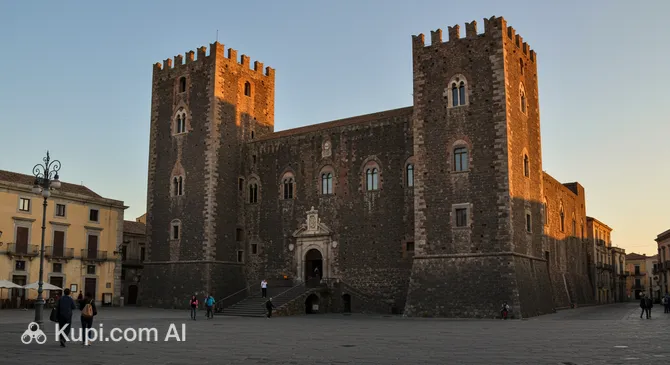
Ursino Castle
Ursino Castle. Иллюстрация. Источник: Kupi.com AI

The castle's architecture is striking in its rugged power: regular geometric shapes, massive walls, and four tall corner towers make it a classic example of fortification art. Notably, during the eruption of Etna in 1669, streams of molten lava surrounded the fortress, changing the landscape and pushing back the coastline, but the building itself heroically withstood the elements.

Today, Ursino Castle functions as an important cultural center, housing the Civic Museum. Visitors can not only explore the ancient halls but also see unique archaeological finds, medieval weapons, and works of art that reveal Sicily's rich, centuries-old history.

Contacts

To clarify information about visiting the museum or planning group tours, you can use the contact details provided below. It is also recommended to check the official city portal, as the castle often hosts temporary art exhibitions.

How to contactContact
AddressP.za Federico di Svevia, 21, 95121 Catania CT, Italy
Phone+39 095 345830
Websitewww.comune.catania.it

What to Do

Once inside the powerful fortress walls, be sure to visit the Civic Museum. It features an impressive collection of Greco-Roman artifacts: from ancient sculptures and mosaics to rare coins and exquisite ceramics. Walking through the halls, you can literally feel the breath of time while viewing everyday objects of the island's ancient inhabitants and masterpieces of Sicilian painting from the 16th to 19th centuries.

Architecture lovers should pay attention to the design of the building itself. The spacious inner courtyard, massive vaulted ceilings, and narrow arrow slits transport you to the atmosphere of the Middle Ages. It is an excellent spot for atmospheric photos, especially against the backdrop of ancient masonry that has survived the natural disasters of past centuries.

In addition to the permanent exhibition, the castle regularly serves as a venue for temporary exhibitions of contemporary art and cultural events. After visiting the museum, it is pleasant to stroll around the square surrounding the castle, where you can relax in one of the cozy cafes and observe the slow-paced life of the locals surrounded by history.

Getting There

Finding the fortress is quite easy, as it is located in the very historical heart of the city. If you are already strolling through the central quarters, the walk to Piazza Federico di Svevia will take very little time. From the famous cathedral, you can reach the castle on foot by following the signs for Castello Ursino.

For those who prefer public transport, city buses passing through the center are a convenient option. If you plan to use the metro, the nearest station—Stesicoro—is about a 10–12 minute walk away. Travelers arriving in the city on cruise ships will be pleased to know that the castle is within walking distance of the port.

If you value comfort or are short on time, you can always call a taxi from any point in the city. A trip from the central squares to the castle gates is inexpensive and takes only a few minutes. Thanks to its location, the fortress is easily accessible for tourists regardless of their travel plans.

Ближайший город: Catania

History & Facts

The history of this defensive structure began between 1239 and 1250. Emperor Frederick II envisioned it as part of a grand system of fortifications on the eastern coast of Sicily. The project was led by military architect Riccardo da Lentini, who managed to create a fortress that was considered absolutely impregnable for a long time. In those years, the castle served not only a military function but also helped the crown maintain control over the sometimes rebellious city residents.

Over the centuries, the castle's role changed constantly. It served as the royal residence of the Aragonese monarchs and the meeting place of the first Sicilian parliament. However, with the passage of time and the development of artillery, the fortress lost its former strategic advantage and was converted into a prison, and later into barracks for the garrison. Many prisoners left their signatures and drawings on the stone walls, which can still be seen in detail today.

The most dramatic moment in the fortress's fate was the year 1669. During a massive eruption of Mount Etna, a river of molten lava reached the castle walls, filled the defensive moat, and effectively "pushed" the sea back, stripping Ursino of its seaside status. Remarkably, despite this ordeal and the subsequent devastating earthquake of 1693, the castle stood firm, keeping its austere medieval appearance almost intact.

Time Needed

When planning a visit to Ursino Castle, you should allow for an average of 1–2 hours. This is sufficient time to leisurely explore the main halls of the Civic Museum, study the collection of archaeological finds, and walk through the castle's inner courtyard, soaking up the ancient atmosphere.

If you are an art history enthusiast or wish to study the temporary exhibitions in detail, your visit may extend to 2.5–3 hours. In any case, the castle is quite compact, making it easy to fit into a busy itinerary through the city's historical center.

Working Hours

Typically, Ursino Castle and the museum located within are open to guests daily from 9:00 AM to 7:00 PM. However, the operating schedule may change depending on the season, national holidays, or special cultural events.

To ensure your visit goes as smoothly as possible, we strongly recommend checking the current schedule on the official city website or by calling the museum, as the ticket office may stop selling tickets an hour before closing.

Nearby

Exploring the area around the fortress will help you dive deeper into the city's atmosphere and see how layers of different eras create the unique character of the Sicilian capital. Right next to the castle, you'll find both ancient ruins and magnificent Baroque monuments.

A walk from the fortress walls to other iconic sites will turn an ordinary tourist route into a true historical journey. Below are some interesting sites located within walking distance or a short drive away.

NameDistance
Roman Theatre of Catania0.4 km
Elephant Fountain0.4 km
Scirocco Sicilian Fish Lab0.4 km
Catania Fish Market0.4 km
Piazza Università0.5 km
Ostello degli Elefanti Bar0.5 km
Museum of Contemporary Art of Sicily0.5 km

Reached the end of the page?

That means the route is fully explored