Support

Ensenada

About

Ensenada is a picturesque gem of the northwestern coast, nestled in the Bay of All Saints (Bahía de Todos Santos). Often called the "Cinderella of the Pacific," this city is a major seaport and a popular stop for cruise ships. Here, a cosmopolitan atmosphere harmoniously intertwines with traditional Mexican hospitality, creating the perfect setting for an unforgettable vacation.

Geographically, the city is located about 120 kilometers south of the US border in the state of Baja California. Surrounded by majestic mountain ranges and the waters of the Pacific Ocean, Ensenada is famous for its mild Mediterranean climate, which delights tourists year-round. With a population of over 557,000, it is the third-largest city in the region, playing a key role in the economy and tourism that is so vital for all of Mexico.

Walking along the embankment or through the old quarters, it is impossible not to feel the unique spirit of this place. Ensenada's history is closely linked to maritime expeditions, the development of trade, and winemaking. From the first missionaries to the heyday of casinos in the 1930s, every stage has left its mark on the city's architecture and culture, turning it into a fascinating mosaic of eras.
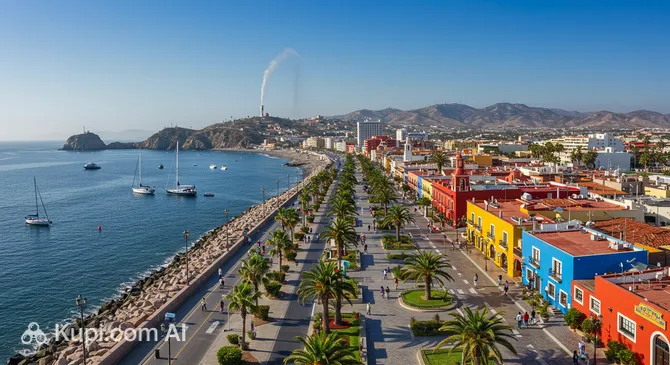
Ensenada. Illustration.
Source: Kupi.com AI

Travelers are drawn here not only by the comfortable weather and the ocean but also by unique attractions. One of the region's hallmarks is La Bufadora — one of the largest marine geysers in the world, where waves noisily erupt from the rocks to an enormous height. Additionally, Ensenada is considered the gateway to the famous Valle de Guadalupe wine valley, where the best Mexican wines are produced. Gastronomic tourists will certainly appreciate the local fish markets and the legendary fish tacos, which have become a culinary symbol of the city.

Ensenada invites you to enjoy the sea breeze, magnificent cuisine, and the warmth of the locals. Whether you are looking for a relaxed getaway with a glass of wine, breathtaking natural views, or immersion in authentic culture, this sunny city is sure to give you vivid impressions and a desire to return again.
Weather Overview

Ensenada's climate is often called "eternal spring" thanks to its mild Mediterranean character, which makes visiting the city comfortable almost any time of year. Summer here is warm and sunny, but without exhausting heat. The warmest months are August and September, when the average temperature reaches 23.7°C, and the air warms up to 27.3°C during the day. During this period, rain is an exceptional rarity: in July and August, the number of wet days drops to zero, which is ideal for a beach holiday.

The winter period brings coolness and most of the annual precipitation. In January and February, the average temperature fluctuates around 12.5–13.0°C, while nighttime figures can drop to 8.2°C. March can be the rainiest month with 10 days of precipitation, but by May the weather stabilizes, the number of rainy days decreases to three, and the daytime temperature rises to a comfortable 20.1°C.

When planning your trip, expect warm dry summers and cool winters with occasional rain. To choose the perfect time for your visit and pack your suitcase correctly, we recommend checking what the weather in Ensenada is like during different months of the year.

Average monthly temperature

Average monthly precipitation

Interesting Facts

Interesting Facts:

In addition to picturesque beaches and gastronomic delights, Ensenada holds many fascinating secrets and legends. This city is capable of surprising even seasoned travelers with its unique natural phenomena and rich cultural heritage.

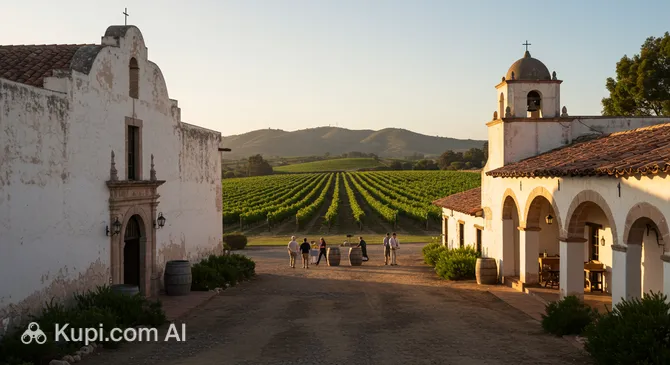
Santo Tomás Winery. Illustration.
Source: Kupi.com AI

Traveler photos:

  • Giant Sea Geyser. Ensenada is home to one of Mexico's most impressive natural phenomena, known as La Bufadora. This is a marine geyser where waves, entering an underwater cave, erupt outward with a roar, reaching heights of up to 30 meters. La Bufadora is considered one of the largest geysers of its kind in the world and is a true symbol of the ocean's power.

  • Wine Capital. The city is rightfully proud of its winemaking history, as it serves as the gateway to the famous Guadalupe Valley. Most of Mexico's wine is produced in this region. The oldest winery in Baja California, Santo Tomás Winery, founded in the late 19th century, still welcomes guests, offering tastings of world-class drinks.

  • Birthplace of the Margarita. There is a popular legend that the world-famous Margarita cocktail was invented right here in Ensenada in 1941. It is said that bartender Carlos Herrera first mixed this refreshing drink for one of the patrons. Today, you can feel the atmosphere of old Mexico and touch history in iconic places like Hussong's Cantina.

  • Wildlife Encounter. Ensenada features the unique Pai Pai Eco Tourism Park, which offers unforgettable emotions for children and adults. This is one of the few places where you can not only observe animals but also interact with them: pet a llama or even interact with a tiger cub under the supervision of specialists.

How to Get There

You can get to this picturesque port city in various ways, but most often travelers combine a flight with a trip by car or bus. Since there is no active civilian airport in the city itself, the main flow of tourists arrives through neighboring major transportation hubs. You can find out all the details and plan your route by clicking the link: all ways to get to Ensenada.

The most convenient option for most travelers is Tijuana Airport (IATA: TIJ). It is located in the city of Tijuana, approximately 84 km north of Ensenada. This is a major international hub receiving many flights from various cities in Mexico and abroad. A trip from the airport to the center of Ensenada by taxi or rental car will take about 1.5–2 hours, enjoying coastal views.

Another popular route is via the USA. San Diego International Airport (IATA: SAN) is located in San Diego, 112 km from the destination. This option is suitable for tourists with a valid US visa. After arrival, you will need to cross the border into Mexico, which may take additional time. Total travel time by transfer or car, including border crossing, is usually about 2.5–3 hours.

It is also worth mentioning Mexicali Airport (IATA: MXL), located in the state capital, Mexicali, 154 km from the coast. This is a regional hub that can be convenient if you are planning a trip through the eastern part of the peninsula. The journey by bus or taxi from here will take about 2.5 hours.

For clarity, here is summary information on the main airports through which you can reach the resort:

AirportPassenger trafficDistance
Tijuana Airport13.2 mln84 km
San Diego International Airport25.2 mln112 km
Mexicali Airport1.6 mln154 km
Yuma International Airport216 228208 km
Palm Springs International Airport3.2 mln219 km

Direct passenger rail service to Ensenada is currently unavailable. The railroads in this region are primarily used for freight purposes. Therefore, if you are already in Mexico, the most reliable ground transport remains comfortable intercity buses or car rentals. The scenic toll road (Escénica), which runs along the ocean from Tijuana, is considered one of the most beautiful roads in the country and turns the trip into a real pleasure.

Main Attractions

Ensenada is a city where colonial Mexican history meets the laid-back atmosphere of a modern resort. The main attractions here are located quite compactly, allowing you to see many of them during a leisurely stroll. From majestic historical buildings to picturesque embankments, here are the places you should definitely include in your itinerary.

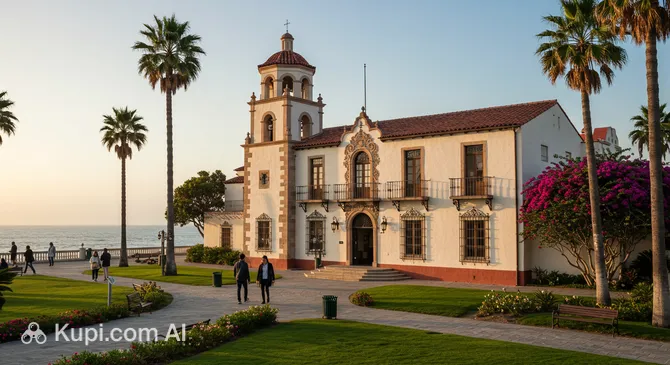
An absolute architectural masterpiece and symbol of the city is the Riviera del Pacifico Cultural Center. This magnificent snow-white building in Spanish Colonial style was built in the 1930s and once functioned as a luxury hotel and casino, visited by Hollywood stars and famous politicians. Today, tourists come here to admire the exquisite interiors, stroll through the well-kept gardens, and feel the spirit of the "Golden Era."

Riviera Cultural Center of Ensenada. Illustration.
Source: Kupi.com AI

Traveler photos:

The heart of tourist life by the water is the Ventana al Mar plaza and park. This is the perfect place to feel the rhythm of a port city: from here, you have a panoramic view of the harbor, cruise ships, and fishing boats. A huge Mexican flag is also installed here, serving as a landmark for travelers. While walking here, you can hear the cries of sea lions and enjoy the fresh ocean breeze.

To get acquainted with the spiritual and architectural side of the city, it is worth visiting the Co-Cathedral of Our Lady of Guadalupe. This main Catholic church in Ensenada stands out with its two high towers and simple but elegant facade. An atmosphere of peace reigns inside, and the interior is decorated with traditional religious images, making it an important cultural site for understanding local traditions.

If you are looking for peaceful relaxation by the ocean, head to the Malecon Playa Hermosa. This well-maintained embankment stretches along a sandy beach and is popular with both tourists and locals. Here you can have a picnic, watch stunning sunsets, or simply walk along the sand, enjoying views of the Pacific Ocean away from the city bustle.

Local Cuisine

Ensenada's gastronomic scene is a vibrant and original world where Mexican culinary traditions intertwine with the riches of the Pacific Ocean and Mediterranean influences. The city rightfully bears the title of a "mecca" for foodies, as many of the region's iconic dishes originated here. A trip here is unimaginable without getting to know the street food, which in quality and taste often rivals the menus of expensive restaurants.

The main culinary symbol of the city is the famous fish tacos (tacos de pescado). This classic dish is made from the freshest fish or shrimp fried in a light, crispy batter. They are served on a corn tortilla with shredded cabbage, cream sauce, and salsa. To try the standard-setting version of this treat, it's worth stopping by Tacos de Pescado Marco Antonio — a place that is immensely popular with both locals and tourists.

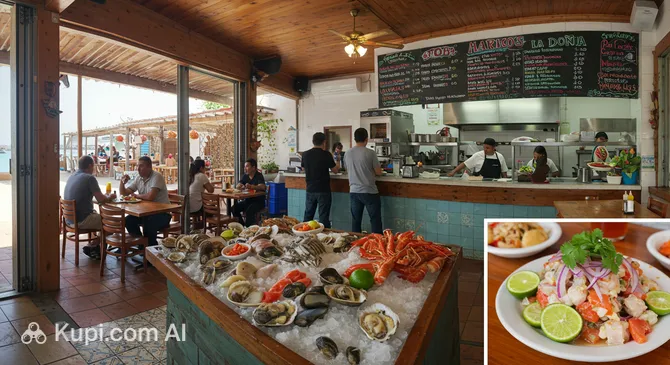
Since Ensenada is a port city, the seafood here is always exceptionally fresh. Local markets and restaurants ("marisquerías") will offer you oysters, mussels, sea urchins, and chocolate clams. Be sure to try Ensenada-style ceviche — marinated fish with lime, tomatoes, and cilantro, often served on crispy tostadas. An excellent place for tasting such delicacies is the Mariscos La Doña restaurant, known for its authentic approach to preparing seafood.

Mariscos la Doña. Illustration.
Source: Kupi.com AI

Traveler photos:

Speaking of drinks, one cannot fail to mention that Ensenada is the gateway to the country's main wine region. Local wines from the Guadalupe Valley are recognized worldwide, so it is customary here to accompany dinner with a glass of locally produced red or white wine. If you want to delve deeper into the culture of winemaking, visit the historic Santo Tomás Winery. In addition, the city is famous for its tequila-based cocktails, particularly the Margarita, and refreshing "micheladas" — beer drinks with lime juice and spices.

Food culture in Ensenada is democratic and diverse. Locals enjoy eating at the street carts (carretas) scattered throughout the center, especially around the Fish Market. For a sweet end to your meal, look for churros vendors — fried dough with sugar and cinnamon, or try unusual cactus desserts and traditional Mexican candies, which make great culinary souvenirs.

Travel Tips

Welcome to sunny Ensenada! To make your journey through the "Cinderella of the Pacific" as comfortable and worry-free as possible, we have gathered a list of the most important practical recommendations to help you avoid common mistakes.

  1. Clothing and Weather. The main rule for your wardrobe here is layering. It can be hot during the day, but because of the cold ocean current, evenings are often cool and windy, even in summer. Be sure to bring a windbreaker or sweater. Choose comfortable flat shoes for visiting wineries and walking along the embankment, as the roads can be uneven.

  2. Transport Nuances. The historic center is compact and pleasant to explore on foot. For trips to remote areas or beaches, it is better to use the Uber or DiDi apps — it's safer and often cheaper than hailing a car on the street. If you take a regular taxi, always agree on the price before getting in, as meters are used very rarely.

  3. Finances and Tipping. Although US dollars are accepted almost everywhere, the exchange rate in shops will be unfavorable. It is better to withdraw pesos from an ATM (cajero automático) for daily expenses. Cards are accepted in restaurants, but for buying the famous tacos on the street and souvenirs, you will need cash. It is customary to leave a tip of 10–15% of the bill if you liked the service.

  4. Water and Hygiene. Never drink tap water — this is a "golden rule" for all of Mexico. Use only bottled water even for brushing your teeth to avoid stomach problems. Pharmacies (Farmacias) are common, and many medications are available without a prescription, but it's better to have your own basic first-aid kit.

  5. Communication and Language. In the tourist zone and at wineries, staff often speak English, but learning a few phrases in Spanish ("Hola", "Gracias", "Por favor") is a mark of good manners that will open the hearts of the locals. For a stable connection, we recommend buying a local SIM card (for example, Telcel) at any OXXO store, as roaming can be expensive.

  6. Local Etiquette. Mexicans are very polite and friendly. When entering a shop, elevator, or restaurant, it is customary to say hello ("Buenos días" or "Buenas tardes"). Life here flows at a relaxed pace, so service in cafes can be leisurely — don't rush the staff, just relax and enjoy the moment.

  7. What to Avoid. You should not walk in remote residential areas after dark or leave valuables in plain sight in a rental car. Also, avoid driving on rural highways at night: there may be no lighting, and the quality of the road surface in some places leaves much to be desired.

  8. Winery Tip. If you plan to visit the Guadalupe Valley, be sure to book your tastings in advance, especially if your trip falls on a weekend. Popular wineries are often fully booked, and getting there "off the street" can be impossible.

By following these simple tips, you will be able to avoid minor troubles and fully focus on the main thing — the magnificent gastronomy, seascapes, and the unique atmosphere of hospitable Ensenada.

Entertainment & Nightlife

Ensenada's nightlife is a vibrant cocktail of traditional Mexican fiestas, noisy parties, and relaxed gatherings with a glass of local wine. As soon as the cruise ships leave the port, the city changes its face: lights come on in the streets, and the sounds of music drift from bars — from modern hits to soulful mariachi melodies.

The epicenter of evening entertainment is the tourist zone, especially First Street (Calle Primera or Avenida López Mateos) and the intersecting Avenida Ruiz. This is where most of the bars, clubs, and souvenir shops that stay open late are concentrated. The atmosphere here is democratic and laid-back: a strict dress code is rare, and casual style is welcome in most places. The crowd is very diverse — from local students and American tourists visiting for the weekend to couples enjoying dinner.

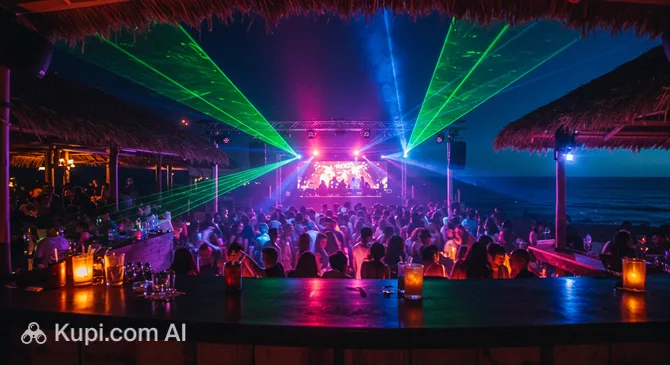
Papas & Beer Ensenada. Illustration.
Source: Kupi.com AI

Traveler photos:

If you are looking for a place with unrestrained energy, loud music, and dancing until morning, be sure to check out Papas & Beer Ensenada. This legendary venue is known for its massive parties, which often attract young people. A spirit of freedom reigns here, and the fun doesn't stop for a minute.

For those who want to touch history and feel the authentic spirit of old Mexico, a visit to Hussong's Cantina is a must. It is the oldest bar in the region where, according to legend, the Margarita was invented. Sawdust-covered floors, live mariachi music, and "tequileros" offering drinks right at the tables create a unique flavor. People come here not so much for dancing, but for the atmosphere and socializing.

Fans of gambling and shows should visit Skampa Casino. This is a modern entertainment complex where you can not only test your luck at slot machines or card tables but also watch sports broadcasts or live performances in a comfortable setting.

Practical tips for night outings:

  • Safety: The tourist center (Zona Centro) is well-patrolled and considered safe for nighttime walks. However, it is better not to wander deep into residential neighborhoods after dark.
  • Transport: At night, it is best to get around by taxi or use apps like Uber. It is reliable and inexpensive.
  • Prices: The cost of entry to clubs can vary from $5 to $20 depending on the event, but entry to many bars is free. Drinks are usually reasonably priced, especially during happy hours.

While Ensenada is famous for its parties, there is also plenty to do during the day besides the beaches. Families with children will enjoy the Cool Kids Ensenada amusement park, where little travelers can have fun on trampolines and slides while parents relax. Cultural leisure can be diversified by visiting local galleries or theaters, which often host daytime performances.

Parks & Museums

Ensenada offers travelers not only picturesque ocean views and gastronomic delights but also a rich cultural program combined with cozy green areas. The city carefully preserves its history in museums and invites you to relax in parks where you can hide from the midday sun and feel the leisurely rhythm of local life.

For those seeking tranquility in the city center, the Revolution Park is an ideal place. It is Ensenada's oldest park, which was recently renovated but has retained its traditional charm with a central gazebo and shaded alleys. Music evenings and festivals are often held here, and locals love to gather with their families. Another important green zone is Hidalgo Park, located near the historic center. This well-maintained space with a monument to the "Father of the Nation" Miguel Hidalgo is perfect for a short break during a walk around the city.

Special attention should be paid to the Civic Plaza of the Motherland (Plaza de las Tres Cabezas). Although it is more of a monumental square than a classic park, it impresses with its scale and huge golden busts of Mexico's national heroes. This is where the giant Ensenada Monumental Flag flies, which is visible from almost any point on the embankment.

Caracol Science and Culture Center. Illustration.
Source: Kupi.com AI

Traveler photos:

You can immerse yourself in the educational world of science and nature of the region at the Caracol Science and Cultural Center. This modern museum, shaped like a ship, is located right by the harbor. Its exhibitions are dedicated to the sea, astronomy, and the ecology of the Baja California peninsula, making it especially interesting to visit with children. Interactive exhibitions telling about the biodiversity of the ocean are regularly held here.

Connoisseurs of beauty should visit the Ensenada State Center for the Arts (CEARTE). This is the city's main art hub, where works by contemporary Mexican and international artists are exhibited. The complex includes exhibition halls, performance spaces, and cozy terraces. The city's historical heritage is best represented in the building that houses the Riviera del Pacifico Cultural Center. In addition to its stunning architecture, the center houses a history museum telling the story of indigenous peoples, missionaries, and the Prohibition era.

For lovers of unusual places and hidden gems, we recommend finding the Garden of Tara. This is a unique cultural space and sculpture garden created by enthusiasts. The place is filled with creative energy and surreal art objects, making it an excellent location for non-standard photos away from the tourist crowds.

Getting Around

The public transport system in Ensenada is quite simple and differs from what you might see in major metropolises. There is no metro, trams, or trolleybuses, and the railway tracks are used exclusively for freight. The core of the city's transport network consists of buses and minibuses, which locals often call "micros" or "calafias." This is the most affordable way to get around, allowing you to reach almost any neighborhood.

Buses and minibuses are usually painted white with bright stripes, the color of which indicates that they belong to a certain route. Destinations and key streets are often written with a marker right on the windshield, which can be unusual for tourists. There is usually no clear schedule at the stops: transport runs at intervals of 10–15 minutes during the day, but after 9:00 PM, the intensity of movement drops sharply.

The fare payment system here is conservative: validators, transport cards, or mobile apps for payment are not used on buses. Payment is made exclusively in cash to the driver upon entry. The fare is fixed and low. Tourists are strongly recommended to exchange money in advance and have small coins and bills in pesos, as the driver may often not have change for large banknotes.

For those who do not want to figure out the intricacies of local routes, taxis and ride-sharing apps are an excellent alternative. Apps like Uber or Didi work stably in the city and are very popular. This eliminates the need to explain yourself in Spanish and guarantees a fixed price. Traditional taxis (usually yellow and white) wait for passengers at special stands (sitios), but if the car does not have a meter, the cost of the trip must be agreed upon strictly before boarding.

The historic center and the tourist zone along the embankment are very compact, so it is most convenient to move around on foot. In addition, you can rent a bicycle on the embankment (Malecon) for rides along the ocean. If you plan to visit remote beaches or famous wineries outside the city, public transport will not be the most convenient option — in this case, it is better to use a car rental or book an organized transfer.

Accommodation

Ensenada offers tourists a wide range of accommodation options to suit any taste and budget. The city's hospitality infrastructure is well-developed: here you can find everything from inexpensive youth hostels and cozy guest houses to reliable mid-range hotels and luxury resorts with pools and views of the Pacific Ocean.

If you want to be in the center of the action, choose accommodation in the Zona Centro area, especially near the tourist street Calle Primera. Staying here, you will be within walking distance of souvenir shops, restaurants, and the epicenter of nightlife. This is an ideal option for those who plan to actively explore the city on foot and visit popular locations such as the Ensenada Pier, where sea excursions depart from.

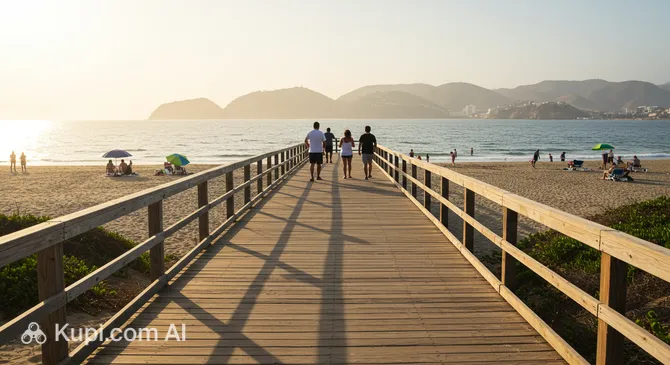
Playa Hermosa Boardwalk. Illustration.
Source: Kupi.com AI

Traveler photos:

For lovers of seascapes and a more relaxed holiday, hotels located along the coast near the Malecon Playa Hermosa are suitable. Here you can fall asleep to the sound of the surf and enjoy morning jogs or walks along the beach. Those seeking privacy or planning a long family trip should consider renting apartments or private houses, which are widely available on the market.

Booking Tip: Ensenada is a very popular weekend destination for residents of neighboring regions and tourists from the USA. During the summer season, the grape harvest festival (Vendimia), or the famous Baja 1000 races, the demand for accommodation increases sharply. It is highly recommended to book rooms in advance to guarantee comfortable accommodation at a reasonable price.

The price range in the city varies from budget options to the premium segment. Most hotels and apartments can be easily booked through popular international online platforms, which guarantees a secure transaction. Small boutique hotels also often offer direct booking through their websites or social media.

Nearby Cities

For those who want to explore the surroundings, Ensenada serves as an excellent starting point for day trips to several interesting nearby locations. The city's location makes it easy to reach both bustling metropolises and quieter towns, each of which reveals a new facet of life in the state of Baja California.

One of the most popular destinations for a short trip is Tijuana. This dynamic border city is known for its rich cultural life, the famous Cultural Center (CECUT), and the legendary Avenida Revolución. Tijuana also attracts foodies with its growing gastronomic scene and craft brewing.

A little further inland is Mexicali — the state capital. A trip here will allow you to see completely different landscapes: instead of the ocean breeze, you will be met by the hot breath of the desert and interesting architecture. The city is famous for its historic Chinatown, La Chinesca, and a unique blend of cultures, making it a fascinating place for an educational visit.

CityPopulationDistance
Rodolfo Sanchez Taboada31 00616 km
El Porvenir14 12124 km
Las Delicias114 78333 km
La Mision10 09635 km
Rosarito100 66071 km

These nearby destinations provide insight into the diverse culture and landscapes of the region.

Shopping & Souvenirs

Shopping in Ensenada is an exciting adventure that ranges from strolling through noisy tourist bazaars to visiting modern shopping complexes. As a popular cruise port, the city offers a huge selection of products geared toward travelers: from authentic Mexican crafts to high-quality jewelry and local delicacies. It is easy to find both unique handmade souvenirs and familiar brand-name items here.

The heart of tourist commerce is First Street (Calle Primera or Avenida López Mateos). This is a busy pedestrian zone where life hums from morning until late evening. Along the street, shops are lined up in dense rows, offering leather, silver, and textile goods. A walk here is not just about shopping, but an immersion in the city's atmosphere: vendors friendly invite guests, and shop windows are full of bright colors. Nearby is Avenida Ruiz, where you can also find interesting shops catering to both tourists and locals.

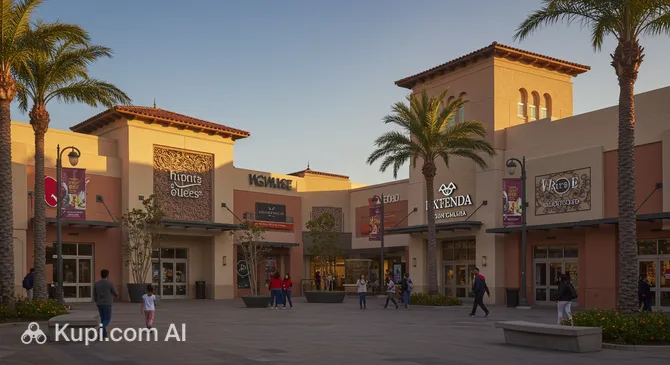
If you prefer a more familiar shopping format with air-conditioned halls and chain stores, you should head to Macroplaza del Mar. This is the city's largest shopping center, located near the coast. It features clothing, footwear, and electronics boutiques, as well as a cinema and a food court. Another notable shopping spot is Plaza AAA, where you can find a variety of goods and services in a comfortable setting.

Macroplaza del Mar. Illustration.
Source: Kupi.com AI

Traveler photos:

Ensenada's special character can be felt at the local markets. Although the famous "Mercado Negro" (Black Market) is primarily known for the freshest seafood, there are many stalls with souvenirs and handicrafts around it and in the embankment area. Here, look for the Artisan Center (Centro Artesanal), where local masters sell their creations. This is the best place to find truly unique handmade items rather than factory-made replicas.

Among souvenirs from Ensenada, silver jewelry (often from the city of Taxco), high-quality leather goods (belts, bags, boots), and bright Mexican ceramics are particularly popular. Don't forget about gastronomic gifts: a bottle of wine from the nearby Guadalupe Valley, natural vanilla, or hot sauces will be a great reminder of the trip. Tourists also often buy colorful woolen blankets and ponchos.

Most shops in the tourist zone are open from 9:00–10:00 AM to 8:00–9:00 PM, adjusting to the cruise ship schedule. In large shopping centers, the schedule is more fixed. As for payment, US dollars are accepted almost everywhere alongside Mexican pesos, but the exchange rate may not be the most favorable. Credit cards are accepted without problems in shopping centers, restaurants, and large stores, but for markets and small shops, it is better to have cash with you.

Mexico has a Tax Free system (tax refund) for foreign tourists arriving by sea or air. If you make purchases at participating stores (look for the "Moneyback" or "Tax Free" logo) for an amount above a certain minimum, you can apply for a partial tax refund. To do this, be sure to keep your receipts and ask for a special form at the time of purchase, which you will need to present at the refund point before departing the country.

Reached the end of the page?

That means the route is fully explored