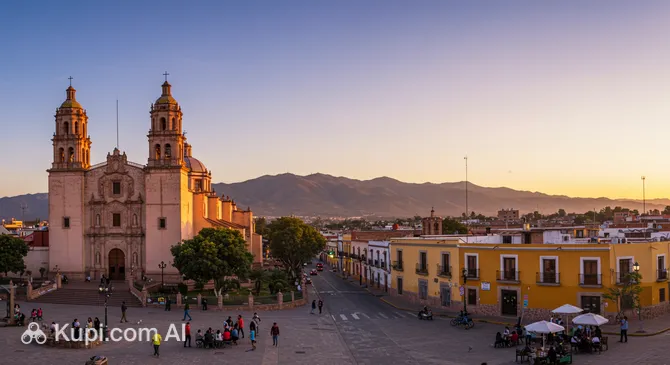
Guasave is the heart of the agricultural region of the state of Sinaloa, located in the northwest of sunny Mexico. The city does not strive to be a popular tourist hub, and that is precisely where its special charm lies. Here, you can feel the true rhythm of the Mexican province, free from the hustle and bustle of mass tourism, and see life as it is in the fertile valleys of the Pacific coast.
Guasave. Illustration.
Source: Kupi.com AI
Founded in 1595 by Captain Hernando de Villafañe, the city carefully preserves its centuries-old history. The development of this settlement has progressed from pre-Hispanic communities to a major agricultural center with a population of about 320,000 people. Guasave is often called the "agricultural capital of the heart of Mexico" due to the abundance of farmland surrounding the city.
Among the city's features, its calm atmosphere and traditional architecture, represented by local churches and cozy central squares, are worth highlighting. A visit to Guasave is an excellent opportunity to get acquainted with the culture of the state of Sinaloa, try authentic cuisine, and enjoy the hospitality of the locals, who are always happy to welcome rare guests from abroad.
Weather Overview
The weather in Guasave is determined by its tropical location and proximity to the Pacific coast. The climate here is characterized by a hot and dry period in the first half of the year and a humid, sultry summer. If you are planning a visit, it is worth considering that the most comfortable temperatures for walking are established between November and March.
In the winter months, for example in January, the average temperature is about 20°C, while during the day the air can warm up to a pleasant 27°C, and nights remain cool. With the onset of summer, the heat intensifies: in July and August, the thermometer often crosses the 35°C mark. Precipitation mainly occurs from July to September, when intense but brief tropical downpours are possible.
When planning your trip, you can find out in advance what the weather in the city will be like in order to choose the right wardrobe. Expect a sunny and very hot summer with periodic rain, as well as dry and mild winters that are ideal for exploring the region without the exhausting heat.
Average monthly temperature
Average monthly precipitation
Interesting Facts
Guasave has deep historical roots: it was founded by Captain Hernando de Villafañe in 1595 on a site where indigenous settlements of Mexico were previously located.
The city's municipality was officially formed on November 30, 1916, and today covers an impressive number of settlements — 543 in total.
The city is a vital link in the region's food security, for which it received the informal title of the "agricultural heart" of the state of Sinaloa.
Despite its industrial and agricultural focus, Guasave retains features of a typical colonial settlement in its planning and the architectural details of its central part.
How to Get There
Guasave is conveniently located on the transport artery of the state of Sinaloa, making it accessible for travelers exploring the northwestern part of the country. The main way to reach the city is by car or intercity buses, which regularly run along federal highways connecting the region's key cities.
If you are planning a visit, it is useful to know the details of how to get to the city. There are no direct commercial flights to Guasave itself, so most tourists use the nearest major airports or rent a car. A drive from neighboring Los Mochis will take about one hour, while the bus journey from the state capital, Culiacán, can take 3 to 4 hours.
Railway communication in this region is poorly developed and primarily focused on freight transport. For comfortable travel between cities, it is best to use first-class comfortable buses, which offer a high level of service and air conditioning — an important factor in Sinaloa's hot climate.
Main Attractions
Although Guasave is better known as an agricultural center, there are several interesting places here that allow you to touch upon the local culture and religion. Churches, such as Iglesia del Rosario and Iglesia De San Judas, take center stage in the lives of the townspeople. These temples are not only religious centers but also examples of traditional Mexican architecture, where entire families gather on weekends, creating a unique local atmosphere.
Lovers of modern infrastructure and leisure should check out Eldorado Casino, which is a popular spot for evening entertainment. For those who appreciate craft drinks, the local brewery Cervecería 37 may be of interest, where you can taste varieties that reflect the flavor preferences of the Sinaloa region.
While strolling through the city, look out for monuments such as the Emblema Cruz Roja Mexicana or the unusual Tanque De Agua Villa Universida, which serves as a landmark for locals. The city's central squares and markets are the best spots to observe daily life and feel the true spirit of provincial Mexico.
Local Cuisine
The gastronomy of Guasave is a bright reflection of the culinary traditions of Sinaloa state, which is famous for its seafood. Be sure to try the local shrimp tacos and the famous aguachile — fresh seafood marinated in lime juice with the addition of spicy chili peppers and seasonings. Thanks to the proximity to the coast and the fertile lands of the valley, all the ingredients on the locals' tables are exceptionally fresh.
The general character of the city's food scene can be described as "honest home cooking." It's not common to look for fine dining restaurants with Michelin stars here; instead, you should head to the local markets or small family cafes. It is there that you can try the best marinades and fresh salads made from vegetables grown in neighboring fields.
As for drinks, cold beer is popular in Guasave, providing the perfect rescue from the daytime heat. Of particular interest are the products of the local brewery Cervecería 37, where unique craft varieties are created. For fans of tradition, classic Mexican tequila and refreshing "aguas frescas" fruit drinks are always available.
Travel Tips
Guasave is a hospitable city where traditions and a calm pace of life are valued. To make your trip as comfortable as possible and leave only pleasant impressions, check out these practical tips.
Clothing and Essentials: Choose light clothing made from natural fabrics, as it is often very hot in the region. Don't forget sunscreen, sunglasses, and comfortable walking shoes. For visiting churches, it is recommended to cover your shoulders and knees, showing respect for local traditions.
Transport: Within the city, it is most convenient to move by taxi. For travel between cities in the state of Sinaloa, use comfortable buses — it is safe and convenient.
Finances: The main currency is the Mexican peso. Although cards are accepted in hotels and large stores, you will definitely need cash at markets and in small cafes. It is best to look for ATMs at bank branches in the center.
Health and Safety: Drink only bottled water. In the evening, stick to the central lit streets and avoid walking in remote industrial areas.
Communication: The main language is Spanish. English is not very widely spoken, so learn a few basic phrases: "Hola" (hello), "Gracias" (thank you), and "¿Cuánto cuesta?" (how much does it cost?).
Local Etiquette: It is customary to say hello when entering a store or cafe. Locals are very polite and appreciate reciprocal friendliness.
What to Avoid: You should not take photos of people without their permission, especially in rural areas. Also, avoid discussing sensitive social topics with people you don't know well.
Additional Tip: Be sure to visit a local brewery or try street food in the central square — it's the best way to get a taste of the real Guasave.
Following these simple rules will help you become a welcome guest in this unique Mexican corner and fully enjoy its authenticity.
Entertainment & Nightlife
Nightlife in Guasave is calm and local in character, reflecting the city's agricultural lifestyle. The main centers for evening leisure are Eldorado Casino, where you can try your luck at gambling, and the Cervecería 37 brewery, which attracts fans of high-quality beer and live socializing. Most establishments are oriented toward locals, so a relaxed and friendly atmosphere always prevails.
For those looking for larger-scale entertainment, nightclubs, or major concert venues, locals often recommend heading to neighboring cities like Los Mochis or Culiacán. In Guasave itself, the evening is best spent having dinner at one of the cozy restaurants or walking through the central square, where life quiets down toward midnight.
Daytime entertainment in the city includes visiting small parks and strolling through local markets. Safety in the central areas during the evening is at a good level; however, for moving around the city at night, it is recommended to use official taxi services, which can be called through establishment administrators or by phone.
Parks & Museums
In Guasave, as a typical agricultural center, the emphasis is not on classical museums but on public spaces where residents spend their free time. The central squares and recreation areas near the churches serve as the main cultural venues, becoming sites for holidays and festivals. Here, you can feel the living history of the city by observing the traditions of local communities.
Although there are few specialized art galleries here, walking through the city streets themselves is like visiting an open-air museum. You can see the characteristic architecture of residential and industrial buildings that tell the story of agricultural development in Mexico. For nature lovers, green spaces in residential neighborhoods and walking paths along the valley's main canals may be of interest.
For a deeper dive into the region's history, tourists are often recommended to visit museums in neighboring Los Mochis or Culiacán. However, Guasave wins you over with its sincerity: there are no exhibits created specifically for tourists, but there is the authentic atmosphere of a working Mexican city, where every monument or old building has its own meaning for the local population.
Getting Around
The transport system of Guasave is simple and functional. The main type of public transport is buses, which connect various districts of the city and the numerous settlements of the municipality. This is the most budget-friendly way to get around; however, it's worth noting that during peak hours, when workers are heading to the agricultural zones, the buses can be overcrowded.
For tourists, the most convenient and fastest way to move around remains the taxi. In Guasave, taxi services are available everywhere; a car can be found at special stands in the city center or called through an app. It is better to agree on the price of the trip in advance or monitor the meter, if one is provided by the rules of the specific service.
If you plan to explore the surroundings and visit remote farms or neighboring cities, the best solution would be to rent a car. The road network in the region is in good condition, although traffic jams sometimes occur at the exits from the city. Bicycle rental is practically non-existent in the city, as the hot climate and heavy traffic on the main streets do not favor long trips on two wheels.
Accommodation
Accommodation options in Guasave are primarily geared toward business travelers and those passing through the city. You won't find huge luxury resort complexes here, but there is an abundance of cozy mid-range hotels and practical motels. Most hotels are concentrated in the central part of the city, which is convenient for access to local cafes and transport hubs.
For those who value home comfort, apartments and guesthouses are available, often rented through popular international booking services. Accommodation prices in Guasave remain very affordable compared to the major tourist centers of Mexico, making the city attractive for budget travelers.
During peak periods, such as during agricultural exhibitions or local festivals, it is recommended to book a room in advance. The main focus of local hotels is on functionality: the presence of air conditioning, Wi-Fi, and parking is a standard requirement for most establishments in the city.
Nearby Cities
Thanks to its location, Guasave serves as an excellent starting point for exploring the surroundings and getting to know the larger centers of Sinaloa state. Just a few dozen kilometers from the city are interesting places that are perfect for a day trip and offer more developed tourist infrastructure.
One of the most popular destinations is Los Mochis, which is about an hour's drive away. This city is known as the starting point of the famous "El Chepe" railway route and offers an excellent selection of seafood restaurants. It's also worth visiting Guamúchil, which is even closer and famous for its cultural traditions and monuments.
If you have free time, you can head to Culiacán, the state capital, to enjoy shopping and parks, or explore coastal areas such as Punta Colorada. The region around Guasave hides many picturesque agricultural landscapes and authentic towns, each of which reveals the soul of the Mexican northwest in its own way.
Shopping & Souvenirs
Shopping in Guasave is practical in nature and focused on the everyday needs of residents. There are no giant shopping malls with global brands in the city, but there are many colorful local shops and markets. Most commercial activity is concentrated in the central part of the city, where you can find everything from clothing to household goods on the main streets.
The main place for shopping is the local markets, where you should look for the freshest agricultural products: vegetables, fruits, and spices. It is also a great opportunity to purchase typical Mexican goods, such as leather items or handmade textiles. For everyday small items, popular Oxxo chain stores are scattered throughout the city.
As souvenirs from Guasave, people often bring back local long-storage agricultural products or Sinaloa folk crafts. Most shops operate on a standard schedule: from 9–10 AM to 8 PM, with a possible break for a siesta. Cards are accepted at large outlets, but Mexican pesos in cash will definitely be needed at markets and in small shops.