Support

Centro Histórico

About

León's Historic Center (Centro Histórico) is the picturesque heart of the city of León, where the colonial past that Mexico is famous for literally comes to life. This district is recognized as a cultural heritage site and is a harmonious blend of historic squares, majestic temples, and charming pedestrian streets. Here, Baroque and Neoclassical architectural styles create the unique character of a typical Mexican provincial town.
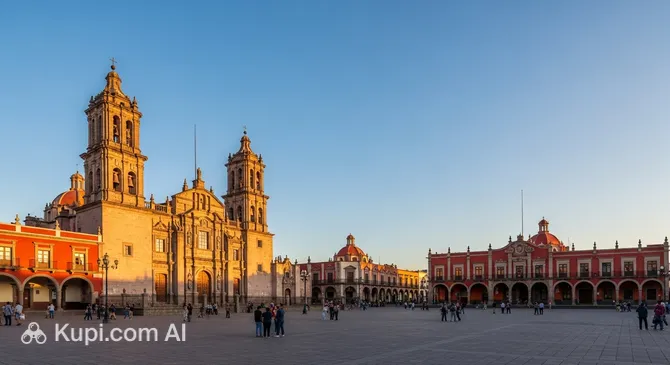
Historic Center of León. Source: Kupi.com AI

The center is the main tourist and cultural hub of the state of Guanajuato. Strolling through the area, you cannot miss its iconic landmarks: the magnificent Cathedral Basilica, the majestic Triumphal Arch on the Avenue of Heroes, and the unique Expiatory Temple (Templo Expiatorio). These architectural monuments reflect the rich history of a region that once thrived on the mining of precious metals.

For travelers, the Centro Histórico is interesting not only for its museums and archives but also for its special atmosphere. Bright house facades, bustling markets with local delicacies, and well-maintained public spaces make it an ideal place for leisurely walks. A high rating among visitors confirms that this place has maintained its authenticity and hospitality for centuries.

Contacts

To plan your visit to the Historic Center of León, it's helpful to know its exact location. Although it is an open urban area, the central square serves as the primary landmark.

Address Centro, 37000 León de los Aldama, Gto., Mexico

What to Do

A stroll through the Historic Center of León is, above all, a visual delight. It is definitely worth walking along the Avenue of Heroes (Calzada de los Héroes) to the famous Triumphal Arch, which is the city's main symbol. Architecture enthusiasts will love the Expiatory Temple, striking in its detail, and the majestic Cathedral Basilica. These spots are ideal for photos, especially during the "golden hour" when the light sits softly on the historic facades.

In addition to sightseeing, it is worth stopping by the Explora Science Center—one of the best educational centers in the country, which is fun for both adults and children. For those who want to dive deeper into the region's history, the doors of the Historical Archive are open. In the evening, the district is transformed: the illumination is switched on, and you can often find street musicians and artists in the squares, creating a true festive atmosphere.

Don't miss the chance to experience the gastronomy of the state of Guanajuato. Be sure to try authentic tacos and refreshing fruit drinks at the local markets and small cafes. If you have time left, you can combine your visit to the center with a trip to Cerro del Cubilete mountain to see the famous chapel and enjoy panoramic views of the surrounding area.

Getting There

Getting to the historic heart of the city is easy, as all roads lead to the Centro Histórico. If you are arriving from other regions via the Del Bajío International Airport (BJX), located 25 km away, it is most convenient to use taxi services or official transfers. There is also an excellent bus connection with neighboring cities such as Guanajuato, from where modern Primera Plus buses deliver passengers in about an hour.

Within the city itself, the most popular forms of transport are SABESA municipal buses and ride-hailing services like Uber. Most routes pass through the central streets, dropping passengers off within a few minutes' walk of the main attractions. If you prefer to travel by rental car, follow Highway 45D, but remember that it is better to park in designated parking lots on the outskirts of the center, as many of the inner streets are pedestrian-only.

To navigate the narrow colonial alleys, walking is your best option. The area is designed quite compactly, allowing you to easily move between cathedrals, museums, and squares without needing transport, all while soaking in the atmosphere of the old city.

History & Facts

The history of this place began on January 20, 1576, when a settlement was founded by decree of the Viceroy of New Spain, Martín Enríquez de Almansa. Juan Bautista de Orozco is considered the founder, and the town's strategic position on the Mexican Plateau quickly turned it into an important agricultural and commercial center. The settlement was granted city status just four years after its founding, in 1580.

The special prosperity of the Bajío region occurred during the colonial period, when rich silver and gold mines were discovered here in the mid-16th century. León became a key administrative hub, ensuring control over the extraction and transportation of precious metals. This wealth was reflected in the architecture: it was during this time that majestic buildings in Baroque and Neoclassical styles began to be built, which still define the look of the central quarters today.

Interestingly, the city was originally intended as a military outpost to protect against raids by indigenous tribes, but over time it evolved into a thriving commercial hub. Monuments that have survived to this day, such as the Cathedral Basilica and the Triumphal Arch, are silent witnesses to an era when the state of Guanajuato was one of the richest regions in the world thanks to silver mining.

Time Needed

To leisurely immerse yourself in the colonial-era atmosphere, a typical traveler will need between 3 to 5 hours. This is plenty of time to see the main architectural monuments, such as the cathedral and the arch, and take some memorable photos on the Avenue of Heroes.

If you plan to visit the Explora Science Center, browse the souvenir shops, and enjoy a traditional Mexican lunch at one of the local restaurants, it's worth setting aside a full day to explore the center. An evening stroll, when the decorative building lights come on, would be the perfect way to finish your itinerary.

Working Hours

The Historic Center of León itself, as a public space, is accessible to visitors 24/7. You are free to walk through its squares and streets at any time that suits you, enjoying the quiet of the early morning or the liveliness of the evening hours.

However, keep in mind that museums, temples, and shops have their own operating hours. Most museums are open to the public from 10:00 AM to 6:00 PM, and cathedrals may close during private services. Before visiting a specific building, it is recommended to check the information on official resources or information boards.

Nearby

Exploring the surroundings of the city's historical core can significantly enrich your travel experience. Just a few kilometers from the central squares, you'll find modern entertainment centers, parks, and specialized aquariums that offer a great contrast to the colonial architecture.

Below are some interesting locations nearby that are worth considering for a visit:

Name Distance (km)
ACUARIO KEIKO 0.1
Acuarium 1.6
Acuario Q-Pez Diaz 2.4
Acuario Pepe Pez 3.3
Renta de juegos mecánicos 4.1
El Parque de la Selva 4.7
Univer Zoo 5.4
XVENTURES 5.7
Flip Out Leon 6.7
Sealand León 6.7

Reached the end of the page?

That means the route is fully explored