Support

Gringo Gulch

About

As if plucked from the pages of an old novel, Gringo Gulch is a picturesque historic quarter sprawling across the hills in the heart of Puerto Vallarta. This neighborhood, which emerged in the 1950s, became a favorite destination for foreign artists and intellectuals who moved to Mexico in search of inspiration. Today, it is an elegant residential area exuding an atmosphere of tranquility and sophistication.
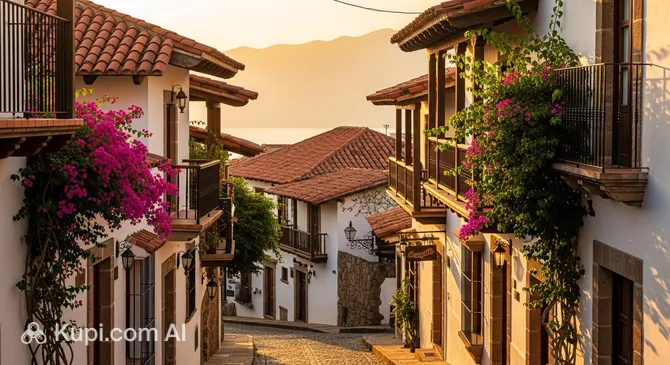
Gringo Gulch. Source: Kupi.com AI

The architectural charm of Gringo Gulch captivates at first sight: snow-white villa facades topped with bright red tiles are nestled in dense thickets of purple bougainvillea. Narrow cobblestone streets and steep stone staircases lead travelers past cozy squares to viewpoints offering breathtaking panoramic vistas of Banderas Bay and the tiled roofs of the old town.

This place is unique because Mexican traditions and Western influences intertwine harmoniously here. Unlike the noisy tourist promenades, time seems to slow down in Gringo Gulch, allowing guests to enjoy the authentic flavor of "Old Mexico." Every wrought-iron balcony railing and every painted tile on the doors of the houses here holds its own story, making this neighborhood a must-visit for all lovers of aesthetics and history.

Contacts

For those planning a walk through this picturesque neighborhood, it's important to know its exact location in the city's historic center. Although Gringo Gulch is a public space, it has a central point for reference. We recommend saving the coordinates in advance to make it easier to navigate the narrow alleys.

Address C. Zaragoza 373, Centro, 48380 Puerto Vallarta, Jal., Mexico

What to Do

Strolling through Gringo Gulch is, above all, a visual delight. The main activity here is the leisurely exploration of the labyrinthine streets, where a new photogenic angle hides around every corner. You can admire the luxurious facades of colonial villas and breathe in the scent of flowers clinging to ancient walls. Photographers will find endless inspiration in the play of light and shadow on the cobblestone pavements.

A visit to the terrace bar of the famous Casa Kimberly hotel is a must. Here, you can not only order a refreshing drink but also touch a legend, as this is where Hollywood stars once lived. The terrace offers one of the best views of the city, which is especially impressive during the pre-sunset hours. Observing local life—dogs basking in the sun and Mexican families—adds a sense of authenticity to the walk.

The neighborhood is also an excellent starting point for visiting nearby iconic sites. Descending from the hills, you will find yourself near the Church of Our Lady of Guadalupe or you can walk to the island on the Cuale River, which houses a craft market and a cultural center. The rhythmic sounds of Mexican music wafting from open windows will make your time in this quarter truly atmospheric and memorable.

Getting There

The Gringo Gulch neighborhood is conveniently located in the historic part of the city center, on the hillside just north of the Cuale River. The easiest way to get here is on foot—it's a very short climb from the famous Church of Our Lady of Guadalupe or from the pedestrian bridge crossing the river. Calle Zaragoza serves as the primary landmark for starting your route.

If you are in more distant parts of the city, it is most convenient to take a taxi or an Uber, asking to be dropped off at the entrance to the neighborhood. Public transport runs along the main streets below, so you will still have to walk uphill a bit from the nearest stop.

For your walk, it is highly recommended to wear comfortable shoes with non-slip soles. The roads here are paved with stone, and the landscape is full of steep stairs and narrow passages that can be quite slippery, especially after rain. The uphill climb will reward you with stunning views that are well worth the effort.

History & Facts

The history of Gringo Gulch began in the 1950s when, following the city's centenary, American and Canadian immigrants discovered this Mexican paradise. Architect Fernando "Freddy" Romero, who arrived here in 1952, created the neighborhood's unique look. He masterfully blended modern trends with traditional Mexican aesthetics, designing elegant villas that are now considered architectural classics of the region.

Global fame came to this place through one of the most high-profile Hollywood romances of the 20th century. In the 1960s, during the filming of The Night of the Iguana, Elizabeth Taylor and Richard Burton settled here. Their stormy relationship drew the media's attention to all of Mexico, transforming a quiet fishing village into a fashionable resort. Specifically for the couple, architect Guillermo Wulff built the famous "pink bridge of love", connecting the actors' two houses so they could visit each other while bypassing the paparazzi crowds.

In addition to the star couple, the neighborhood attracted other prominent figures of the time. Actor Peter O'Toole and director John Huston lived here. The establishment of Gringo Gulch as an expatriate enclave was accompanied by the active development of urban infrastructure, including modern water supply systems and pedestrian paths, which largely determined the city's future development as an international tourist hub.

Today, this quarter remains a living testament to the cultural exchange between Mexico and its northern neighbors. Many houses have retained their historical names and original decor, and Taylor's former residence, Casa Kimberly, now welcomes guests as a luxury boutique hotel, preserving the atmosphere of Hollywood's Golden Age amidst the tropics.

Time Needed

To leisurely explore the winding streets of Gringo Gulch, take beautiful photos, and soak up the local atmosphere, most tourists need 2 to 4 hours. This is plenty of time to stop by the terrace bar at Casa Kimberly or simply admire the colonial-style architecture. It is particularly pleasant to spend time here before sunset, when the light becomes soft.

If your time is limited and you only want a quick look at the main locations and the famous bridge of love, you can set aside about 1–1.5 hours for the visit. However, remember that the neighborhood is located on a hill, and a quick climb up the stairs can require some physical effort, so it's better not to rush and enjoy the views at a steady pace.

Working Hours

Since Gringo Gulch is an open residential neighborhood, access to its streets is possible 24/7. You can walk here at any time, enjoying the peace and architecture. However, for the best views of the buildings and safe navigation of the steep stairs, it is recommended to plan your visit during daylight hours.

Keep in mind that individual establishments within the quarter, such as boutique hotels, restaurants, or terrace bars, have their own operating schedules. If you plan to visit a specific place, such as Casa Kimberly, it is best to check their opening hours in advance on their official website or social media pages.

Nearby

Exploring the surroundings of Gringo Gulch allows for a deeper immersion into the region's atmosphere and reveals the contrast between historical buildings and modern entertainment parks. The proximity to the Cuale River and the ocean offers many opportunities to continue your journey. We recommend setting aside time to visit the nature parks and cultural venues located nearby.

Name Type Distance (km)
Liminal land Attraction 2.2
Tours Vallarta MX - Islas Marietas Attraction 4.2
Nogalito Ecopark Attraction 5
VidantaWorld Attraction 10.3
VidantaWorld's BON Luxury Theme Park Attraction 10.3
CONSTRUCTORA GRUPO VIDANTA Attraction 10.4
V- Luxury Travel Attraction 10.8
Splash Parque Acuatico Vallarta Attraction 10.9
Aquaventuras Park Attraction 11.4
Dolphin Discovery Puerto Vallarta Attraction 11.4

Reached the end of the page?

That means the route is fully explored