Support

Querétaro City Tourist Guide

About

This city guide to Querétaro is your invitation to one of the most beautiful and historically significant cities in central Mexico. Famous for its exceptionally preserved colonial center, which is rightfully included in the UNESCO World Heritage list, the city offers travelers a unique blend of culture, architecture, and vibrant modern life. It is renowned for its unique atmosphere where history and modernity harmoniously intertwine.
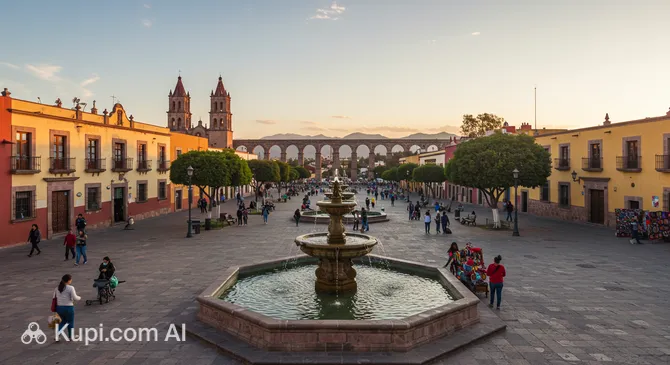
Querétaro City Tourist Guide. Illustration.
Source: Kupi.com AI

Traveler photos:

A walk through Querétaro immerses you in a special atmosphere where history comes alive at every turn. Here, you can wander for hours through cobblestone streets, admiring impressive monuments, old churches, and luxurious mansions dating back to the Spanish colonial era. Cozy squares with fountains and cafes invite you to rest and observe the city's leisurely pace.

Among the iconic sights not to be missed is the famous Querétaro Aqueduct, a grand 18th-century engineering feat. Additionally, the city is rich in numerous museums where you can delve deeper into its history and culture. Every corner of this city is ready to tell its story, making it an ideal destination for curious travelers.

Contacts

For current tourist information, maps, and travel advice for your trip to Querétaro, you can visit the city's official tourist office. There, they will help you plan your itinerary and answer any questions about attractions and events in Mexico. Contact details are provided below.

How to contactContact
Addressplaza de armas centro de la ciudad, And. Libertad 62, Centro, 76000 Santiago de Querétaro, Qro., Mexico
Phone number+52 442 446 6363

What to Do

In Querétaro, many exciting activities await travelers, starting with exploring its UNESCO World Heritage historic center. Various excursions and themed routes introduce visitors to the city's main symbols, including the grand Aqueduct, the historic Teatro de la República, the charming Plaza de Armas, and magnificent temples like the San Francisco Church and the Santa Rosa de Viterbo Cathedral. A walk through the narrow cobblestone streets of the old town lets you soak in the colonial atmosphere, visit museums and art galleries, and relax in cozy cafes.

For those seeking active recreation and vivid impressions outside the city, the surroundings of Querétaro offer just as much. Be sure to plan a trip to Peña de Bernal—one of the world's tallest monoliths, which towers over the "Magical Town" of the same name. Nature lovers can also head to the Sierra Gorda Biosphere Reserve to enjoy its unique landscapes. These excursions show another side of Mexico—its majestic nature and picturesque scenery.

Winemaking holds a special place in the region's culture. Be sure to try the local wine—the famous "Cheese and Wine Route" passes near the city. Numerous wineries offer tours where you can learn about the traditions of Mexican wine production, including sparkling wines, and of course, enjoy a tasting paired with local cheeses. It’s a wonderful opportunity to enjoy gastronomic delights while learning more about the culture and traditions of this amazing region.

Getting There

Getting to Querétaro is quite simple thanks to its convenient location and well-developed transport network. The city is located approximately 200 kilometers northwest of Mexico City, making it easily accessible from the capital of Mexico. A trip by car or a comfortable intercity bus on the highway takes about 2.5–3 hours, offering travelers scenic views along the way.

For those who prefer to travel by air, Querétaro has its own international airport (QRO), which accepts flights from major cities in Mexico and several US cities. This makes the city a convenient destination for both domestic and international tourists. Upon arrival at the airport, the city center can be easily reached by taxi or transfer, ensuring a comfortable start to your journey.

Getting around Querétaro itself is also easy. The city has a public transport system, but its true gem — the historic center — is best explored on foot. Thanks to its compactness and numerous pedestrian zones, you can enjoy exploring its cobblestone streets, plazas, and sights on foot, fully immersing yourself in the colonial atmosphere.

Nearest city: Querétaro

History & Facts

The history of Querétaro is a vibrant chronicle of one of colonial Mexico's key cities. Founded in the 16th century, it quickly gained strategic importance due to its location at the intersection of major trade routes. This contributed to its growth and prosperity, laying the foundation for future economic and cultural progress.

The city reached its peak in the 18th century, experiencing a major economic and architectural boom. During this period, magnificent Baroque churches, monasteries, and luxury mansions were built, which today form the unique character of the historic center. These impressive buildings, preserved to this day, are silent witnesses to Querétaro's past wealth and influence.

Querétaro played a decisive role in the most important events of Mexican history. The city became one of the centers of the country's independence movement. It was here, in the Palace of Government, that Doña Josefa Ortiz de Domínguez lived—a key figure in the conspiracy against Spanish rule. Later, in 1917, the current Constitution of Mexico was signed in Querétaro, forever establishing the city's status as the cradle of significant political transformation.

Time Needed

When planning a trip to Querétaro, it's important to budget your time wisely to fully enjoy its atmosphere. For a first introduction to the city and its main treasures, it's recommended to set aside at least 1–2 days. This will be enough time to leisurely stroll through the UNESCO World Heritage historic center, see the famous aqueduct, visit several key churches, and relax in cozy squares. Such a visit will leave a vivid impression of Querétaro's colonial charm.

If you want a deeper and more complete immersion into the region's culture, you should plan for a 3–4 day trip. This allows you to explore both the city and its picturesque surroundings in detail. You can visit the famous "Magical Towns" (Pueblos Mágicos), such as Bernal with its majestic monolith, or spend a day on the famous "Cheese and Wine Route," visiting local wineries and farms. This is a great opportunity to experience the culinary traditions and natural beauty of Mexico.

Working Hours

Since the "City Guide" is a service rather than a specific physical location, it doesn't have fixed operating hours. Tourist services in Querétaro operate year-round, offering guests a variety of routes. Most standard tours of the city and its attractions run daily, typically from morning until evening. However, the exact schedule always depends on the specific tour company or private guide.

To ensure your trip is as comfortable as possible, it is recommended to plan excursions in advance. This is especially true for individual or themed tours, which often require prior booking. For the most up-to-date information on available programs, prices, and schedules, it is best to contact tourist agencies in Querétaro directly or visit their official websites.

9:00 – 17:30

Nearby

Exploring the surroundings is a wonderful way to dive deeper into the city's atmosphere. The historic center of Querétaro is particularly convenient for such walks: it is very compact, and many interesting spots are within walking distance of each other. By taking a stroll, you can discover not only iconic monuments but also cozy corners that make this city truly come alive.

To help you plan your route, we've compiled a list of nearby attractions. This will allow you to easily find your way around and make the most of your time while getting to know the cultural and historical heritage of Querétaro.

NameDistance
Casa de la Zacatecana Museum0.1 km
Décadas Canta Bar0.1 km
Regional Museum of Querétaro0.2 km
San Francisco Temple0.2 km
Santiago Carbonell Museum0.3 km
Museum of Sacred Art0.4 km
Querétaro Museum of Art0.5 km

Have you reached the end of the page?

So the route has been studied inside and out