Support

Aqueduct of Querétaro

About

The Aqueduct of Querétaro is an outstanding historical hydraulic structure located in the city of Querétaro, the capital of the state of the same name in Mexico. This majestic building is not just an engineering marvel of the past, but one of the city's most iconic architectural landmarks, rightfully considered its main symbol.
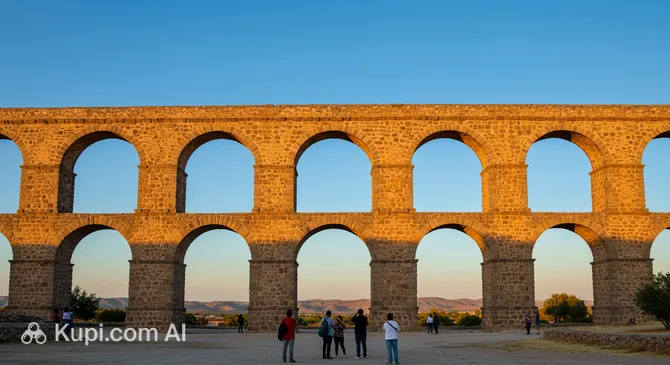
Aqueduct of Querétaro. Illustration.
Source: Kupi.com AI

Traveler photos:

The primary purpose of the aqueduct, built in the 18th century, was to deliver drinking water to the city from nearby springs. Its monumental construction, built in the traditional Roman style using a system of arches, is impressive in scale. The total length of the visible part of the aqueduct is approximately 1,280 meters, and its arches rise elegantly above the ground, reaching heights of up to 23 meters in some places.

The structure represents an impressive engineering achievement for its time, demonstrating the skill of the builders of that era. A walk along the Aqueduct of Querétaro allows you to appreciate not only its technical perfection but also to touch upon the city's rich history. Today, it is a popular spot for both tourists and locals, attracting visitors with its beauty and atmosphere, and is an important part of the cultural heritage of Mexico.

Contacts

The Aqueduct of Querétaro is an iconic historical monument open to the public. As it is an architectural structure, it does not have direct contact details such as a phone number or email. For up-to-date information on visiting options, the history of the site, or organized tours, it is recommended to contact the tourist information centers of the city of Querétaro or the official tourism resources of the State of Querétaro.

How to contactContact
AddressCalz. de los Arcos, Bosques del Acueducto, 76020 Santiago de Querétaro, Qro., Mexico
Websiteinah.gob.mx

What to Do

The Aqueduct of Querétaro is not just an ancient structure; it is the true hallmark of the city of Querétaro. The main thing to do here is, of course, to enjoy its monumental view. A walk along the aqueduct or through the city's historic center, which offers excellent perspectives of this engineering marvel, will allow you to appreciate its scale and architectural value. Don't forget your camera: the majestic arches make an excellent backdrop for memorable photos.

The aqueduct becomes especially impressive in the evening. As darkness falls, the illumination is turned on, transforming the structure and creating a magical atmosphere. This is the perfect time for a romantic stroll or simply to see a familiar site in a new, mysterious light. Many tourists specifically plan their visit to catch this moment.

Cozy park areas are spread around the aqueduct. Here you can relax on a bench and admire the historical monument from different angles. It is also a great place for a picnic or a leisurely pastime. Many visitors combine their tour of the aqueduct with a broader excursion through the historic center of Querétaro, which is famous for its colonial architecture and other interesting landmarks. This approach allows for a deeper immersion into the cultural and historical heritage of this amazing Mexican city.

Getting There

The Aqueduct of Querétaro is located in the city of Santiago de Querétaro, the capital of the state of the same name in Mexico. This city is situated approximately 200 kilometers northwest of Mexico City. You can reach Querétaro from the capital of Mexico in several ways: by bus, which departs regularly from the central bus station, by taxi, or by rental car, following the federal highway.

The aqueduct itself is one of the main attractions and is located in the historic center of Querétaro. Thanks to its convenient location, it is very easy to reach on foot while strolling through the colorful streets of the city center. If you prefer public transportation or are staying in a more distant area, you can always use the local bus or a taxi to quickly and comfortably reach this impressive structure.

Nearest city: Querétaro

History & Facts

The Aqueduct of Querétaro, one of the most recognizable landmarks in Querétaro, was built in the 18th century—specifically between 1726 and 1735. Its construction was funded by local patrons. According to historical records, these included figures such as Antonio and, according to some reports, the Spanish aristocrat Juan Antonio de Ur. This was a time of active development for the city, when many important structures were created that later became symbols of Querétaro.

The main task of this grand structure was to provide the residents of Querétaro with clean drinking water from nearby springs. Like the ancient Roman aqueducts that served as models for many similar structures, the Aqueduct of Querétaro uses a system of elegant arches to support the water channel. This engineering solution allowed water to flow by gravity, using the natural slope of the land. This system proved to be very effective and reliably supplied the city with water for many decades.

The Aqueduct of Querétaro is a clear testament to the colonial period in Mexico's history and demonstrates the influence of European, particularly Spanish, architectural thought on the development of Mexican cities. Today, it is not just an impressive engineering feat of the past but also an important historical monument. It is carefully protected as an integral part of the cultural heritage of Querétaro and all of Mexico, attracting both locals and tourists.

Time Needed

When planning a visit to the famous Aqueduct of Querétaro, consider how much time you are willing to dedicate to this impressive structure. To carefully examine the aqueduct itself, walk along its majestic arches, take memorable photos, and perhaps read some on-site informational materials, 1–2 hours is usually enough. This time is sufficient to appreciate the scale and beauty of this historical architectural monument.

However, if you want to do more than just see the aqueduct and instead immerse yourself in the atmosphere of the historic center of Querétaro, of which it is a part, you should set aside more time. In this case, combining a viewing of the aqueduct with visits to other nearby attractions, a walk through the colonial streets, and perhaps lunch at a local restaurant, you might need half a day or even a full day. This approach will provide a more complete understanding of the city and its rich heritage.

Working Hours

The Aqueduct of Querétaro is a majestic architectural monument that is an integral part of the Querétaro cityscape. Since it is an open-air structure, it does not have fixed operating hours, and access is generally possible 24/7, year-round. You can come and see the aqueduct at any time that is convenient for you.

To fully appreciate the scale and beauty of the aqueduct, it is recommended to visit during daylight hours. Evening walks can also provide a special experience, especially when the illumination is turned on, highlighting its monumentality. No special ticket booking or advance registration is required to view the Aqueduct of Querétaro, as it is a public space. However, for the most up-to-date information on possible events or temporary changes in access, it is always useful to check the official tourism resources of the city of Querétaro.

Open 24 hours

Nearby

Visiting such an iconic attraction as the Aqueduct of Querétaro will undoubtedly be a highlight of your trip to Querétaro. However, to truly soak in the city's atmosphere and make your experience even richer, it's worth checking out other interesting places located nearby.

Exploring the surroundings will allow you to see more than just the famous monument. You can discover cozy corners, learn new facts about local culture and history, and get a more complete picture of life in Querétaro. Often, it's these "neighboring" discoveries that leave the warmest memories. Below is a list of some attractions near the Aqueduct of Querétaro, along with the distance to them.

NameDistance
Aqueduct of Querétaro0.1 km
Carretas Park0.7 km
Viewpoint of the Arches0.9 km
Querétaro Tank1.2 km
La Fábrica1.3 km
Founders' Square1.4 km
Santiago Carbonell Museum1.5 km

Have you reached the end of the page?

So the route has been studied inside and out