Support

Dakhla

About

Dakhla is a mesmerizing city located on a long, narrow peninsula that stretches out into the Atlantic Ocean, creating a stunning contrast where the golden sands of the Sahara Desert meet the turquoise waters of the lagoon. With a population of approximately 106,000 inhabitants, it serves as a vital hub in the Dakhla-Oued Ed-Dahab region. The city offers a unique atmosphere that blends the tranquility of the desert with the vitality of the sea, making it a perfect escape for nature lovers and adventurers alike.

The region is renowned for its year-round mild climate and consistent winds, which have turned it into a top global destination for water sports. While exploring the southern coastline of Morocco, visitors are often captivated by Dakhla's exceptional geography. The city sits on the edge of a massive lagoon, which protects the waters from strong ocean waves and provides ideal conditions for swimming and sailing.

Beyond its natural beauty, the area holds a rich heritage. You can learn more about the history of Dakhla to understand its development from a strategic fishing settlement and Spanish outpost into a modern center for tourism and trade. This blend of influences has created a distinct local culture that is welcoming and hospitable to visitors from around the world.
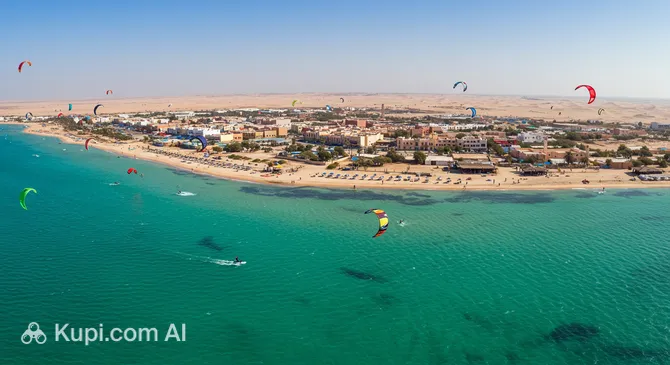
Dakhla. Source: Kupi.Binoculars

For travelers, the city is synonymous with world-class kitesurfing and windsurfing, attracting enthusiasts to the vast, flat waters of the lagoon. Another must-see attraction is the White Dune (La Dune Blanche), a spectacular sand dune rising directly from the water that offers panoramic views of the surroundings. Visitors can also take a boat trip to Dragon Island, a desert island in the middle of the lagoon known for its seashells and occasional dolphin sightings.

Whether you are seeking adrenaline-fueled adventures on the water or a peaceful retreat under the starry desert sky, Dakhla promises an unforgettable experience. We invite you to discover the breathtaking landscapes and relaxed pace of life in this unique corner of the world.

Weather Overview

Dakhla is celebrated for its exceptionally stable climate, offering comfortable conditions for travelers regardless of the season. The weather in Dakhla remains mild and inviting, with average monthly temperatures ranging from a low of 18.2°C in January to a high of 24.2°C in September.

Precipitation is almost non-existent in this region, ensuring clear blue skies for the vast majority of the year. Expect warm, sunny days with virtually no rainfall, as the city typically records 0mm of precipitation across all months. Even in the height of summer, the heat is tempered by the ocean breeze, with maximum temperatures rarely exceeding 27°C.

Interesting Facts

Beyond the famous kitesurfing spots and the scenic lagoon, Dakhla holds fascinating secrets that often go unnoticed by casual visitors. From geological oddities to historical misconceptions, the city and its surroundings offer plenty of intrigue for the curious traveler.

  • The Desert Aquarium: Located southeast of the city, the Sebkha of Imlili is a geological curiosity featuring permanent pockets of saltwater in the middle of the desert. Surprisingly, these isolated pools are inhabited by small fish, creating a rare and unexpected ecosystem far from the ocean.

  • The "River of Gold": The region was historically known as "Rio de Oro." Early explorers mistook the long, narrow inlet of the lagoon for a river mouth and believed the golden sands shimmering in the sun hinted at the presence of gold dust in the water.

  • Oyster Capital: The nutrient-rich waters of the bay make this area a premier location for oyster farming. Local farms harvest these delicacies by hand, and they are so highly regarded that they are exported to top restaurants across Europe.

  • Return of the Giants: While the landscape is now arid, it was once a savannah teeming with wildlife. Today, specialized farms in the area are working to reintroduce the red-necked ostrich, the largest bird species that historically roamed these plains.

How to Get There

Reaching this remote gem on the Atlantic coast is easier than it might seem, with air travel being the most popular and convenient method for visitors. For a detailed breakdown of routes and tips, you can read more about how to get to Dakhla before booking your trip.

The city is served by its own transport hub, Dakhla Airport (VIL), which handles connections from major hubs like Casablanca and Agadir, as well as select international routes. Located conveniently within the city limits, it is just 0.5 km from the center. Due to this close proximity, the transfer is incredibly quick; a taxi ride takes only a few minutes. This airport is the primary entry point for most tourists heading to the lagoons and kitesurfing camps.

For clarity, here is a summary of the main airport:

Airport Name City Passenger Traffic Km from City
Dakhla Airport Dakhla Medium 0.5

Regarding rail travel, it is important to note that the railway network does not extend to this region. Consequently, there are no train stations in the immediate vicinity that would serve as a practical option for arriving here. Travelers preferring land transport typically opt for long-distance buses or drive along the coastal highway that connects the area to the north.

Main Attractions

Dakhla offers a variety of stunning natural and cultural sites that captivate visitors with their raw beauty and serenity. While the city is famous for its watersports, the surrounding landscapes provide plenty of opportunities for exploration and sightseeing.

One of the most iconic sights in the region is La Dune Blanche (The White Dune). This spectacular natural phenomenon features a pristine white sand dune that rises abruptly from the turquoise waters of the lagoon. It is a favorite spot for photographers and nature lovers, offering a breathtaking contrast between the desert sands and the vibrant blue sea. At high tide, the dune becomes an island, and climbing to the top rewards visitors with panoramic views of the entire lagoon.

Another must-visit location is Dragon Island (Hernne Island), situated in the middle of the lagoon. Resembling a sleeping dragon from a distance, this deserted island is accessible by boat and makes for an excellent day trip. The island is known for its tranquility, vast collection of seashells scattered along its shores, and the therapeutic clay found in certain spots. It is a perfect place to disconnect and enjoy a private picnic surrounded by nature.

For those seeking a relaxing day by the ocean, Porto Rico Beach is a hidden gem located south of the city. This long stretch of golden sand is protected by cliffs, ensuring calm, crystal-clear waters that are ideal for swimming. Unlike the windier parts of the lagoon, this beach often offers a more sheltered experience, making it a popular choice for sunbathing and camping under the stars.

In the heart of the city, the Dakhla Souk provides a glimpse into the local culture and daily life. This bustling market is the place to find traditional Sahrawi crafts, jewelry, and clothing, as well as aromatic spices and local tea. A visit here offers a lively contrast to the silence of the desert, allowing tourists to interact with friendly locals and purchase unique souvenirs.

Local Cuisine

The gastronomy of Dakhla is a delightful reflection of its unique geography, where the bounty of the Atlantic Ocean meets the culinary traditions of the Sahara. The local food scene is dominated by incredibly fresh seafood, which is widely considered some of the best in the region. Visitors can expect a fusion of flavors that combines the simplicity of desert cooking with the rich spices typical of North African cuisine.

The undisputed star of the local table is the Dakhla oyster. The nutrient-rich waters of the lagoon create the perfect environment for oyster farming, and tasting them fresh from the water is a quintessential experience here. Beyond oysters, seafood lovers will find an abundance of lobster, octopus, and various fish like sea bream and corb, often grilled simply over charcoal to highlight their natural freshness.

For a taste of the desert, camel meat is a local specialty that adventurous eaters should not miss. It is often prepared in a rich, slow-cooked tajine with vegetables and dried fruits, or served as tender grilled skewers known as kebabs. Another staple is couscous, prepared here in the Sahrawi style, often featuring larger grains and served with camel meat or fish rather than the lamb or chicken common elsewhere.

No meal in Dakhla is complete without the traditional tea ceremony. Sahrawi tea is more than just a drink; it is a ritual of hospitality and patience. It is typically strong, green tea mixed with mint and plenty of sugar, poured from a height to create a thick foam. The custom involves drinking three glasses in succession, each with a slightly different flavor profile, symbolizing a journey through life, love, and death.

Dining in Dakhla offers two distinct vibes. For a relaxed lunch, the oyster farms along the lagoon provide a rustic setting where you can eat with your feet in the sand and enjoy the sea breeze. In the evenings, the city center comes alive with small restaurants and snack bars offering grilled meats and hearty sandwiches. While alcohol is available in hotel bars and tourist-oriented establishments, traditional local eateries usually serve water, sodas, or fresh juices alongside the food.

Travel Tips

Preparing for a trip to Dakhla requires a slightly different approach than a standard beach holiday, given its unique location where the desert meets the ocean. To help you make the most of your adventure in this windy paradise, we have compiled a list of essential practical tips to ensure a smooth and enjoyable experience.

  1. Pack for the Wind and Sun: The climate here is pleasant but notoriously windy. Even on sunny days, the wind can make the air feel cooler than it is, so bringing a windbreaker or a warm hoodie for the evenings is essential. During the day, the sun is strong, so pack high-SPF sunscreen, sunglasses, and a hat that stays on tight. While beachwear is fine at the lagoon resorts, dress modestly when visiting the city center or local markets to respect local customs.

  2. Transportation Options: Within the city limits, "petit taxis" are the most convenient and affordable way to get around; they are easily recognizable and usually charge a fixed low rate for short trips. For excursions to the desert or remote beaches, renting a 4x4 vehicle is highly recommended due to the sandy terrain. Car rentals can be arranged at the airport or through your hotel, often including a driver if you prefer not to drive off-road yourself.

  3. Cash is King: The local currency is the Dirham (MAD). While many hotels and kitesurfing camps accept credit cards, smaller shops, restaurants in the city, and taxi drivers almost exclusively deal in cash. ATMs are available in the city center, so it is wise to withdraw money there before heading to more secluded accommodations along the lagoon.

  4. Stay Hydrated and Safe: The combination of dry desert air and constant wind can lead to dehydration faster than you might realize. Always carry bottled water, as tap water is generally not recommended for drinking. In terms of safety, the city is very peaceful and welcoming to tourists, but standard precautions apply: keep valuables secure and avoid walking alone in unlit areas at night.

  5. Language and Connectivity: The primary languages spoken are Arabic (specifically the Hassaniya dialect) and French. English is widely understood in hotels and surf camps, but knowing a few basic phrases in French or Arabic will be very helpful in the city. Wi-Fi is standard in hotels, but for reliable mobile data on the go, you can purchase a local SIM card from major providers available in the town center.

  6. Respect Local Etiquette: The local culture is hospitable but conservative. When greeting people, a handshake is common, often accompanied by placing your right hand over your heart. Always ask for permission before taking photos of locals, especially women and elders, as privacy is highly valued. Public displays of affection should be avoided to prevent causing offense.

  7. Mind the "Siesta" Hours: Life in Dakhla moves at a relaxed pace. Many shops and businesses in the city close in the afternoon, typically between 2:00 PM and 4:00 PM, for a midday break and prayer times. Plan your shopping or city visits for the morning or late afternoon/evening when the streets come alive again.

By keeping these practicalities in mind, you can focus on the incredible landscapes and thrilling activities that make Dakhla such a special destination. A little preparation goes a long way, allowing you to relax and fully immerse yourself in the magic of the Sahara and the Atlantic.

Entertainment & Nightlife

Nightlife in Dakhla offers a refreshing departure from the bustling club scenes found in larger metropolitan areas. Instead of neon-lit avenues and thumping discotheques, the evenings here are defined by a relaxed, convivial atmosphere that perfectly complements the day's aquatic adventures. The entertainment culture is centered primarily around the kitesurfing camps along the lagoon and a few select spots in the city center, where travelers gather to share stories under the starlit desert sky.

The most vibrant evening activity is found within the hotel resorts and surf camps situated on the lagoon's edge. These venues often host social nights, bonfires, and live music events that bring together a diverse international crowd of surfers and vacationers. The vibe is decidedly casual and friendly; there is no strict dress code, and flip-flops are as common as evening wear. One of the most well-known spots is the Pink Flamingo Bar at the Dakhla Attitude resort, which serves as a central hub for nightlife. Here, music and socializing continue late into the night, offering a lively contrast to the tranquility of the desert.

In the city center, the atmosphere is more subdued but equally charming. The Corniche is a popular area for an evening stroll, lined with cafes and snack bars where locals and tourists mingle. For a more refined evening out, Villa Dakhla provides a stylish setting to enjoy dinner and drinks with a view of the bay. It is important to note that alcohol is generally only available in licensed hotels, bars, and restaurants catering to tourists, while local cafes typically serve mint tea, coffee, and fresh juices.

Practical advice for enjoying Dakhla at night revolves around transportation and timing. Since the lagoon resorts are located roughly 25 to 30 kilometers from the city center, getting around requires a vehicle. It is best to arrange a transfer with your hotel or hire a "grand taxi" for the evening, as hailing a cab late at night in remote areas can be difficult. Prices for these trips should be negotiated in advance. The city is very safe for tourists, but standard precautions like staying in well-lit areas and avoiding unlit backstreets apply.

While the region is famous for its outdoor pursuits, daytime entertainment off the water offers a glimpse into the local culture. Travelers can visit the Spanish Cathedral (Church of the Sacred Heart), a historical landmark that stands as a testament to the city's past architectural influences. Additionally, the Ensemble Artisanal is a dedicated complex where you can watch local artisans at work and explore traditional crafts, providing a cultural interlude before the evening festivities begin.

Parks & Museums

While Dakhla is not defined by sprawling botanical gardens or grand national museums, the city offers distinct public spaces and cultural venues that reflect its unique identity where the desert meets the sea. Visitors looking to explore the local heritage or find a green respite will discover a few charming spots that offer insight into the region's history and daily life.

The Municipal Garden (Jardin Public) is one of the few dedicated green spaces within the city center, acting as a small urban oasis amidst the arid landscape. Though modest in size, this park provides a welcome patch of greenery with well-maintained paths and shaded seating areas. It is a popular spot for locals to relax in the late afternoon, offering tourists a quiet place to read or simply observe the relaxed pace of Dakhla life away from the bustling markets.

For a more expansive outdoor experience, the Dakhla Corniche serves as the city's premier promenade and linear park. Stretching along the waterfront, this paved walkway offers uninterrupted views of the lagoon and is the perfect location for a sunset stroll. It functions as a social hub where families gather, children play, and visitors can enjoy the cooling Atlantic breeze while admiring the contrast between the blue waters and the desert coastline.

In terms of cultural heritage, the Ensemble Artisanal stands out as a living museum of Sahrawi craftsmanship. Rather than static exhibits, this complex houses active workshops where artisans create traditional goods using techniques passed down through generations. Visitors can observe the intricate process of making leather camel saddles, silver jewelry, and woven mats. It provides a tangible connection to the region's nomadic history and is the best place to understand the artistic traditions of the local tribes.

The Church of Our Lady of Mount Carmel (Nuestra Señora del Carmen), frequently referred to as the Spanish Church, acts as a significant historical monument reflecting the city's colonial past. Built during the Spanish occupation, its architecture contrasts sharply with the traditional Moroccan style found elsewhere in the city. While it is primarily a religious site, it serves as a cultural landmark that tells the story of Dakhla's diverse historical influences.

For a deeper dive into the local atmosphere, seek out the small multimedia library (Médiathèque) if it is hosting an event. While not a tourist attraction in the traditional sense, it is a hub for local youth and culture, often offering a glimpse into the modern intellectual life of this growing desert city.

Getting Around

Navigating Dakhla is relatively simple and stress-free, as the city does not rely on complex heavy transit networks. There is no metro, tram, or trolleybus system here. Instead, the public transport infrastructure is informal and primarily centered around taxis and private vehicles, which suits the modest size of the city and its layout along the peninsula.

The most common mode of transport for getting around the town center is the Petit Taxi. These small cars are easily recognizable by their specific color scheme, which is typically blue with a white roof. They are ubiquitous and can be hailed from the side of the road anywhere in the city. Petit taxis often operate on a shared basis, picking up multiple passengers heading in the same direction. They are strictly for travel within the urban limits and are not permitted to take you to the distant lagoon resorts or the airport.

For longer journeys, such as traveling between the city and the kitesurfing camps, the airport, or outlying attractions, you will need a Grand Taxi. These are larger vehicles, often older Mercedes sedans or vans, that can accommodate up to six passengers. They operate on fixed routes between major points or can be hired privately for a specific trip. Since the famous lagoon resorts can be located 25 to 30 kilometers away from the town, Grand Taxis serve as a vital link for tourists staying outside the city center.

While there are public buses in Dakhla, they are generally geared towards local residents commuting to work and are not considered a practical option for tourists. The routes can be difficult to decipher without local knowledge, and the frequency is often irregular. Most visitors find that the low cost and convenience of taxis make them a far superior choice to the bus system.

The payment system for all forms of local transport is entirely cash-based. There are no travel cards, digital passes, or mobile apps for ticketing. You must pay the driver directly in the local currency. Fares for Petit Taxis are very affordable, often a fixed low rate for short trips within town, while Grand Taxi fares should be negotiated and agreed upon before you get in. It is essential to carry small coins and notes, as drivers rarely have change for large denominations.

For those seeking total independence, car rental is a highly popular alternative. Given the desert terrain and the distance between the city and the main natural attractions like the White Dune, renting a 4x4 vehicle is often the best way to explore. Rental agencies are available at the airport and in the city center. This option allows you to carry your own sports equipment and visit secluded beaches without relying on taxi availability.

A practical tip for visitors is to always clarify the price before starting a journey in a taxi if the meter is not visible or used. While transport is available throughout the day, finding a taxi late at night in remote areas can be challenging. If you are staying at a lagoon resort and plan to spend the evening in the city, it is wise to arrange a return transfer with your hotel or a driver in advance.

Accommodation

Dakhla offers a unique accommodation landscape that is sharply divided between the vibrant city center and the serene, wind-swept lagoon. Visitors can choose from a wide range of options, including simple budget hostels, modern city hotels, and the region's signature "kitesurf camps"—which are often upscale eco-lodges or bungalows designed for comfort in the desert.

The most popular area for international tourists is undoubtedly the Lagoon. Located about 25 to 30 kilometers from the town, this area is dotted with resorts that sit directly on the water's edge. These establishments are designed primarily for water sports enthusiasts and those seeking total relaxation. Accommodation here typically consists of wooden bungalows or luxury tents that blend into the sandy surroundings. Since these resorts are isolated, they usually offer full-board packages, creating a self-contained community vibe where guests eat, sleep, and surf in one place.

Alternatively, staying in Dakhla City is a practical option for travelers interested in local culture, markets, and budget-friendly stays. The city center hosts a variety of traditional hotels and apartment rentals. While you are further from the kitesurfing spots, staying in town allows you to explore the local souks, dine at various seafood restaurants, and interact more with the local population. It is also the preferred choice for business travelers and those who have rented a car to explore the wider region.

For those looking to book a stay, a crucial tip is to reserve well in advance if you plan to visit during the peak wind season (roughly April to September). The top-rated camps on the lagoon have limited capacity and are often fully booked months ahead. Furthermore, because the lagoon resorts are secluded, verify if your booking includes airport transfers, as this makes arrival much smoother.

Prices vary significantly by location. The city center offers the most competitive rates, with budget and mid-range hotels providing excellent value. Conversely, the lagoon resorts generally fall into the mid-range to luxury category due to their exclusive location and all-inclusive meal plans. Most accommodations can be booked via standard online travel platforms, but for specialized kitesurfing packages, contacting the camps directly is often a good way to secure equipment rentals alongside your room.

Nearby Cities

For those looking to explore the surroundings, Dakhla serves as an excellent base for day trips to several interesting nearby locations:

City Population Distance (km)
Laayoune 217732 468
Ait Melloul 171847 971
Inezgane 130333 970
Guelmim 118318 827
Lqliaa 83235 971

It is important to note that due to the vast nature of the desert landscape, the major cities listed above are located at significant distances, making them more suitable for onward travel or overnight stays rather than quick excursions. However, there are several unique destinations closer to the peninsula that offer memorable experiences for a single day.

Imlili is a fascinating natural site located approximately 100 kilometers south of the city. This area, known as the Sebkha of Imlili, features a series of permanent saltwater pools in the middle of the arid desert. These pools are home to small fish that survive in this isolated ecosystem, creating a striking contrast with the surrounding sand dunes. It is a popular spot for off-road adventures and picnics.

El Argoub lies directly across the lagoon and can be seen from the city's waterfront. A short drive around the bay brings you to this quieter coastal village, which offers a different perspective of the water and is known for its excellent kitesurfing conditions. It serves as a peaceful alternative to the main tourist hubs, perfect for those seeking tranquility and unspoiled beaches.

Laayoune, while requiring a long drive of several hours, is the nearest major urban center and the administrative capital of the region. Travelers heading north often stop here to explore the bustling Place du Mechouar and the local markets. Due to the distance, it is recommended to visit as part of a longer road trip along the Atlantic coast rather than a return day trip.

These nearby destinations offer a glimpse into the diverse culture and landscapes of the region.

Shopping & Souvenirs

Shopping in Dakhla offers a distinct departure from the high-street fashion and sprawling commercial centers found in larger Moroccan cities like Casablanca or Marrakech. Here, the experience is deeply rooted in the local Sahrawi culture, focusing on traditional craftsmanship, authentic markets, and the daily needs of the residents. Visitors will not find global luxury brands; instead, they will discover a treasure trove of local goods, colorful fabrics, and artisanal products that reflect the region's nomadic heritage.

The main shopping activity is concentrated in the City Center (Centre Ville). The streets surrounding the central mosque and the old market area are lined with small boutiques, grocery stores, and independent shops. A stroll through this district allows tourists to mingle with locals and browse a variety of goods, from clothing and electronics to traditional perfumes and spices. The atmosphere is relaxed, and the shopkeepers are generally welcoming and happy to chat.

Unlike major metropolitan areas, Dakhla does not feature large, western-style shopping malls. However, for those looking for a curated selection of local crafts in a more organized setting, the Ensemble Artisanal is the closest equivalent. This government-supported complex gathers various artisans under one roof, offering a hassle-free environment to purchase high-quality leather goods, silver jewelry, and woodwork directly from the producers.

The heart of the city's commercial life is undoubtedly the Municipal Souk. This bustling market is a sensory delight and an essential stop for any visitor. Here, you can wander through narrow alleys filled with stalls selling mounds of aromatic spices, fresh produce, and the famous Sahrawi tea. It is also the best place to find traditional clothing, including the loose-fitting robes worn by men and the vibrant wraps worn by women.

When it comes to souvenirs, Dakhla offers unique items that are hard to find elsewhere. The top recommendation is the Melhfa, a long, colorful piece of fabric that local women wrap around their bodies; it makes for a beautiful and lightweight gift. Other popular purchases include Sahrawi tea sets, intricate silver jewelry, and products made from camel leather. Additionally, cosmetic argan oil and locally harvested dried fruits are excellent, consumable mementos.

Stores in Dakhla typically operate with a midday break, adhering to the "siesta" culture. Most shops open around 9:00 AM or 10:00 AM, close between 1:30 PM and 4:00 PM, and then reopen until late in the evening, often staying active until 9:00 PM or 10:00 PM. Cash is the primary method of payment in the souks and smaller shops, so it is essential to carry sufficient Dirhams. While fixed prices are common in grocery stores, bargaining is expected and welcomed in the market stalls for crafts and souvenirs.

Regarding tax-free shopping, while Morocco has a VAT refund system for tourists on large purchases made in eligible stores, it is rarely applicable in the traditional markets and small shops of Dakhla. Travelers should not expect to find formal "Tax-Free" signs or processing facilities for VAT refunds in the local souks; the prices are generally low enough that this is rarely an issue for the average shopper.

Reached the end of the page?

That means the route is fully explored