Support

Den Helder

About

Den Helder is a city where the North Sea meets the land, and the sea breeze penetrates every corner, creating a unique atmosphere. This is a place where the maritime spirit is felt everywhere, from the lively port quarters to the ancient lighthouses and impressive fortifications. Den Helder is not only an important administrative center but also the largest naval base in the Netherlands.

Located at the very north of the province of North Holland, like a sentinel lighthouse on the edge of the mainland, Den Helder occupies a unique geographical position. The city is washed by the waters of the North and Wadden Seas, and it is from here that the path to the famous West Frisian Islands opens, including the popular island of Texel. The population of Den Helder is approximately 56,582 people, creating the atmosphere of a busy yet cozy seaside town.
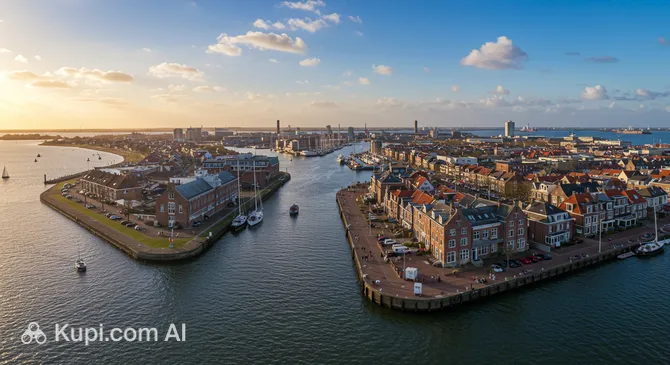
Den Helder. Illustration.
Source: Kupi.com AI

The city attracts travelers with its unique museums telling stories of maritime history, powerful historical fortresses, long sandy beaches perfect for walking, and picturesque embankments. Here, you can truly immerse yourself in Dutch maritime culture, explore ancient fortifications, or enjoy cycling routes along the coast.

Den Helder is a wonderful place for those seeking a slow-paced holiday and the opportunity to feel like an explorer, discovering new horizons amidst majestic dunes and boundless beaches. This city offers a surprising harmony between its rich industrial history and breathtaking natural beauty, promising its guests unforgettable impressions and a much-desired atmosphere of tranquility.

You can find more interesting facts on the Den Helder city history page.
Weather Overview

The weather in Den Helder is characterized by a moderate maritime climate. The warmest month is usually August, with an average temperature of about 18.6°C (maximum values reach 20.0°C), and the coolest is February, when the average temperature is approximately 5.8°C (minimums drop to 4.5°C). Precipitation is distributed relatively evenly throughout the year, with monthly amounts ranging from 2 to 4 mm. The highest number of rainy days occurs in October, November, December, and January (17-18 days), while June is the least rainy (10 days). In general, expect moderately warm summers with occasional rainfall and cool, damper winters. For more detailed information on weather conditions, we recommend checking the Den Helder Climate page.

Average monthly temperature

Average monthly precipitation

Interesting Facts

Beyond its picturesque canals and seascapes, Den Helder hides many amazing stories and facts that not all travelers know. Closely tied to the sea, this city keeps secrets that reveal its character in a new way.

  • In 1811, Napoleon Bonaparte himself visited Den Helder and, appreciating its strategic position, ordered the establishment of the largest naval base in the Netherlands here. This event predetermined the city's development and led to the creation of unique infrastructure, including the historical shipyard and an extensive system of docks. Part of this heritage can still be seen today, for example, in the Willemsoord district.

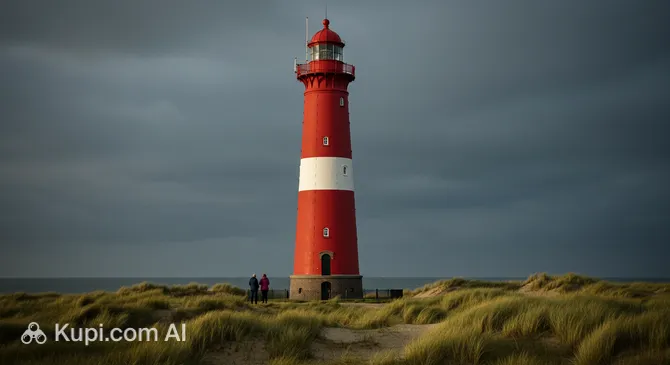
  • Den Helder is home to one of the oldest active cast-iron lighthouses in Europe and the oldest in the Netherlands—the famous Lange Jaap Lighthouse. Built in the 19th century, its recognizable red silhouette has become a true symbol of the city and an important navigational landmark.

  • The city boasts one of the longest wet docks in Europe, spanning approximately 325 meters. Notably, the earth for its construction was taken directly from under the future structures. This allowed for the creation of the dock while simultaneously raising the general level of the area, making Den Helder less vulnerable to frequent flooding.

  • Den Helder attracts not only with its rich maritime history but also with an interest in modern art. The city is home to the unique De Nollen art park, where sculptures and installations by contemporary artists are seamlessly integrated into the natural dune landscape, creating a special space for creativity and inspiration.

Lange Jaap Lighthouse. Illustration.
Source: Kupi.com AI

Traveler photos:

How to Get There

There are several ways to get to Den Helder, the most popular being a flight followed by a train or car journey. The city is well-integrated into the Dutch transport system.

The main international airport serving the region is Schiphol (AMS), located in Amsterdam, about 72 km south of Den Helder. It is one of Europe's largest and busiest airports, offering a huge number of international and domestic flights. From Schiphol, Den Helder can be conveniently reached by train (often with one change at Amsterdam Centraal station) in about 1 hour 15 minutes to 1 hour 30 minutes. A trip by car or taxi will take about 1 hour to 1 hour 15 minutes, depending on traffic.

Another option is the Rotterdam The Hague Airport (RTM), located about 113 km from Den Helder. This airport is smaller than Schiphol but also serves a number of European destinations. The drive from here to Den Helder takes about 1 hour 30 minutes. By public transport, it requires a combination of bus or metro to Rotterdam's railway station and then a train to Den Helder (with transfers), which takes more time.

It is also worth considering Eindhoven Airport (EIN), located about 173 km away. It is an important hub for low-cost airlines. Getting from Eindhoven to Den Helder by public transport will take longer and require several transfers (bus to Eindhoven station, then train), while the car journey will take over 2 hours.

For convenience, here is summary information on the main airports that can be used for a trip to Den Helder:

AirportPassenger trafficDistance
Amsterdam Airport Schiphol66.8 mln72 km
Rotterdam The Hague Airport2.1 mln114 km
Eelde Airport112 833123 km
Eindhoven Airport6.8 mln173 km
Weeze Airport2.0 mln178 km

Den Helder has its own railway connection. The city has two stations: Den Helder and Den Helder Zuid. Den Helder station is the terminus on the railway line from Amsterdam, making the train a very convenient way to reach the city from the capital and other regions of the Netherlands.

If you are arriving at larger transport hubs in the region, the closest and most significant is Amsterdam Centraal, located in Amsterdam about 65 km from Den Helder. Frequent direct trains depart from here to Den Helder, with a travel time of about 1 hour 15 minutes. This is a very large transport hub connecting Amsterdam with the rest of the country and Europe.

Other major stations in the region, such as Rotterdam Centraal (about 116 km from Den Helder) or Hilversum Railway Station (about 86 km), also provide good connections, but a trip to Den Helder from there usually requires a transfer, most often via Amsterdam.

For a general overview of the regional rail service, here is information on some major stations located at some distance from Den Helder:

StationPassenger trafficDistance
Amsterdam Centraal Station70.1 mln65 km
Hilversum Railway Station8.5 mln86 km
Rotterdam Centraal Station40.9 mln116 km
Ede-Wageningen Station9.1 mln120 km
Nijmegen Station10.4 mln144 km

In addition to air and rail links, Den Helder is easily accessible by car. The city has good road connections with the rest of the Netherlands via a network of motorways (such as the N9) and regional roads. There are also bus routes connecting Den Helder with nearby towns and settlements.

Main Attractions

In Den Helder, a city with a rich maritime history, there are several key attractions that should not be missed. Each of these places reflects the unique character of this port city in its own way.

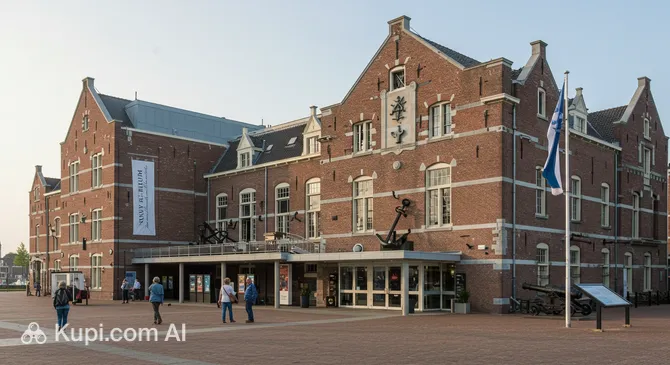
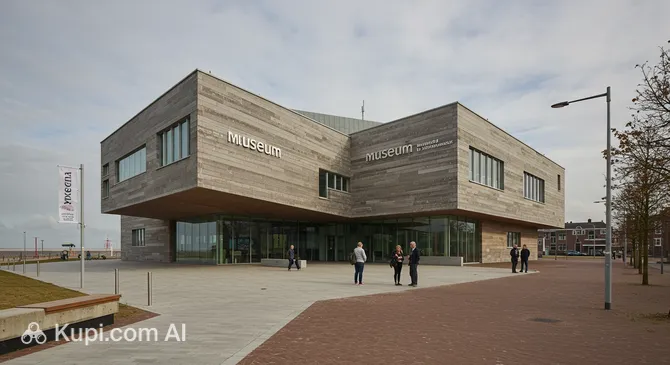
One of the city's most significant attractions is the Navy Museum (Marinemuseum). Here, visitors can dive into the rich naval history of the Netherlands, inspect real warships, including the submarine "Tonijn," and learn about the lives of sailors. The museum will be especially interesting for fans of maritime technology and history, offering interactive exhibits for all ages.

Navy Museum. Illustration.
Source: Kupi.com AI

Traveler photos:

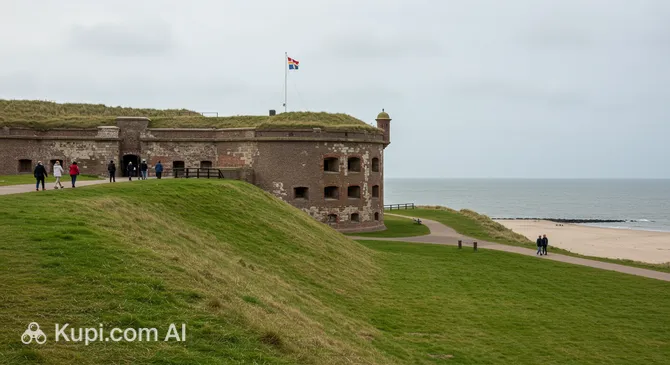
History and fortification enthusiasts should visit Fort Kijkduin. This impressive fort, built during the Napoleonic era, played an important role in coastal defense. Today, it houses a museum telling the history of the fort, as well as a North Sea aquarium. Its walls offer beautiful panoramic views.

Fort Kijkduin. Illustration.
Source: Kupi.com AI

Traveler photos:

The symbol of Den Helder is rightfully considered to be the Lange Jaap Lighthouse. It is one of the tallest cast-iron lighthouses in Europe; its characteristic red tower is visible from afar and serves as a landmark for sailors. Although the climb to the top is usually closed to the public, its majestic appearance and rich history attract many tourists wishing to take memorable photos against the backdrop of this maritime giant.

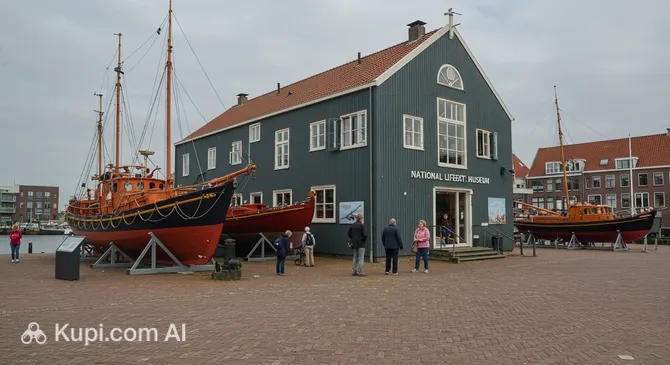
A unique spot is the National Lifeboat Museum Dorus Rijkers. The exhibition is dedicated to the exciting history of maritime rescue in the Netherlands, brave rescuers, and the development of rescue equipment. Visitors will see historical lifeboats and learn about heroic operations at sea, making the visit both educational and inspiring.

National Lifeboat Museum Dorus Rijkers. Illustration.
Source: Kupi.com AI

Traveler photos:

One cannot overlook the Willemsoord complex. This former naval shipyard of the Royal Netherlands Navy has been transformed into a lively cultural and entertainment center. Its territory hosts various museums (including the aforementioned Navy Museum and Lifeboat Museum), restaurants, cafes, shops, and even a cinema. Willemsoord is an excellent place for walking, discovering the city's maritime heritage, and enjoying a pleasant time.

Willemsoord. Illustration.
Source: Kupi.com AI

Traveler photos:

Local Cuisine

The gastronomic scene of Den Helder is inextricably linked to the sea, so the freshest seafood is the main specialty here. Be sure to try traditional Dutch matjes (young herring), served with onions and pickles—this classic treat is especially delicious on the coast. Another iconic dish is kibbeling, which consists of deep-fried pieces of fish, often cod, with a savory sauce. This is a popular street food that is easy to find in the port or at markets. Don't overlook the Dutch eel soup or the famous smoked eels—a true delicacy prepared according to ancient recipes.

Besides fish, Den Helder will delight you with other treats. Local confectioneries and ice cream parlors, such as IJssalon Aris Laan, offer delicious homemade ice cream with a variety of flavors. Fresh pastries, aromatic local cheeses, and seasonal fruits can always be found at the city markets. As for drinks, both traditional Dutch beer and aromatic jenever are popular here, as well as various non-alcoholic options, including freshly squeezed juices and, of course, coffee and tea, which the Dutch love very much.

The food culture in Den Helder is diverse: locals and tourists enjoy visiting cozy restaurants, savoring quick and tasty street food snacks, especially in the port area, or buying fresh products at markets. One of the pleasant places to enjoy the local atmosphere and cuisine is Stadscafé Flow. The city is also known for its gastronomic festivals and fairs, where you can get acquainted with the products of local farmers and fishermen, try authentic dishes, and immerse yourself in the atmosphere of a food celebration.

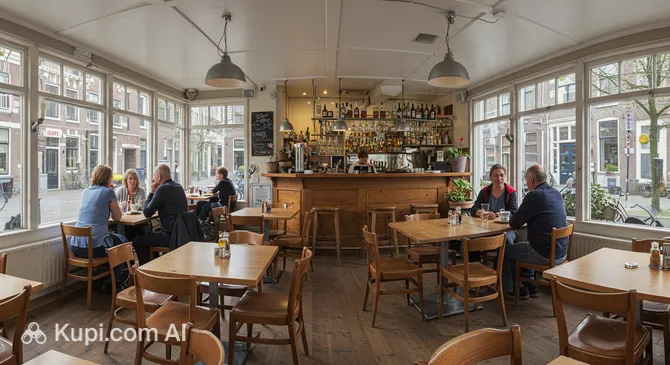
Stadscafé Flow. Illustration.
Source: Kupi.com AI

Traveler photos:

Travel Tips

Planning a trip to charming Den Helder? To ensure your journey through this interesting port city in the Netherlands goes smoothly and leaves only the most pleasant impressions, we have prepared some practical tips.

  1. Dress for the weather and useful items: Den Helder is located on the North Sea coast, so the weather can be quite changeable and windy. Bring layered clothing, a waterproof jacket or raincoat, and a hat, even if you are visiting in summer. Comfortable walking shoes are a must-have. Don't forget an adapter for electrical appliances (Type F sockets are used in the Netherlands).
  2. Getting around: Den Helder is a relatively small city, and it is convenient to get around on foot or by bicycle, which is the national mode of transport in the Netherlands. The city also has a bus network. Taxis are available but can be quite expensive. Renting a car just for Den Helder is unlikely to be necessary, but it can be useful for exploring the surrounding areas.
  3. Money matters: The official currency is the Euro (EUR). Bank cards (Maestro, V PAY, Visa, Mastercard) are widely accepted in most shops, restaurants, and hotels. ATMs (pinautomaat) are easy to find. Regarding tips, they are usually not included in the bill and are not strictly mandatory, but if you liked the service, it is customary to leave 5-10% or simply round up the amount.
  4. Health and safety: Pharmacies (apotheek) are available in Den Helder, but not all of them are open 24/7; information about on-duty pharmacies can be found online or at your hotel. The emergency number (police, ambulance, fire) is 112. Den Helder is considered a quiet and safe city. Nevertheless, standard precautions, such as watching your personal belongings in crowded places, are always relevant.
  5. Language and communication: The official language is Dutch. However, the vast majority of residents, especially in the tourism sector and among young people, speak English fluently. Knowing a few basic Dutch phrases like "Hallo" (Hello), "Dank u wel" (Thank you), or "Goedemorgen" (Good morning) will be appreciated by the locals. You can purchase a local SIM card at supermarkets or specialized communication stores. Free Wi-Fi is common in cafes, restaurants, and hotels.
  6. Local customs and etiquette: The Dutch are known for their directness and value punctuality. It is customary to greet people when meeting. In public places, try to behave modestly. Pay special attention to bicycle paths—do not walk on them and give way to cyclists.
  7. What to avoid: It is categorically not recommended to walk or stand on bike paths—this not only hinders movement but can also be dangerous. Also, do not compare the Dutch to Germans or confuse their languages—this is a common mistake that can be perceived negatively.
  8. The maritime heart of Den Helder: Don't miss the chance to visit the Navy Museum (Marinemuseum), as Den Helder is the main naval base of the Netherlands. It is also very easy to take a ferry from here to the picturesque island of Texel, which is perfect for a nature day trip.

We hope these tips help you better prepare for your trip and fully enjoy the unique atmosphere and attractions of Den Helder. We wish you an unforgettable journey!

Entertainment & Nightlife

Den Helder, being an important port city, offers its guests various options for evening leisure, although it does not boast the scale of nightlife found in major metropolises. Here you will find cozy bars and restaurants where you can spend a pleasant evening after a busy day, rather than loud night clubs that stay open until morning. The atmosphere is mostly calm and friendly, conducive to conversation.

The main concentration of evening venues is in the city center, as well as in the Willemsoord district (a former shipyard, now a cultural and entertainment zone), where historical architecture is combined with modern cafes and restaurants. An evening stroll along the waterfront can also lead you to pleasant spots for relaxation. There are no designated "red light districts" or specialized club streets; nightlife is more dispersed and integrated into the general urban environment.

Among the venues where you can spend the evening, it is worth noting restaurants that offer not only dinner but also the opportunity to stay longer. For example, you can visit Stadscafé Flow, known for its pleasant atmosphere, or stop by Fritboetiek De Verviaan to explore local culinary offerings. Although these are primarily restaurants, they are great for ending the day in the company of friends or loved ones. In addition to restaurants, the city has traditional Dutch pubs ("bruin café"), where you can enjoy local beer and snacks in a relaxed setting.

Stadscafé Flow. Illustration.
Source: Kupi.com AI

Traveler photos:

The atmosphere in local establishments is usually informal. The crowd is mixed—a blend of locals and tourists. There is no specific dress code in most places; a casual style is welcomed. Many bars and cafes operate until midnight or until the last customer, especially on Friday and Saturday. There are few classic clubs with large dance floors and famous DJs; the emphasis is on more intimate relaxation.

If you are planning an evening out, the best time to start is after 20:00-21:00. Average prices for drinks and food are comparable to other Dutch cities of this size. At night, it is most convenient to get around the city by taxi, which can be called by phone or found at designated stands. Public transport is limited during late hours.

Den Helder is considered a fairly safe city. Central streets and popular tourist zones are well-lit, and evening walks here are generally safe. Nevertheless, it is always worth taking usual precautions, especially if you are in sparsely populated areas late at night.

During the day, Den Helder offers many interesting activities. You can immerse yourself in maritime history at the Navy Museum, explore the impressive Fort Kijkduin, or enjoy nature and fresh sea air at Den Helder Beach. It is also worth visiting the National Lifeboat Museum Dorus Rijkers or walking through the picturesque Willemsoord area.

Navy Museum. Illustration.
Source: Kupi.com AI

Traveler photos:

Parks & Museums

Den Helder, a city with a rich maritime history, offers its guests not only picturesque coastal landscapes but also a fascinating immersion into the world of culture and heritage through its parks and museums. Everyone will find something to their liking here, whether it's walking in the fresh air or exploring exciting exhibitions.

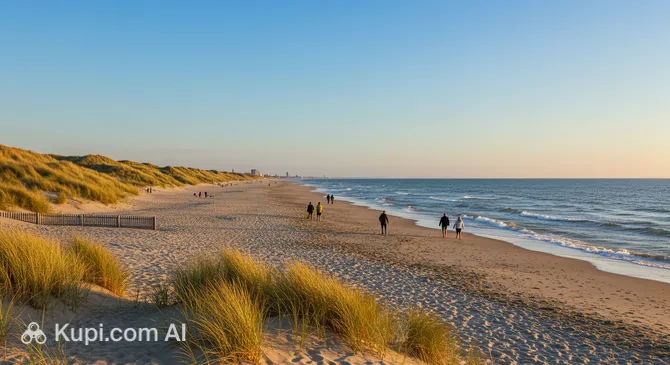
For nature lovers and active recreation enthusiasts, Den Helder offers several wonderful places. One of the most popular is Den Helder Beach, an ideal spot for walks along the North Sea shore, sunbathing, or simply enjoying the fresh sea breeze.

Den Helder Beach. Illustration.
Source: Kupi.com AI

Traveler photos:

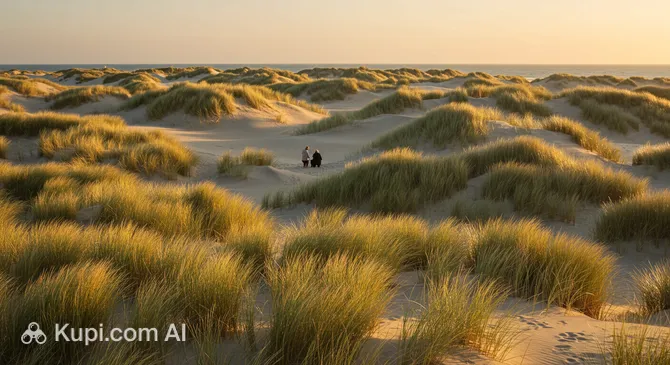
Nearby lies the Donkere Duinen (Dark Dunes) nature area, offering picturesque trails for hiking and cycling among the unique flora and fauna of this coastal landscape. It is a great place to feel at one with nature and take a break from the city bustle.

Donkere Duinen. Illustration.
Source: Kupi.com AI

Traveler photos:

The cultural life of Den Helder is closely tied to its maritime past and present. A key site is the Navy Museum, where you can learn about the history of the Royal Netherlands Navy, inspect real warships, and even a submarine. This is an impressive museum that will be interesting for both adults and children.

Navy Museum. Illustration.
Source: Kupi.com AI

Traveler photos:

Another iconic place is the National Lifeboat Museum Dorus Rijkers, dedicated to the heroic history of maritime rescue. The exhibition tells the story of the development of rescue operations and the bravery of people who risked their lives for others.

National Lifeboat Museum Dorus Rijkers. Illustration.
Source: Kupi.com AI

Traveler photos:

It is also worth visiting Willemsoord, the former Royal Navy shipyard, which today has transformed into a lively cultural and entertainment complex with museums, restaurants, and shops, while preserving its historical atmosphere.

Willemsoord. Illustration.
Source: Kupi.com AI

Traveler photos:

In addition to museums, there are other significant historical sites in Den Helder. One of them is Fort Kijkduin, an impressive defensive structure from the Napoleonic era, offering panoramic views of the city and the sea. Today, the fort houses a museum and an aquarium.

Fort Kijkduin. Illustration.
Source: Kupi.com AI

Traveler photos:

No less interesting is the Lange Jaap Lighthouse—one of the tallest cast-iron lighthouses in Europe, a symbol of the city and an important navigational landmark.

Lange Jaap Lighthouse. Illustration.
Source: Kupi.com AI

Traveler photos:

For authentic impressions, stroll through the old quarters of the city, paying attention to the traditional architecture. And if you want to see something less touristy, go for a bike ride along the canals surrounding the city—this will allow you to enjoy the tranquility and beauty of local nature away from busy routes.

Getting Around

Getting around Den Helder and its surroundings is quite convenient thanks to a well-developed public transport system. The main form of urban transport is buses, which connect different city districts and neighboring settlements. For intercity travel, you can use trains—there is a railway station in the city with trains departing to other parts of the country. An important transport artery is the ferry service: regular ferries run from Den Helder to the island of Texel, making it a popular starting point for tourists.

The payment system for public transport is mainly based on the national transport card, the OV-chipkaart. This is a reloadable card that can be used to pay for bus and train trips throughout the country. An anonymous card, suitable for tourists, can be purchased for about €7.50 (excluding travel credit) at stations or in some shops. It is also usually possible to buy a single ticket directly from the bus driver, which can cost around €2.50-€4.50 depending on the route, or at vending machines at the train station. The cost of travel with an OV-chipkaart depends on the distance, and for tourists planning to travel a lot, this card is often the most economical option.

When using the OV-chipkaart, it is important not to forget to tap the card against the validator when entering the transport (check-in) and when exiting (check-out)—this is necessary for the correct fare deduction. Train tickets can be purchased at ticket offices, station vending machines, or online. To plan routes and check bus and train schedules throughout the Netherlands, including Den Helder, mobile apps like 9292 (for all types of public transport) or the NS app (primarily for trains, but often including bus connections) are very useful. Schedules are also available at stops and on the websites of transport companies. Operating hours can vary, but daytime service is quite regular.

In addition to public transport, other modes of travel are available in Den Helder. As in many Dutch cities, bicycles are very popular. You can rent a bike at several points—this is a great way to explore the city and its picturesque surroundings at your own pace. Also, taxi services operate in the city, which can be called by phone or found at special stands. Car-sharing options should be checked locally, as they may be less common compared to large cities.

Accommodation

In Den Helder, travelers can find a variety of accommodation options to suit different budgets and preferences. The city offers cozy hotels, Bed & Breakfasts (B&Bs), and short-term rental apartments, which are particularly convenient for families or those who prefer more independence.

When choosing a place to stay, it is worth looking at areas close to the main attractions or transport hubs. For example, staying in the city center will provide easy access to shops, restaurants, and some cultural sites. The area around the former Willemsoord shipyard, which now houses museums and restaurants, can also be attractive. For nature and beach lovers, options located closer to the coast and places like Den Helder Beach are ideal.

The price range for accommodation in Den Helder varies from budget options to mid-range hotels. There are fewer luxury resorts here; the emphasis is on comfortable and functional accommodation. It is recommended to book accommodation in advance, especially if your trip coincides with the peak tourist season (summer months) or during major city events. Popular online platforms are useful for searching and booking, or you can contact selected hotels and apartments directly.

Nearby Cities

For those who want to explore the surroundings, Den Helder serves as an excellent starting point for day trips to several interesting nearby locations. Among them, a few cities stand out, each with its own unique atmosphere and attractions.

Alkmaar, located about 36 km south of Den Helder, attracts travelers with its world-famous cheese market, traditionally held from April to September. In addition, the city charms with its historical center featuring picturesque canals, old houses, and cozy streets. A trip here will allow you to immerse yourself in a truly traditional Dutch atmosphere.

Hoorn, located about 40 km to the southeast, is a city with a rich heritage from the Dutch Golden Age. Once one of the most important ports of the Dutch East India Company, Hoorn still preserves many witnesses of its glorious past. Here you can walk along the old harbor, admire magnificent 17th-century buildings, and visit interesting museums telling the maritime history of the city.

The small but very cozy town of Schagen, located just 19 km to the south, attracts visitors with its authenticity and calm pace of life. It is particularly known for its weekly West Frisian market, which takes place during the summer season. During the market, you can see locals in traditional costumes, buy handmade products, and try local delicacies.

In addition to these cities, the region offers other options for short trips. Below is a table with some settlements near Den Helder that may also be interesting to visit:

CityPopulationDistance
Julianadorp13 9257 km
Oosterend29 81216 km
Schagen46 55319 km
Wieringerwerf12 57621 km
Opmeer12 00930 km

These nearby destinations provide a more complete picture of the diverse culture, history, and picturesque landscapes of the North Holland province and the entire Netherlands. Each trip will bring new impressions and discoveries.

Shopping & Souvenirs

Den Helder, as an important port city, offers its guests pleasant shopping opportunities, although it is not a major commercial hub in the Netherlands. Here you will find a mix of chain stores and unique local shops, especially those related to maritime themes. The city is not famous for specific goods, but you can find high-quality everyday items and interesting souvenirs here.

Main shopping spots are concentrated in the city center. Strolling through the main streets like Spoorstraat and Keizerstraat, you will find various clothing, shoe, and accessory stores, bookstores, and home goods shops. The atmosphere here is quite calm, ideal for leisurely shopping. Near the central streets, in the area of the former Willemsoord naval shipyard, you can also find several interesting small shops and souvenir stalls, particularly those focused on maritime themes.

There are no huge multi-story shopping malls in Den Helder like those typical of large metropolises. However, you can find several small shopping galleries or department stores in the city center where different departments are gathered under one roof. These places are convenient for complex shopping, but the city's main focus is still on street commerce and individual boutiques.

Like in many Dutch cities, a weekly market (warenmarkt) may be held in Den Helder. Usually, these markets offer fresh products (cheese, fish, vegetables, fruit), flowers, clothing, and household goods. This is a great place to feel the local flavor and buy something fresh. It is recommended to check the schedule and location of the market upon arrival, as they can change.

As souvenirs from Den Helder, look for items with maritime symbols: model ships, lighthouse-themed souvenirs (for example, the famous Lange Jaap lighthouse), or framed nautical knots. Traditional Dutch souvenirs are also popular—Delftware porcelain (though not locally produced), wooden clogs (klompen), and, of course, various types of Dutch cheese. You can also look for local delicacies or drinks in specialized shops.

Shops in Den Helder usually operate from 9:00/10:00 to 17:30/18:00 from Monday to Saturday. On Saturdays, some shops may close earlier. In many Dutch cities, there is a practice of "koopavond"—an evening for shopping, usually on Thursday, when shops are open until 21:00. Sunday is most often a day off for most shops, except for some supermarkets or tourist stalls. Bank cards (especially Maestro and V PAY) and cash are widely accepted. Major credit cards (Visa, Mastercard) are also accepted in most places.

For tourists from countries outside the European Union, a Tax Free refund system is available in the Netherlands. If you make purchases of a certain amount in stores participating in this program, you can apply for a VAT refund. Check the conditions and availability of this option directly in the shops when making purchases.

Reached the end of the page?

That means the route is fully explored