Support

Hengelo

About

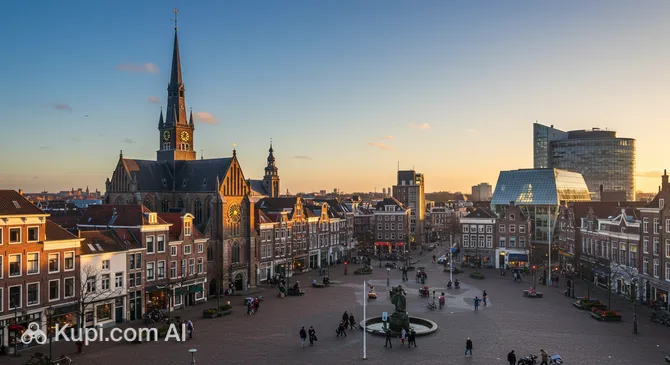
Hengelo is a cozy and picturesque city located in the eastern part of the country, in the heart of the Twente region. Situated just a few kilometers from the German border, it serves as an excellent starting point for a journey through the Netherlands and neighboring European regions. The city harmoniously combines the relaxed pace of life of the Dutch countryside with the dynamics of a modern industrial center.

Hengelo. Illustration.
Source: Kupi.com AI

With a population of around 81,000, Hengelo remains compact yet plays a significant role in the province of Overijssel. The unique history of Hengelo is closely intertwined with the traditions of the textile and engineering industries, which is reflected in the urban architecture where historic buildings stand alongside modern developments. Its proximity to the renowned University of Twente gives the city a lively student atmosphere and fills it with youthful energy.

The locals are famous for their love of the arts; statistics show that people here spend more on cultural leisure than anywhere else in the region. Travelers can look forward to numerous theaters, concert venues, and exhibition halls. Hengelo is ideal for those seeking authentic experiences without the bustle of major metropolises, offering guests walks through green parks, cozy cafes, and a rich cultural program.

Weather Overview

The climate in this region is moderate and mild, without sharp temperature fluctuations, making the city accessible for visiting at any time of year. The influence of its proximity to the sea is felt in high humidity and regular precipitation. To plan your wardrobe for the trip, it is useful to check in advance what the weather in Hengelo is expected to be during your visit.

The summer season here is comfortable and not exhaustingly hot. In July and August, the average daytime temperature reaches a maximum of 23°C, while nights remain fresh (around 14°C). Winters are usually mild but overcast: in January and December, the thermometer stays around 4–5°C, rarely falling below zero even at night. Expect moderately warm summers and cool winters, accompanied by regular cloud cover.

A characteristic feature of the local climate is the stable amount of precipitation: rain falls evenly throughout the year, on average from 12 to 16 days per month. Spring arrives gradually, warming the air from 6.5°C in March to a pleasant 13.5°C in May, making the shoulder season a good time for sightseeing, provided you don't forget to bring an umbrella.

Average monthly temperature

Average monthly precipitation

Interesting Facts

Beyond its main attractions, Hengelo holds many fascinating secrets and historical details that will surprise even experienced travelers. Here are a few interesting facts about this Dutch city:
  • Late Recognition. Hengelo originated as a modest village in the 16th century when Fredrik of Twickel founded the first church here. However, the first official municipal union only appeared in 1802. Until the beginning of the 19th century, this place was merely a scattered collection of peasant houses and farms.

  • Symbolic Coat of Arms. The city's heraldry is unique and deeply connected to nature. The coat of arms depicts a river, a sheaf of grain, and a beehive. These elements symbolize fertility and the exceptional industriousness of the local residents, paying homage to the agrarian past despite the subsequent heavy industrialization.

  • Cultural Phenomenon. Hengelo is distinguished by an unusually rich cultural life. Locals are considered the most devoted fans of the arts in the Twente region: theaters, exhibitions, and concerts enjoy significantly more popularity here than in neighboring cities.

  • Technical Heritage. Thanks to the rapid development of the textile and mechanical engineering industries, the city became an important industrial center. This past has gifted the city many technical museums, most notably the Oyfo Techniekmuseum, which has become a magnet for family outings.

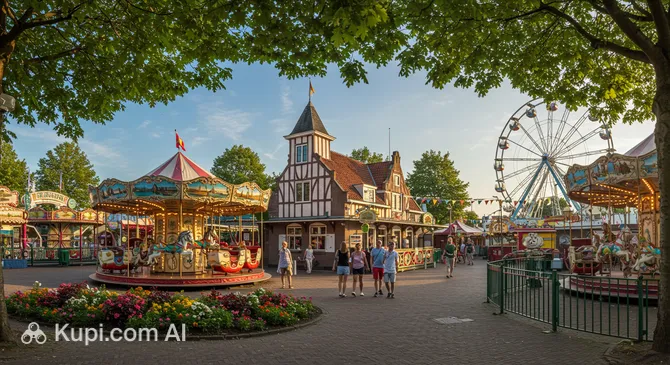
De Waarbeek Amusement Park. Illustration.
Source: Kupi.com AI

Traveler photos:

How to Get There

Hengelo, located in the eastern part of the Netherlands, has excellent transport accessibility thanks to the region's developed infrastructure and proximity to Germany. You can find more details on how to get to Hengelo by exploring various routes, but travelers most often choose a combination of a flight followed by a train or car journey.

Hengelo itself does not have its own airport, so it is most convenient for tourists to use the airports in neighboring Germany. One of the most popular options is Düsseldorf International Airport (IATA: DUS). It is located in the city of Düsseldorf, about 109 km from Hengelo. This is a major international hub receiving flights from all over the world. The journey from there by rental car or taxi will take about 1 hour and 40 minutes.

Another convenient option, located much closer, is Münster Osnabrück Airport (IATA: FMO). It is situated in the German city of Münster, just 62.5 km from Hengelo. Although this airport is smaller, its proximity makes it attractive for those wanting to reduce ground transfer time. A car trip from here to the center of Hengelo takes about an hour.

For clarity, here is a summary of the main airports located relatively close to the city:

AirportPassenger trafficDistance
Munster Osnabruck International Airport1.3 mln63 km
Weeze Airport2.0 mln86 km
Eelde Airport112 83397 km
Dortmund Airport3.1 mln100 km
Dusseldorf International Airport20 mln109 km

Railway connections also play a vital role, especially for those traveling through Europe by train. Although Hengelo has its own station, many international routes pass through major hubs in neighboring Germany. For instance, Münster Hauptbahnhof (IATA: MKF) in the city of Münster is about 67 km from Hengelo. This is a major station with high passenger traffic, from which you can easily reach the Netherlands by regional train.

It is also worth mentioning Osnabrück Hauptbahnhof (IATA: ZPE), located approximately 87 km from Hengelo. This is another important transport hub receiving many international trains. From here, tourists can continue their journey toward the Dutch border.

Below is a table with the nearest major railway hubs that may be useful when planning a complex itinerary:

StationPassenger trafficDistance
Emmerich Railway Station60 km
Münster Hauptbahnhof24.1 mln67 km
Nijmegen Station10.4 mln79 km
Ede-Wageningen Station9.1 mln81 km
Osnabrück Hauptbahnhof12.8 mln87 km

Main Attractions

Hengelo offers travelers an interesting mix of family entertainment, industrial heritage, and convenient urban infrastructure. The city is not overcrowded with tourists, allowing you to enjoy its atmosphere peacefully and visit key sites without any rush.

The primary draw for families with children is the oldest attraction park in the region, De Waarbeek Amusement Park. Opened back in 1924, this park retains its retro charm while offering over 40 attractions. Here, you can ride one of the oldest steel roller coasters in the world—the Rodelbaan. This spot is perfect for those wanting to dive into a nostalgic atmosphere and give children a thrilling day out among green pathways.

For those interested in educational leisure, the Oyfo Techniekmuseum is a must-see. Located in the former Hazemeijer factory building, it tells the story of Hengelo's rich industrial past. This is an interactive space where you can not only look at the exhibits but also touch them, start up mechanisms, and learn how technology has changed people's lives over the centuries. The museum serves as an excellent example of how the city thoughtfully reimagines its industrial heritage.

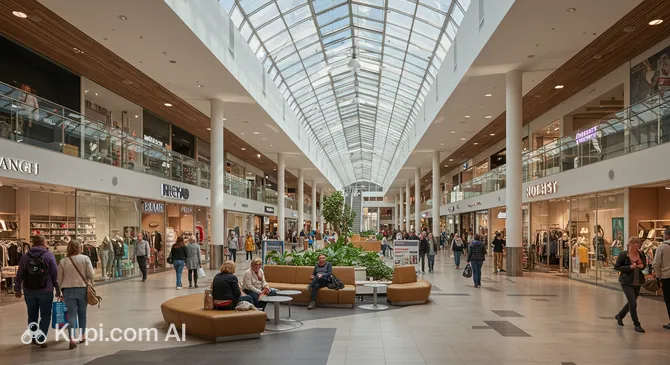
Thiemsbrug Shopping Center. Illustration.
Source: Kupi.com AI

Traveler photos:

For those who prefer walking and shopping, the city offers several convenient locations. At the heart of it all is the Thiemsbrug Shopping Center. This modern indoor space houses many clothing stores, electronics shops, and cozy cafes. It is a convenient place to take a break after sightseeing and pick up essentials or souvenirs, regardless of the weather.

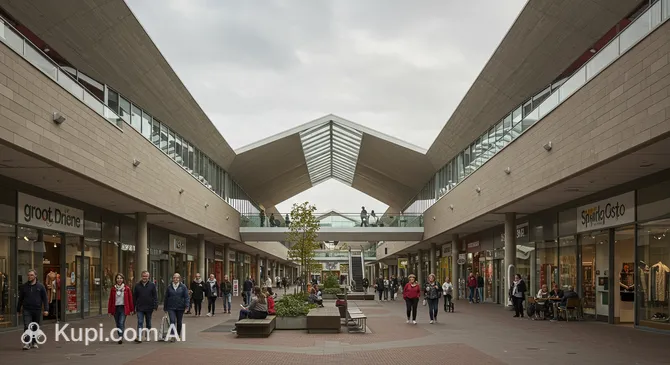
Another popular shopping spot is the Groot Driene Shopping Center. Although it is slightly away from the historic center, locals and tourists alike value it for its wide range of products and quiet environment. Additionally, while exploring the city, you shouldn't miss the Tuindorp 't Lansink district—a unique "garden city" built in the early 20th century for workers. A stroll through its picturesque streets with historical architecture is the perfect way to end the day.

Local Cuisine

Hengelo's culinary traditions are a harmonious blend of classic Dutch cuisine and regional Twente specialties. Local restaurants focus on hearty and warming dishes. You should definitely try stamppot—traditional mashed potatoes with vegetables and flavorful smoked sausage. The region is also famous for its meat and fish delicacies prepared according to old recipes, and, of course, magnificent local cheeses, which can be found both on restaurant menus and in shops.

For those with a sweet tooth, the city is a real treat. Hengelo is known for its pastries: they bake excellent apple pies here, often served warm with whipped cream. You also cannot miss the famous stroopwafels—crispy waffles with a gooey caramel filling. As for drinks, a true cafe culture prevails here: locals love spending time over a cup of strong coffee in cozy coffee shops, enjoying the atmosphere and conversation.

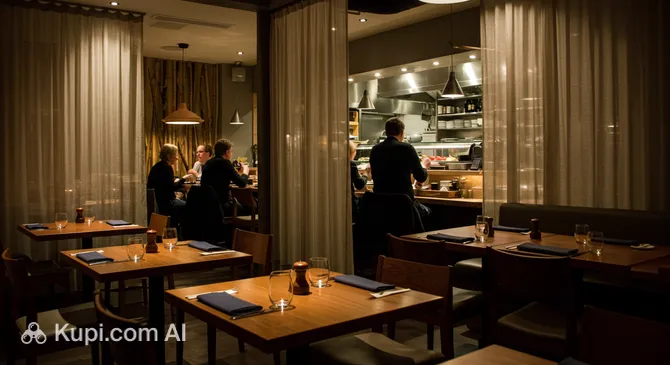
Golden Sakura. Illustration.
Source: Kupi.com AI

Traveler photos:

Dining in Hengelo is diverse: from snacks at farmers' markets selling the freshest products from local producers to dinners in international restaurants. The city's gastronomic scene is not limited to Dutch dishes—you can easily find Italian, Greek, and Asian establishments. For example, if you're in the mood for something exotic, you can visit the Golden Sakura restaurant, which offers guests a chance to dive into the world of Eastern flavors.

Travel Tips

A trip to Hengelo is an opportunity to immerse yourself in the authentic atmosphere of the Twente region, where modernity sits alongside tradition. To ensure your visit goes smoothly and leaves only pleasant memories, we have gathered the most important practical recommendations to help you feel confident in any situation.

  1. Clothing and Climate. The weather in the Netherlands is known for its variability, so the main principle of your wardrobe should be layering. Even in summer, a light windbreaker or sweater will come in handy. Be sure to bring a reliable umbrella or raincoat, as precipitation is frequent. For city walks, choose comfortable, waterproof, flat shoes, as you will be doing a lot of walking.

  2. Transport. Hengelo is a city of bicycles. Renting a two-wheeled vehicle is the best way to feel like a local and quickly reach any point. The public transport system (buses and trains) works flawlessly; for fare payment, it is most convenient to use the OVpay system by simply tapping your contactless bank card or phone against the validator when entering and exiting.

  3. Finances and Payment. The official currency is the Euro. Bank cards are accepted almost everywhere, but some small shops or market stalls may only accept debit cards (Maestro or V-Pay), though the situation is rapidly changing in favor of Visa and Mastercard. Cash is rarely needed, but having a small amount of change for street stalls or tips (which are not mandatory here but welcomed at 5–10%) will be useful.

  4. Health and Safety. Hengelo is a quiet and safe city. You can safely drink tap water—it is of excellent quality and taste here. Pharmacies (Apotheek) usually open until 17:30 or 18:00, so it's better to bring specific medications with you. In emergencies, call the single European number 112.

  5. Communication. There is practically no language barrier: the vast majority of residents speak English fluently. However, locals will greatly appreciate it if you learn a few phrases in Dutch, such as "Dank u wel" (thank you) or "Goedemorgen" (good morning). For navigation and transport schedules, be sure to download the 9292 app—it is indispensable for traveling around the country.

  6. Local Etiquette. The Dutch value directness, punctuality, and modesty. Greetings are usually limited to a handshake. In public places, it is not customary to speak loudly or draw unnecessary attention to oneself. If you enter a shop, be sure to greet the shopkeeper—it's an important part of local politeness.

  7. What to Avoid. The biggest mistake a tourist can make is walking on cycle paths. They are often highlighted in a reddish color and marked with signs. Never stand or walk on them: cyclists ride quickly and silently, so it is a matter of your personal safety. Also, avoid comparing locals to Germans—despite the proximity of the border, the Twente region has its own proud identity.

  8. Market Days. If your visit falls on a Wednesday or Saturday, be sure to visit the market square in the city center. This is the best place to try real Dutch herring ("haring"), buy fresh farm cheeses, and famous waffles at prices significantly lower than in tourist cafes.

By following these simple tips, you can avoid minor troubles and focus on what matters most—enjoying the cozy architecture, delicious food, and the hospitality of Hengelo's residents. We wish you an exciting and comfortable journey!

Entertainment & Nightlife

Hengelo's entertainment scene might not be as loud as Amsterdam's, but it possesses its own unique charm and quality. Evenings here are defined by the cozy atmosphere of "gezellig," where the focus is on good conversation, music, and quality service. The city offers a balanced mix of lively parties, cultural events, and quiet relaxation.

The absolute flagship of the music scene is the Metropool concert hall. This is a cult venue not only for the city but for the entire province of Overijssel. International rock, pop, and jazz stars regularly perform here. The venue is famous for its acoustics and intimate atmosphere, allowing the audience to feel a real connection with the artists. After concerts, they often host themed dance nights that attract young people and music lovers of all ages.

If you are looking for a classic bar atmosphere, head to Pastoriestraat. This is the epicenter of nightlife, where the city's best pubs and "brown cafes" are concentrated. In the warmer months, the street turns into one large terrace. It's customary here to hop from one venue to another, sampling local beers. Places with live music and Irish pubs are particularly popular, where casual fun reigns on weekends.

For those who appreciate a quieter and more cultural leisure, the Schouwburg Hengelo theater opens its doors. It is a modern complex where you can see touring plays, opera, ballet, or cabaret shows. If you prefer the latest cinema releases, visit the Movie Unlimited cinema. It is located near the station and offers comfortable halls with modern equipment, often showing films in their original language with subtitles.

For active fun with friends, the city offers excellent opportunities for bowling or billiards. Hengelo has several specialized centers where you can rent a lane and spend a fun evening. This kind of leisure often serves as a great follow-up to a day of shopping at the Thiemsbrug Shopping Center or a visit to the Groot Driene Shopping Center.

Groot Driene Shopping Center. Illustration.
Source: Kupi.com AI

Traveler photos:

The gastronomic part of the evening won't disappoint either. Before diving into the nightlife, many tourists and locals gather for dinner in the cozy establishments of the center. For example, the Golden Sakura restaurant is a great choice to start the evening, offering a hearty Asian buffet that allows you to fuel up before dancing or a long walk.

What you need to know about Hengelo's nightlife:

  • Opening Hours: Most pubs close around 01:00–02:00 on weekdays, but on Friday and Saturday, the fun continues until 04:00 AM.
  • Dress Code: The city has a democratic approach. Casual style is appropriate almost everywhere, from the theater to the nightclub. The main thing is a neat appearance.
  • Age Limit: Most bars and clubs allow entry from age 18, and security may ask for ID (ID card or passport).
  • Transport: Night buses are rare, so if you stay out late, count on a taxi or a walk—the city is compact and safe.

Parks & Museums

Despite its industrial past, Hengelo offers guests a surprising number of green zones and cultural spaces. The city harmoniously integrates nature into the urban landscape, and its museums and architecture serve as a bridge between the Twente region's rich history and modern art.

One of the most beloved spots for a stroll among locals is the Prins Bernhardplantsoen. This elegant park, located near the railway station, is often called the city's "green living room." Here, you can walk along well-kept pathways, admire the old music pavilion, and relax by the pond. It is the perfect place for those who want to take a break in the city center and enjoy the silence.

For a larger-scale immersion in nature, head to Weusthag Park. This is an extensive natural area on the outskirts of the city, where forests alternate with meadows and ponds. The park is excellent for long walks or cycling. Families with children will particularly enjoy it here thanks to the presence of a petting zoo (Kinderboerderij), where you can meet farm animals. Also surrounded by greenery is the famous De Waarbeek Amusement Park, which attracts visitors with its cozy forest-park setting as well as its rides.

The cultural life of the city is unthinkable without Museum Hengelo. Housed in a historic mansion, this museum is the keeper of the city's memory. The exhibition tells the story of everyday life in Twente in past centuries, the development of the textile industry, and the events of World War II. Here, you can see ancient costumes, household items, and archaeological finds that help you better understand the character and traditions of the local residents.

Another important cultural point is the HeArtGallery exhibition space. This gallery specializes in contemporary visual art and regularly hosts temporary exhibitions of works by both local and international artists. It is a dynamic space that attracts lovers of painting, photography, and sculpture, offering a fresh look at modern creative trends.

Among architectural landmarks, a special place is held by the Tuindorp 't Lansink district. This unique "garden city," built over a hundred years ago for workers of the Stork factory, is today a state-protected site. A walk here transports you to the atmosphere of the early 20th century: winding streets lush with greenery and harmonious brick houses create the feeling of a fairytale village within a modern city.

Lovers of unusual architecture should see the De Kasbah residential complex, designed by the famous architect Piet Blom (author of the cubic houses in Rotterdam). This is a striking example of structuralist architecture from the 70s: the houses here are raised above the ground on columns, creating a public space beneath them. The complex resembles a labyrinth and contrasts sharply with traditional Dutch building styles.

Insider Tip: If you want to see Hengelo from an unexpected side, find the old Salt Towers (Zouttorens). These industrial monuments, linked to salt extraction in the region, have become a distinctive symbol of the city and look very atmospheric, especially in the evening light.

Getting Around

Hengelo's transport system is organized simply, logically, and very conveniently for travelers. Since the city is relatively small, there is no metro or trams. The backbone of public transport consists of buses and trains. The main transport hub is the central railway station (Station Hengelo), located in the very heart of the city. This is where most city and regional routes depart, connecting the center with outlying areas and neighboring towns.

Bus services in the city and region operate under the RRReis brand. You can easily recognize these buses by their distinctive bright design. The transport is modern, low-floor, and equipped with information displays. Services run strictly according to a schedule, which is followed with high precision. For tourists, this is a reliable way to reach locations outside of walking distance, such as the university campus or suburban parks.

The simplest and most cost-effective way for tourists to pay for travel now is the OVpay system. You no longer need to look for ticket offices or buy paper tickets. Simply tap your contactless bank card (Visa, Mastercard), smartphone, or smartwatch against the validator when boarding. The fare will be deducted automatically according to the official rate, which is the same for all passengers.

Critically important rule: don't forget to "check-out." You must validate your card or device not only when boarding but also when exiting the vehicle. If you forget to tap your card on the terminal when you leave, the system will charge a fixed amount that is significantly higher than the actual cost of the trip (for buses, this is usually €4, and for trains, it is €20).

If you are planning an extensive journey across the Netherlands and do not want to use a bank card, you can purchase an anonymous OV-chipkaart transport card. It is sold in machines at the station. However, the card itself costs money (about €7.50 for the plastic), and the balance must be topped up separately, so for a short visit to one city, using OVpay with a regular bank card is much more economical and convenient.

As is the case everywhere in the country, the true king of the roads in Hengelo is the bicycle. The urban infrastructure is perfectly adapted for two-wheeled transport: dedicated lanes are everywhere, and parking is plentiful. You can rent a bicycle at the station (the popular OV-fiets service, though it often requires a personalized card) or at private rental points in the center. This is often faster than waiting for a bus and allows you to better feel the city's atmosphere.

Alternatively, taxis are available, but it is not customary to hail them on the street. It is better to order a car by phone, through an app, or find one at the official stand at the station. Also, the city center is compact enough to explore on foot. Car sharing is available, but for tourists to use it, pre-registration is usually required, which may not always be convenient for short-term trips.

Accommodation

Hengelo, as an important hub of the Twente region, offers travelers a balanced choice of accommodation suitable for both short business trips and longer stays. While it is hard to find grand five-star resorts here, the city is famous for its hospitality and high quality of service. The hotel stock primarily consists of reliable mid-range hotels (3–4 stars), modern business hotels, and cozy family-run Bed & Breakfasts (B&Bs), where you can experience true Dutch comfort.

When choosing a place to stay, most tourists prefer the city center. The area around the railway station is considered the most convenient: from here, it's easy to reach any point in the region, and the main shops and restaurants are just a few minutes' walk away. If you are looking for privacy and want to be closer to nature, it's worth considering the outskirts of the city. In Hengelo's green suburbs, you can find charming small hotels or rent a cottage, which is an excellent choice for cycling enthusiasts and those seeking peace and quiet.

The pricing policy in Hengelo is significantly more pleasant than in major tourist centers like Amsterdam. Accommodation here can be described as affordable (the "mid-range" price segment), while standards of cleanliness and comfort remain consistently high. Large international online platforms are most convenient for booking, though many local hotels offer favorable terms when booking directly through their own websites.

Booking Tip: Although Hengelo is not overcrowded with tourists year-round, demand for accommodation increases noticeably during the summer months and during local festivals. It is recommended to book your room in advance—2–3 weeks before the trip—to secure the best value for your money.

Nearby Cities

For those who want to explore the surroundings, Hengelo serves as an excellent starting point for day trips to several interesting nearby locations:

The neighboring city of Enschede is literally right next door and is the largest city in the Twente region. It’s worth going there for great shopping around the H.J. van Heekplein square and the lively atmosphere at the Old Market (Oude Markt), where many cozy cafes and restaurants are concentrated. It is an ideal option for those seeking big-city entertainment just a few minutes away.

A bit further away is the magnificent Deventer—one of the oldest cities in the country. Sprawled along the banks of the IJssel river, it is famous for its beautifully preserved historic center and its status as a Hanseatic city. A walk along its ancient cobbled streets and a visit to the majestic Lebuïnus Church will give you the feeling of a real journey into the past.

Also worth noting is Zutphen, known as the "city of towers." This is another gem of the Hanseatic League with unique medieval architecture. The city attracts visitors with its quiet courtyards, historical warehouses, and picturesque views that are perfect for a peaceful and inspiring walk.

CityPopulationDistance
Borne23 6685 km
Enschede159 7038 km
Haaksbergen24 27711 km
Oldenzaal31 84011 km
Glanerbrug16 71513 km

These nearby destinations offer a glimpse into the diverse culture and landscapes of the region, providing something special for every traveler—from bustling market squares to quiet medieval romance.

Shopping & Souvenirs

Shopping in Hengelo is a pleasant and relaxed activity, free from the bustle of big cities. The city offers a compact but diverse shopping center where large international chains sit alongside charming local boutiques and specialized shops. There are no huge queues, and most shops are within walking distance of each other, allowing you to combine shopping with a stroll through cozy streets and a break in numerous cafes. Hengelo is particularly famous for its friendly atmosphere and quality home and interior goods.

The heart of shopping life is the pedestrian zone in the city center. The main shopping arteries are Nieuwstraat, Enschedesestraat, and Telgen. Here, tourists will find popular clothing, footwear, and cosmetics stores. Walking along these streets, you will also come across interesting jewelry salons and gift shops. The area around the market square (Markt) is also lively and offers great shopping opportunities, especially on warm days when the summer terraces open.

For those who prefer comfortable indoor shopping, the Thiemsbrug Shopping Center is located right in the center of the city. This is a modern passage connecting several shopping streets, where you can find fashionable boutiques, electronics stores, and cozy places for a snack. If you want to visit shops popular with locals for everyday purchases, you can check out the Groot Driene Shopping Center. Although it is slightly off the tourist track, it offers an excellent selection of groceries and essential goods.

The city markets deserve special attention, as they are an integral part of Hengelo's culture. Every Wednesday and Saturday, a large market unfolds on the central square. This is the best place to buy the freshest farm products: Dutch cheeses, fish (be sure to try the local herring or the fried cod "kibbeling"), vegetables, fruit, and flowers. On Saturday, the market is particularly large, and you can often find not only food but also clothing, fabrics, and haberdashery.

As souvenirs from Hengelo, it's worth bringing back more than just classic magnets; consider the gastronomic specialties of the Twente region. The most popular gift is Twentse Krentenwegge, a traditional raisin bread usually served with a thick layer of butter. Local cheeses, a pack of fresh stroopwafels (caramel waffles), or products from local breweries are also excellent choices. Decor enthusiasts can look for items featuring the "salt towers"—the iconic image of the city.

Shops in Hengelo operate on a standard Dutch schedule. On Monday, most open only after lunch (from 13:00). From Tuesday to Friday, trade runs from 09:30 to 18:00, and on Saturday, shops close earlier, usually at 17:00. A special feature is "Koopavond" (shopping evening): on Thursdays, many shops in the center are open until 21:00. Sunday is often a day off, except for the last Sunday of the month ("Koopzondag"), when shops operate from 12:00 to 17:00.

Regarding payment, bank cards are accepted everywhere in the Netherlands. However, keep in mind that some small shops or market stalls may only accept debit cards (Maestro or V-Pay), though terminals for Visa and Mastercard are becoming increasingly common. Cash is accepted everywhere, but large notes (€100 and above) may cause difficulties with change in smaller shops.

Tourists residing outside the European Union can take advantage of the Tax Free system. If you make a purchase of more than €50 in one store, look for the "Global Blue" logo or ask the salesperson for a VAT refund form. Completed forms will need to be presented at customs when leaving the EU to get a portion of your spending back.
Reached the end of the page?

That means the route is fully explored