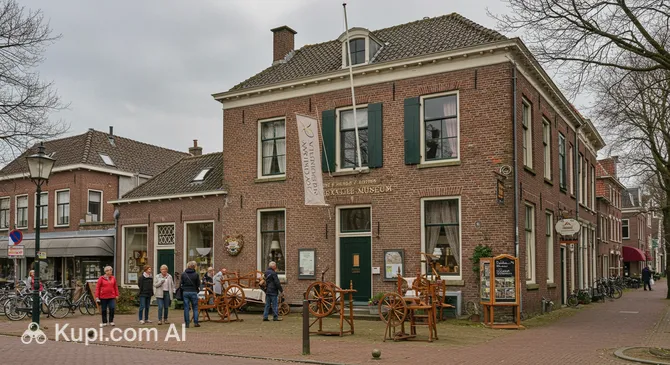
The Textile Museum (officially TextielMuseum) is a unique cultural space in the Netherlands, located on the site of a former textile factory. Situated near the city of Kaatsheuvel, in Tilburg, it is a rare example of a "working museum" where history meets the future of fashion and design.
Textile Museum. Illustration.
Source: Kupi.com AI
Traveler photos:
This site is recognized as the only center in the world that combines industrial heritage, contemporary art, innovation, and active production within a single building. Here, you can see not only rare samples of antique fabrics and equipment but also witness the creation of ultra-modern materials used by global brands and designers.
One of the museum's key features is its openness to experimentation. It houses the famous TextielLab, where professionals work on high-tech machines in full view of the public. The Textile Museum is a living organism that inspires visitors to be creative and allows them to view everyday clothing and interior textiles as true art.
Contacts
Before visiting the Textile Museum in the city of Kaatsheuvel (Tilburg), we recommend checking the current contact details. This will help you confirm special exhibitions, book a workshop, or check service availability on the day of your visit.
Below is the essential information, including the official website and phone number, so you can easily plan your trip and stay in touch with the museum administration.
The main reason to visit the Textile Museum is the opportunity to see the fabric creation process "live." In the TextielLab experimental laboratory, you can watch professional artisans program complex weaving looms and embroidery machines, creating the textiles of the future in collaboration with well-known designers.
In addition to observing production processes, the museum regularly hosts temporary exhibitions dedicated to haute couture, textile design, and interior art. Interactive zones allow visitors of all ages to better understand the structure of various materials, while special workshops offer a chance to try your hand at handicraft or digital textile design.
You can conclude your visit at the museum shop, which sells exclusive items created right here within the museum walls. There is also a cozy café on-site, where you can discuss your impressions of the innovations and historical exhibits in an industrial setting.
Getting There
Despite its administrative affiliation with the Kaatsheuvel region, the Textile Museum is actually located in the industrial heart of Tilburg at Goirkestraat 96. The most convenient way to get here is by public transport or car.
From Tilburg Central Railway Station, you can walk to the museum in about 15 minutes. Additionally, city bus No. 5 runs regularly to the museum; the required stop is located in the immediate vicinity of the entrance. For those who prefer a taxi, the ride from the station will take no more than 5-7 minutes.
Travelers using private transport can use the parking spaces in the vicinity of the building. Free parking is available in some zones near the museum, but rules may change, so be sure to pay attention to road signs when entering Goirkestraat.
Nearest city: Kaatsheuvel
History & Facts
The Textile Museum was founded in 1958 to preserve the industrial heritage of Tilburg, which for decades was the most important center of the wool industry in the Netherlands. Since its opening, the museum has aimed not just to store old machinery, but to tell the story of the people whose lives were inextricably linked to weaving.
The building housing the exposition is a historical artifact in itself—it is a former textile factory. The unique architecture of the industrial past has been preserved here: high ceilings, characteristic brick walls, and the atmosphere of a real workshop. This allows visitors to literally step back in time to the heyday of manufacturing.
A significant milestone in the institution's development was the creation of TextielLab—an experimental platform that transformed a classic museum into a modern innovation center. This decision allowed historical archives to be combined with contemporary technologies, making the museum a magnet for global designers and artists working with fabric.
Time Needed
To fully explore the main collection of the Textile Museum and visit the design lab, you will typically need about 2–3 hours. This is enough time to leisurely inspect the historical looms, watch the craftsmen at work in the TextielLab, and visit the current temporary exhibitions.
If you are passionate about design and fashion or plan to participate in interactive workshops, we recommend setting aside at least 4 hours for your visit. Extra time will allow you to explore the museum library in detail, pick out unique souvenirs in the shop, and relax with a cup of coffee at the local café while discussing what you've seen.
Working Hours
The Textile Museum operates on a consistent schedule throughout the week, except for Mondays when the museum is closed to visitors. From Tuesday to Friday, the doors are open to guests from 10:00 to 17:00, which is convenient for those who prefer morning tours.
On weekends—Saturday and Sunday—the museum opens slightly later, from 12:00 to 17:00. Please note that the schedule during holidays may differ from the standard one, so it is advisable to check the current timetable on the official website before traveling from Kaatsheuvel or other cities.
Day
Opening hours
Monday
Closed
Tuesday
10:00 – 17:00
Wednesday
10:00 – 17:00
Thursday
10:00 – 17:00
Friday
10:00 – 17:00
Saturday
12:00 – 17:00
Sunday
12:00 – 17:00
Nearby
Exploring the surroundings of the Textile Museum will allow you to dive deeper into the atmosphere of contemporary art and industrial design in the Netherlands. The area is rich in interesting locations that have transformed old factories into world-class cultural spaces.
Just a few minutes' walk away is the famous De Pont Museum, where masterpieces of contemporary art are exhibited within the walls of a former wool-spinning mill. We also recommend visiting the unique LocHal Library—an architectural wonder located in an old locomotive depot that has become a true cultural hub for the region.