Support

Hunner Park

About

Hunnerpark is one of the green spaces located in the oldest city in the Netherlands, Nijmegen. The city itself, founded by the Romans, boasts a rich history and a hilly terrain unique to the country on the banks of the Waal River, creating a picturesque backdrop for its park areas.
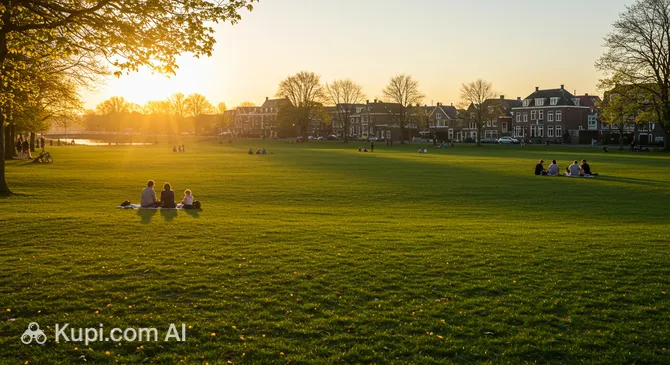
Hunner Park. Illustration.
Source: Kupi.com AI

Traveler photos:

While detailed information about Hunnerpark and its specific features might not be widely featured in travel guides, it is undoubtedly part of Nijmegen's green fabric. Parks in this historic city often serve not just as leisure spots but as vital links between the rich past and the present, offering residents and visitors a chance to enjoy nature.

Visitors to Nijmegen can view Hunnerpark as an opportunity to discover the city's lesser-known corners; it might be a quiet place for a walk or a modern recreational area. In any case, the presence of such green zones, alongside more famous ones like the historic Valkhof Park, demonstrates the city's commitment to preserving natural oases for residents and guests seeking tranquility and fresh air.

Contacts

Hunnerpark is a popular public leisure spot in Nijmegen, so individual contact details for visitors are usually not required. To reach the park, we recommend using local maps, navigation apps, or checking routes at the city's tourist information centers. Nijmegen's public transport will also help you get to Hunnerpark.

How to contactContact
AddressKelfkensbos 60, 6511 TB Nijmegen, Netherlands

What to Do

Hunnerpark in Nijmegen is a pleasant green space where visitors can take a break from the city's hustle and bustle. While detailed information about any unique attractions or specific sites within Hunnerpark itself may be limited, it offers, like many urban parks, a wonderful opportunity for a quiet time in nature and enjoying the silence.

Visitors to Hunnerpark can spend time taking leisurely walks along its paths, admiring the surrounding greenery. It's a great place to find a secluded bench, read a book, or simply watch the city's daily life from the sidelines. In good weather, the park becomes an excellent choice for a small picnic on the grass or just to relax and breathe in some fresh air.

For tourists exploring Nijmegen, Hunnerpark can serve as an oasis of calm. After a busy day full of sightseeing at historical sites or visiting museums, this green corner provides a chance to catch your breath and recharge. Such parks are an important part of the urban landscape, offering both locals and visitors a valuable space for rest and recreation.

Getting There

Hunnerpark is located in the city of Nijmegen, situated in the eastern part of the Netherlands on the scenic southern bank of the Waal River. Thanks to the country's excellent transport infrastructure, getting to Nijmegen is quite easy. You can choose the most convenient method: train, bus, or car if you are traveling from other cities in the Netherlands or neighboring countries.

Once you arrive in Nijmegen, finding Hunnerpark is quite simple as it is within the city limits. The park is accessible by public transport—like many Dutch cities, Nijmegen has a well-organized bus system. Alternatively, you can always use a taxi, especially if you prefer a faster and more direct route from your hotel, the city center, or the nearest station.

For the most accurate information on public transport routes to Hunnerpark, it is recommended to check schedules and route maps on local transit websites or use mobile apps upon arrival in Nijmegen. This will help you plan your journey efficiently and enjoy your visit to this green corner of the city without any hassle.

Nearest city: Nijmegen

History & Facts

Hunnerpark is one of the scenic green spaces in Nijmegen, a city with an incredibly rich and ancient history. While detailed records specifically about the park itself may not be extensively documented, its significance as part of the historical landscape is undeniable. Located in the oldest city in the Netherlands, the park is invisibly linked to the area's centuries-old past.

The history of Nijmegen dates back to the Roman Empire. The city was founded by the Romans as early as 5 AD, and in 104 AD, Emperor Trajan granted it city status. The Romans didn't choose this spot by chance: the hilly terrain allowed for effective control of the river valleys. It is likely that the area where Hunnerpark now stands was also part of this strategically important landscape, though little direct evidence of its specific role in those distant times remains.

Over the centuries, Nijmegen played a prominent role in European history. One of the landmark events was the signing of the Peace of Nijmegen in 1678, which ended the Franco-Dutch War. The city fortifications—fragments of which might have once stood in close proximity to the modern-day Hunnerpark—witnessed many historical turning points. Most of these defensive structures were demolished in 1874 when city residents deemed them useless, but a few surviving fragments still serve as a reminder of the turbulent past.

The famous Valkhof Park is located near Hunnerpark; tradition says it was once the site of a Roman camp and later a castle of Charlemagne himself, though unfortunately no visible traces of these ancient buildings remain. Notably, a surviving fragment of the old city wall with a tower dating back to the 15th century runs along the border of Valkhof Park. These nearby historical sites create a special atmosphere around Hunnerpark, immersing its visitors in the depths of Nijmegen's centuries-old history.

Time Needed

When planning a visit to Hunnerpark in Nijmegen, you should expect that a general tour of the park will take about 1-2 hours. This is usually enough time for a leisurely stroll through the main alleys, enjoying the atmosphere, and getting a general idea of its grounds and landscape design.

Of course, the duration of your stay can vary depending on your interests and plans. If you want to have a small picnic on the grass, spend more time relaxing on a bench with a book, or simply enjoy the peace and quiet, feel free to set aside more time—perhaps up to half a day. The park offers a wonderful opportunity to escape the city bustle, so the length of your visit depends entirely on your desire to relax and enjoy nature in the heart of Nijmegen.

Working Hours

Unfortunately, exact information about the opening hours of Hunnerpark in Nijmegen is currently unavailable. Parks are generally open to the public year-round; however, access times may vary depending on the season, weather conditions, or special events. We recommend checking for up-to-date hours on the park's official website or at local tourist information centers before your visit.

Regarding the need for advance ticket booking or registration, this is usually not required for public parks unless it involves specific paid areas or events within the park. Nevertheless, it is always useful to check this information beforehand, especially if you plan to visit during peak tourist season or on holidays.

Open 24 hours

Nearby

A visit to an attraction like Hunnerpark undoubtedly leaves a vivid impression. However, to make your trip to Nijmegen even more rewarding and complete, it is worth paying attention to what is nearby. Exploring the surroundings allows you to dive deeper into the city's atmosphere, discover unexpected places, and better understand its character.

Often, the most interesting discoveries await literally around the corner. A short walk from your main point of interest can lead to other landmark spots, cozy cafes, or simply picturesque corners that don't always make it onto standard tourist routes but add a special charm to the trip.

NameDistance
Valkhof Park0.2 km
De Bastei0.3 km
Velorama National Bicycle Museum0.3 km
Pancake Boat Nijmegen0.4 km
Waal Bridge0.5 km
Pets Place Aquarium0.6 km
muZIEum0.6 km

Have you reached the end of the page?

So the route has been studied inside and out