Support

Greymouth

Attractions

About

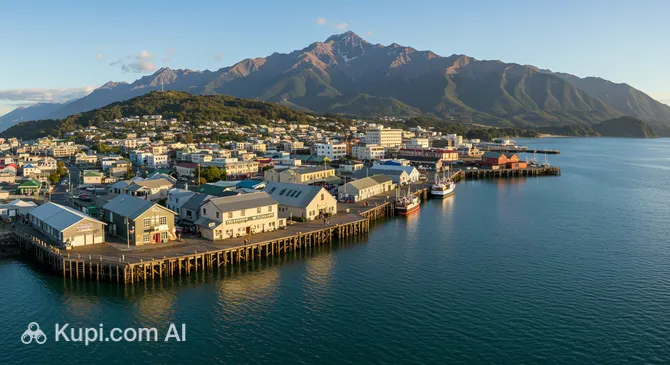
Greymouth is a true gateway to the heart of the wilderness, nestled comfortably on the West Coast of the South Island. This town, where the waters of the Grey River meet the powerful waves of the Tasman Sea, reveals to travelers a more rugged and mysterious side of New Zealand. On a clear day, it offers breathtaking views of the snow-capped Mount Cook—the country's highest peak, seemingly inviting new discoveries.

Despite its relatively modest size and population of around 8,000 people, Greymouth is the largest town and a key administrative center of the West Coast region. It boasts a calm, measured atmosphere that is hard to find in large metropolises. The fascinating history of Greymouth and its development as a port town give the place a special charm, blending the friendliness of the locals with the grandeur of the surrounding nature.
Greymouth. Illustration.
Source: Kupi.com AI

Travelers often choose Greymouth as a key point on their itinerary thanks to its unique attractions. It is home to the terminus of the legendary TranzAlpine—a train journey from Christchurch across the Southern Alps, considered one of the most scenic rail routes in the world. Additionally, the town serves as an ideal base for visiting the famous Punakaiki (Pancake Rocks) and exploring untouched forests.

Come to Greymouth to stroll along wide pebble beaches, listen to the soothing sound of the surf, and forget about the rush. This is a place where time flows more slowly, allowing every guest to enjoy the moment and feel the authentic spirit of the West Coast.
Weather Overview

Weather:

Greymouth has a temperate maritime climate, characterized by mildness and an absence of sharp temperature fluctuations, typical for the West Coast. The warmest month is January with an average temperature of 16.6°C and daily highs up to 19.1°C. Winters are cool but not freezing: in July, the average temperature is around 8.4°C, and nighttime figures rarely drop below 6°C.

A hallmark of the local weather is high humidity and regular rainfall throughout the year. The number of rainy days varies from 13 in February to 21 in October. Expect a comfortable, mild summer and a fresh winter with frequent rain, so waterproof clothing will be useful in any season. More detailed monthly weather in Greymouth will help you plan your luggage more accurately for your trip.

Average monthly temperature

Average monthly precipitation

Interesting Facts

Greymouth is a town where history is closely interwoven with rugged nature, and local traditions can surprise even seasoned travelers. Beyond the main tourist routes, it has its own unique features that reveal the true character of this corner of the country.
  • Pancake Rocks: Not far from the town lies an amazing geological formation—Punakaiki, which resembles stacks of giant pancakes. These limestone rocks began forming over 30 million years ago, and during high tide, you can witness a rare phenomenon—powerful blowholes where waves surge through fissures in the rock with incredible force.

  • West Coast Time: The local railway station, where the famous TranzAlpine arrives, greets guests with a special atmosphere. People often talk about "West Coast Time"—not an official time zone, but a symbol of the local pace of life: unhurried, cozy, and free from urban bustle.

  • Golden Heritage: Greymouth's history is rooted in the gold rush of the 1860s when the town was a magnet for fortune seekers from around the world. To this day, you can find Victorian-style buildings on the streets, reminiscent of those turbulent times.

  • Culture of Connection: Locals are very proud of their traditions and love to share stories about the pioneers who conquered the wild nature. Social life often centers around pubs and iconic spots like Monteith's Brewing Co., where residents gather to discuss the news and cheer for their favorite rugby team.

Monteith's Brewery. Illustration.
Source: Kupi.com AI

Traveler photos:

How to Get There

When planning a trip to Greymouth, it is important to consider that this West Coast town has its own specifics regarding transport accessibility. You can find all the details and plan your route by following the link: all the ways to get to the city. The main gateways to the region are the nearest airports located in neighboring cities, as Greymouth itself does not have an airport.

The most convenient option for domestic flights is Hokitika Airport (IATA: HKK). It is located in the town of Hokitika, just 33.5 km from Greymouth. This is a small regional hub receiving flights from other parts of the country. The journey from there by taxi or transfer takes approximately 1 hour 10 minutes. It is an excellent choice if you want to minimize ground travel time.

For international travelers, the main point of arrival is Christchurch International Airport (IATA: CHC). Although it is located in the city of Christchurch, about 157.6 km from Greymouth (in a straight line), it is the South Island's largest aviation hub with high passenger traffic. The journey from the airport to Greymouth by car or bus through the scenic Southern Alps takes about 4 hours 15 minutes. This trip itself will be an unforgettable part of your adventure.

For clarity, here is a summary of the main airports used to reach the region:

AirportPassenger trafficDistance
Hokitika Airport40 00034 km
Christchurch International Airport6.4 mln158 km
Nelson Airport915 600212 km
Woodbourne Airport312 200244 km

In addition to air travel, a popular way to reach Greymouth is by rail. The famous TranzAlpine scenic train connects Christchurch and Greymouth, offering one of the most beautiful rail journeys in the world. Many tourists also prefer to rent a car to enjoy the drive along the picturesque state highways that link the West Coast with the rest of the island.

Main Attractions

Greymouth, though seemingly a small town, hides many interesting spots reflecting the rich history and natural beauty of the West Coast. The main attractions here are linked to the legacy of gold miners, the coal industry, and, of course, the magnificent landscapes that surround the town on all sides.

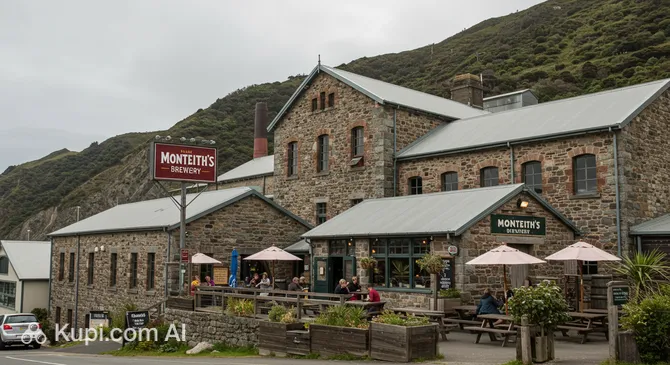
One of the town's most famous landmarks is the legendary Monteith's Brewing Co.. This place is considered a true icon of New Zealand brewing. Here, tourists can take a fascinating tour of the production facility, learn the secrets of crafting their drinks, and, of course, sample the best varieties of local ale and lager. A visit to the brewery is not just a gastronomic experience but an immersion into the region's traditions.

Monteith's Brewery. Illustration.
Source: Kupi.com AI

Traveler photos:

Just a few minutes' drive from Greymouth is a unique open-air museum—Shantytown Heritage Park. This is a carefully recreated town from the 1860s gold rush era. Visitors can ride an authentic steam train, try their hand at gold panning, visit old-fashioned shops, and even send a postcard from the historic post office. It is an ideal destination for families, offering a journey back in time.

Nature lovers should head out for a walk along the Point Elizabeth Walkway. This picturesque trail winds through dense subtropical forest and leads to rocky cliffs offering breathtaking views of the Tasman Sea. The route is considered one of the best coastal tracks in the region: here you can enjoy birdsong, the sound of the surf, and, if you're lucky, spot seals or dolphins in the distance.

Another significant historical site is the Brunner Mine Site. Located on the banks of the Grey River, this site preserves the memory of the country's industrial past. Here, you can see the ruins of ancient brick coke ovens and learn about the tragic history of one of New Zealand's largest mining disasters. The atmospheric ruins set against the green forest create a striking contrast and invite reflection on the strength and resilience of the local people.

Local Cuisine

Greymouth's culinary scene is an honest and tasty reflection of the West Coast's bountiful nature. You won't find fine molecular dining here, but you will find the freshest seafood, hearty farm dishes, and the atmosphere of authentic New Zealand hospitality. The proximity of the Tasman Sea and the region's fertile lands define the menu of most local establishments.

The main culinary symbol of the region is whitebait—the juveniles of local fish. The most popular dish made from them is whitebait fritters (delicate egg-based patties), which are usually served simply: with a wedge of lemon and fresh bread and butter. Gourmets should also try the famous green-lipped mussels, which are prepared here in various sauces or grilled. Fish lovers will appreciate the catch of the day from the Tasman Sea, often served with seasonal vegetables.

For those who prefer meat, the menus of local pubs and restaurants always feature succulent New Zealand lamb or grass-fed beef steaks. Traditional cuisine here is hearty and warming, perfect for the coastal climate. For dessert, homemade baked goods like apple and rhubarb crumble are often on offer.

Monteith's Brewery. Illustration.
Source: Kupi.com AI

Traveler photos:

When it comes to drinks, it's impossible not to mention that Greymouth is the birthplace of one of the country's oldest breweries. The famous Monteith's Brewing Co. offers a wide range of craft beers—from rich ales to refreshing lagers. Visiting this place has become a ritual for tourists: here you can not only sample the drinks but also find the perfect food pairings in the local gastropub.

The dining culture in town is relaxed and casual. Locals enjoy visiting farmers' markets where organic cheeses, honey, and homemade jams are sold. Street food is also popular: there's nothing better than buying a parcel of hot fish and chips and having a picnic on the coast, enjoying the sunset and the sound of the waves.

Travel Tips

Preparing for a trip to Greymouth requires special attention to detail, as this West Coast town is known for its changeable character and wild nature. To ensure your journey through the region and New Zealand as a whole is as comfortable as possible, we have compiled a list of the most important practical recommendations.

  1. Clothing and Gear: The local climate is often described as rugged for a reason: rain is a frequent occurrence. Be sure to bring a high-quality waterproof windbreaker and comfortable waterproof shoes for walking. The weather changes quickly, so dress in layers: thermal wear or a merino wool sweater will be indispensable even in summer. Don't forget a Type I power adapter (with three flat pins).

  2. Transport: Greymouth is a small town, and public transport is virtually non-existent. For comfortable travel, it is best to rent a car. Rideshare apps (like Uber) may not operate here or may have very few cars, so it is more reliable to save local taxi service numbers in advance. The town center is compact and easy to explore on foot.

  3. Finances: The official currency is the New Zealand Dollar (NZD). Bank cards are accepted almost everywhere, but keep some cash on hand for markets or small shops. Some cafes may charge a small surcharge for contactless payments (PayWave). Tipping is not mandatory, but if you really enjoyed the service, you can leave about 10% of the bill.

  4. Health and Safety: The biggest nuisance for tourists on the West Coast is sandflies (tiny biting midges). Be sure to buy a strong repellent at a local supermarket or pharmacy. Note that pharmacies are not open 24/7 and usually close by 5:30 PM. Greymouth is safe, but do not leave valuables in plain sight in your car at attraction parking lots.

  5. Communication: The primary language is English; locals speak quite fast and use slang but are always ready to help. Wi-Fi is available in most cafes and hotels, but mobile reception can drop out on highways outside the town. We recommend buying a local SIM card (Spark, One NZ, or 2degrees) and downloading offline maps of the area in advance.

  6. Local Etiquette: Coast residents ("Coasters") are known for their friendliness and simplicity. It is customary to greet bus drivers and shop assistants. A "Kia Ora" greeting will be met with a smile. The dress code in establishments is very casual: a casual style is appropriate even in restaurants for dinner.

  7. What to Avoid: Never swim in unverified spots, especially near the Grey River mouth and the breakwater—currents here are unpredictable and dangerous. Also, avoid littering in nature: locals are very protective of the environment, and violating the rules can cause serious disapproval.

  8. Opening Hours: Life in town winds down fairly early. Most shops close at 5:00 PM, and restaurant kitchens may stop taking orders as early as 8:30–9:00 PM. If you plan on a late dinner, it is better to book a table in advance or check the operating hours to avoid going hungry.

By following these simple tips, you can avoid minor inconveniences and fully focus on what really matters—the incredible landscapes and unique atmosphere of Greymouth. We wish you a safe and impression-filled journey!

Entertainment & Nightlife

Entertainment and nightlife in Greymouth have a unique character that perfectly reflects the spirit of the West Coast. You won't find noisy metropolitan clubs with neon signs open until dawn. Instead, the town offers the cozy atmosphere of traditional pubs, where evenings are spent with live music, hearty food, and relaxed conversations with friendly locals.

The hub of evening activity is centered around Mackay Street and the Mawhera Quay waterfront. This is where most establishments are located, offering a pleasant way to spend time after sunset. The star of the evening program is undoubtedly the legendary Monteith's Brewing Co.. This establishment functions not only as a museum but also as an excellent bar and restaurant. People come here to try tasting paddles of the freshest ale, enjoy a satisfying dinner by the fireplace, and immerse themselves in the region's history in a stylish setting.

The atmosphere in Greymouth's venues is very casual and relaxed. There is virtually no dress code: a casual style (jeans and a T-shirt) is appropriate everywhere. Locals, known as "Coasters," are very open and hospitable, so a trip to the bar often ends with new acquaintances. Besides the brewery, historic pubs like the Union Hotel and modern gastropubs like Sevenpenny, where local bands often play, are also popular.

Practical Tips: Nightlife here winds down earlier than in major cities. Most restaurant kitchens close around 9:00–10:00 PM, and bars may stay open until midnight or slightly later on weekends. Greymouth is a safe town, and night walks through the center pose no threat, though the streets can be quite deserted and dark. Public transport does not run at night, so if you are staying far from the center, save the number for the local taxi service (Greymouth Taxis) in advance, as hailing a car on the street can be difficult.

If you're interested in cultural leisure, check out the Regent Theatre. It is a local cinema and performance venue where you can watch the latest movie releases or catch rare theatrical productions. During the day and early evening, it's a great alternative to bars for those seeking a quiet break.

Parks & Museums

Greymouth offers travelers a harmonious blend of industrial tradition and natural beauty, where well-maintained urban areas sit alongside a rich historical heritage. While the town is known for its rugged history of coal and gold mining, there are plenty of spots for quiet outdoor relaxation and cultural enrichment.

Among the town's green spaces, Dixon Park stands out. Located near the coast, this popular recreation spot is perfect for family picnics and quiet walks. The park is equipped with playgrounds and offers easy access to the beach, where you can admire the power of the Tasman Sea. Another important green corner is Anzac Memorial Park, located closer to the Grey River. It is a quiet place of remembrance with manicured paths and gardens, ideal for escaping the urban bustle.

To experience local art, visit the Left Bank Art Gallery. It is housed in the grand historic building of the former Bank of New Zealand, which is an architectural landmark in itself. The gallery regularly exhibits works by West Coast artists, including unique pounamu (jade) carvings, photography, and paintings that reflect the spirit of the region.

An integral part of the cultural and historical landscape is the famous Monteith's Brewing Co.. This establishment functions as a living brewery museum, where visitors can learn about the history of drink production on the West Coast, spanning over 150 years. Tours here reveal the secrets of ancient recipes and techniques passed down through generations.

Monteith's Brewery. Illustration.
Source: Kupi.com AI

Traveler photos:

History buffs will be interested in seeing the Greymouth Floodwall. This massive engineering structure not only protects the town from flooding but also serves as a popular promenade with views of the river and town buildings. The railway station building is also noteworthy, preserving the flavor of the golden age of rail transport.

If you're looking for something special, take a walk along the floodwall at sunset. During this time, the light falls softly on the Grey River, creating a stunning atmosphere, and locals often come out for an evening jog or a walk with their dogs, allowing you to feel the true rhythm of the town's life.

Getting Around

The public transport system in Greymouth differs significantly from what residents of large metropolises are used to. Since the town is very compact, there are no subway, trams, or city bus routes. The town center is small enough that it is easy and pleasant to explore on foot: most shops, restaurants, and hotels are within a short walk of each other.

If you need to reach outlying areas or are traveling with heavy luggage, the primary mode of transport is taxi. Local operators, such as Greymouth Taxis, serve the town. Taxi stands can be found at the railway station and major supermarkets. Payment is accepted in New Zealand dollars (cash) and bank cards; however, there are no special transport cards or transit passes for intra-city travel.

For many tourists, the most practical solution is renting a car. This provides freedom of movement not just within the town, but also allows for exploring the scenic surroundings of the West Coast, which are inaccessible otherwise. Rental points are located in the town center and near the station. Bike rentals are also popular, as Greymouth is part of the famous West Coast Wilderness Trail cycling route.

The railway station is an important transport hub for the town. While not used for traveling within the town itself, it is an iconic spot: the famous TranzAlpine train from Christchurch arrives here. The station also serves as a departure point for intercity buses (such as InterCity), which replace the absent regional rail service.

Practical Tip: Since public transport does not circulate within the town and taxi services can be busy, especially in the evening or on weekends, it is recommended to book a car in advance by phone. If you are planning an early departure or a trip to the station for a train, it is best to ask your hotel staff to arrange a taxi call the night before.

Accommodation

Greymouth offers travelers a functional and diverse choice of accommodation, perfectly suited for resting after a long journey along the West Coast. Since the town is an important transit hub, you won't find massive five-star resorts here, but the selection of high-quality motels, cozy bed and breakfasts (B&Bs), historic hotels, and well-equipped holiday parks is quite broad.

Areas to Stay:

The town's geography is straightforward, and the choice of area depends on your mode of transport. Tourists arriving on the TranzAlpine train or traveling without a car are best off staying in the town center (CBD). This ensures walking distance to the railway station, supermarkets, the waterfront, and restaurants. For those traveling by car, the Paroa district south of the center or the coastal area of Cobden north of the river are excellent options—these areas feature spacious motels with parking and holiday parks, often with sea views.

Types of Accommodation:

  • Motels: The most popular type of accommodation in Greymouth. They offer excellent value for money, are often equipped with kitchenettes, and are ideal for families or groups of friends.
  • Historic Hotels: Several old pub buildings in the town center offer rooms on the upper floors. This is a budget-friendly and atmospheric option that lets you feel the spirit of the gold rush era, although facilities may be shared.
  • Holiday Parks: The ideal choice for those traveling by campervan or looking for budget cabins. Greymouth is famous for its seaside campgrounds where you can fall asleep to the sound of the surf.

Price Range and Booking:

Accommodation prices in Greymouth are generally lower than in more tourist-heavy Queenstown or Wanaka. The range varies from budget (hostels and campgrounds) to mid-range (quality motels and apartments). Booking is available through all major international online platforms, but many motels also accept direct bookings via phone or email.

Booking Tip: Although Greymouth may seem like a small town, the demand for accommodation spikes during the summer season (December to February) due to the arrival of tourist trains and bus tours. It is highly recommended to book your stay in advance, especially if you are looking for a specific type of accommodation or are traveling in a large group.

Nearby Cities

For those looking to explore the surrounding area, Greymouth serves as an excellent starting point for day trips to several interesting nearby locations:

Just a 45-minute drive north along the scenic coast is the village of Punakaiki. It is world-famous for its Pancake Rocks—unique limestone formations resembling stacks of pancakes—and powerful blowholes that are especially impressive at high tide. It is an ideal destination for geology enthusiasts and short outdoor walks.

In the opposite direction, about 40 kilometers to the south, lies the charming town of Hokitika. It is the cultural heart of the region, famous for its pounamu (New Zealand jade) carving workshops and the annual Wildfoods Festival. Near the town is the picturesque Hokitika Gorge with its suspension bridges and incredibly turquoise water, making it a must-visit spot.

It is also worth mentioning Christchurch—the South Island's largest city. Although it lies across the mountain range, the journey there via the TranzAlpine train or by car over Arthur's Pass is considered one of the most beautiful routes in the world, offering views of the majestic Southern Alps.

CityPopulationDistance
Hokitika2 89234 km
Westport4 66085 km
Franz Josef Glacier139 km
Fox Glacier148 km
Mount Cook153 km

These nearby destinations offer a glimpse into the diverse culture and landscapes of the region.

Shopping & Souvenirs

Shopping in Greymouth is more practical than recreational, yet it is the best place on the West Coast for restocking supplies and buying authentic souvenirs. As the region's administrative and commercial hub, the town offers a good selection of shops: from supermarkets and outdoor gear outlets to cozy boutiques featuring local artisans. You won't find massive shopping malls or luxury boutiques here, but you can purchase items imbued with the spirit of New Zealand.

Main shopping activity is concentrated in the central business district, particularly on Mackay Street and the adjacent Mawhera Quay along the river. In this compact, walkable area, you'll find clothing stores, bookshops, pharmacies, and souvenir shops. A stroll here allows you to combine shopping with viewing the town's historic buildings and a coffee break.

Greymouth lacks the giant malls common in big cities. Instead, major chain stores like The Warehouse serve as shopping anchors, where you can buy everything from clothing and electronics to camping gear at affordable prices. For groceries and road supplies, the large Countdown and New World supermarkets in the center are excellent options, staying open late for the convenience of road-trippers.

For a taste of local flavor, check out the Greymouth Sunday Market. Usually held on weekend mornings, it is a mix of a flea market and a craft fair. Here you can find fresh farm produce, home-baked treats, second-hand books, and unique crafts made by locals. It's a great place to chat with residents and find something unusual.

As for souvenirs, Greymouth is famous for its pounamu (New Zealand jade) products. There are several specialized galleries in town, such as Shades of Jade, selling handmade jewelry. Warm items made from merino wool and possum fur are also popular—a perfect gift from a country with a cool climate. Don't forget to visit the shop at Monteith's Brewing Co.: you can buy not only their signature craft beer but also stylish apparel or branded glassware.

Shops in the town center are generally open Monday to Friday from 9:00 AM to 5:00 PM, and on Saturdays until early afternoon (around 1:00 PM or 2:00 PM). Sunday is a day off for many small shops, though large chain stores and supermarkets operate daily and for longer hours. Bank cards (Visa, Mastercard) are accepted almost everywhere, even in small cafes, but having some cash for the market is a good idea.

In New Zealand, the Goods and Services Tax (GST) is 15% and is always included in the price shown on the tag. The traditional Tax-Free system with tax refunds at the airport via receipts does not work quite the same way as in Europe and is often unavailable for regular retail purchases. Tourists can make duty-free purchases in specialized Duty-Free stores if they arrange for the goods to be delivered directly to their departure airport or shipped to their home address abroad.

Reached the end of the page?

That means the route is fully explored