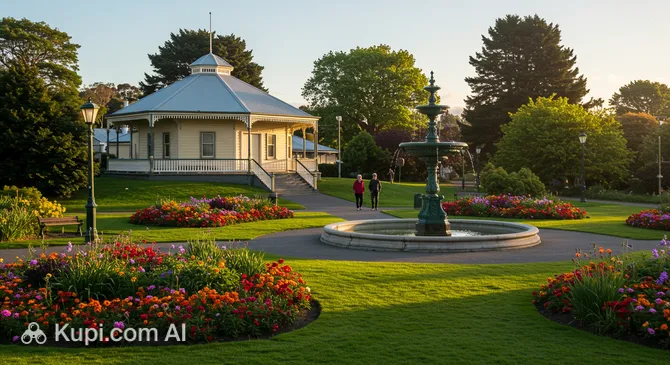
Oamaru is more than just a city; it is a true portal to another era, where 19th-century elegance intertwines with the fantastic aesthetic of steampunk. Located in the picturesque Otago region, this town is rightfully considered the country's architectural treasure trove and a place with a completely unique atmosphere.
Oamaru. Illustration.
Source: Kupi.com AI
Geographically, the city lies on the east coast of the South Island, washed by the waters of the Pacific Ocean. Home to about 14,000 people, it offers a cozy and peaceful setting, free from the bustle of major metropolises. The climate is mild and maritime, perfect for strolling at any time of year. It is one of the most colorful spots for which New Zealand is famous.
The city's hallmark is the famous "Oamaru stone"—a creamy limestone used to build the entire historic center. Thanks to the superbly preserved buildings of the Victorian Precinct, the rich history of Oamaru is felt at every turn. However, the locals aren't stuck in the past: they have transformed their town into the world capital of steampunk, filling the streets with whimsical machinery and art installations.
Beyond architecture and art, travelers are drawn here by the unique wildlife. Oamaru is famous for its colonies of blue penguins—the smallest penguins in the world—which can be observed in their natural habitat. The combination of rich heritage, creative modern culture, and proximity to nature makes this city a must-stop for any tourist.
Weather Overview
The climate in Oamaru can be described as temperate maritime, without extreme heat or severe frosts. The warmest month is January, with an average temperature of about 16.3°C and daytime highs reaching 20.3°C. Summer (December to February) is pleasant but fairly humid: for example, there can be up to 17 rainy days in December, so a light raincoat in your luggage won't go amiss.
The winter period, lasting from June to August, brings coolness. The coldest month is July, when the average temperature drops to 5.7°C, and at night the air can cool to 2.3°C. However, winter is often drier in terms of precipitation frequency than summer: the number of wet days in this season usually ranges from 9 to 10 per month.
Expect a warm summer with occasional rain and cool, relatively dry winters. For the most comfortable trip, we recommend checking what weather in Oamaru is forecast for your dates before you depart.
Average monthly temperature
Average monthly precipitation
Interesting Facts
Beyond its well-known tourist spots, Oamaru hides fascinating stories and features that give it a unique charm. Here are a few facts that reveal the city from an unexpected side:
Guinness World Record: Oamaru is officially recognized as the "Steampunk Capital." In 2016, the city entered the Guinness World Records for the largest gathering of people dressed in steampunk costumes. The heart of the movement is Steampunk HQ, where the sci-fi of Jules Verne meets reality.
Birth of the Meat Industry: The history of New Zealand's meat exports began right in the vicinity of Oamaru. At the historic Totara Estate in 1882, the first shipment of mutton was prepared and frozen for transport to the UK. Although the ship itself set sail from Port Chalmers, it was here that the foundation was laid for an industry that became the cornerstone of the country's economy.
Underground Crossing for Birds: Local residents are so dedicated to nature that they built a special tunnel under the road for the inhabitants of the Oamaru Blue Penguin Colony. This engineering solution allows the world's smallest penguins to move safely from the sea to their nests without risking getting hit by cars.
A Ban on Modernity: In the historic center, known as the Oamaru Victorian Precinct, strict rules apply to preserve its architectural look. The construction of modern buildings that could disrupt the harmony of the 19th-century white-stone facades is prohibited, which is why the district often serves as a ready-made set for film productions.
Oamaru Blue Penguin Colony. Illustration.
Source: Kupi.com AI
Traveler photos:
How to Get There
When planning a trip to this colorful coastal city, it is important to note that there are no direct flights to Oamaru itself. Tourists usually fly into one of the South Island's major cities and then continue their journey along scenic roads. You can find more details on how to get to Oamaru on the dedicated page of our travel guide.
The nearest air hub to the city is Dunedin International Airport (DUD). It is located in Dunedin, approximately 110 km from Oamaru. This is a convenient option for those who want to minimize overland travel time: the drive by rental car or bus takes about 1.5 hours.
For most international travelers, the main gateway is Christchurch International Airport (CHC). It is situated in Christchurch, 217 km north of Oamaru. Despite the greater distance, this airport handles many international flights. The journey from here to Oamaru by car or intercity bus takes about 3 hours and passes through the picturesque Canterbury Plains.
Another popular option is flying into Queenstown Airport (ZQN) in Queenstown (176 km from Oamaru). This route is often chosen by tourists wishing to combine a visit to Oamaru with a holiday at the famous lakes and mountains of the Otago region.
For convenience, here is a summary of the region's main airports:
As there is no regular passenger rail service to Oamaru, the primary means of ground transport are cars and buses. State Highway 1 runs directly through the town, making it easily accessible for road trippers. Intercity buses (such as those operated by InterCity) run regularly between Christchurch, Dunedin, and Oamaru, offering a comfortable and budget-friendly way to reach your destination.
Main Attractions
Oamaru offers its guests a unique blend of historic monuments, whimsical art, and stunning nature. To fully experience the inimitable atmosphere of this city in New Zealand, it is worth exploring its main attractions.
The heart of the city is the beautifully preserved Oamaru Victorian Precinct. Walking through its cobblestone streets is like traveling back in time. The buildings made of the famous white limestone, constructed in the 19th century, now house artisan workshops, art galleries, antique shops, and cozy cafes. Here, you can encounter people in period costumes and even see enthusiasts riding vintage penny-farthing bicycles.
Oamaru Victorian Precinct. Illustration.
Source: Kupi.com AI
Traveler photos:
It is impossible to talk about Oamaru without mentioning its status as the steampunk capital of the world. The main draw for fans of this genre is the interactive museum Steampunk HQ. This place captures the imagination with its retro-futuristic installations, glowing sculptures, and bizarre mechanisms, creating an atmosphere of an alternative Victorian era.
As twilight falls, all attention shifts to the coast, where you can witness one of the most touching spectacles. At the Oamaru Blue Penguin Colony, hundreds of the world's smallest penguins return from the ocean each evening to their nests on the shore. A special grandstand is set up for viewing, allowing visitors to watch without disturbing these amazing creatures.
For those seeking peace and tranquility, the Oamaru Public Gardens are the perfect destination. Established in 1876, they are among the oldest and most well-maintained gardens in the country. Visitors will find elegant fountains, marble statues, a Chinese garden, and a themed area inspired by "Alice in Wonderland." It is a wonderful place for a leisurely walk and relaxation in nature.
Local Cuisine
The gastronomic scene in Oamaru is a harmonious blend of the freshest bounty from the ocean, farm produce from the Otago region, and the creative touch of local chefs. Here, food is not just about satisfying hunger, but a way to connect with the culture and history of the land. Thanks to fertile soils and proximity to the sea, local menus always feature high-quality seasonal ingredients.
The city's main culinary pride is rightfully its cheese. Oamaru is home to the famous Whitestone Cheese factory. Be sure to try their signature varieties: creamy brie, tangy Windsor Blue, or soft Camembert. These cheeses are served in many local restaurants, often accompanied by local fruits and crackers. Additionally, the proximity of the ocean ensures that magnificent seafood is always on the menu: from tender blue cod fillets to the famous New Zealand Greenshell mussels and crayfish.
Meat lovers should look for traditional New Zealand lamb and venison, which are prepared simply but with great skill in this region. For a quick and hearty snack, the classic meat pie is perfect—a hot pastry filled with steak, cheese, or mince, found in any local bakery.
As for drinks, Oamaru has firmly established itself on the craft brewing map. The popular Scott's Brewing Co is located in the harbor area. They brew excellent beer using the purest local water and serve it with crispy pizzas. This spot has become a true gathering point for both locals and tourists. If you prefer wine, try the varietals from the nearby Waitaki Valley, which is famous for its Pinot Noir and aromatic white wines like Pinot Gris and Riesling.
Scotts Brewing. Illustration.
Source: Kupi.com AI
Traveler photos:
The dining culture in the city is characterized by a relaxed and friendly atmosphere. There is no rush here. Locals enjoy breakfast and lunch in cozy cafes located in the historic Oamaru Victorian Precinct. The interiors of these establishments often preserve the 19th-century spirit, turning a simple meal into an atmospheric journey back in time. For dinner, waterfront restaurants with harbor views are popular, and on Sundays, the Farmers' Market becomes the center of gastronomic life, where you can try street food and buy homemade delicacies.
Travel Tips
Welcome to the steampunk capital! To ensure your journey to this atmospheric and unusual city goes perfectly, we have gathered the most important practical recommendations to help you feel at home in Oamaru and avoid typical tourist mistakes.
Clothing and Gear. The weather on the Otago coast is changeable, so the "onion" principle (layering) is your best friend. Even in summer (December–February), evenings can be cool due to the sea breeze. If you plan a visit to the penguin colony, be sure to bring a warm jacket, hat, and scarf—sitting in the stands by the ocean after sunset is always cold. For walks in the historic precinct, choose comfortable flat shoes, as cobblestones and heels are not a good match.
Transport Nuances. Oamaru is a compact city, and its historic center and waterfront are best explored on foot. Public transport within the city is limited, so for trips to supermarkets or the outskirts (like Bushy Beach), a rental car is more convenient. Taxi apps (like Uber) are unreliable here; it is safer to call a car via local dispatch services by phone.
Finances and Payment. The currency is the New Zealand Dollar (NZD). Bank cards are accepted almost everywhere, including museums and cafes. However, we strongly recommend having some cash on hand for visiting the Sunday Farmers' Market or buying souvenirs at small artisan stalls. Tipping is not mandatory, but rounding up the bill or leaving 5-10% for excellent service will be received with gratitude.
Health and Safety. Oamaru is a very safe place where you can walk peacefully at any time. Keep one important thing in mind: there are no 24-hour pharmacies here. Most pharmacies close at 5:00–5:30 PM and have reduced hours on weekends, so bring essential medications with you. Don't forget sunscreen (SPF 50+)—the sun in New Zealand is very aggressive, even on cloudy days.
Communication and Internet. The main language is English. Locals are friendly but sometimes speak quite fast and use slang. Free Wi-Fi is available at the public library, the i-SITE information center, and many cafes. It is better to buy a SIM card in advance in a major city or at the arrival airport, as the selection of mobile shops in Oamaru itself is limited.
Local Etiquette. "Kiwis" (New Zealanders) are very open and welcoming. It is customary to greet bus drivers when entering and exiting and to smile at passersby. The pace of life in Oamaru is leisurely, so it is not common to rush staff in cafes and shops—be patient and enjoy the tranquility.
What to Avoid. The strictest rule concerns wildlife: it is strictly forbidden to use flash when photographing penguins. Bright light scares the birds, disorients them, and can damage their sensitive eyes. Also, do not try to approach fur seals on the beach closer than 10–20 meters—they are wild animals and may bite if they feel threatened.
Operating Hours (an "early" city). Be prepared for the town to quiet down early. Most shops, cafes, and even some tourist sites close as early as 4:00 PM or 5:00 PM. Plan your shopping and cultural activities for the first half of the day to avoid arriving at closed doors.
By following these simple tips, you can avoid minor hiccups and fully immerse yourself in the magic of this Victorian town. May Oamaru give you unforgettable impressions, amazing encounters, and the warmest memories!
Entertainment & Nightlife
Nightlife in Oamaru has its own unique character: you won't find noisy metropolis-style clubs with neon signs open until dawn. Instead, the city offers a cozy, almost intimate atmosphere, where evening leisure centers around craft breweries, atmospheric pubs, and unique wildlife encounters. Most activity after sunset takes place around the waterfront and in the historic center.
A hub for lovers of quality drinks and social interaction is the famous Scott's Brewing Co. Located in the harbor area, this establishment is rightfully considered one of the best places for an evening out. It boasts a laid-back atmosphere, serves excellent pizza, and, of course, brews its own beer using local water from Southern Alps glaciers. The crowd here is diverse—from local farmers to tourists from all over the world—and the dress code is completely democratic: casual style is appropriate everywhere.
Scotts Brewing. Illustration.
Source: Kupi.com AI
Traveler photos:
If you're looking for historical charm, head to the Oamaru Victorian Precinct. In the evening, the old limestone buildings are illuminated, creating a mystical and romantic atmosphere. You can find several bars and restaurants tucked away in the alleyways of this district. Keep in mind that nightlife here winds down quite early: most restaurant kitchens close around 9:00–10:00 PM, though bars may stay open until midnight, especially on weekends (Friday and Saturday).
The most unique "nightclub" in Oamaru is undoubtedly nature itself. The city's main evening show happens on the coast at the Oamaru Blue Penguin Colony. Tourists gather here after sunset to watch hundreds of little penguins return home from the ocean. This activity requires advance booking and warm clothing, as it is always cool by the ocean in the evening.
In terms of safety, Oamaru is one of New Zealand's calmest cities. Walking through the night center and waterfront is safe, though the streets can be quite deserted and dark. If you stay out late or plan on drinking, it is best to call a taxi (e.g., Oamaru Taxis), as services like Uber may be unavailable or limited here. An average bill for dinner with drinks is about 40–60 NZD per person.
Daytime entertainment in the city is just as interesting and often overlaps with the evening program. Culture lovers should check out the Oamaru Opera House, which hosts concerts and theatrical performances, as well as the numerous Victorian-style museums and galleries that are open during the day and serve as a magnificent backdrop for walks in the evening.
Parks & Museums
Oamaru's cultural and natural landscape offers travelers a wonderful contrast: from serene walks along manicured Victorian-era paths to immersion in the fantastic worlds of an alternative reality. The city carefully preserves its heritage, providing opportunities to breathe fresh ocean air in green spaces and explore the region's rich history through unique exhibitions.
One of the city's main natural gems is the Oamaru Public Gardens. Established in 1876, they are considered among the oldest in the country and perfectly capture the spirit of that era. Here, you can wander among ancient trees, admire vibrant rhododendrons, and visit a themed area inspired by "Alice in Wonderland." It is an ideal spot for family relaxation, featuring aviaries, playgrounds, and picturesque ponds that create a cozy and tranquil atmosphere.
Oamaru Public Gardens. Illustration.
Source: Kupi.com AI
Traveler photos:
For lovers of wilder nature, the Bushy Beach Scenic Reserve is a must-visit. This is where dense native forest meets the rugged Pacific coast. A trail leads to a lookout point offering breathtaking views of cliffs and the sea. The reserve is famous as a habitat for rare yellow-eyed penguins (hoiho), which can sometimes be seen on the beach in the late afternoon, as well as fur seals basking on the rocks.
Among the city's cultural institutions, Steampunk HQ stands out. This is not just a museum, but an interactive gallery that plunges visitors into a retro-futuristic world of steam engines and science fiction. The exhibition is filled with whimsical scrap-metal sculptures, light installations, and dark yet fascinating art objects. Of particular interest is "The Portal"—a light show that transports viewers to another dimension.
For a more traditional look at the past, visit the Waitaki Museum (Waitaki Museum & Archive). Its collections tell the story of the region from early Maori settlements to the height of the Victorian era. It houses artifacts, photographs, and documents revealing how the city and its famous limestone industry developed. It is an informative place for those who want to better understand the roots of local culture.
The Oamaru Victorian Precinct itself can be called an open-air museum. Walking down Harbour Street, you will see New Zealand's best collection of 19th-century commercial buildings constructed from local white stone. The architectural ensemble is so cohesive that it feels like a total journey back in time, enhanced by vintage signs and the absence of modern advertising.
If you're looking for something special, step into the Grainstore Gallery, located in an old grain storehouse. This atmospheric space is filled with works by local artists, eccentric decorations, and a vibrant creative energy rarely found in conventional galleries.
Getting Around
The public transport system in Oamaru has its own unique characteristics, dictated by the size and lifestyle of this small city. Unlike major metropolises, you won't find a subway, trams, or an extensive network of city buses here. The town is quite compact, and most tourist locations, including the historic center and the waterfront, are within walking distance of each other, making walking the primary way to get around.
Regular urban bus routes are virtually non-existent in Oamaru. Bus services are mostly represented by intercity coaches (such as InterCity), which connect the city with Christchurch and Dunedin. These buses stop on the main street but are not used for travel within the city itself. Therefore, you won't need to look for local bus schedules or buy transit cards here.
For travel over longer distances or during bad weather, the main alternative is a taxi. Several local services operate in the city, such as Oamaru Taxis. It is best to order a car by phone or find one at ranks in the center. Global ride-sharing apps like Uber may be unreliable or unavailable here due to the small number of drivers, so it is safer to rely on local operators. Taxis usually accept both cash and cards, but it is better to confirm card payment availability when getting in.
The most convenient option for tourists wanting to explore both the center and the surrounding area is a rental car. This gives you complete freedom of movement, especially if you plan to visit the penguin colonies or the region's natural attractions. Parking in the city is generally not a problem: there are plenty of spots, and many are free, though time restrictions may apply in the very center.
A popular eco-friendly alternative is cycling. Oamaru is the end point of the famous Alps 2 Ocean cycle trail, so the infrastructure for cyclists is quite well-developed. There are rental shops in town where you can hire both standard and electric bikes for comfortable rides along the waterfront or trips to nearby areas.
The historical Oamaru Steam and Rail deserves a special mention. While it is not a full-fledged public transport service, a vintage train runs between the historic precinct and the harbor area on weekends and holidays. It is more of a tourist attraction, allowing you to soak in the atmosphere of the past, but it can certainly be used as a colorful way to reach the penguin colony. Tickets are purchased on-site with cash or card.
Accommodation
The choice of accommodation in Oamaru, despite the city's modest size, is surprisingly diverse and full of character. You are unlikely to find massive skyscraper hotel chains here; instead, the city is famous for its cozy motels, guesthouses in historic buildings, and high-quality holiday parks. Accommodation options range from budget-friendly backpacker hostels to luxurious boutique hotels where the interiors recreate a 19th-century atmosphere.
The most popular and atmospheric area to stay is the historic center and its surroundings. By staying here, you will be within walking distance of the main architectural gem—the Oamaru Victorian Precinct. This is an ideal choice for those who want to immerse themselves in steampunk aesthetics and antiquity the moment they step out the door. Another convenient option is the central part of town along Thames Street, where shops and cafes are concentrated. For those who prefer peace and beautiful views, accommodation on the hills offers panoramic vistas of the ocean and harbor.
Oamaru Victorian Precinct. Illustration.
Source: Kupi.com AI
Traveler photos:
If your goal is wildlife watching, it makes sense to consider accommodation closer to the waterfront. From here, it is convenient to reach the Oamaru Blue Penguin Colony, saving you travel time after the evening show.
Booking Tip: Oamaru is a popular stop for tourists traveling around the South Island, so demand for accommodation is very high during the peak season (December to February). It is strongly recommended to book your room 2–3 months in advance, especially if you are looking for something unique, like a room in a historic mansion.
The price range here is quite reasonable compared to the country's main resorts:
Budget Segment: Hostel beds and holiday park sites cost around 30–60 NZD per night. This is a great option for budget-conscious travelers and road trippers.
Mid-range: High-quality motels and B&Bs (Bed and Breakfasts) average between 140 and 220 NZD. For this price, you usually get a spacious room with a kitchenette and parking.
Luxury and Boutique: Stays in exclusive historic lodges and boutique hotels start from 250–300 NZD per night.
You can book accommodation through popular international online platforms or directly via hotel websites, which sometimes allows you to find better special offers.
Nearby Cities
For those who want to explore further, Oamaru serves as an excellent starting point for day trips to several interesting nearby locations:
Just an hour and a half's drive south is Dunedin—a city with a distinct Scottish character and impressive architecture. It is a university hub known for its lively atmosphere, the world's steepest street (Baldwin Street), and its proximity to the Otago Peninsula, where you can observe albatrosses and fur seals. A trip here offers a mix of cultural discovery and natural beauty.
Heading north will bring you to Timaru, located less than an hour away. This cozy port city is famous for its Caroline Bay beach—one of the safest and most popular swimming spots on the east coast. Timaru is perfect for a relaxed day: you can stroll through old streets lined with bluestone buildings and visit the beautiful botanical gardens.
For lovers of mountain landscapes, Queenstown is an exciting destination. Although the journey takes longer, this world-famous resort offers completely different experiences: majestic mountains, crystal-clear Lake Wakatipu, and a plethora of adventure activities. It’s a great option for those wanting to see the "alpine" side of New Zealand.
These nearby destinations provide a great overview of the region's diverse culture and landscapes.
Shopping & Souvenirs
Shopping in Oamaru is an exciting adventure that differs radically from the usual mall trips in major cities. You won't find endless rows of mass-market brands here; instead, you'll discover a world of unique handicrafts, antiques, and eccentric items. The city is famous for its creative atmosphere, so the main value of local shopping lies in artisan works, vintage finds, and goods steeped in history and steampunk aesthetics.
The main shopping landmark and the heart of the retail scene is the Oamaru Victorian Precinct. A stroll along Harbour Street and Tyne Street feels like a trip back in time. Restored white limestone buildings house cozy boutiques, art galleries, bookbinding workshops, and second-hand bookstores. You can buy anything here: from handmade clothing and jewelry to rare books and vintage-style home decor.
For more everyday shopping, head to Thames Street—the city's main commercial artery. The core infrastructure is concentrated here: supermarkets, pharmacies, banks, sports shops, and well-known New Zealand clothing brands. This is where locals go for essentials and where tourists can restock on groceries or buy gear for their further journey.
There are no large shopping malls in the traditional sense in Oamaru, which is expected for a city of this size. Instead of malls, small shopping arcades and individual shops are popular. The absence of retail giants is compensated for by the high quality and originality of products in private shops, where owners often stand behind the counter and are ready to tell the story of every item.
A special place in the city's life is occupied by the Oamaru Farmers' Market, which runs on Sundays in the historic precinct. This is a true paradise for foodies. Here you can buy the freshest seasonal fruits, homemade baked goods, honey, olive oil, and meat delicacies directly from Otago producers. The atmosphere at the market is always festive, often accompanied by live music.
The selection of souvenirs in Oamaru is truly unique. First and foremost, look for steampunk-style gear: goggles, top hats, and gear-themed jewelry. A great selection of these items can be found in the souvenir shop at the Steampunk HQ museum. Additionally, the city is famous for its gastronomic souvenirs, especially cheeses from the local Whitestone Cheese factory. Merino wool products and possum-fur yarn items are also popular—they are incredibly warm and light.
Steampunk HQ. Illustration.
Source: Kupi.com AI
Traveler photos:
Shops in Oamaru typically operate from 9:00 AM to 5:00 PM on weekdays. On weekends, especially Sunday, many businesses on Thames Street may be closed or have reduced hours. However, souvenir shops and boutiques in the Victorian Precinct often cater to tourists and are open on weekends. Credit cards (Visa, Mastercard) are accepted almost everywhere, but it is better to have some cash for the market or small stalls.
The Tax Free system (GST refund) for tourists in New Zealand works differently than in Europe. A 15% Goods and Services Tax (GST) is included in the price, and it cannot be claimed back at the airport for standard purchases made in town. However, you can use Duty Free shops at international departure airports if you wish to purchase alcohol, perfume, or electronics before leaving the country.