Support

Milford Sound

About

Milford Sound is not a city in the traditional sense, but rather a breathtaking natural masterpiece located on the South Island of New Zealand, in the heart of Fiordland National Park. Carved by glaciers thousands of years ago, this majestic fjord is one of the most impressive and pristine places on the planet, where an atmosphere of primeval beauty reigns.

Milford Sound. Illustration.
Source: Kupi.com AI

Geographically, Milford Sound is situated in the southwestern part of the South Island, serving as the jewel of the Fiordland region. It is surrounded by near-vertical cliffs rising directly from the dark waters of the fjord, covered in dense rainforests that cling to every ledge. The climate here is wet, which encourages lush vegetation and the appearance of numerous temporary waterfalls, especially after rain.

One of the main symbols of Milford Sound is the majestic Mitre Peak, whose silhouette has become an icon of this amazing place, attracting photographers from all over the world. Thousands of waterfalls cascading from dizzying heights create rainbow spectacles in sunny weather and shroud the fjord in a mystical mist on cloudy days. It is no wonder that Rudyard Kipling called this place the "eighth wonder of the world." Here, you can take a cruise along the fjord, go kayaking, or set off on one of the scenic hiking trails to fully experience the power and beauty of this unique ecosystem.

Visiting Milford Sound is an unforgettable adventure and a must-do for anyone traveling through New Zealand's South Island. Although the journey here can be long, the impressions of what you see will exceed all expectations, leaving a mark on your soul for years to come.

You can find more interesting facts on the history of Milford Sound page.
Weather Overview

The weather in Milford Sound is characterized by moderate temperatures and high humidity throughout the year. Summer (December–February) is quite mild, with average temperatures around 13-14°C, while maximum values can reach 15-16°C. Winters (June–August) are cool, with an average temperature of about 5°C, and minimums can drop to 2-3°C. Precipitation is abundant year-round, with a high number of rainy days each month. Expect moderately warm summers with frequent rain and cool, also rainy, winters.

To learn more about climatic conditions and get a current forecast, you can visit the weather in Milford Sound page.

Average monthly temperature

Average monthly precipitation

Interesting Facts

Beyond its breathtaking beauty, Milford Sound holds many surprising stories and features that not all travelers know about. Here are just a few interesting facts about this unique corner of New Zealand:

  • Despite its name, Milford Sound is actually a fjord, not a "sound" (a bay or inlet). This majestic natural masterpiece was carved about 20,000 years ago by a giant glacier that moved slowly toward the Tasman Sea, creating a deep, sea-flooded valley.

  • Milford Sound is one of the wettest inhabited places on the planet; it rains here an average of 182 days a year! It is thanks to this abundant rainfall that countless, often temporary, waterfalls are born, pictorially cascading down steep cliffs. You can see them in all their glory and power during a Milford Sound cruise.

  • The famous English writer Rudyard Kipling, upon visiting these parts, was so impressed by their pristine and rugged beauty that he called Milford Sound the "eighth wonder of the world." This description has firmly stuck to the fjord and to this day conveys its unique and almost mystical atmosphere, especially when the mountain peaks are shrouded in mist.

Milford Sound Cruise. Illustration.
Source: Kupi.com AI

Traveler photos:

How to Get There

The journey to the famous fjord is a true adventure that begins long before you arrive. Since Milford Sound is located in a remote and protected corner of the national park, it can only be reached by road or by air (helicopter or light aircraft). You can find all the details and plan your route on the all ways to get to the city page.

There is no airport in Milford Sound itself that accepts regular passenger flights. The nearest and most popular transport hub for tourists is Queenstown Airport (ZQN) in the city of Queenstown. It is located approximately 79 km from Milford Sound in a straight line, but keep in mind that the journey along winding mountain roads via Te Anau takes significantly longer than a direct flight—about 4–5 hours by bus or car. This is a major hub with a large number of flights.

An alternative option is Invercargill Airport (IVC), located in the city of Invercargill, about 199 km from the fjord. This is a regional airport, convenient for those traveling through the southern part of the island. You can also consider Dunedin International Airport (DUD) in the city of Dunedin (about 230 km in a straight line). The drive from these cities to Milford Sound will take a full day.

For clarity, here is summary information for the main airports:

AirportPassenger trafficDistance
Queenstown Airport2.6 mln79 km
Invercargill Airport366 114199 km
Dunedin International Airport903 396230 km

There is no direct rail connection to Milford Sound, as the difficult mountainous terrain does not allow for tracks. The nearest railway stations are far from the fjord, so the main methods of land travel remain tourist buses and car rentals for the drive along the scenic Milford Road.

Main Attractions

Milford Sound, the jewel of Fiordland in New Zealand, offers tourists unforgettable experiences through its majestic nature. The main attractions of this unique place are inextricably linked to its fjords, waterfalls, and picturesque peaks.

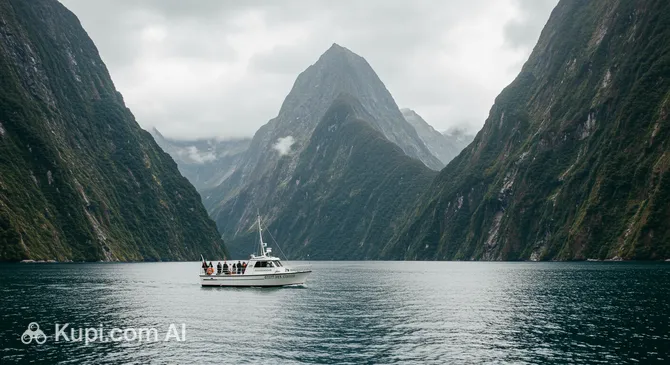
One of the top activities, without which a trip here is unimaginable, is a Milford Sound Cruise. During such a journey, you can fully appreciate the scale of the fjord, see sheer cliffs covered in dense vegetation, and, if you're lucky, spot fur seals, dolphins, or even penguins. Powerful waterfalls, such as Bowen and Stirling, plunge directly into the waters of the fjord, creating a breathtaking sight.

Milford Sound Cruise. Illustration.
Source: Kupi.com AI

Traveler photos:

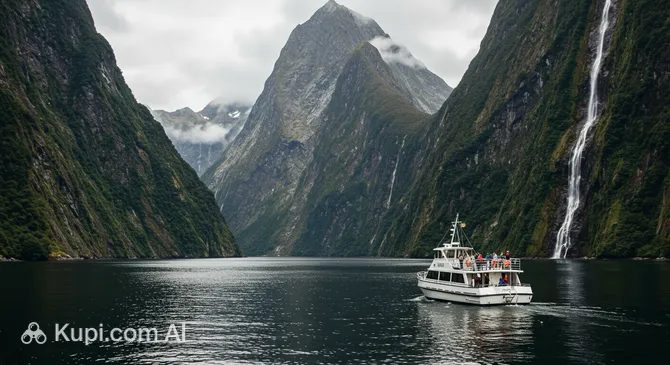
An integral part of any cruise and a symbol of Milford Sound is the majestic Mitre Peak. Mitre Peak Cruises allow you to view this iconic summit, rising nearly 1,700 meters straight out of the water, from all angles. Photos taken against its backdrop will be some of your brightest memories of New Zealand. The mountain earned its name due to its resemblance to a bishop's mitre.

Mitre Peak Cruises. Illustration.
Source: Kupi.com AI

Traveler photos:

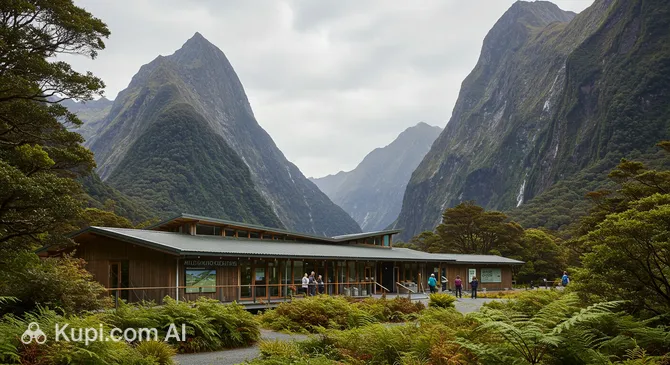
Before heading out to explore the fjord, it's worth stopping by the Milford Sound Visitor Centre. Here you can get all the necessary information about available tours, hiking trails, weather conditions, and the history of the region. It's a great place to plan your adventure, learn interesting facts about the local flora and fauna, and purchase souvenirs.

Milford Sound Visitor Centre. Illustration.
Source: Kupi.com AI

Traveler photos:

Local Cuisine

The gastronomic experience in Milford Sound is closely intertwined with its majestic nature. Since it is primarily a natural attraction rather than a city in the conventional sense, you won't find a scattering of restaurants and cafes here. However, this doesn't mean travelers go hungry. The main opportunities to enjoy local cuisine are provided during the numerous cruises through the fjord.

During a water excursion, such as a Milford Sound Cruise, tourists are often offered dishes reflecting New Zealand's culinary traditions. Special attention is paid to the freshest seafood, caught in the region's clean waters. Don't miss the chance to try the famous green-lipped mussels, succulent lobster (crayfish), or various types of local fish. Lunch or dinner on board a vessel sailing among sheer cliffs and waterfalls is a truly unforgettable experience.

While the choice of dishes within Milford Sound itself is limited to what's offered on cruise ships, in the broader context of the South Island region, you can become acquainted with iconic New Zealand specialties like tender lamb. New Zealand is famous for its lamb, and it is often featured on the menus of restaurants in the nearby tourist hubs from which fjord tours depart. Occasionally, you may also encounter traditional Maori dishes, such as "Hangi"—meat and vegetables cooked in an earth oven, which is a unique cultural and gastronomic experience.

As for drinks, cruise ships usually offer a selection of soft drinks, as well as New Zealand wines and beers. However, given the limited infrastructure at the fjord itself, it is strongly recommended to bring a sufficient supply of drinking water, especially if you plan on hiking. Many tourists also bring snacks for a picnic against the backdrop of breathtaking landscapes.

The food culture in Milford Sound is, above all, about enjoying a meal in the heart of nature. Whether it's a buffet lunch on board a comfortable vessel or a modest picnic with your own supplies at one of the lookout points, the main ingredient will always be the stunning view. The culinary scene here may not feature a variety of establishments, but it offers a unique experience of connecting with nature through delicious and fresh food.

Travel Tips

Planning a trip to the incredible Milford Sound? These practical tips will help you prepare for an unforgettable experience in one of the most picturesque and impressive corners of New Zealand!

  1. Clothing and Essentials: The weather in Milford Sound is very changeable and known for frequent rain year-round. Be sure to pack layered clothing, including a high-quality waterproof jacket and pants, even if you are visiting in summer. Comfortable, waterproof walking shoes are your best friend. Don't forget sunscreen (the sun can be strong even on cloudy days), a powerful repellent for the persistent sandflies, and an adapter for New Zealand outlets (Type I).
  2. Transportation: Milford Sound itself is a remote natural attraction, not a city in the conventional sense. Most visitors get here by tourist buses from Queenstown or Te Anau, or by rental car along the famous and incredibly scenic Milford Road (State Highway 94). Note that the road can be challenging, especially in bad weather, and requires careful driving. There is no public transport within the fjord itself; the main way to explore it is via water cruises.
  3. Finances: The local currency is the New Zealand Dollar (NZD). Credit and debit cards are accepted on cruise ships and at the single cafe/information center. However, there are no ATMs or currency exchange offices in Milford Sound itself. It is recommended to withdraw enough cash in advance in Queenstown, Te Anau, or other major cities. Tipping in New Zealand is not mandatory but is always appreciated for excellent service.
  4. Health and Safety: There are no medical facilities in Milford Sound. The nearest hospital is in Te Anau (about a 2-hour drive). Be sure to bring a basic first-aid kit with necessary medications. Main safety aspects are related to the changeable weather, conditions on the Milford Road, and water activities. Be prepared for a huge number of sandflies—use repellent and wear covered clothing where possible.
  5. Communication: The primary language is English. Mobile signal and Internet access (Wi-Fi) in Milford Sound and on much of the Milford Road are extremely limited or non-existent. Download offline maps and all necessary travel information in advance. It's best to purchase a local SIM card in major cities upon arrival in the country.
  6. Local Etiquette: New Zealanders, or "Kiwis" as they call themselves, are known for their friendliness and informal communication style. A simple "Hello" or "Hi" is perfectly fine for a greeting. A polite "Kia Ora" (traditional Maori greeting) will also be appreciated. The main rule is respect for nature. Milford Sound is part of Fiordland National Park and a UNESCO World Heritage site, so it's important not to leave trash and to follow established rules.
  7. What to Avoid: Strictly do not feed local wildlife, especially the Kea parrots. This harms their health, disrupts natural behavior, and can lead to the birds becoming aggressive or damaging cars. Also, do not underestimate the changeability of the weather and the difficulty of the Milford Road—always check the forecast and road conditions before heading out.
  8. Special Tip: Book fjord cruises and, if you plan to stay overnight, accommodation (such as Milford Sound Lodge) well in advance, especially if your trip is during the peak tourist season (December–February). Consider kayaking for a closer encounter with the fjord or a scenic flight by light aircraft or helicopter for spectacular views from above. And, of course, don't forget protection from sandflies—it's truly important for a comfortable stay!

Milford Sound is a truly magical place, and careful preparation will allow you to fully enjoy its incredible beauty. We wish you an unforgettable journey to this amazing corner of the planet!

Entertainment & Nightlife

Milford Sound, one of New Zealand's most breathtaking natural wonders, offers a truly unique experience for evening and nighttime leisure. Instead of noisy nightclubs and busy bar streets, you will find peace, majestic nature, and the opportunity to enjoy the silence of the fjord under a starry sky. Nightlife in Milford Sound is not about dancing until dawn, but about a deep connection with nature and contemplation.

Evening entertainment in Milford Sound is centered around a few lodges and tourist complexes. After a busy day exploring the fjord, guests usually gather in the restaurants or bars of their hotels. The atmosphere here is quiet and relaxed, perfect for socializing and sharing impressions. Many establishments offer panoramic windows, providing breathtaking views of the surrounding mountains and water even in the evening. There is generally no dress code—comfort and practicality are valued. Given the remote location, most places close relatively early.

A special nighttime activity in Milford Sound is stargazing. Due to the lack of light pollution, the sky here is incredibly clear, and the Milky Way is visible in all its glory. Some operators may offer evening walks or excursions focused on astronomy or nocturnal fauna, but this should be checked in advance. Safety in the area is very high; however, one should always exercise caution when moving around after dark, especially near water or on nature trails. Nighttime movement is mostly limited to your lodge's grounds; taxis are not common here for longer trips, so it's best to plan all movements in advance.

As for traditional nightclubs or dedicated nightlife districts, you won't find them in Milford Sound. This place is designed for nature lovers, and the infrastructure reflects that purpose.

Daytime entertainment here is truly magnificent and more than compensates for the quiet nights. The main reason thousands of tourists come here is, of course, the fjord cruises. You can set off on an unforgettable voyage, for example, by choosing a Milford Sound Cruise or enjoying the views during a Mitre Peak Cruise. These water trips allow you to see majestic cliffs, waterfalls, and, with luck, fur seals, dolphins, and penguins. It is also useful to visit the Milford Sound Visitor Centre, where you can learn more about the history, geology, and ecology of this unique location. There are no traditional museums or large amusement parks here, as the fjord itself and the surrounding Fiordland National Park are the main attractions and natural "rides."

Parks & Museums

Milford Sound is not just a settlement, but a true natural wonder where majestic fjords, dense forests, and cascading waterfalls are themselves the main attraction. While there are few traditional city parks and museums in the usual sense, the entire surrounding territory is a vast natural park, and cultural heritage is closely woven into the breathtaking landscapes.

The heart of the region is Fiordland National Park, part of the Te Wahipounamu World Heritage site. This park is a true paradise for nature lovers, offering countless opportunities for exploration. Milford Sound itself, the famous fjord, captivates the imagination with its sheer cliffs, such as Mitre Peak, and picturesque waterfalls, like Bowen and Stirling. The best way to appreciate its beauty is to take a Milford Sound Cruise, during which you can see fur seals, dolphins, and even penguins. For those who prefer active recreation, there are many hiking trails of varying difficulty, allowing for a deeper immersion into the untouched nature.

Milford Sound Cruise. Illustration.
Source: Kupi.com AI

Traveler photos:

One of the most iconic views and a popular subject for photography is Mitre Peak. Special Mitre Peak Cruises allow you to enjoy its majestic view from the water, offering unique angles and unforgettable impressions of this natural wonder.

Mitre Peak Cruises. Illustration.
Source: Kupi.com AI

Traveler photos:

Instead of traditional museums, the primary source of information about the region is the Milford Sound Visitor Centre. Here, visitors can learn many interesting things about the fjord's geology, its unique flora and fauna, and the rich history and culture of the Maori, the indigenous people of these lands. The center's exhibits help to better understand the fragility of this ecosystem and the importance of its preservation. It's a great place to start your introduction to Milford Sound and plan further explorations.

Milford Sound Visitor Centre. Illustration.
Source: Kupi.com AI

Traveler photos:

For closer contact with nature, consider going kayaking on the fjord—this will allow you to explore hidden corners and see the waterfalls from a completely different perspective. Also, to avoid the large crowds, try to plan your visit for early morning or later in the evening when most tour groups have already left, which will give you a more secluded and authentic experience.

Getting Around

Milford Sound, being one of the most famous fjords and natural wonders, offers a unique transportation system geared toward tourists wishing to explore its beauty. There is no traditional urban public transport like subways or trams here, as it is essentially a remote natural attraction rather than a settlement with developed urban infrastructure.

The main way to reach Milford Sound and move around to see its sights is through organized tourist services. Most visitors arrive here as part of bus tours from nearby towns like Te Anau or Queenstown. These tours often include a cruise on the fjord itself, which is the primary way to explore it.

Specifically for exploring the fjord, cruise ships from various companies are used. This is the main "transport" within Milford Sound. Options vary in duration and comfort, from short sightseeing tours to longer journeys that allow you to see waterfalls, sheer cliffs, and, if you're lucky, marine life. Payment is made for a specific cruise or tour package. It is recommended to book tickets in advance, especially during the peak tourist season, which can be done online or through tourist information centers.

For more active tourists, kayaking on the fjord is offered. This allows for a closer encounter with nature and the chance to enjoy the silence of the water's surface. Such tours are also organized by specialized companies and require advance booking. Cruise and kayak tour hours usually cover daylight hours but may vary depending on the season and weather conditions.

An alternative to land and water transport are scenic flights by small aircraft or helicopters, which offer breathtaking views of the fjord and the surrounding Fiordland National Park from above. Some companies offer combined tours that include a bus transfer, a cruise, and a return flight. In Milford Sound itself, there are no taxi or car-sharing services in the urban sense, as all infrastructure is geared toward serving tourist flows to natural sites.

Practical tip: When planning a trip to Milford Sound, always check current schedules and tour availability with operators, take into account the changeable weather, and book services well in advance to guarantee yourself a spot, especially if your trip falls on popular dates.

Accommodation

When planning an overnight stay in Milford Sound, it's important to understand that this is a unique natural site, not a typical city, so the choice of accommodation here is very specific and limited. The main focus is on immersion in the incredible beauty of the fjord and unity with nature.

In Milford Sound itself, the choice of accommodation options is small. Primarily, these are comfortable lodges offering privacy and stunning views. One of the main places to stay is the Milford Sound Lodge, which offers various types of rooms and chalets. It is also worth considering the unique opportunity to stay overnight on board one of the cruise ships—this is an unforgettable experience that allows you to enjoy the silence and grandeur of the fjord after the daytime tourist groups have departed. Some companies offer this format as part of a Milford Sound Cruise service, where cabins, dinner, and breakfast are provided on board.

Milford Sound Cruise. Illustration.
Source: Kupi.com AI

Traveler photos:

You won't find a wide range of budget hostels, numerous hotels of various star ratings, or a large selection of apartments for rent here, as you would in major cities. All available options are designed to bring you as close to nature as possible and ensure a comfortable stay in this remote corner.

Key booking tip: Due to the extremely limited number of spaces and very high demand, especially during peak season (usually from December to February), accommodation in Milford Sound must be booked well in advance. It is recommended to plan and reserve your stay many months, and sometimes even a year, before your intended trip.

The price range for accommodation in Milford Sound generally falls into the medium and high segments. This is due to the exclusivity of the location, limited supply, and the uniqueness of the experience. It is most convenient to book directly through the service providers' websites (e.g., the lodge or cruise companies) or through specialized online travel platforms that offer tours and accommodation in this region of New Zealand.

Nearby Cities

For those looking to explore the surrounding area, Milford Sound serves as an excellent starting point for day trips to several interesting nearby locations:

CityPopulationDistance
Queenstown28 40074 km
Macetown16 60078 km
Te Anau2 25087 km
Wanaka8 90099 km
Alexandra5 940135 km

Queenstown, located just 74 km away, is one of the most popular destinations for a day trip. Known as the adventure capital of the world, this city offers an incredible variety of activities, from bungee jumping and jet boating to scenic hiking trails and cruises on Lake Wakatipu. Stunning views of the Remarkables mountain range and the lake itself make Queenstown a must-visit.

If you're looking for something quieter but no less interesting, consider a trip to Invercargill, located about 200 km away. It is one of the southernmost cities in the world, offering a look into the region's rich heritage. Here you can visit museums, including the famous transport and classic motorcycle museum, stroll through beautiful parks like Queens Park, and enjoy the unique atmosphere of this hospitable city.

These nearby destinations provide insight into the diverse culture and landscapes of the region.

Shopping & Souvenirs

Milford Sound is, first and foremost, a natural wonder, and shopping here is not the main purpose of a trip. Shopping opportunities are quite limited and primarily focused on souvenirs and essential goods for tourists. The town is not famous for any specific goods or types of shops, except for those reflecting the natural beauty and culture of New Zealand.

In Milford Sound, there are no traditional shopping streets or districts with a variety of stores. The main place to purchase souvenirs, books about the region, postcards, and some essential items is the Milford Sound Visitor Centre. Information about local tours and activities is also usually available here.

You won't find any large shopping centers in Milford Sound. This is a remote location focused on ecotourism, so the infrastructure is minimalistic and aimed at preserving the natural environment.

Additionally, there are no traditional food or flea markets in Milford Sound. It is best to bring everything you need for a short stay with you, although basic snacks and drinks may be available at the cafe or small shop at the visitor center or on cruise ships.

If you want to bring something back as a keepsake from Milford Sound, look for souvenirs featuring images of the fjord, Mitre Peak, and local fauna. Popular items include New Zealand greenstone (pounamu) jewelry, merino wool products, and books or photo albums dedicated to the beauty of Fiordland. All of these can generally be found in the visitor center mentioned above.

Shop hours (mostly the souvenir shop in the visitor center) usually coincide with the center's operating hours and are geared toward tourist flow, meaning primarily during the daytime. Throughout New Zealand, major international credit cards (Visa, MasterCard) are widely accepted, and you can also pay with cash in New Zealand dollars (NZD).

In New Zealand, there is a tax refund system on goods and services (GST) for tourists, known as Tax Free. Generally, this applies to large purchases, and the refund is processed upon leaving the country. For small souvenir purchases in Milford Sound, this system will likely not be relevant, but if you make significant expenditures in other parts of the country, it's worth checking the tax refund conditions.

Reached the end of the page?

That means the route is fully explored