Support

Sandnes

About

Sandnes is a cosy and dynamically developing city located in southwestern Norway, in the picturesque county of Rogaland. It is situated just a few kilometres south of the larger city of Stavanger, forming one of the country's largest urban areas with it. The population of Sandnes is about 237,000 people, making it an important regional hub.
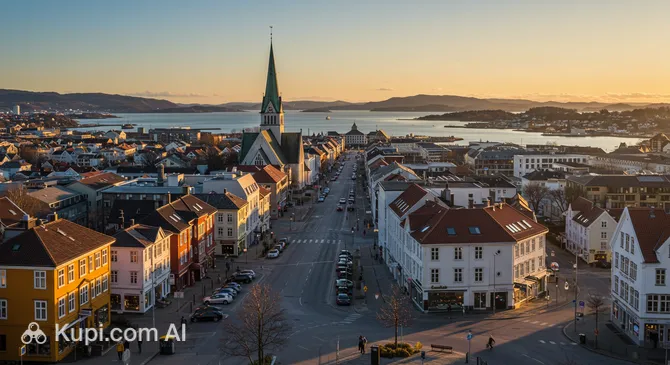
Sandnes. Illustration.
Source: Kupi.com AI

The city is unique for its geographical location in the heart of the traditional Jæren region. Here, urbanised areas harmoniously coexist with spacious rural landscapes, fjords, and green hills. This feature gives Sandnes a special charm: you can enjoy city life while easily finding yourself in the lap of nature. The city is known for its friendly atmosphere and well-developed infrastructure, offering excellent opportunities for sports and outdoor recreation.

Among the attractive features of Sandnes are its picturesque waterfront, ideal for leisurely walks, and its close proximity to the natural beauty of the Jæren region, making it a great starting point for hiking and cycling routes. It is also worth noting the convenient connections to Stavanger, allowing you to easily combine exploring its cultural sites with a peaceful holiday in Sandnes. This is a wonderful place for those looking for a combination of Norwegian authenticity, peaceful nature, and opportunities for active pastimes. Come to Sandnes to discover this welcoming and multi-faceted corner of Norway!

You can find more interesting facts on the history of Sandnes page.
Weather Overview

The weather in Sandnes is characterised by a temperate maritime climate. Summers here are usually cool and damp, with average temperatures in July and August around 13-15°C, while maximum values can reach 16-17°C. Winters are mild but also with high precipitation; average temperatures in January and February hover around 2-3°C. Precipitation is distributed fairly evenly throughout the year, with the highest number of rainy days in the autumn-winter period, especially in October. The least amount of precipitation falls in April. Expect cool, damp summers and mild, very rainy winters. For a more detailed forecast and weather information by month, you can check the data on the Sandnes Climate page.

Average monthly temperature

Average monthly precipitation

Interesting Facts

Beyond its picturesque landscapes and modern amenities, Sandnes holds many surprising stories and features. This city, harmoniously combining tradition and innovation, is ready to share its secrets with the curious traveller.

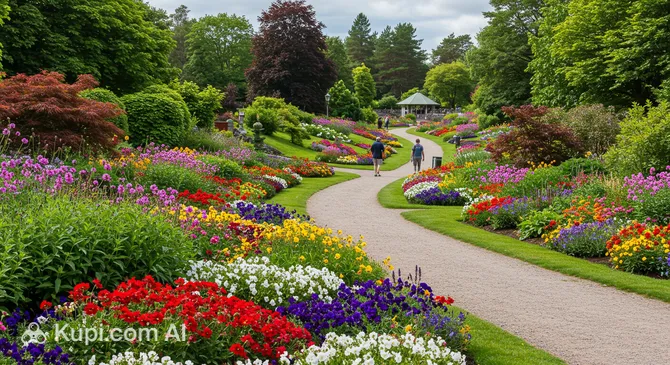
Sandved Park. Illustration.
Source: Kupi.com AI

Traveler photos:

  • For a long time, Sandnes was known as a centre for pottery production. Famous ceramic factories were located here, and their products were distributed throughout the country. In memory of this past, the city has a Ceramics Museum where you can learn about the region's craft traditions.

  • The city is rightfully considered one of the most "bicycle-friendly" in Norway. Not only are cycling races and marathons regularly held here, but many picturesque hiking and cycling routes also begin here, for example, through Sandved Park, leading through the scenic Jæren region.

  • Sandnes is among the fastest-growing cities in Norway. This rapid growth is largely due to its advantageous location and proximity to Stavanger, the country's oil capital. This symbiosis of modernity and tradition has led to the emergence of many innovative projects in Sandnes, especially in the field of ecotourism and urban greening.

  • Sandnes is famous for its multicultural community. Many representatives of different nationalities live in the city, which is reflected in local holidays and gastronomic festivals. It is a place where Norwegian traditions are organically combined with modern European trends.

How to Get There

When planning a trip to this Norwegian city, it is important to think about the route in advance. Sandnes has excellent transport accessibility thanks to its proximity to the region's major transport hubs. You can find out more about how to get to Sandnes by studying various route options, but air travel remains the main way for international tourists to arrive.

The most convenient option is Stavanger Airport, Sola (SVG). There is no airport in the city of Sandnes itself, but this hub is located in the city of Stavanger, just 6.1 km from the centre of Sandnes. This is a major international airport with a high passenger flow, receiving flights from many European capitals. Thanks to its close location, the journey to your hotel will take very little time: a taxi or bus ride lasts about 30 minutes.

As an alternative, you can consider Bergen Airport (BGO), located in the city of Bergen. This is the largest transport hub on the west coast, but it is located significantly further away — about 163 km from Sandnes. Travelling from here will require a transfer to a train, bus, or car rental, and the journey will take about 4.5 hours. There is also the option of arriving at Haugesund Airport (HAU), which is in the city of Haugesund (about 62.5 km from Sandnes); the journey from there will take approximately 2 hours.

For clarity, here is a summary of the main airports:

AirportPassenger trafficDistance
Stavanger Airport Sola3.5 mln6 km
Haugesund Airport596 65163 km
Kristiansand Airport1.1 mln155 km
Bergen Airport6.5 mln163 km
Torp Sandefjord Airport1.9 mln263 km

Rail travel is another picturesque way to reach the region. Although Sandnes has its own railway station, many tourists use the large stations of neighbouring cities as transit points. For example, Bergen Railway Station (QFV) in Bergen is the terminus of the famous Bergen Railway. It is located about 164 km from Sandnes. From there, you can continue your journey by bus or local train.

You can also use the route via Kristiansand Railway Station (XKR), located in the city of Kristiansand, about 153 km from Sandnes. This is an important transport hub in southern Norway, from where it is convenient to reach the Rogaland region by bus or rental car.

Below is a table with information about the nearest major railway stations:

StationPassenger trafficDistance
Kristiansand Railway Station153 km
Bergen Railway Station2.2 mln164 km

In general, the fastest and most common way to get to Sandnes is to fly to the airport in Stavanger followed by a short overland trip. If you prefer land travel, the road network and bus services in Norway are excellently developed, allowing you to comfortably reach the city from anywhere in the country.

Main Attractions

Sandnes, nestled in the Norwegian province of Rogaland, offers its guests a variety of places for relaxation and entertainment. The city boasts both natural beauty and modern centres for shopping and leisure, capable of satisfying the interests of a wide range of travellers.

One of the city's main gems and a popular spot for relaxation is Sandved Park. This picturesque park stretches along the Stokkabekken river and attracts visitors with its well-maintained paths, lush greenery, and peaceful atmosphere. It is an ideal place for leisurely strolls, family picnics, or simply enjoying nature without leaving the city limits. Various plants and birds can often be seen in the park, making it attractive for nature lovers.

For those who prefer shopping and modern entertainment, the Kvadrat Shopping Centre is worth a visit. As one of the largest shopping complexes in the region, it offers a huge selection of shops from various brands, ranging from clothing and electronics to home goods. Additionally, there are numerous cafes and restaurants, a cinema, and other entertainment venues, making it a great place to spend leisure time with family or friends.

Kvadrat Shopping Centre. Illustration.
Source: Kupi.com AI

Traveler photos:

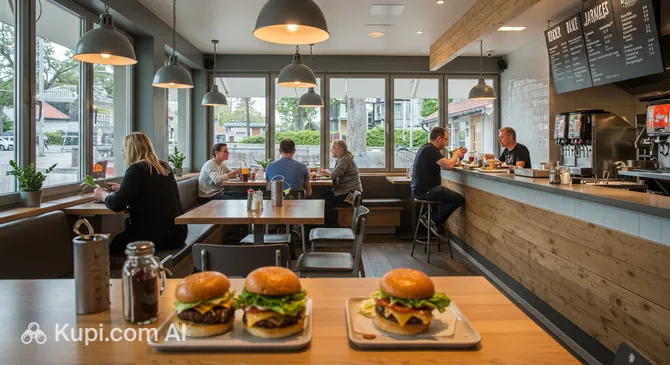
If you want a tasty bite while walking around the city, look out for Hekkan Burger Sandnes. This establishment is known for its mouth-watering burgers made from fresh ingredients. Visitors appreciate it for its quality food, pleasant atmosphere, and the opportunity to have a quick and satisfying meal. The variety of the menu allows everyone to find something to their taste.

Hekkan Burger Sandnes. Illustration.
Source: Kupi.com AI

Traveler photos:

Local Cuisine

The cuisine of Sandnes, like the entire Jæren region, is famous for its freshness and simplicity, offering guests unforgettable gastronomic experiences. The basis of the local table is seafood — the freshest salmon, cod, mussels, and shrimp are prepared here in many ways, preserving their natural taste. Travellers should definitely try traditional Norwegian dishes, which focus on seasonal products: potatoes, root vegetables, and fragrant northern berries.

Among the dishes that must be included on your tasting list in Sandnes are "fiskekaker" — tender fish cakes that can be found both on the menus of cosy cafes and at busy street markets. For more adventurous gourmets, there is "rakfisk" — fermented fish with a distinctive taste. Another interesting local dish is "klemming", potato flatbreads often served with smoked fish or cheese. Those with a sweet tooth will enjoy the aromatic pastries with cinnamon and vanilla, as well as homemade jams made from forest berries.

As for drinks, Norwegians, and Sandnes residents are no exception, are very fond of coffee, which will warm you up on a cool day, especially when paired with hot waffles. You should also pay attention to local beers and, perhaps, traditional Scandinavian akvavit if you prefer alcoholic beverages. Non-alcoholic options often include fruit drinks and beverages based on local berries.

The food culture in Sandnes is diverse. Locals and tourists can enjoy a meal in numerous restaurants offering both traditional Norwegian and international cuisine. For example, you can stop by Hekkan Burger Sandnes to try modern variations of popular dishes. Farmers' markets hold a special place — they are a real gastronomic adventure where you can taste and buy fresh cheeses, including the famous Norwegian brown cheese "brunost," local sausages, and other delicacies. Street food courts are also popular, offering quick and tasty snacks.

The Sandnes gastronomic scene attracts with its authenticity and use of quality local products. In summer and autumn, food festivals often take place in the city, providing an excellent opportunity to get acquainted with the region's culinary traditions, participate in masterclasses, and try rare delicacies prepared only here. This makes Sandnes an attractive destination for those who appreciate delicious and natural food.

Travel Tips

Planning a trip to Sandnes? Wonderful! To ensure your journey through this cosy city in Norway goes smoothly and leaves only pleasant impressions, we have prepared some practical tips.

  1. Clothing and essentials: The weather in the Rogaland region, where Sandnes is located, can be changeable even in summer. The key to comfort is layering. Be sure to bring a waterproof and windproof jacket, a warm sweater, or a fleece. In summer, T-shirts and light trousers will come in handy, but a light jacket won't hurt either. In winter, very warm clothing will be required. Don't forget comfortable, preferably waterproof, shoes for walking. Electrical outlets here are Type F (European standard), so an adapter likely won't be needed for most European plugs, but it's best to check your appliances' compatibility.
  2. Transport: It is convenient to get around Sandnes and its surroundings by public transport. The main carrier is the company Kolumbus, offering an extensive network of bus routes. There are also suburban trains connecting Sandnes with Stavanger and other cities. Taxis are available, but they are a rather expensive option. Car hire can be justified if you plan to explore the fjords and natural beauty of the region independently.
  3. Finances: The local currency is the Norwegian Krone (NOK). You can exchange currency at banks or official exchange offices. Norway is a country with a high level of cashless payments, so credit and debit cards (Visa, Mastercard) are accepted almost everywhere. International cards usually work without problems. ATMs (Minibank) are easy to find. Keep in mind that Norway is one of the most expensive countries in Europe. Tipping is usually not mandatory, but you can round up the bill in a restaurant (5-10%) for good service.
  4. Health and safety: Sandnes, like Norway in general, is considered a very safe city. Observe standard precautions. Pharmacies (Apotek) are in the city, but there may be few 24-hour ones; check the addresses of duty pharmacies in advance. To receive medical assistance, tourists need valid medical insurance. In emergencies, call 113.
  5. Communication: The official language is Norwegian. However, most Norwegians, especially young people and service workers, speak English excellently. Learning a few basic phrases in Norwegian, such as "Hei" (Hello) and "Takk" (Thank you), will be a nice gesture. A SIM card for mobile internet can be purchased at the shops of local operators (e.g., Telenor, Telia) or some supermarkets. Wi-Fi is widely available in hotels, cafes, and public places. Useful apps include Kolumbus (for planning public transport trips) and Yr.no (for weather forecasts).
  6. Local etiquette: Norwegians value politeness, punctuality, and personal space. A handshake is common when meeting. Try not to be noisy in public places. The greeting "Hei" (Hi) is universal. Norwegians take great care of nature, so cleanliness and order are the norm.
  7. What to avoid: Try not to compare Norway with neighbouring Scandinavian countries, especially in a negative light, as Norwegians are very proud of their identity. It is categorically unacceptable to leave litter in nature or in public places – this can cause serious disapproval.
  8. Additional tip: Sandnes is a wonderful starting point for exploring famous natural attractions such as Lysefjord, Preikestolen (Pulpit Rock), and Kjeragbolten. If you have time, be sure to plan an outing into nature. Also keep in mind that many shops may have shorter working hours on Saturdays and be closed on Sundays.

We hope these tips help you better prepare for your trip and get the most out of your stay in beautiful Sandnes and its picturesque surroundings!

Entertainment & Nightlife

When the sun sets, Sandnes offers its guests and residents various opportunities for evening and night-time relaxation. Although the city may not be as bustling as major metropolises, you can find cosy places here to unwind after a busy day or dance until late at night. The main nightlife is usually concentrated in the city centre, where bars and some restaurants that stay open late are located.

The atmosphere in Sandnes establishments is usually quite relaxed and friendly. The crowd here is mixed, ranging from young people to middle-aged adults. Most bars and pubs do not require a strict dress code; casual style prevails. Friday and Saturday evenings are the liveliest times when the venues fill with visitors. Many bars offer a good selection of local and imported beers, as well as cocktails.

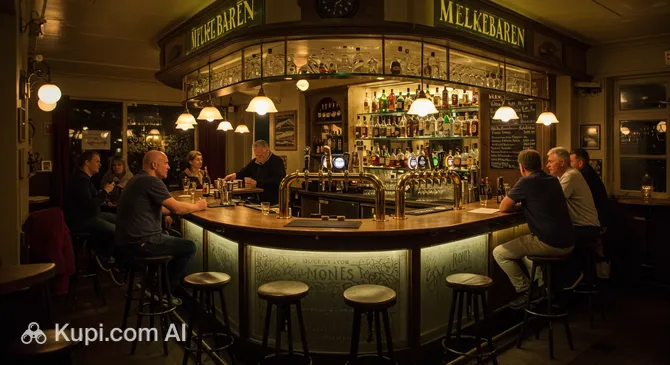
Melkebaren. Illustration.
Source: Kupi.com AI

Traveler photos:

Among the popular spots for evening pastimes is the bar Melkebaren, famous for its atmosphere and selection of drinks. Another place worth checking out is Pontus, where you can also have a pleasant evening. While there may not be many specialised nightclubs in Sandnes, some bars transform into dance floors with DJs or live music on weekends.

When planning an evening out, keep in mind that most places start to fill up closer to 10:00 PM – 11:00 PM. Drink prices can vary but generally correspond to Norwegian levels. You can get around the city at night by taxi, which is easy to call by phone or through mobile apps. The central areas of Sandnes are considered safe enough for night walks, but it is always worth taking standard precautions.

During the day, Sandnes also offers plenty of interest. Guests can visit local museums to learn about the region's history and culture or stroll through picturesque parks such as Sandved Park. For shopping enthusiasts, the doors of shopping centres are open, such as the Kvadrat Shopping Centre or Maxi Sandnes, where a variety of goods and souvenirs can be found.

Parks & Museums

Sandnes, comfortably situated in the Norwegian region of Rogaland, offers its guests a harmonious combination of picturesque green areas for outdoor relaxation and interesting cultural sites that introduce the history and traditions of this land.

One of the city's main green gems is Sandved Park. This long park along the Storåna river is ideal for leisurely walks, picnics, and active recreation. Here you can enjoy well-kept lawns, flower beds, playgrounds, and sculptures. For lovers of wilder nature, the surroundings of Sandnes offer many hiking opportunities, such as the popular routes up Dalsnuten mountain, which offers breathtaking views of the fjords and surrounding landscape, or the Melshei forest park area, wonderful for walking and cycling.

Sandved Park. Illustration.
Source: Kupi.com AI

Traveler photos:

For those interested in science and technology, a must-visit is the Vitenfabrikken (Science Factory). This is an interactive museum for the whole family where you can learn a lot about astronomy, the history of Sandnes related to bicycle production and pottery, and participate in fascinating experiments. Another interesting place to get acquainted with local culture is the Sandnes Museum, which tells the story of the city and region, particularly its famous ceramics. You can also find small art galleries in the city presenting works by local artists.

Strolling through Sandnes, look out for the preserved historical buildings that recall the city's past as an important centre of pottery production. Some old factory buildings have been carefully restored and now serve as cultural or commercial spaces, adding a special charm to the city. The area around the harbour has also retained part of its historical appearance.

To dive deeper into the atmosphere of Sandnes, visit one of the local pottery workshops if you get the chance, or walk along the waterfront enjoying views of the Gandsfjorden. It is also worth exploring the lesser-known walking trails around the city for a secluded connection with nature.

Getting Around

Getting around Sandnes and its surroundings is quite convenient thanks to a well-developed public transport system, where buses and regional trains play a key role. The main public transport operator in the region, including Sandnes, is the company Kolumbus.

Main types of transport:

Buses: This is the most extensive public transport network in Sandnes, covering both the city centre and its suburbs. Kolumbus buses run according to a schedule that can be found at stops, on the official Kolumbus website, or in their mobile app. Routes connect Sandnes with neighbouring cities, including Stavanger.

Trains: The Jærbanen railway line passes through Sandnes, which is an important transport artery connecting the city with Stavanger to the north and Egersund to the south. Trains run quite frequently and are a fast way to reach Stavanger and other settlements along the coast. Sandnes Sentrum station is the city's central railway hub.

Payment system and tickets:

A unified system is used for paying for travel on Kolumbus buses and trains. There are various types of tickets:

  • Single tickets: Valid for one trip within a certain zone. The approximate cost of such a trip within one zone can be around 40-50 Norwegian kroner when purchased in advance.
  • 24-hour tickets: Allow an unlimited number of trips for 24 hours in selected zones. The approximate price of such a ticket can be around 100-120 Norwegian kroner for one or two zones.
  • 7-day and 30-day tickets (period passes): Advantageous for long stays and frequent trips.

Tickets can be purchased in several ways:

  • Kolumbus Billett mobile app: The most convenient way to buy and store tickets.
  • Ticket machines: Located at some major stops and stations.
  • Kolumbus customer service points.
  • On board the bus from the driver: This is usually more expensive than buying in advance (a surcharge of about 20 kroner may apply).
  • Kolumbus Reisekort: A reloadable transport card on which you can load tickets or use as an e-wallet.

The fare depends on the number of zones crossed. Sandnes and Stavanger are often in the same or adjacent zones for many popular routes. It is always best to check the exact cost for a specific route and ticket type in the app or on the Kolumbus website.

Practical tips for tourists:

  • Plan your route: Use the trip planner on the Kolumbus website or in their app to build the optimal route.
  • Buy tickets in advance: This is usually cheaper, especially if you avoid buying from the driver.
  • Ticket validation: Mobile tickets must be activated before boarding and presented to the driver or inspector. Paper tickets are also presented to the driver. The Kolumbus Reisekort card needs to be tapped against the reader when entering.
  • Operating hours: Public transport runs regularly during the day, but the frequency of trips may decrease in the evening and on weekends. Night buses may run on main routes on Friday and Saturday.

Alternative ways of moving around:

Taxi: Taxi services are available in Sandnes, but as in all of Norway, it is a rather expensive form of transport. A car can be ordered by phone or found at special ranks.

Bicycle rental: The "Bysykkelen" city bike system operates in the Stavanger and Sandnes region, which can be a convenient and pleasant way for short trips, especially in good weather. Cycle paths are well-developed.

Walking: Sandnes city centre is quite compact, and many interesting places are within walking distance of each other.

In general, public transport in Sandnes is well-organised and allows you to easily reach most places of interest for tourists both in the city itself and in its surroundings, including convenient connections to Stavanger.

Accommodation

In Sandnes, travellers will find a variety of accommodation options to suit different preferences and budgets. The city offers a wide choice: from modern middle-class hotels and cosy guest houses to apartments for short-term rent. For those looking for more space, a home-like feel, or planning a long stay, various apartment and holiday home options are also available.

When choosing a place to stay in Sandnes, it is worth paying attention to the central areas of the city, from where it is easy to reach the main shops, restaurants, and cultural sites. Options located near transport hubs can also be convenient, facilitating movement around the city and its surroundings.

When planning a trip to Sandnes, especially during the peak tourist season, it is recommended to book accommodation in advance. This will not only guarantee availability but also allow you to choose the most suitable option in terms of price and quality. The main booking methods are popular online platforms and travel aggregators, as well as direct booking through hotel websites.

The price range for accommodation in Sandnes varies: you can find both economical options for budget travellers and more expensive offers in hotels with a high level of service. The cost also depends on the season, location, and type of accommodation.

Nearby Cities

For those who want to explore the surrounding area, Sandnes serves as an excellent starting point for day trips to several interesting nearby locations.

Very close by is Stavanger, a large city with a rich history, a picturesque old centre (Gamle Stavanger), and a convenient base for exploring the fjords, including trips to the famous Preikestolen cliff. Beach lovers will enjoy a trip to Sola, known for its long sandy beaches. And for an introduction to Viking history and maritime traditions, you can head to Haugesund.

CityPopulationDistance
Froyland20 3538 km
Kleppe20 16310 km
Stavanger237 36913 km
Bryne12 46514 km
Time19 35314 km

These nearby destinations allow you to get a more complete picture of the diverse culture, history, and impressive landscapes of the Rogaland region.

Shopping & Souvenirs

Shopping in Sandnes offers a pleasant combination of modern shopping centres and cosy street shops, where you can find both well-known brands and local Norwegian goods. The city is not famous for any highly specialised goods, but here you will find high-quality clothing, Scandinavian-style interior items, and, of course, traditional Norwegian souvenirs.

The main shopping activity in Sandnes is concentrated in the city centre, especially along the pedestrian street Langgata. This is the city's oldest street, home to a variety of boutiques, clothing, footwear, and jewellery stores, as well as cafes and restaurants where you can relax between purchases. A walk down this street is a pleasure in itself thanks to the preserved architecture and lively atmosphere.

For those who prefer shopping under one roof, there are several large shopping centres in Sandnes and its surroundings. One of the most popular is the Kvadrat Shopping Centre, which is actually located slightly away from the centre but is easily accessible by transport. This is one of Norway's largest shopping centres, offering a huge selection of shops, from clothing and electronics to home goods and restaurants. Another notable shopping centre directly in the city is Maxi Sandnes, offering a good range of goods and services.

Kvadrat Shopping Centre. Illustration.
Source: Kupi.com AI

Traveler photos:

Although Sandnes is not famous for large traditional markets like some other European cities, seasonal fairs or farmers' markets may be held from time to time where you can buy local products and handmade items. It is worth checking for information on such events closer to your travel date, as they are usually temporary.

As souvenirs from Sandnes and Norway in general, it is worth paying attention to woollen products (sweaters, hats, mittens with traditional patterns), troll figurines, pewter or silver items, as well as local delicacies such as smoked salmon, brunost cheese, or berry jams. More modern Scandinavian-style design items can also be found in the city's shops.

Shops in Sandnes usually operate Monday to Friday from approximately 10:00 AM to 6:00 PM – 8:00 PM, and on Saturdays until 4:00 PM – 6:00 PM. Large shopping centres may have longer opening hours. Sunday is typically a closing day for most shops, except for some small souvenir shops or grocery stores. The main method of payment is bank cards, which are accepted almost everywhere. Cash is also used, but less frequently.

For tourists from countries outside the EU/EEA, a Tax Free system operates in Norway. This means that when purchasing goods for a certain amount in participating shops, you can arrange a VAT refund. Look for the Tax Free logo in shop windows and don't forget to ask for a special tax refund cheque, which you will need to present at customs when leaving the country.

Reached the end of the page?

That means the route is fully explored