Support

Egersund

About

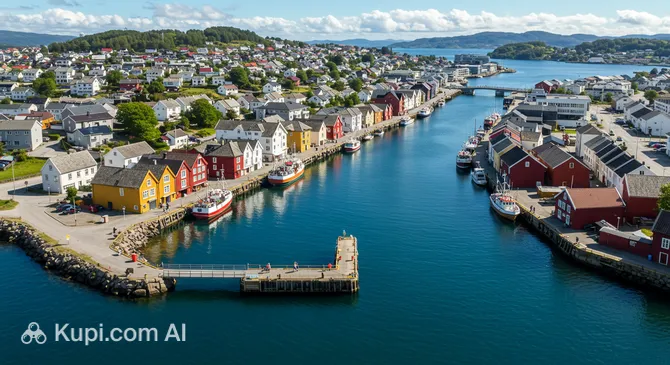
Egersund is a cozy and picturesque town located on the rugged southwestern coast in the Rogaland region. In this corner of Norway, the country reveals its most hospitable side, boasting one of the finest natural harbors in the land. With a population of just over 11,000, the town maintains an intimate atmosphere, perfect for those looking to escape the hustle and bustle of major cities and enjoy coastal scenery.

Egersund. Illustration.
Source: Kupi.com AI

The town's architectural character lends it a special charm. The center of Egersund is a labyrinth of old wooden houses, many of which have been perfectly preserved since the mid-19th century, creating the feeling of a journey back in time. The rich history of Egersund is inextricably linked to seafaring, fishing, and its famous faience production, which once made the region renowned throughout Europe.

For tourists, the town offers a unique blend of cultural and natural discoveries. Egersund is situated within the UNESCO-listed Magma Geopark, where visitors can see rare rock formations and landscapes reminiscent of the moon's surface. Outdoor enthusiasts are sure to head for Trollpikken—an unusually shaped geological formation that has become a true symbol of the region. It is also worth visiting the Faience Museum to appreciate the elegance of the local master craftsmen of the past.

A visit to Egersund will provide unforgettable memories of strolling through historic streets and taking in the breathtaking views of the rugged Scandinavian nature. It is a wonderful place to stop while traveling along the coast, where you can breathe in the fresh sea air and experience authentic Norwegian hygge.

Weather Overview

Egersund's climate is determined by its coastal position in the Rogaland region: a mild but quite humid weather prevails here. The ocean tempers temperature fluctuations, preventing severe frosts in winter and exhausting heat in summer. Before your trip, it is recommended to check the current weather in Egersund to choose your wardrobe correctly.

The summer season, from June to August, brings comfortable freshness. The average air temperature during this time is 13–15°C, and maximum values rarely exceed 16–17°C. Although this is the most pleasant time for tourism, rain is a frequent guest: 15 to 18 days of precipitation are recorded in the summer months.

Winters here are warmer than in many other parts of Norway. In January and February, the thermometer stays on average at 1–2°C, rarely falling below zero. However, autumn and winter are the gloomiest times: in October and January, the number of rainy days can reach 22–23 per month. Expect a cool summer with frequent cloud cover and mild but very humid winters.

Average monthly temperature

Average monthly precipitation

Interesting Facts

Beyond its main attractions, Egersund holds many fascinating secrets and stories that make it a truly special place on the Norwegian map.

  • A Walk on the "Moon." Egersund is located within the Magma Geopark, and the ground beneath your feet here is truly unique. The local rock—anorthosite—is geologically identical to the rock that covers the light areas of the Moon's surface. It is one of the few places on Earth where you can literally touch a lunar landscape.

  • The Return of the Rock. The famous Trollpikken rock, resembling a distinctive protrusion, fell victim to vandals in 2017 who intentionally broke it off. However, local residents showed incredible solidarity: funds were raised in record time, and with the help of special equipment and glue, the 12-ton stone fragment was hoisted back to its rightful place.

  • "Our Town." Egersund residents are very patriotic and often use the unofficial name for the town—"Okka by." In the local dialect, this translates to "Our town." You will surely see this phrase on souvenirs or hear it in the locals' conversations.

  • A Christmas Fairytale. Egersund is widely known in Norway as Julebyen ("The Christmas Town"). Since 2004, it has hosted one of the most atmospheric Christmas markets in the country, attracting tourists from across the region and turning the quiet town into a festive capital.

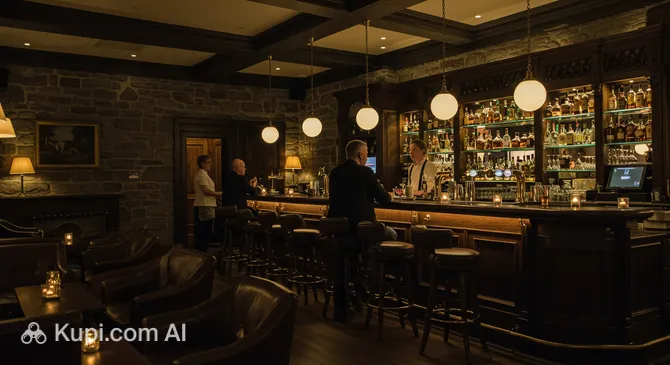
  • Architectural Heritage. The town center is considered one of the best-preserved wooden settlements in Norway. Among the historic buildings, the majestic hotel built at the end of the 19th century stands out, housing The Bar at Grand Hotel Egersund—a place where you can feel the spirit of a bygone era.

Grand Hotel Egersund Bar. Illustration.
Source: Kupi.com AI

Traveler photos:

How to Get There

When planning your journey to this picturesque corner of Norway, you will find that the road here can be just as exciting as the stay itself. Egersund is well-positioned at the intersection of important transport routes, making it easy to reach. You can explore all the ways to get to the city in detail on our dedicated page, but here we will cover the region's key transport hubs.

The most convenient way to arrive by air is via Stavanger Airport Sola (SVG). This is a major international gateway located just 51.8 km from Egersund. From the airport, you can quickly reach the town by rental car or public transport, making it the top choice for most travelers.

Alternatively, you could consider Haugesund Airport (HAU). It is located in the town of Haugesund, at a distance of about 109.5 km. This is a less busy regional airport that might be suitable if you are planning a road trip through the fjords.

Another important southern hub is Kristiansand Airport (KRS), located 125.3 km from Egersund. It is convenient for those looking to combine their trip with a visit to the southernmost part of the country.

Below is a summary table of the nearest airports for comparison:

AirportPassenger trafficDistance
Stavanger Airport Sola3.5 mln52 km
Haugesund Airport596 651110 km
Kristiansand Airport1.1 mln125 km
Bergen Airport6.5 mln210 km
Torp Sandefjord Airport1.9 mln259 km

The rail connection deserves special attention. Traveling to Egersund by train is an opportunity to enjoy magnificent landscapes. The town is served by Egersund station, which sits on the famous Sørlandsbanen (Southern Line). Regular trains run from Stavanger (approx. one hour travel time) and Oslo (via Kristiansand).

If you are arriving from further afield, your transfer points may be the major stations of neighboring cities:

The Kristiansand Railway Station is an important regional hub. It is located in the city of Kristiansand, about 121.5 km from your destination. It's not just a point on the map, but a convenient transfer hub: from here, you can catch a direct train to Egersund, bringing you to your destination without needing a rental car.

Also worth mentioning is Bergen Railway Station (IATA: QFV). It is located in Bergen, 210.7 km away. Although there is no direct train from Bergen to Egersund (a transfer or bus is required), this station often serves as the starting point for larger journeys through Western Norway.

StationPassenger trafficDistance
Kristiansand Railway Station121 km
Bergen Railway Station2.2 mln211 km
Aalborg Railway Station2.2 mln281 km

Main Attractions

Egersund offers travelers a harmonious blend of natural beauty and historical heritage. Here, you can wander through ancient quarters, climb to peaks for panoramic views, or head to the coast to feel the power of the North Sea. Here are a few places worth including in your itinerary.

One of the region's landmarks is the Eigerøy Lighthouse (Eigerøy fyr). Built in 1854, this majestic structure was Norway's first cast-iron lighthouse. It towers over a rocky island, guarding the entrance to the harbor. The journey to the lighthouse is an adventure in itself: a specially laid 2-kilometer gravel path leads through picturesque landscapes, perfect for a leisurely stroll and photography.

For those who want to see the city from a bird's-eye view, a trip to Mount Varberg is a must. This popular viewpoint rises above the center of Egersund. At the summit, a stone compass rose is installed, and the view encompasses tiled rooftops, the winding coastline, and the boundless sea. The climb is easy and accessible to most tourists.

History buffs should stop by the Hauen quarter. This is the oldest part of town, where dense wooden buildings have survived the major fires of the past. Walking through narrow streets lined with white houses and well-kept gardens transports you to the atmosphere of the 18th and 19th centuries, allowing you to feel how this port town lived centuries ago.

After a walk in the fresh air, it's nice to relax in a historical setting. In the heart of the city lies The Bar at Grand Hotel Egersund. This establishment is notable for its interior and atmosphere, which preserves the spirit of old Norway. Here, you can unwind in a cozy environment, sample local drinks, and feel like part of the city's social life from years gone by.

Local Cuisine

Egersund's gastronomic scene is inextricably linked to its history as one of Norway's key fishing ports. Fresh seafood, arriving in kitchens straight from the boats, forms the basis of most menus. The signature dish of local restaurants is the thick and rich fish soup (fiskesuppe). It is prepared on a creamy base with root vegetables and several types of fish, making it the perfect comfort food in cool weather.

To experience the traditional cuisine of the Rogaland region, you should order komle. These are hearty potato dumplings served with salted mutton or pork, bacon, and mashed swede (rutabaga). The dish is considered simple but very nutritious peasant food. Many cafes in town follow an old tradition: komle appears on the menu every Thursday, attracting both locals and tourists.

Those with a sweet tooth will be interested to learn about local chocolate production. The Egersund Chokoladefabrik operates in the town, creating handmade sweets. Confectioners often use local ingredients, such as wild berries, giving the chocolate a unique Norwegian twist. It's a great place to try a dessert or buy a delicious souvenir.

When it comes to beverages, one cannot overlook the oldest family brewery, Berentsens Brygghus, founded in 1895. The factory produces not only various types of beer but also popular apple cider and traditional sodas. Products from this brand can be found in almost any supermarket or cafe in Egersund.

The atmosphere in the town's establishments is predominantly relaxed and casual. Coziness and history are valued here, so many cafes are located in old wooden houses. For an evening of relaxation in a classic setting, The Bar at Grand Hotel Egersund is a great choice. This place preserves the spirit of the last century, and you can leisurely enjoy drinks and snacks after a stroll through the town.

Travel Tips

Welcome to Egersund! To ensure your trip to this cozy port town on the North Sea coast is as comfortable and carefree as possible, I have prepared a list of useful recommendations that will help you feel at home and avoid common tourist mistakes.

  1. Clothing and Gear. The weather in the Rogaland region is changeable: sun can turn to rain and wind in a matter of minutes. Your main principle should be layering. Be sure to bring a windproof and waterproof jacket (raincoat), as well as a warm sweater even in summer. For walking the cobblestone streets of the center and hiking to Trollpikken, you will need comfortable, broken-in shoes with a non-slip sole.
  2. Transport. Egersund itself is very compact, and its historic center is best explored on foot. Public transport (Kolumbus buses) runs on a schedule but is quite infrequent, especially on weekends. If you plan to visit the Magma Geopark or remote beaches, I highly recommend renting a car—it will give you the necessary freedom of movement.
  3. Money and Payment. The national currency is the Norwegian Krone (NOK), but you likely won't need cash. Norway is practically a cashless society. Cards are accepted everywhere: from museums to tiny hot dog stands. Nevertheless, having a small amount of cash on hand in case of a terminal failure wouldn't hurt. Tipping is not mandatory, but rounding up the bill in a cafe is considered good etiquette.
  4. Health and Safety. Egersund is a very safe town where you can walk peacefully at any time of day. The main danger is nature: wet rocks near the water can be very slippery, so be careful when taking photos. Pharmacies (Apotek) are in the city center and shopping malls, but remember that most are closed on Sundays and in the evenings.
  5. Communication and Language. Locals speak English excellently, so you won't experience a language barrier. However, learning a few words in Norwegian, such as "Takk" (thank you) or "Hei" (hello), will be received with great warmth. Wi-Fi is available in most cafes, hotels, and public areas. For constant access to maps and schedules, it is convenient to buy a prepaid SIM card (Telenor, Telia) at shops like Narvesen or 7-Eleven.
  6. Local Etiquette. Norwegians value personal space and quiet. In public places, it is not customary to speak loudly or gesture actively. When entering a shop or bus, it is polite to greet the staff or driver with a slight nod and a smile. Be punctual: if you have a tour booked or a table reserved, you should not be late.
  7. What to Avoid. It is strictly discouraged to consume alcohol on streets, in parks, or on beaches—it is prohibited by law and carries heavy fines. Also, avoid heading out on nature trails without preparation in bad weather: fog can roll in very quickly here, and losing your orientation on the terrain is easier than it seems.
  8. Shop Opening Hours. Keep an important feature in mind: almost all shops in Egersund are closed on Sundays, including large grocery supermarkets. Only small "duty" markets (often at gas stations) and restaurants remain open. Plan your grocery and souvenir shopping in advance so you don't find yourself without essentials on a day off.

Egersund is a town that makes you fall in love with its tranquility and authenticity. By following these simple tips, you can focus on the most important part: enjoying the rugged beauty of the fjords, the unique geology of the region, and the warm atmosphere of the ancient wooden town.

Entertainment & Nightlife

Nightlife in Egersund, like the town itself, is characterized by coziness and intimacy. You won't find noisy metropolitan clubs with neon signs open until dawn every day. Instead, evening leisure is centered around atmospheric pubs and bars located in historic wooden buildings in the city center. It is the perfect place for those who appreciate conversation, quality drinks, and an authentic setting.

The epicenter of evening life is the area around the harbor and the central streets. One of the city's most elegant venues is The Bar at Grand Hotel Egersund (often known as Eigra Vin & Cocktailbar). This is an excellent spot to start the evening, where you can enjoy a glass of wine or a signature cocktail in a refined interior. The establishment attracts a more mature crowd and those looking to spend time in a calm, relaxed atmosphere.

If you're looking for a more casual setting, head to Hauen Kro. This pub is located in the oldest part of town, in a building rich with history. It embodies the spirit of genuine Norwegian hospitality with wooden beams, dim lighting, and the lively chatter of locals. It often gets busy on weekends, making it the best place to feel the pulse of the city. Craft beer lovers should visit Mungåt Ølbar—a bar specializing in interesting brews, where you can taste products from both local and international breweries.

When planning a night out, keep local customs in mind. On weekdays, most establishments close quite early, around 11:00 PM or midnight. The most active times are Friday and Saturday, when bars may stay open until 1:30 or 2:00 AM. Alcohol prices in Norway are high, so a glass of beer or wine may cost more than you are used to. The dress code in most places is casual, though smart casual is appropriate for hotel cocktail bars.

In terms of safety, Egersund is one of the most peaceful towns. Night walks through the illuminated streets of the center or along the waterfront are perfectly safe. Taxis can be found at designated stands in the center or called by phone, but due to the town's compactness, most hotels are easily reachable on foot. During the day, cultural leisure is complemented by a cinema and a cultural center, and in summer, the town comes alive thanks to the famous Egersund Visefestival, when music echoes from almost every corner.

Parks & Museums

Egersund's cultural landscape and natural areas complement each other harmoniously, offering tourists the chance to alternate educational excursions with relaxing outdoor recreation. The town carefully preserves its industrial heritage in museum halls, while its surroundings abound with picturesque trails where you can enjoy the peace and beauty of nature.

Among the city's green spaces, Vannbassengan recreation park holds a special place. Located right next to the center, this area once served as a reservoir for the city's water supply, but today it has been transformed into a favorite walking spot for locals. Miles of convenient gravel paths wind between woodland lakes and hills. It is an ideal location for a picnic, a morning jog, or a quiet rest surrounded by pine trees; the park is also equipped with lighting, making it accessible and cozy even after dark.

If you want to feel the power of the elements, head to Skadbergsanden Beach. This is one of the longest sandy beaches in the region, stretching for over 500 meters. Even if the weather isn't suitable for swimming, a walk through the dunes to the sound of the North Sea will provide unforgettable memories. The spot is popular among surfers and kitesurfers, and is also perfect for watching sunsets when the sky is painted in dramatic tones.

For a dive into the region's history, the Faience Museum (Egersund Fayancemuseum) is a must-visit. For over 130 years, from 1847 to 1979, the local factory was the town's main employer and the largest ceramics producer in the country. The museum's exhibition tells the factory's story through a unique collection of items: from simple plates to exquisite vases. Here you can see how fashion and technology changed and even try your hand as a potter in the interactive zone.

Another important cultural landmark is the Dalane Folkemuseum. Located in the Slettebø district, a few kilometers from the center, it is a complex of historic buildings. The main exhibition is dedicated to rural life, crafts, and the history of World War II in this region. A walk through the museum grounds feels like a journey into the past: ancient interiors and household items allow you to vividly imagine how Norwegians lived in Norway centuries ago.

From an architectural standpoint, the urban environment itself is of interest. Egersund's center is often called an "open-air museum" due to its high concentration of Empire and Swiss chalet-style wooden buildings. Special attention should be paid to Egersund Church (Egersund kirke). This cruciform wooden church, built in the early 17th century, is the oldest surviving building in town and impresses with its austere but elegant decor.

For those seeking hidden gems, I suggest looking out for small art galleries that often open during the season in vacant spaces in the old town. And if you want to enjoy the silence by the water, take a stroll along the river—there, away from the hustle and bustle, you can find secluded benches with peaceful views known only to the locals.

Getting Around

Egersund's transport system is characterized by Scandinavian organization, but has its own peculiarities dictated by the town's small size. Since the historic center is very compact, most attractions, shops, and cafes are within walking distance of each other. A stroll through the cozy streets is not only the most budget-friendly but also the most pleasant way to get to know the town.

The main public transport operator in the region is Kolumbus. There is no metro or tram in the city; passenger transport is carried out exclusively by buses. The route network connects the city center with residential areas, the railway station, and the nearest suburbs. It's worth noting that buses run strictly according to a schedule, which may not be very frequent, especially in the evening and on weekends.

For fare payment, it's most convenient to use the Kolumbus Billett mobile app. This is the most economical and simplest way: you just link a bank card and buy a ticket before boarding. The ticket is activated at the moment of purchase and is valid for a certain time (usually 60 minutes for one zone). There are also 24-hour or 7-day passes, which can be convenient for active tourists. Buying a ticket from the driver with cash is possible, but it will cost significantly more (the surcharge can be up to 20–30%), and change for large bills is not always available.

The railway connection is an important part of the transport infrastructure. Egersund station is the terminus of the Jærbanen line, which connects the town with Stavanger. The trains are essentially a local "surface metro," allowing you to reach neighboring settlements quickly and comfortably. The station is located about 1.5–2 kilometers from the central harbor, so if you have heavy luggage, it makes sense to use a bus or taxi to get to your hotel.

If you need more mobility, you can use taxi services. Egersund Taxi operates in the town. The cars are comfortable and reliable, but trips are quite expensive compared to public transport. It's best to order a car in advance by phone or through an app, as it's not customary to "hail" them on the street. Card payment is possible in any vehicle.

To explore the surroundings, especially if you plan to visit remote corners of the Magma Geopark, renting a car is highly recommended. This will give you freedom from bus schedules. Egersund is also an excellent city for cyclists. The famous "Nordsjøruta" (North Sea Cycle Route) passes through it, and two-wheeled transport is highly regarded here. In the tourist season, finding a bike rental point will not be difficult.

Accommodation

The choice of accommodation in Egersund, as in many small Norwegian towns, is not characterized by vast diversity but stands out for its quality and coziness. You won't find giant chain resorts here; instead, guests are invited to stay in atmospheric historic hotels, cozy guesthouses, or comfortable apartments. For nature lovers and road trippers, there are excellent campsites and cottages in the surrounding areas.

Areas to Stay

The most convenient place for a tourist is the Town Center (Sentrum). By staying here, you will be within walking distance of the picturesque harbor, the preserved wooden quarters, and most restaurants. This is an ideal choice for those traveling without a car or who want to enjoy evening walks through old streets. If you prefer quiet and proximity to nature, consider accommodation options on the outskirts or along the coast, where you can rent a cabin with a sea view.

Hotels and Unique Stays

The crown jewel of the town's hotel industry is the historic Grand Hotel Egersund. This majestic building with its recognizable facade, located in the very heart of the city, has been welcoming guests since the end of the 19th century. The hotel is famous for its architecture and an atmosphere that immerses you in the town's golden era. Besides classic rooms, private apartments and traditional Norwegian cabins (hytter) are popular rentals, particularly for families or groups.

Booking Tips and Prices

Price ranges vary from mid-range to high, which is typical for Norway. Budget options are most often represented by spots in campsites or small hostels. When planning a trip for the summer season (June–August) or during the Christmas market period, book your accommodation in advance—several months ahead. The number of places in town is limited, and the best options are snapped up very quickly. Most properties can be booked through popular online platforms, though some private cottages may require direct contact with the owners.

Nearby Cities

For those looking to explore the surroundings, Egersund serves as an excellent starting point for day trips to several interesting nearby locations. The town's convenient location makes it easy to reach major cultural centers and natural attractions of the Rogaland region.

Just an hour's drive away is Stavanger—the oil capital of Norway, which will surprise you with its historical charm. It's an ideal place for a full day trip: here you can walk through the famous Gamle Stavanger (Old Stavanger) district with its white 18th-century wooden houses, visit the modern Petroleum Museum, or take a cruise on the Lysefjord. The city is also famous for its restaurants and street art.

Even closer is Sandnes, often called the country's cycling capital. It's an excellent choice for a family outing, especially thanks to the Vitenfabrikken ("Science Factory") interactive science center, which is interesting for both children and adults. Outdoor enthusiasts can hike up Mount Dalsnuten, which offers a magnificent panorama of the surroundings.

If you prefer a seaside retreat, look toward the municipality of Sola. It is known for its long golden beaches, considered among the most beautiful in Norway. It's a wonderful place for coastal walks, kitesurfing, or visiting the Aviation Museum located near the airport.

CityPopulationDistance
Helleland24 17313 km
Time19 35334 km
Bryne12 46538 km
Sira39 km
Froyland20 35340 km

These nearby destinations provide insight into the diverse culture and landscapes of the region, making your stay in Egersund even more rewarding.

Shopping & Souvenirs

General Overview

Shopping in Egersund is a calm and pleasant activity that perfectly complements walks through the historic center. You won't find endless rows of global boutiques here as you would in Oslo, but the town charms with its cozy little shops offering locally made goods, interior items, and unique crafts. The atmosphere here is relaxed: shopkeepers are friendly and always ready to help with a selection, and the shopping process itself often takes place in old wooden buildings, which adds a special flavor to the experience.

Main Shopping Districts and Streets

The heart of the town's commercial life is the pedestrian zone in the center, often referred to by locals as Gågaten (the pedestrian street). It covers part of Storgaten and adjacent alleys. It is here, among the white wooden houses, that small niche shops are concentrated. You can find high-quality Scandinavian clothing, stylish home goods, jewelry, and bookstores. A stroll through this district provides aesthetic pleasure, even if you don't buy anything.

Shopping Centers

For those who prefer a more concentrated shopping experience or are looking for familiar chain brands, the Amfi Egersund shopping center is available. This is the town's main mall, located near the center. Dozens of shops are gathered under one roof, including popular clothing brands, sporting goods, a pharmacy, and a supermarket. The state-run Vinmonopolet store—the only place where you can buy spirits and wine—is also located here.

Markets

Although Egersund does not have a large permanent market, the central square (Torget) periodically comes to life, especially in the summer season when farmers bring fresh vegetables, fruits, and berries. However, the real legend is the seasonal Christmas Market (Julebyen), which takes place in December. During this time, the town turns into a fairytale, and in wooden stalls, you can buy everything from knitted mittens and wooden toys to local delicacies and Christmas decorations.

Souvenirs

From Egersund, it's worth bringing back something that reflects its history and character. Here is a list of the best gift ideas:

  • Handmade Chocolate. Be sure to visit the local Egersund Chokoladefabrik. Their sets of chocolates with local berries or sea salt make excellent sweet souvenirs.
  • Egersund Faience. Although the famous factory has closed, vintage plates, cups, and jugs with the signature hallmark can be found in the town's antique shops. This is a true piece of history.
  • Trollpikken Souvenirs. Since the restoration of the famous rock, many products featuring its image have appeared in town—from T-shirts and mugs to magnets.
  • Woolen Items. Traditional Norwegian patterned sweaters, hats, and socks are always relevant and are sold in clothing stores in the center.

Opening Hours and Payment

Shops in Egersund typically operate Monday to Friday from 10:00 AM to 5:00 PM or 6:00 PM. The Amfi shopping center is open longer—until 8:00 PM on weekdays. On Saturday, working hours are shortened (usually until 3:00 or 4:00 PM, with the mall until 6:00 PM). Sunday is a day off for all shops except small grocery kiosks and souvenir stands during the tourist season. Credit card payments (Visa, Mastercard) are accepted everywhere, even for the smallest purchases. Cash is practically unnecessary.

Tax Free

A Tax Free system operates in Egersund for tourists living outside of Scandinavia. If you make a purchase in a store marked with the Global Blue logo (or similar) for an amount over 315 NOK (for regular goods), you can fill out a tax refund form. Remember to ask for the Tax Free form at the checkout and present it along with your passport and unboxed purchases when leaving Norway to get a partial refund of the tax paid.
Reached the end of the page?

That means the route is fully explored