Support

Aurora

About

Aurora is not just a point on the map of the Philippines, but a true gateway to a world of pristine nature and authentic culture. The city is nestled on the east coast of Luzon Island, where its shores are washed by the waves of the Pacific Ocean, and the lush green hills of the Sierra Madre mountain range rise behind it. This picturesque location makes Aurora an ideal destination for lovers of adventure, ecotourism, and relaxing beach holidays.
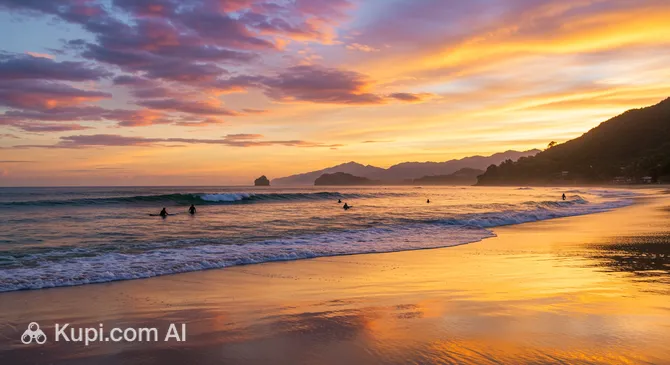
Aurora. Illustration.
Source: Kupi.com AI

With a population of about 62,000 people, Aurora maintains the charm of a small town with a cozy and friendly atmosphere. There is no hustle and bustle of big cities here—life flows at a leisurely pace, and locals are always ready to share a smile and talk about their traditions. The city also performs an important administrative function in the province of the same name, serving as its heart and soul.

Aurora attracts travelers with its unique natural landscapes. Here, you can explore uncharted trails, discover the island's secrets, and enjoy the beauty of wildlife. Fans of gastronomic discoveries will appreciate the opportunity to taste the freshest seafood. The city offers a wonderful combination of tranquility and vivid impressions, allowing everyone to find something for themselves, whether seeking solitude or actively exploring the local culture.

If you are looking for a place where you can slow down, enjoy the beauty of the surrounding world, and immerse yourself in an original atmosphere, Aurora will be an excellent choice for your journey. Discover this amazing corner of the Philippines, full of natural wonders and hospitality!

You can find more interesting facts on the Aurora city history page.

Weather Overview

The climate in Aurora is characterized by consistently warm weather throughout the year. Average monthly temperatures range from 22.3°C (January) to 26.4°C (May, June), with maximum daytime temperatures reaching 29.0°C in May. Expect a warm and humid climate with frequent but generally light precipitation. Although rainy days occur regularly throughout the year (from 19 to 28 days per month), the total amount of rainfall is small, varying from 3 mm in March and April to 12 mm in September and October.

To learn more about weather conditions and plan your trip in the best way, check the detailed information on the Aurora Climate page.

Average monthly temperature

Average monthly precipitation

Interesting Facts

Beyond its picturesque landscapes and hospitality, Aurora, located in the Philippines, hides many amazing stories and features that make it a truly unique place. Here are just a few that might surprise you:

  • Aurora is known as the home of the famous Sabang Beach, which is considered a true mecca for surfers from all over the world. This is where the Philippine surfing movement was born, and every year the city hosts a colorful festival dedicated to this exciting sport.

  • In the heart of the province lies the Aurora Memorial National Park, one of the oldest in the Philippines. It is famous not only for its dense tropical forests but also for unique species of animals and plants, many of which are found only in this area.

  • According to local legends, ancestral spirits and mythical creatures still inhabit the forests and mountains of Aurora. Special rituals are dedicated to these beliefs, carefully preserved and passed down through generations, creating a unique atmosphere of mysticism and deep respect for nature.

  • Interesting colonial monuments have been preserved in Aurora: ancient churches and lighthouses built during the Spanish rule. These structures give the town a special historical charm and tell the story of the region's rich past.

How to Get There

A journey to this picturesque corner of the Philippines usually begins with a flight, as the province is separated from major metropolises by a mountain range. You can find all the ways to get to the city of Aurora to choose the most convenient route, but tourists most often fly into one of the airports on Luzon Island and then continue by land.

There is no airport in the city of Aurora itself, so travelers often choose Clark International Airport (IATA: CRK). It is located in Angeles City, approximately 163 km from Aurora. It is a major international hub receiving many flights. The approximate travel time by taxi or transfer from here is about 4 hours and 25 minutes, depending on traffic and weather conditions.

Another popular option is the country's main air gateway, Ninoy Aquino International Airport (IATA: MNL). It is located in the capital, Manila, at a distance of 192 km from Aurora. This is a massive transport hub with very high passenger traffic. A ground transport trip from Manila will take approximately 5 hours and 10 minutes.

You can also consider Tuguegarao Airport (IATA: TUG), located in Tuguegarao City, 174 km from the destination. It is a regional airport with moderate passenger traffic. The journey from there to Aurora takes about 4 hours and 40 minutes.

For clarity, here is a summary of the main airports:

AirportPassenger trafficDistance
Cauayan Airport66 41595 km
Clark International Airport2.4 mln163 km
Tuguegarao Airport225 961174 km
Ninoy Aquino International Airport50.1 mln192 km
Vigan Mindoro Airport222 km

There is no direct rail connection to the city of Aurora, so trains are not used for the final leg of the journey. The primary way to reach the destination after your flight is by road. Comfortable buses and private minivans regularly depart from Manila and other major cities on Luzon. The road winds through the picturesque Sierra Madre mountains, so the journey, while potentially long, will reward you with beautiful views.

Main Attractions

Aurora, located on the east coast of Luzon, attracts travelers with its diverse attractions—from world-famous surfing beaches to picturesque natural wonders and places rich in history. Here, everyone will find something for themselves, whether it's active recreation or quiet contemplation of beauty.

One of the main gems of Aurora is undoubtedly Sabang Beach. This long stretch of gray sand, washed by the waves of the Pacific Ocean, is a true paradise for surfers of all levels. Here you can take surfing lessons, rent a board, or simply enjoy the sun and watch those conquering the waves. The atmosphere on the beach is very relaxed and friendly, making it an ideal place to unwind.

For nature lovers, a visit to Ditumabo Falls, also known as the Mother Falls, is a must. This impressive natural creation is hidden in the jungle, and the path to it is an adventure in itself, involving crossings over bamboo bridges and trails. The refreshing cool water and the power of the falling stream leave an indelible impression, while the surrounding landscape is striking in its pristine beauty.

To gain a deeper understanding of the region's history and culture, it's worth visiting the Museo de Baler. The museum's exhibits tell the story of key events related to the area, including the famous Siege of Baler. It displays artifacts, photographs, and documents that help build a more complete picture of Aurora's past and its significance in Philippine history.

Another iconic site is Ermita Hill. It holds historical significance related to the 1735 tsunami, when local residents found refuge here, and offers breathtaking panoramic views of Baler Bay, the Pacific Ocean, and the surrounding area. Sculptures depicting the rescue of the people are installed at the top of the hill, along with a chapel. This is a great place for a quiet stroll and sunset photography.

Local Cuisine

The gastronomic scene of Aurora is a true paradise for lovers of fresh seafood and authentic Philippine flavors. This coastal corner is famous for its abundance of fresh shrimp, crabs, fish, and shellfish, which are prepared here in a variety of ways—from simple grilling to exquisite dishes stewed in coconut milk with aromatic spices.

Be sure to try the region's signature dishes. Among them is "sinigang na bangus"—a traditional sour soup with milkfish, which is often cooked over an open fire right on the beach, adding a special atmosphere to the meal. Another culinary masterpiece is "tinahang taliak", delicate fish baked in banana leaves using recipes passed down through generations.

Start your day like a local with a cup of aromatic local coffee and fresh "pandesal" rolls with a crispy crust. Don't miss the chance to visit local farmers' markets—they are a real kaleidoscope of flavors where you will find exotic fruits, fragrant spices, and homemade sweets. Especially popular here are "puto" rice cakes and various coconut-based desserts.

Food culture in Aurora is closely tied to the sea and community traditions. Locals and tourists alike enjoy meals at small family restaurants and right on the beaches, where the fresh catch is prepared. Street food is also popular, offering a quick and tasty way to get to know local delicacies. Throughout the year, Aurora hosts vibrant food festivals that bring everyone together at a common table, turning food into a true celebration of taste and friendship. Here you can not only try specialties but also participate in culinary workshops.

In addition to the excellent local coffee already mentioned, it is worth trying refreshing juices made from the exotic fruits that are in abundance here. As for alcoholic beverages, as in many regions of the Philippines, you can find local beers and rums to complement your gastronomic experience. However, always remember to drink in moderation.

Travel Tips

Welcome to Aurora! To ensure your journey to this amazing corner of the Philippines goes smoothly and leaves only the warmest memories, we have prepared some practical tips. They will help you better prepare and enjoy every moment of your adventure.

  1. Clothing and Essentials: Aurora has a tropical climate. Bring light, breathable clothing, swimwear, a hat, sunglasses, and high SPF sunscreen. Don't forget a raincoat or light jacket: light rain is possible throughout the year, so such an item will always be useful. Comfortable shoes for walking and exploring the surroundings are extremely important. When visiting religious sites like churches, it is recommended to choose modest clothing that covers the shoulders and knees. A universal travel adapter for electronics may also come in handy (the Philippines uses Type A, B, and occasionally C sockets).
  2. Transport: The main modes of transport for getting around Aurora and between nearby points are tricycles (motorcycles with sidecars) and jeepneys. For more freedom of movement, you could consider renting a scooter, but be careful and cautious on the local roads. Common international ride-hailing apps will likely be unavailable or have limited coverage here.
  3. Finances: The local currency is the Philippine Peso (PHP). It is recommended to exchange currency in advance in major cities or upon arrival in the larger administrative centers of Aurora province, as the choice of exchange offices in smaller settlements can be very limited. Credit cards are accepted in some hotels and large restaurants, but cash is your main companion, especially for payments at markets, in small shops, and for transport. ATMs may be scarce, so it is better to have a sufficient supply of cash. A rough daily budget can range from 1,500-2,500 PHP for an economy traveler to 3,000-5,000 PHP and above for more comfortable leisure, excluding the cost of specific activities like surfing lessons. Regarding tipping, it is not always mandatory but is appreciated for good service, especially in tourist spots. В In restaurants where a service charge is not included in the bill, it is customary to leave 5-10% of the total. Small tips are also appropriate for guides and drivers.
  4. Health and Safety: There are pharmacies in Aurora, but their inventory may differ from what you're used to, so it's better to bring a basic first-aid kit (painkillers, antiseptics, stomach remedies, your personal medications). Be sure to get travel medical insurance before your trip. Generally, Aurora is considered a safe place for tourists; however, standard precautions, such as keeping an eye on personal belongings and avoiding walking alone in poorly lit or deserted areas at night, are still wise. If you plan to surf or just swim in the ocean, always assess the strength of waves and currents and listen to the advice of local instructors or lifeguards.
  5. Communication: The official languages of the Philippines are Filipino (based on Tagalog) and English. English is widely spoken, especially among young people and in the tourism sector, so there should be no serious communication problems. Learning a few simple Tagalog phrases, such as "Salamat" (Thank you), "Magandang umaga/hapon/gabi" (Good morning/afternoon/evening), and "Magkano po ito?" (How much is this?), will be a pleasant gesture for the locals. For internet access and communication, you can purchase a local SIM card (popular operators are Globe and Smart). Wi-Fi is usually available in hotels and some cafes. Regarding useful apps, services like Grab (for taxi and food delivery) are popular in the Philippines, but their availability in Aurora may be limited. We recommend checking with locals or at your hotel upon arrival to see which apps are relevant for the region, or download offline maps and travel guides in advance.
  6. Local Etiquette: Filipinos are famous for their hospitality, friendliness, and smiles. Be polite, smile back, and respect local traditions and customs. When communicating, especially with people older in age or status, using the particles "po" and "opo" (equivalents of a polite "yes" or formal address) demonstrates respect. Try to avoid loud arguments and public displays of strong dissatisfaction.
  7. What to Avoid: Try not to take photos of people, especially children or during religious ceremonies, without their explicit permission. Refrain from criticizing local traditions, food, or lifestyle, even if something seems unusual to you. Show respect for nature—do not leave trash on beaches or in other natural areas.
  8. Special Tip for Aurora: Aurora province, and its capital Baler in particular, is known as one of the best surfing spots in the Philippines. If you've always dreamed of trying to get on a board, there are excellent conditions and many schools for beginners here. Even if surfing isn't your thing, be sure to explore the region's natural beauty: picturesque beaches, waterfalls (like Ditumabo), and scenic rice fields. Don't be afraid to wander off the beaten tourist paths (within reason, of course).

We hope these tips make your stay in Aurora even more comfortable and fulfilling. Enjoy the beauty of nature, the hospitality of the locals, and the unique atmosphere of this place. We wish you an unforgettable journey!

Entertainment & Nightlife

While Aurora is a charming place for daytime relaxation, it also offers its guests more peaceful but soulful evening entertainment. Although you won't find bustling districts with neon signs like in major metropolises here, the city's nightlife has its own unique charm centered around local hospitality and a relaxed atmosphere.

The core of nightlife in Aurora consists of cozy local bars where you can enjoy drinks with friends, and restaurants that stay open until late evening, serving both local and international cuisine. Karaoke bars are very popular in the Philippines, and you are likely to find similar venues in Aurora where you can have a fun time. Occasionally, especially on weekends, you can hear live music in some establishments. There are likely few large night clubs in the traditional sense, as the emphasis is shifted towards more intimate and heartfelt forms of relaxation.

The evening atmosphere in Aurora is usually very friendly and casual. The crowd mostly consists of locals, but tourists are always welcomed warmly. The dress code is generally casual and relaxed—comfortable clothes like shorts and a T-shirt are perfectly appropriate. Establishments usually come to life toward the evening, especially on Fridays and Saturdays. However, do not expect them to stay open until dawn, with the possible exception of specific bars catering to late-night visitors.

If you are planning an evening out, the best time is after 8-9 PM, especially on weekends when the town livens up a bit. Prices in Aurora's bars and restaurants are generally quite affordable, making evening leisure accessible. Local tricycles are the primary and most common mode of transport for getting around at night. It is recommended to agree on the fare in advance or ask your hotel staff to help call a reliable driver, especially if you plan to return late.

Regarding safety, Aurora is generally considered a peaceful and welcoming place. However, as with any other tourist destination, basic precautions should be taken: keep an eye on your personal belongings and avoid poorly lit or deserted streets late at night. To call a taxi or tricycle at night, it is safest to ask the staff of the establishment you are in or your hotel employees.

During the day, Aurora and its surroundings offer many other activities. These primarily involve exploring the province's natural beauty, which is famous for its magnificent surfing beaches, picturesque waterfalls, and green landscapes. You can visit local markets to soak in the authentic flavor of everyday life or simply enjoy leisurely walks in the fresh air. There may be few museums or large theaters in the town, as the main focus here is on natural attractions and active recreation.

To find the most popular and interesting evening venues in Aurora, we highly recommend chatting with locals or your hotel staff. They can always suggest the best spots to match your preferences, whether it's a quiet bar for heartfelt conversations or a place with live music. While we cannot provide an exact list of names with links without an updated directory, rest assured you will find a pleasant place for evening relaxation that will add bright impressions to your trip.

Parks & Museums

The city of Aurora and its surroundings in the Philippines offer travelers not only magnificent natural landscapes but also the opportunity to get acquainted with the region's rich cultural and historical heritage. Here, everyone will find something for themselves, from peaceful parks to educational museums.

Among the green spaces worth visiting, Ermita Hill stands out. It is not just a park, but a site of historical significance offering breathtaking panoramic views of Baler Bay and the Pacific Ocean. The park is perfect for leisurely walks, picnics, and contemplating nature. Nature lovers are also highly recommended to visit the majestic Ditumabo Falls, known as the "Mother Falls." The path to it leads through a picturesque jungle, and the reward is the chance to swim in its cool, refreshing waters. While not a park in the traditional sense, the Baler Hanging Bridge over the Tibu-Tibu River offers a unique experience and beautiful views of the surrounding nature, adding a bit of adventure to your walk.

For those interested in history and culture, the Museo de Baler is a mandatory stop. The museum's exhibition details the history of Aurora province, starting from pre-colonial times, highlighting the period of Spanish rule, the famous Siege of Baler, and the modern development of the region. Artifacts, photographs, and historical documents are displayed here. Nearby is the Doña Aurora Aragon-Quezon House, the home-museum of the wife of President Manuel L. Quezon, after whom the province was named. Visiting this restored house allows for a deeper understanding of the life of this remarkable woman and her contribution to Philippine history.

Regarding architectural and historical sites, Baler Church itself, restored after the siege, is a significant monument. It bears witness to important historical events and serves as the center of the town's spiritual life. A walk through the central part of Baler will also allow you to see examples of colonial architecture and feel the atmosphere of the past.

For a more authentic experience, visit the local Baler Market. It's a great place to observe daily life, try fresh local products, and perhaps pick up unique souvenirs. And if you're looking for seclusion, explore the lesser-known beaches and coves along the coast, where you can enjoy the peace and beauty of wildlife away from the main tourist routes.

Getting Around

Getting around Aurora and its surroundings is mainly done using colorful local transport, which is an integral part of daily life. The city does not have a metro or tram network, but the existing options allow for fairly convenient travel to necessary points.

The main types of public transport in Aurora are jeepneys and tricycles. Jeepneys are brightly decorated, converted American military jeeps that run on fixed routes. They stop at the request of passengers. Tricycles are motorcycles with an attached passenger sidecar that operate like taxis for short distances and can deviate from standard routes by agreement. Additionally, for longer trips between settlements or to other parts of the province, buses and minivans (Vans or UV Express) may be used.

The fare payment system in Aurora is predominantly cash-based. In jeepneys, payment is made directly to the driver or conductor during the trip; the cost is usually fixed for a certain segment of the route. For a tricycle ride, the price is generally negotiable and should be clarified before starting the trip, especially if you are going to a remote location or off the standard route. For intercity buses, tickets are usually purchased at bus stations or directly from the conductor before departure. Complex transit card systems or mobile apps for public transport payment in Aurora may not be as common as in major metropolises.

Tourists should keep a few practical points in mind. To stop a jeepney, simply raise your hand. It is customary to enter and exit quickly. Public transport usually starts early in the morning and finishes in the evening, though the frequency of trips may decrease in late hours. Always carry small change for fares, as drivers may not always have change for large bills.

As an alternative to public transport in Aurora, you can use taxi services if available (their number may be limited), or hire a motorcycle taxi (known as "habal-habal" in some regions), especially for trips to hard-to-reach places. Renting a scooter or motorcycle can also be an option for independent travel if you have the appropriate license and driving experience. Bicycle rentals may be available, but more for leisure rides than for regular city commuting.

There are no unique historical transport systems, such as an ancient metro or cable cars, as urban transport in Aurora. The main focus is on functional and affordable methods of travel for the local population, which can also be an interesting experience for tourists wanting to immerse themselves in the local atmosphere.

Accommodation

When planning a trip to Aurora, you will find a fairly wide range of accommodation options to suit the needs of many different travelers. You can find budget guesthouses and hostels suitable for economy-conscious tourists, as well as more comfortable mid-range hotels, resort complexes, and apartments for rent.

The most popular areas for tourists are traditionally those located in close proximity to the beaches or major attractions. Accommodation near the central part of Aurora is also in demand, as it is where the main infrastructure is concentrated: cafes, restaurants, shops, and transport hubs. Choosing such a location will allow you to easily reach places of interest and fully enjoy the city's atmosphere.

To find the most suitable accommodation, it is recommended to explore offers on popular online booking platforms. There, you can check current reviews, photos, and prices for hotels and other types of lodging in Aurora. This will allow you to select an option that matches your preferences and budget.

To ensure the best conditions and prices, especially if your trip falls during the peak tourist season or coincides with popular local events, it is highly recommended to book your accommodation in advance. The price range in Aurora varies from very budget-friendly options to mid-range and higher-end offers, allowing you to find the optimal stay according to your preferences and financial capabilities. The main booking methods are popular international online platforms, as well as the possibility of direct booking through hotel websites or by phone, where available.

Nearby Cities

For those who want to explore the surrounding area, Aurora serves as an excellent starting point for day trips to several interesting nearby places:

For example, Santiago, one of the region's larger cities, offers a chance to dive into a more bustling urban atmosphere and visit local markets and shopping centers. A trip to Echague allows you to get acquainted with Philippine rural life, see extensive agricultural lands, and perhaps visit authentic farmers' markets. And San Luis, located closest of all, can be a pleasant option for a short excursion to experience local flavor without a long journey.

CityPopulationDistance
Nagtipunan25 39924 km
Maddela40 94328 km
Quirino25 02333 km
Dipaculao33 13135 km
Baler43 78544 km

These nearby destinations provide insight into the diverse culture and landscapes of the Philippine region. Each trip promises new impressions and discoveries, making your stay in Aurora even more fulfilling.

Shopping & Souvenirs

Shopping in Aurora offers an introduction to local flavor and handmade goods rather than a hunt for global brands. It is not a major metropolis with giant malls, so you should look for authentic products and souvenirs that reflect the culture of the region and the Philippines as a whole. Aurora is particularly famous for items related to the ocean and surfing, as well as local delicacies.

The main shopping spots in Aurora are generally concentrated along the central streets of the province's main settlements, including the capital. Here you will find small shops, stalls, and perhaps a few larger local department stores. You shouldn't look for specific "shopping miles" in the European sense, but a stroll through the busy streets will allow you to find interesting items.

As for large shopping centers, the choice in Aurora may be limited. Instead of the huge malls typical of Manila, small shopping complexes or standalone supermarkets predominate here, where you can buy essentials, groceries, and some industrial goods. If you are looking for branded items, the selection will be modest.

Markets are the heart of local trade in Aurora. Be sure to visit a local public market, which is found in almost every reasonably large settlement. Here you can buy fresh fruits, vegetables, seafood, meat, as well as local sweets and prepared dishes. It's a great place to observe daily life and try something authentic. Markets also often sell inexpensive clothing, footwear, and household items. Sometimes you can also find souvenir shops.

Recommended souvenirs to bring back from Aurora include items made of shells and wood, woven bags and baskets, as well as beachwear and accessories. If you are into surfing, you can find themed souvenirs or even locally produced boards here. Pay attention to local delicacies: dried fish, coconut jam, and various rice and fruit sweets. Pearl products are also popular, but you should be mindful of quality when purchasing them.

Shops in Aurora are typically open from 9:00-10:00 AM to 6:00-7:00 PM. Small shops may close earlier or have a lunch break. Markets start working very early, often at dawn. The primary payment method, especially in markets and small shops, is cash (Philippine pesos). Credit cards may be accepted in some hotels, large supermarkets, or tourist-oriented establishments, but it is better to always have enough cash with you.

While a Tax-Free refund system exists in the Philippines for tourists on export purchases from accredited stores, finding such shops and using this service in provincial areas like Aurora can be difficult. This system is more common in major cities and international airports for high-value purchases.

Reached the end of the page?

That means the route is fully explored