Support

Baler

Attractions

About

Baler is a cozy and picturesque coastal town, often referred to as the "birthplace of surfing" in the region. Located in the Aurora province on the island of Luzon, it is washed by the waters of the Philippine Sea and surrounded by majestic green hills. This place has a unique relaxing atmosphere where time seems to slow down, allowing travelers to take a break from the hustle and bustle of megacities and enjoy a connection with nature.

Geographically, the town is encircled by dense tropical forests and scenic bays stretching for dozens of kilometers. With a population of about 44,000 people, Baler remains a small but significant administrative center that preserves its provincial charm. A trip to the Philippines would be incomplete without a visit to this corner, where wild beaches, mountain landscapes, and the sincere hospitality of the locals blend harmoniously.
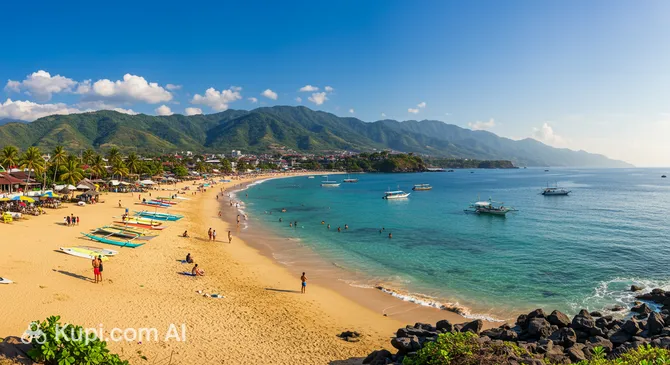
Baler. Illustration.
Source: Kupi.com AI

Despite its modest size, the town possesses a deep cultural heritage. A fascinating history of Baler will help you learn more about how this region was formed and what events took place here. Today, it is a recognized center for ecotourism and outdoor activities. Tourists come here to conquer the famous waves at Sabang Beach, go trekking to hidden waterfalls in the jungle, or visit local museums that tell the story of the region's past.

Baler is an ideal destination for those seeking a balance between exciting adventures and peaceful contemplation. Whether you plan to get on a surfboard, explore architectural monuments, or simply breathe in the fresh sea air, this welcoming town is sure to give you bright emotions and unforgettable impressions.
Weather Overview

Baler greets travelers with a warm tropical climate that remains comfortable for vacationing throughout the year. The temperature regime is stable: even in the "coolest" months, January and February, the average temperature stays around 22.4°C – 22.5°C, and nightly minimums practically do not drop below 20°C. The peak of heat falls in May and June, when the air warms up to an average of 26.3°C – 26.4°C, and daytime maximums reach 29.1°C.

A feature of the region is the high frequency of precipitation, which contributes to the lush growth of tropical greenery. Even in the relatively dry season (February-April), the number of rainy days is 18–20 per month, and from June to September, it can rain almost daily (28–29 days). Expect warm weather year-round with temperatures from 20°C to 29°C and frequent rains, which are usually short-lived. To choose the ideal time for surfing or excursions, we recommend checking in advance what weather in Baler is forecast for the time of your trip.

Average monthly temperature

Average monthly precipitation

Interesting Facts

In addition to the main attractions, Baler holds many fascinating secrets and stories that make it a unique place on the map of the Philippines. Here are a few facts that will allow you to look at this city from a new perspective:

  • Hollywood Heritage. Baler is not called the cradle of Philippine surfing for nothing, and cinema is to thank for that. In the 1970s, Francis Ford Coppola's cult film "Apocalypse Now" was filmed here, including at Sabang Beach. After filming wrapped, the crew left their boards for the locals, which gave an unexpected start to the development of surf culture in the region.

  • Mysticism and Legends. Natural beauty here is often intertwined with folklore. For example, the picturesque Dicasalarin Cove is known not only for its crystal-clear water and seclusion but also for local beliefs. Old-timers tell legends of ancient spirits that guard these untouched lands, giving a holiday here a special mysterious atmosphere.

  • The Path to "Mother Falls". Ditumabo Falls (Mother Falls) is considered one of the most impressive in the province, but getting to it is an adventure in itself. The route passes through dense tropical forests and rocky riverbeds, allowing tourists to feel like real wilderness explorers.

  • Diversity of Beaches. The coastline of Baler is surprisingly multifaceted. While Sabang is famous for its soft gray sand and waves, Digisit Beach attracts travelers with unusual rock formations and calm pools, creating a completely different landscape within the same city.

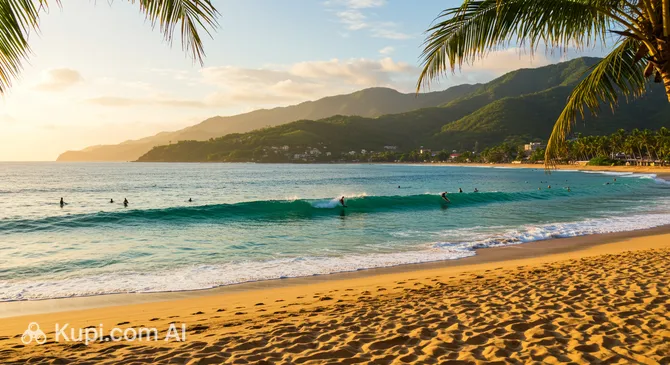
Sabang Beach. Illustration.
Source: Kupi.com AI

Traveler photos:

How to Get There

Baler, located on the east coast of Luzon island, is a popular destination; however, the journey here requires some planning. The city is surrounded by the Sierra Madre mountains, which makes the road scenic but winding. To choose the best route and type of transport, we recommend reading more about how to get to Baler.

There is no airport in the town of Baler itself, so travelers usually fly to large aviation hubs in neighboring regions and then transfer to a bus or taxi. One of the main gateways is Ninoy Aquino International Airport (MNL), located in the country's capital, Manila. It is about 149 km from Baler (in a straight line), but the journey along winding roads takes about 5–6 hours. This is the most popular option for international tourists.

A closer alternative could be Clark International Airport (CRK), which is located in Angeles City, about 124 km from Baler. Getting to the coast from Clark is often faster and more convenient, as you can avoid the capital's traffic jams. Travel time by car from here will be about 4–5 hours. Small regional airports like Tuguegarao Airport (TUG) also function in the region, but they are located much further away and are less convenient for a trip to Baler.

For clarity, here is a summary of the main airports through which you can plan your route:

AirportPassenger trafficDistance
Clark International Airport2.4 mln124 km
Cauayan Airport66 415134 km
Ninoy Aquino International Airport50.1 mln149 km
Tuguegarao Airport225 961213 km
Vigan Mindoro Airport240 km

There is currently no rail connection to Aurora province and the town of Baler. The main way to travel by land remains buses and private cars. Comfortable buses (for example, from Genesis Transport and their premium JoyBus service) depart regularly from Manila and follow a direct route. A bus trip is not only a budget option but also an opportunity to enjoy views of mountain passes and tropical forests on the way to the ocean.

Main Attractions

Baler is a true treasure trove of natural wonders and historical monuments, where every traveler will find something to their liking. The town and its surroundings offer a unique combination of active recreation on the coast, exciting walks through the jungle, and encounters with the rich cultural heritage of the region. Here is a list of places that should definitely be included in your travel itinerary.

The undisputed symbol of the city and a center of tourist attraction is Sabang Beach. This long strip of soft gray sand is washed by the Pacific Ocean and is considered an ideal place for surfing. Thanks to the consistent waves, both beginners taking their first lessons and professionals feel comfortable here. Even if you are far from sports, a walk along the promenade at dawn to the sound of the surf will give you peace and unforgettable views.

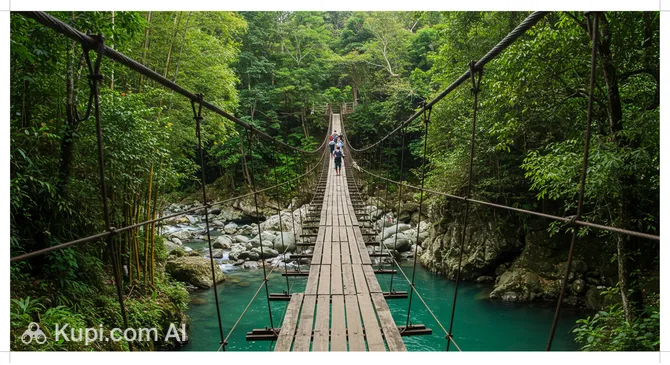
For those seeking scenic views and a bit of adrenaline, the Zabali Hanging Bridge is an excellent point on the route. This structure is suspended across the mouth of the river, at the point where its waters meet the sea. Walking across the swaying bridge is a small adventure that allows you to enjoy a panorama of green hills and the water surface from an unusual perspective.

Zabali Hanging Bridge. Illustration.
Source: Kupi.com AI

Traveler photos:

Ecotourism enthusiasts should head to the majestic Ditumabo Falls, which locals often call the "Mother Falls." The path to it lies through a dense tropical forest and rocky streams, turning the journey into an exciting trek. As a reward, travelers will find a powerful stream of crystal-clear water falling from a height into a cool natural pool, where it is so pleasant to swim after the hike.

Another gem of the region is the secluded Dicasalarin Cove. Unlike the busy Sabang, peace and quiet reign here, and the sand is strikingly white. The main feature of the place is the lighthouse on top of a cliff, reached by a staircase. After climbing to the top, you will see a breathtaking panorama of the vast ocean and the jagged coastline of Aurora province.

Local Cuisine

Baler's gastronomic scene is a fascinating journey into the world of fresh flavors and authentic traditions of Aurora province. The local cuisine clearly reflects the culinary customs of the region and the Philippines as a whole. Since the town is located on the coast, the menu is based on seafood. Here you can enjoy fish and seafood that were caught just a few hours before being served. Dishes are simple to prepare, allowing the natural taste of the ingredients to be revealed to the fullest.

Among the treats that are definitely worth trying, sinigang stands out. This is a traditional sour soup with fish or meat, which local chefs prepare with special skill. Thanks to its refreshing taste, it is ideal for lunch on a hot tropical day. For lovers of the exotic and bold gastronomic experiments, street vendors will offer balut—a boiled duck egg with an already formed embryo. This dish is considered a delicacy and is often sold at evening markets as a hearty snack.

The food culture in the city is casual and diverse. Locals and tourists often dine at small open-air cafes and markets, which abound with fresh vegetables and tropical fruits. A special atmosphere reigns in the establishments along the coast, for example, in the area of Sabang Beach. Here you can dine to the sound of the surf, enjoying grilled dishes. Among drinks, fresh coconut water (buko) is popular, which perfectly quenches thirst, as well as local beer that accompanies evening gatherings.

If you are lucky enough to be in Baler during one of the food festivals, don't miss the chance to get closer to the region's culinary heritage. At such events, you can try dishes prepared according to old recipes and immerse yourself in a festive atmosphere filled with the aromas of spices and home-cooked food.

Travel Tips

Welcome to Baler! To make your trip to this relaxed surf town as comfortable as possible and without organizational hiccups, we have prepared a list of useful recommendations. These tips will help you easily adapt to the local rhythm of life and avoid typical beginner mistakes.

  1. Clothing for Tropics and Sports. Baler is primarily about the ocean and the jungle. Opt for light, quick-drying items. If you plan to surf, be sure to bring or buy a rashguard (a special lycra shirt) to protect against the sun and board rash. Given the frequent rains in the region, a light raincoat or a waterproof cover for your backpack will be indispensable. For hikes to waterfalls, you'll need comfortable shoes that don't slip on wet rocks (e.g., coral shoes or trekking sandals).

  2. Transport Specifics. There are no common taxi services like Uber or Grab in the city. The king of the roads here is the tricycle. For short trips around the center, rates are fixed and very affordable, but for longer trips (e.g., to remote beaches), the cost should be agreed with the driver in advance. A great option for complete freedom is renting a scooter, with rental points found along the Sabang promenade.

  3. Cash is King. Baler operates on the "Cash is King" principle. Bank cards are accepted only in some hotels and large restaurants. ATMs are available in the administrative center (Poblacion), but they may not work or may not service foreign cards. Always have a sufficient supply of Philippine pesos in cash, especially small bills, for paying for tricycles, food at the market, and souvenirs.

  4. Health and Water Safety. The ocean here is powerful, and even if you swim well, be careful with rip currents. Always pay attention to warning flags on the beach and listen to instructors' advice. The humid climate promotes insect activity, so a quality repellent is a must. Pharmacies (Mercury Drug and local ones) are located in the city center, but it's better to bring specific medications with you.

  5. Connectivity and Internet. Wi-Fi in hotels and cafes can be slow or unstable due to the region's remoteness. For reliable connectivity, it is recommended to buy a local SIM card (Smart or Globe) upon arrival in Manila. English is the second official language in the Philippines, so there will be no communication problems—locals speak it fluently.

  6. Local Etiquette and "Losing Face". Filipinos are very friendly and smiling. It is not common here to raise your voice, shout, or openly express anger—this is considered extremely rude and causes everyone involved in the conflict to "lose face." Any issues are resolved much faster with a polite request and a smile. It is customary to greet locals, especially in small villages.

  7. What to Avoid. Don't leave trash on the beaches and don't throw plastic in the forest—local communities actively fight for ecology and ocean cleanliness. Also, if you are a beginner in surfing, avoid going out to the line-up (the place to catch a wave) without an instructor and do not violate surf etiquette by "dropping in" on others—this can be dangerous.

  8. The Early Bird's Advice. Life in Baler starts very early. The most beautiful sunrises, ideal surfing conditions (glassy waves), and the freshest products at the market are available from 5 to 7 AM. Try to adjust your schedule: go to bed earlier and meet the new day with the sun rising from the Pacific Ocean.

Baler is a place where simplicity of life harmoniously blends with the majesty of nature. By following these simple tips and showing respect for local traditions, you will feel like more than just a tourist, but a welcome guest to whom all the secrets of this amazing land are open.

Entertainment & Nightlife

Nightlife in Baler is significantly different from the noisy parties of Manila or Boracay. Here you won't find huge nightclubs with laser shows and strict face control. Evening entertainment in this town is imbued with the relaxed atmosphere of surf culture: acoustic music, the sound of the ocean, cold beer, and soulful conversations under the starry sky.

The epicenter of all evening activity is the famous Sabang Beach. With the onset of darkness, life here does not stop but smoothly flows from the waves to the shore. Along the promenade (Sabang Baywalk), the lights of many grill bars, small restaurants, and open areas at surf camps light up. This is where tourists and locals flock to watch the sunset and discuss the successes of the day.

Sabang Beach. Illustration.
Source: Kupi.com AI

Traveler photos:

The atmosphere in the establishments is extremely casual and friendly. A dress code doesn't exist here: shorts, T-shirts, and flip-flops are the most popular form of clothing. In many bars along the beach, local bands perform on weekends, playing reggae, acoustic rock, or light pop music. The crowd is very diverse: from professional surfers from all over the world to families visiting for the weekend.

Practical tips for evening relaxation:

  • Opening hours: Most establishments come to life around 6:00 PM – 7:00 PM. The active phase of fun lasts until about midnight or one in the morning. Baler is a city of "early birds," as many get up at dawn to catch the best waves.
  • Prices: The cost of dinner and drinks here is quite affordable. The average bill for dinner with drinks will be significantly lower than in the capital's establishments. Be sure to have cash with you, as cards are not accepted everywhere.
  • Safety: Baler is considered a safe city. Walking along the Sabang promenade is comfortable even at late hours. However, it is worth avoiding unlit remote alleys and keeping an eye on your personal belongings.
  • Transport: At night, tricycles remain the main mode of transport. If you stay out late, finding transport can be more difficult, so it's better to arrange with a driver in advance or ask the bar staff to call a tricycle for you.

Besides the bars by the ocean, nightlife also buzzes at the local markets where you can try street food. As for daytime entertainment to diversify your leisure before the evening, the city offers more than just beach relaxation. You can visit local museums to learn more about the history of the region or head to natural attractions like the Zabali Hanging Bridge, a walk across which will provide bright impressions and great photos.

Parks & Museums

Although Baler is primarily known as a surfing capital, this town offers travelers a surprising combination of green oases and cultural treasures. Here you can relax in the shade of ancient trees after an active day at the beach or immerse yourself in the dramatic history of the region by visiting local museums and architectural monuments.

Among the natural areas, Quezon Park holds a special place. This is the central square of the city, serving as a popular meeting point for locals and tourists. The park is well-maintained, decorated with a statue of the first president of the Philippine Commonwealth, Manuel Quezon, a native of these parts, and surrounded by important administrative buildings. For lovers of panoramic views, Ermita Hill is a must-visit. This is not just a picturesque hill overlooking the ocean and the city, but also a historically important site: this is where residents fled during a devastating tsunami in the 18th century. Today, there is a pleasant garden with observation decks here.

Speaking of natural areas, one cannot forget the famous Sabang Beach. Although it is a coastal strip, it effectively serves as the city's main linear park, where at dawn and sunset you can enjoy walks along the ocean and the fresh breeze. Also, visiting a location like the Zabali Hanging Bridge is an interesting experience, allowing you to see the region's river ecosystem from above and take atmospheric photos against the backdrop of tropical greenery.

The cultural program in Baler is focused around several key sites. The main one is the Museo de Baler. Within its walls are artifacts telling the story of the colonial past, the Japanese occupation, and the famous "Siege of Baler." Here you can see antique church utensils, documents, and artworks reflecting the spirit of Aurora province. Another important attraction is the Doña Aurora Aragon-Quezon House. This is an exact replica of the ancestral home of President Quezon's wife. The traditional architecture made of wood and palm leaves, as well as the interiors of the time, allow tourists to be transported into the atmosphere of Filipino life in the early 20th century.

From a historical point of view, the most significant building is the Baler Church (San Luis Obispo de Tolosa Church). It was in this church that the last Spanish garrison held out for almost a year, unaware that the war had already ended. The building has retained its austere and majestic appearance, serving as a reminder of resilience and honor.

Insider Tip: If you have time, rent a tricycle and head just outside the city to the famous Balete Tree (Millennium Tree). Although technically located in the neighboring municipality of Maria Aurora, this giant banyan tree, which you can walk inside, is an integral part of the cultural route for any guest of Baler.

Getting Around

The public transport system in Baler is simple, intuitive, and free from the bustle of large megacities. Here you won't find a metro, trams, or a complex network of city buses. The town is quite compact, and all transport logistics are built on small and maneuverable means of transport that are ideal for narrow streets and trips to natural attractions.

The absolute leader in passenger transport is the tricycle—a motorcycle with an attached covered sidecar. This is the local equivalent of a taxi that runs everywhere: from the city center to the most remote beaches. Tricycles operate in two ways: as a shared taxi picking up passengers along the way (cheaper), and as a "special trip" (individual ride), where you hire a driver for a trip to a specific point without other passengers. Tricycle drivers often act as guides, offering tourists day tours of the main locations in the surroundings.

For trips to neighboring settlements or more remote areas, classic Filipino jeepneys are used. These are colorful elongated vehicles that serve as the main intercity transport in the province. They are less convenient for short trips within the city but indispensable if you want to reach the municipal borders affordably. There are often no stops as such: to get off, it is enough to tap a coin on the handrail or loudly say "Para" (stop) to the driver.

The fare payment system is traditional: cash only. No transport cards, validators, or mobile apps for public transport payment are provided in Baler. Always carry small bills and coins, as drivers often do not have change for large banknotes. The fare for short distances within the city is fixed, but for trips to waterfalls or distant beaches, the price should be agreed upon in advance.

A popular alternative to public transport is renting motorbikes and scooters. This is the choice for many surfers and independent travelers who want to explore the coast at their own pace. Rental points can be found in the promenade area and near large hotels. Bicycle rental is also available, which is ideal for leisurely rides along the ocean or trips to the market.

Transport starts early in the morning at sunrise, which is linked to the rhythm of life in a surf town. However, be careful: after 8:00 PM – 9:00 PM, the number of free tricycles on the streets decreases sharply. If you plan a late dinner away from your hotel, it is recommended to arrange with a driver in advance to pick you up at a set time, or ask restaurant staff to help call for transport.

Accommodation

Baler offers travelers a variety of accommodation options that blend harmoniously with the relaxed atmosphere of this surfing town. The main housing stock is represented by cozy guesthouses, small family-run hotels, and mid-range resort hotels. It is difficult to find five-star chain giants here, but atmospheric lodges and bungalows are in abundance, allowing you to fall asleep to the sound of the ocean.

The most popular area for tourists to stay is the coastline along Sabang Beach. This is where the main tourist life is concentrated: hotels face the ocean, and surf schools and restaurants are within walking distance. This is an ideal choice for those who want to be in the heart of the action and meet sunrises on a board. For travelers seeking a quieter and more budget-friendly holiday, options in the town's administrative center (Poblacion) are suitable. Housing here is cheaper, and the beach can be reached in just 5–10 minutes by tricycle.

The price range varies from very affordable to moderately high. Budget travelers and backpackers can stay in hostels or homestays, where prices are minimal. First-line resorts offer a higher level of comfort with pools and their own restaurants, corresponding to the medium and high price segments by local standards.

When planning a trip, it is important to consider seasonality. Baler is a popular destination for Manila residents, so on weekends and holidays (especially during Holy Week), the demand for housing rises sharply. Booking tip: if you plan a visit on a weekend or during the peak surf season (from October to February), book your room in advance, at least 2–3 weeks early. Large hotels are available on international online platforms, but many small guesthouses only accept bookings via social media or phone, and often ask for cash payment upon arrival.

Nearby Cities

For those who want to explore the surroundings, Baler serves as an excellent starting point for day trips to several interesting nearby places:

Just 15 km from the town is San Luis. This is the closest neighbor, often visited for its natural attractions, as it shares picturesque landscapes and waterfalls with Baler. A trip here won't take much time but will allow you to dive deeper into the provincial atmosphere.

Lovers of a change of scenery may be interested in Bongabon, located at the foot of the Sierra Madre mountains. This town is known as the "onion capital of the Philippines" and offers peaceful rural landscapes that contrast with the coastal zone.

If you are looking for a major urban center with developed infrastructure, consider a trip to Cabanatuan. This is an important transport and trade hub for the region, where you can find large shopping centers, restaurants, and historical monuments, although the road there will take more time.

CityPopulationDistance
Dipaculao33 13113 km
Maria Aurora44 95814 km
San Luis58 55115 km
Alfonso Castañeda8 53936 km
Bongabon66 83936 km

These nearby destinations provide an insight into the region's diverse culture and landscapes.

Shopping & Souvenirs

General Overview. Shopping in Baler is an immersion into authentic provincial life, where instead of the glass windows of luxury boutiques, you will be met by the smiles of local artisans and the aromas of fresh treats. The city is not famous for large-scale sales or global brands, but it is a real treasure chest for those seeking unique handmade goods and gastronomic souvenirs. The main focus here is on local farmers' products, traditional crafts, and, of course, everything related to surf culture.

Main Shopping Areas. The trading life of the city is concentrated in two main locations. The first is the city center (Poblacion), where daily life buzzes and the main shops for essential goods are located. The second important point of attraction is the promenade in the area of Sabang Beach. Here, along the walk, are many small stalls and surf shops offering beachwear, water sports equipment, and themed accessories that will serve as a great reminder of your trip to the Philippines.

Shopping Centers. If you are used to huge air-conditioned malls, Baler may surprise you with their absence. There are no large chain shopping and entertainment complexes typical of megacities. Instead, small local department stores and neighborhood shopping centers like Neomar or small galleries in the center operate here, where you can buy clothes, shoes, and household goods. The absence of retail giants only emphasizes the cozy and authentic character of the city.

Markets. The heart of local trade is rightfully considered the Baler Public Market. This colorful place is a must-visit for every tourist. It is here that you can find the freshest tropical fruits, vegetables, and fish caught in the morning. The market also serves as the main point for selling famous edible souvenirs, and this is exactly where you should go for the authentic flavors of Aurora province.

Souvenirs. It is customary to bring local delicacies and handicrafts from Baler rather than magnets. The top purchases definitely include "Suman de Baler"—sweet rice sticks cooked in coconut milk and wrapped in palm leaves. Another gastronomic hit is homemade peanut butter and coconut jam (the Nanay Pacing brand is particularly popular). Also look out for products made of sabutan (a local type of pandan)—this durable fiber is used to weave stunning hats, bags, and mats that are famous for their durability and beauty.

Opening Hours and Payment. Life in the province begins early, so markets open at sunrise, around 5–6 AM, and operate until evening. Shops and souvenir stalls are usually open from 8:00 AM to 5:00 PM or 6:00 PM, although shops in the Sabang tourist zone may stay open longer. It is important to remember that Baler is a cash-only territory (Cash is King). Bank cards are accepted very rarely, so be sure to carry a sufficient supply of Philippine pesos, especially when visiting the market and small shops.

Tax Free. The Tax Free refund system is not common in Baler. Since there are no large international retailers or duty-free shops here, tourists should not count on VAT refunds for purchases. Prices in the city remain very affordable anyway, which compensates for the lack of this service.

Reached the end of the page?

That means the route is fully explored