Support

Casiguran

About

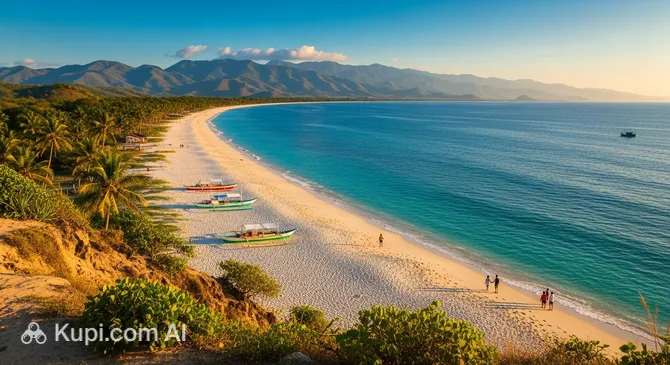
Casiguran is a picturesque and tranquil municipality located in the northern part of Aurora Province. Tucked away and protected from the winds by the San Ildefonso Peninsula, this town is famous for its unique geography and serene atmosphere, which is highly appealing to eco-tourism enthusiasts. If you are planning to visit the Philippines in search of untouched nature and seclusion far from bustling metropolises, this place will be a true discovery.

Casiguran. Illustration.
Source: Kupi.com AI

The town has a population of about 35,000 people, which helps maintain a relaxed pace of life. The climate is tropical, with abundant rainfall that fosters the lush growth of greenery and mangrove forests. According to one version, the name of the settlement comes from a word meaning "safety" or "shelter." The fascinating history of Casiguran is closely intertwined with the sea: thanks to its protected bay, the local waters served as a reliable haven for ships during Pacific storms for centuries.

Among the main attractions, Casiguran Sound stands out — a stunning natural harbor surrounded by mountains and dense forests. It is an ideal spot for boat trips and sunset watching. Equally popular is Casapsapan Beach, with its soft sand and crystal-clear water, where you can enjoy swimming and snorkeling away from the tourist crowds.

Casiguran is a destination for those who want to see authentic provincial life and enjoy the beauty of wild landscapes. Be sure to include this town in your itinerary to experience true Filipino hospitality and harmony with nature.

Weather Overview

The climate in this region is characterized by stable warmth and high humidity, typical of tropical latitudes. When planning a trip, it's useful to know what the expected weather in Casiguran will be so you can pack properly. Throughout the year, temperatures change only slightly, creating mild conditions for visiting in almost any season.

The warmest months are May and June, with an average temperature of about +26.3°C and highs up to +29°C. The winter period, especially January and February, brings only relative coolness: average values stay at the level of +22.4°C, and nightly minimums rarely drop below +20.5°C. A characteristic feature of the local climate is the high frequency of precipitation: the number of rainy days is high year-round, varying from 21 days in the spring months to 29 days in December.

Expect consistently warm weather with frequent rainfall throughout the year and comfortable temperatures that rarely exceed +29°C.

Average monthly temperature

Average monthly precipitation

Interesting Facts

Casiguran hides much more than meets the eye. It is a place where the ancient traditions of indigenous peoples coexist with important economic projects, and nature remains the dominant force defining the way of life.
  • Heritage of the Agta People. The Sierra Madre forests and the Casiguran coastline are home to the Agta (or Dumagat) tribe. They are among the oldest inhabitants of the archipelago, having settled these lands long before the arrival of the Spanish. They preserve unique knowledge of the jungle and traditional hunting and fishing methods, serving as a living part of Aurora Province's cultural mosaic.

  • Amro River Sanctuary. The Amro River Protected Landscape is located within the municipality. This untouched corner of wilderness serves as a critical source of fresh water and a home for rare species of flora and fauna, highlighting Casiguran's status as an important center of biodiversity.

  • Gateway to the Pacific. The town occupies a unique position thanks to APECO (Aurora Pacific Economic Zone). It is the only special economic zone in the Philippines located directly on the Pacific coast. Despite its distance from the capital, this status opens up prospects for the development of international trade and eco-tourism in the region.

  • Contemporary of Baler. Casiguran is one of the oldest settlements in the region, founded by Spanish Franciscan missionaries in 1609, the same year as the famous Baler. Over four centuries of history have left their mark here, turning the town into an important religious and historical outpost in the north of the province.

How to Get There

A journey to this secluded corner of Aurora Province is a real adventure that requires advance preparation. There is no direct air service to the town, so the route is usually built using a combined scheme: a flight to one of the major hubs on Luzon Island followed by a long overland journey. To choose the optimal connection, we recommend studying all ways to get to the city in advance.

Most often, tourists fly into the capital's Ninoy Aquino International Airport (IATA: MNL). This is the country's main air gateway, receiving flights from all over the world. However, be prepared for a long journey: although the straight-line distance is about 230 km, the actual path along winding roads and through the Sierra Madre mountain passes is much longer. A car or bus trip from Manila to Casiguran usually takes 9 to 12 hours, depending on traffic and weather conditions.

A more convenient alternative is often Clark International Airport (IATA: CRK), located in Angeles City. It is situated north of the capital, allowing you to avoid Manila's famous traffic jams on the way out. Nevertheless, the journey from here will also not be fast: expect to spend about 8–10 hours on the road. The route passes through scenic but challenging sections, especially when approaching Aurora Province.

Another option is the regional Tuguegarao Airport (IATA: TUG). Geographically, it is located closest, but the road from it can be less predictable due to the terrain and the condition of the highways in this sector.

Summary of the nearest airports:

AirportPassenger trafficDistance
Cauayan Airport66 41583 km
Tuguegarao Airport225 961157 km
Clark International Airport2.4 mln206 km
Lal-lo (Cagayan North International)20 000215 km
Ninoy Aquino International Airport50.1 mln230 km

There is no rail service in the region. The main way to get around is by intercity buses and private minivans. The road to Casiguran is famous for its hairpin turns and stunning views of the jungle and ocean, but it requires endurance from both drivers and passengers. If you are renting a car, choose a reliable SUV and plan your trip during daylight hours.

Main Attractions

The true jewel of the coast is undoubtedly Casapsapan Beach. This spot is often compared to the country's most famous resorts due to its fine, pleasant sand and incredibly transparent water shimmering in shades of turquoise. The beach maintains the atmosphere of a wild, untouched corner: there are no large hotels here, but you can stay in cozy bungalows or pitch a tent right at the water's edge, enjoying complete communion with nature.

Special attention should be given to Casiguran Sound — a unique natural harbor protected from the open ocean by the San Ildefonso Peninsula. It is an ideal location for peaceful boat trips. While traveling across the bay's waters, you will see thick mangrove thickets that are home to many birds and can appreciate the majesty of mountain ranges descending directly to the sea. The sunsets here are particularly picturesque, painting the calm surface of the water in vivid colors.

For fans of eco-tourism, the Amro River Protected Landscape is a must-visit. This protected territory in the northern part of the municipality is an important center of biodiversity. Walking along the riverbed allows you to immerse yourself in the atmosphere of a real tropical jungle, see rare plant species, and swim in cool freshwater pools, providing a wonderful contrast after a hot day on the coast.

Another interesting point is Cape Ontok, located at the tip of the peninsula. This is where the calm waters of the bay meet the power of the Pacific Ocean. The rocky landscapes and the lighthouse create a dramatic and photogenic scene, while the elevations offer breathtaking panoramic views of the endless ocean that will stay in your memory for a long time.

Local Cuisine

Casiguran's gastronomic scene is a reflection of its geographical location and the bounty of local nature. Since the town is located on the shores of a bay rich in marine life, the diet here is based on the freshest seafood. The cuisine in this part of Aurora Province is simple but incredibly tasty, emphasizing the natural flavor of ingredients rather than complex sauces.

The main thing every traveler should try is dishes made from the fresh catch harvested in the waters of Casiguran Sound. Local fishermen supply the markets with a variety of fish, crabs, lobsters, and shellfish. A popular cooking method is "inihau" — grilling over charcoal, which gives the food a unique smoky aroma. Also, be sure to taste "kinilaw" — the Philippine version of ceviche, where raw fish is marinated in vinegar with calamansi, ginger, onions, and chili. This dish is considered the perfect appetizer on a hot day.

In the region, there is a great love for using coconut milk ("gata"), adding it to vegetable and meat stews. A signature dish of Aurora Province, which can also be found in Casiguran, is the fern salad — "Ensaladang Pako." Crunchy young shoots of wild fern are dressed with a light vinegar sauce and served with salted eggs and tomatoes. For dessert, locals will offer you "suman" — sweet rice sticks wrapped in banana or palm leaves. They are often eaten with thick coconut jam, and this hearty treat is great for breakfast or a snack on the road.

As for drinks, the absolute leader is fresh coconut water ("buko juice"), sold right in the nuts. It is the best way to refresh yourself in a tropical climate. Regarding alcoholic beverages, pay attention to "lambanog" — a traditional coconut wine or vodka produced in the provinces of Luzon. Locals often consume it during festive gatherings with friends.

The food culture in Casiguran is far from pretentious fine-dining restaurants. An atmosphere of comfort and simplicity prevails here. Locals and tourists visiting the Philippines for an authentic experience prefer to dine in "carinderias" — small roadside cafes or eateries where dishes are displayed in pots on a counter. This is the most budget-friendly and authentic way to get to know real home-cooked food. The town market is also a center of gastronomic life, where you can buy fresh fruit or ready-made street food.

Travel Tips

A journey to Casiguran is an immersion into wild nature and an introduction to authentic provincial life, requiring some preparation. To ensure your vacation in this secluded corner of the Philippines is as comfortable and safe as possible, we have gathered several important practical recommendations.

  1. Clothing and Gear. Given the humid tropical climate, choose light, breathable clothing made of cotton or linen. Be sure to bring a high-quality raincoat, as downpours can start suddenly even in the dry season. For walks through the jungle and to waterfalls, you will need comfortable trekking shoes with non-slip soles, and for swimming on wild beaches, we recommend purchasing special aqua shoes (coral slippers) to protect your feet.

  2. Transport. There are no standard taxis or services like Grab in the town. The main means of transportation for short distances is the tricycle (a motorcycle with a covered sidecar). It's worth agreeing on the price of the trip with the driver in advance, before boarding. To explore the surroundings and distant beaches, it's most convenient to rent a motorbike or arrange a boat (banka) rental with locals, as many beauties are accessible only from the water.

  3. Finance. Casiguran is a cash-only territory. There are very few ATMs here, and they may not work due to communication outages or may run out of bills. Card payment terminals are only in rare establishments. We strongly recommend withdrawing a sufficient amount of Philippine pesos in advance, in Manila or larger cities along the way. Carry small bills (20, 50, 100 pesos) for payments in shops and with tricycle drivers.

  4. Health and Safety. There are pharmacies in the town, but the range of specific medicines may be limited, so be sure to pack a personal first aid kit. The most important thing in it is mosquito repellent, as the risk of Dengue fever is high in the tropics. Drink only bottled water and avoid ice in drinks at street cafes. In terms of crime, the town is safe, but you still shouldn't leave valuables unattended on the beach.

  5. Communication. English is the second official language in the Philippines, so there should be no problems with communication — you will be understood in most places. For mobile connection and internet, it's best to buy a SIM card from major operators (Globe or Smart) upon arrival in the capital. Note that the signal in Casiguran can be unstable, and in remote coves, it may be absent altogether.

  6. Local Etiquette. Filipinos are extremely friendly and smiling. A greeting is often accompanied by a smile or a raising of eyebrows. It is important to stay calm: raising your voice or openly showing anger is considered losing face and being rude. Treat elders with respect. If visiting religious sites, choose modest clothing that covers shoulders and knees.

  7. What to Avoid. Categorically avoid disrespecting nature. Do not leave trash on the beaches, do not take sand, shells, or corals with you — this is prohibited by law and frowned upon by locals. Also, do not rush the service staff in cafes: life here flows at a relaxed pace known as "Filipino time," and rushing can be perceived as tactlessness.

  8. Useful Life Hack. Scheduled or emergency power outages (brownouts) occur periodically in Aurora Province. Be sure to bring a high-capacity power bank for charging gadgets and a small flashlight. This will save you if the lights go out in the evening and allow you to comfortably get back to your hotel along unlit streets.

By following these simple tips, you can avoid minor domestic troubles and fully dedicate yourself to enjoying the pristine beauty of Casiguran. May your journey be filled with bright discoveries, warm meetings, and unforgettable sunsets over the Pacific Ocean!

Entertainment & Nightlife

If you are looking for loud nightclubs with laser shows and famous DJs, Casiguran is not quite the place. Nightlife here has its own unique provincial charm, perfectly matching the relaxed atmosphere of the Philippine countryside. When the sun goes down, the town doesn't go to sleep; instead, it shifts into a mode of soulful gatherings where the main entertainment is conversation, music, and the starry sky, which seems especially close here.

The center of evening activity is traditionally the Poblacion district — the administrative center of the municipality. This is where most local establishments are concentrated. The main format of entertainment is videoke bars. For Filipinos, karaoke is not just a hobby but a national sport, so singing can be heard from every open window. These bars are simple establishments with plastic furniture where groups of friends order "buckets" of ice-cold San Miguel or Red Horse beer and take turns performing their favorite ballads.

Another side of the nightlife is found on the coast, particularly in the Casapsapan Beach area. Here, the atmosphere is more romantic and quiet. The evening program at coastal resorts is usually limited to dinner by the sound of the surf, a bonfire on the sand, and acoustic music. It is the perfect place to try local rum or coconut wine while enjoying the absence of city bustle.

Practical tips for evening leisure:

  • Opening hours: Life in the province winds down early. Most local eateries and bars close by 9:00 PM – 10:00 PM. Videoke bars may stay open until midnight, but rarely later.
  • Dress code: Very casual. Shorts, a t-shirt, and flip-flops are perfectly appropriate attire for any establishment in Casiguran.
  • Transport: This is the most important point. Tricycles (the main transport) practically stop running after 8:00 PM. If you plan to stay late in the center but live by the beach, be sure to arrange a pickup with a driver in advance or check with your hotel about transfer options.
  • Safety: Casiguran is a safe place, and serious crime is rare. However, the streets are poorly lit, so it is better to have a flashlight for night walks and avoid entering secluded alleys alone. Stray dogs can be active at night, so be cautious.

As for daytime entertainment, Casiguran lacks the usual shopping malls, cinemas, or museums. Cultural leisure here is replaced by immersion in local life. You can visit the town market in the morning to see the full variety of local products or stroll through the Town Plaza, where local festivals, basketball games (another Filipino passion), and community events often take place.

Parks & Museums

Casiguran is a destination where the lines between town parks and wild nature are practically blurred. Here, you won't find the usual manicured squares with geometrically trimmed bushes or huge museum complexes; instead, the town offers travelers an immersion into living history under the open sky and an opportunity to explore protected areas that have preserved their pristine appearance. The cultural and natural heritage of the region are inextricably linked, forming a single space for exploration.

The primary "green zone" of the municipality is rightfully considered the Amro River Protected Landscape. This is not just a park but a full-fledged natural sanctuary, vital for the ecosystem of the entire province. Tourists are drawn here by the chance to see primary forests that covered the Philippines centuries ago. It is an ideal place for trekking, bird watching, and swimming in crystal-clear river pools. A visit to Amro helps one understand how rich and diverse the nature of the Sierra Madre is.

Another significant natural area is the Mangrove Forests of Casiguran Sound. Although not a park in the traditional sense, the extensive mangrove thickets framing the coast serve as a natural garden and nursery for marine fauna. A boat ride through these "forests on the water" offers peace and coolness even on the hottest day. For eco-tourists, this is a unique chance to see how the coastal ecosystem functions, protecting the land from typhoons and erosion.

Speaking of cultural institutions, it is important to note that there are no classic museums with display cases and audio guides in Casiguran. The town's history is captured in its architecture and religious sites. The central place is occupied by the St. Anthony of Padua Church. Founded in the early 17th century by Spanish missionaries, this parish is the spiritual heart of the town. The building is interesting for its architecture, combining colonial features with local construction traditions, and serves as a living monument to the centuries-old history of the region's Christianization.

The role of an open-air cultural center is performed by the Town Plaza. This is where all significant community events, festivals, and holidays take place. Here, you can see monuments to national heroes and immerse yourself in the atmosphere of modern provincial life. For a tourist, the plaza is interesting as a vantage point for observing the daily life of locals, their traditions, and leisure activities, which often says more about the town's culture than any museum exhibits.

History buffs and panoramic view lovers should make their way to the lighthouse at Cape Ontok. Although it is a technical structure, the area around it is perceived as a historical park with the best views of the Pacific Ocean. The old and new lighthouses symbolize Casiguran's maritime past and present, and the surrounding hills offer excellent routes for short hikes with breathtaking landscapes.

Getting Around

The public transport system in Casiguran is simple and perfectly fits the size of this secluded municipality. You won't find subways, trams, or large city buses with electronic displays here. Moving around the town and its surroundings has its own unique flavor, which a tourist should be prepared for.

The main and most popular means of transport are tricycles — motorcycles with an attached covered sidecar for passengers. They act as local taxis and ply all the streets of the administrative center (Poblacion) and to the nearest beaches. A tricycle can be rented for an individual trip ("special trip") or used in a shuttle mode, where the driver picks up other passengers along the way.

For trips over longer distances, such as to neighboring settlements or the borders of the province, legendary jeepneys and passenger minivans are used. Jeepneys are the most budget-friendly way to travel, but they do not have air conditioning and often depart only after the cabin is full. Minivans offer more comfort and speed but cost a bit more. They do not have fixed stops in the usual sense: boarding and alighting are done at the passenger's request at any safe place along the route.

Given the town's coastal location, an important form of transport is motorized boats called "bankas". They are indispensable for accessing secluded coves in Casiguran Sound, wild beaches on the peninsula, and snorkeling spots that cannot be reached by land. You can rent a boat with a captain at the local pier or through your hotel administration.

The fare payment system is strictly cash. There are no transport cards, passes, or mobile apps in Casiguran. Payment is made personally to the driver, usually at the end of the trip. Prices for short distances within the town are fixed and low; however, when hiring a tricycle for a trip to a remote beach, the cost should be agreed upon in advance, before boarding, to avoid misunderstandings.

Standard taxi-hailing services or car-sharing are not available here. For tourists wishing to explore the surroundings independently, the best alternative is renting a scooter or motorcycle. Rental points don't always have signs, so vehicles are often rented through recommendations from locals or guesthouse owners. Bicycle rental is less common, but some resorts provide bicycles to their guests.

Travelers must keep in mind the transport's operating hours: life in the province winds down early. Active movement of tricycles and jeepneys decreases after 6:00 PM, and after 8:00 PM, finding transport on the street can be problematic. If you plan a late dinner in the center, arrange your return trip with a driver in advance. Always carry small bills and coins, as drivers often do not have change for large banknotes.

Accommodation

The hotel infrastructure of Casiguran perfectly reflects the character of this secluded municipality: there are no high-rise buildings, international chain hotels, or luxury complexes here. Instead, travelers are invited to immerse themselves in an atmosphere of provincial comfort. The bulk of the accommodation consists of small family-run inns, budget guesthouses, and beach resorts made up of individual bungalows or cottages.

Geographically, accommodation options can be divided into two main zones, each suitable for different travel purposes:

  • Poblacion (Town Center). Here you will find inexpensive inns and lodges. This area is convenient for those traveling in transit who want to be closer to transport terminals, the market, and shops. It is a practical choice if you plan active trips around the area on a rented bike.
  • Coastline (Casapsapan Beach). The most popular tourist zone. Resorts offering accommodation in the immediate vicinity of the sea are concentrated here. Staying here means falling asleep to the sound of the surf and being able to swim right after waking up. Conditions vary from simple bamboo and palm leaf huts (nipa huts) to more substantial air-conditioned cottages.

The price range in Casiguran varies from budget to mid-range. You can find very cheap places to stay or slightly more expensive rooms with amenities, but prices overall remain very affordable compared to the popular resorts of the Philippines. It is important to remember that the service here is unobtrusive and home-like, focused on basic comfort and warmth.

Booking tips:

Due to the specific nature of the region, many local accommodation facilities are not listed on major international booking platforms. The most reliable way to book accommodation is to find the resort's official social media page and contact the owners directly via messengers or phone. During peak dates (national holidays, Easter, summer months), the demand for seaside cottages significantly exceeds the supply, so it is worth taking care of booking in advance, at least 2–3 weeks ahead. Also, keep in mind that almost everywhere, payment is accepted only in cash.

Nearby Cities

For those who want to explore the surrounding area, Casiguran serves as an excellent starting point for day trips to several interesting nearby locations:

Santiago is an independent city in the neighboring province of Isabela, which is an important commercial and trade center of the region. After the seclusion and quiet of Casiguran, a trip here will allow you to immerse yourself in a more dynamic urban atmosphere. Santiago attracts travelers with its shopping centers, diverse restaurants, and lively markets. It is a great place for those who want to dedicate a day to shopping or simply miss city amenities.

Cauayan is another significant city nearby, often called the "Ideal City of the North." It is known for its rapid economic development and modern infrastructure. Tourists can visit interesting local parks and temples here, as well as appreciate the variety of local cuisine in numerous cafes. Cauayan offers a good balance between business activity and leisure spots, making it an interesting point for a short visit.

Aurora is the nearest settlement to Casiguran from the provided list, located in Isabela province. This municipality is named after a former First Lady of the Philippines and is famous for its agricultural lands and quiet pace of life. A trip here will be interesting for fans of agrotourism and those who want to see how people live in the fertile valleys on the other side of the Sierra Madre mountain range.

CityPopulationDistance
Dilasag17 10218 km
Maddela40 94336 km
San Agustin24 11539 km
Aurora62 09744 km
Jones45 62849 km

These nearby destinations provide an insight into the diverse culture and landscapes of the region, offering a contrast between coastal life and the inland areas of Luzon Island.

Shopping & Souvenirs

Shopping in Casiguran is purely utilitarian and authentic, completely reflecting the atmosphere of a remote province. Tourists should not expect to find well-known brands, fashion boutiques, or huge sales here. Trade in the town is primarily focused on the needs of local residents, so the assortment in stores consists of basic necessities, food, and household small goods. However, for the traveler, this is an excellent opportunity to immerse oneself in local life and purchase unique products that cannot be found in major cities.

The commercial life of the town is concentrated in the administrative center — the Poblacion district. It is here, along the main streets, that small private shops, pharmacies, and hardware stores are located. A stroll through this area will allow you to buy everything you need for a beach holiday: from flip-flops and sunglasses to snacks and drinks. This is also where you'll find the so-called Sari-sari stores — tiny kiosks that are an integral part of Philippines culture, where goods are sold in the smallest portions.

There are no large shopping centers, malls, or chain department stores in Casiguran. The nearest large stores are located in the cities of Santiago or Cabanatuan, which are many hours away. Therefore, tourists are recommended to bring specific items (for example, certain cosmetics, electronics, or high-quality trekking clothes) with them, rather than expecting to buy them on-site.

The heart of trade and the most colorful place in town is the Casiguran Public Market. This place is a must-visit, not even for the shopping, but for the atmosphere. Given the coastal location, the market's fish stalls offer an impressive variety: you can find freshly caught tuna, blue marlin, crabs, shrimp, and lobsters at prices significantly lower than in Manila or popular resorts. The best time to visit is early morning when fishermen bring in the night's catch.

As souvenirs from Casiguran, people most often bring gastronomic gifts. Particularly popular is dried fish (daing) and squid — a local delicacy that travels well. It is also worth paying attention to home-produced coconut oil and vinegar, which are known for their high quality and naturalness. Sweet tooths can purchase "suman" — traditional rice cakes in palm leaves, which are sold at the market or by street vendors.

The operating hours of shops here are typical for rural areas. The market opens at dawn, around 5:00 AM, and works until lunch. Regular shops are open roughly from 8:00 AM to 6:00 PM. After sunset, most shops close. As for payment, Casiguran is a cash-only territory. Credit cards are accepted almost nowhere, with the possible exception of a couple of large wholesalers not oriented toward tourists. Therefore, always have a sufficient supply of Philippine pesos with you, preferably in small denominations.

The Tax-Free system (VAT refund) does not operate in Casiguran. This is a small municipal entity where trade is conducted under simplified schemes, and there are no specialized stores that issue tax refund receipts here.
Reached the end of the page?

That means the route is fully explored