Support

Valley of Colors

About

Imagine an entire hillside transformed into a giant open-air canvas. The Valley of Colors is a unique art object located on the outskirts of Baguio on Luzon Island, Philippines. This massive piece of street art is the result of an inspiring collaboration between local residents and artists.
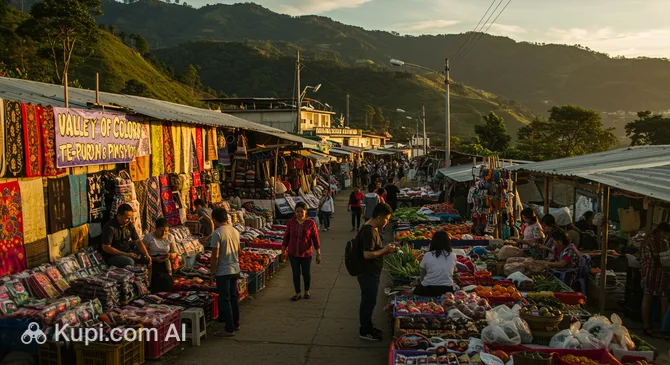
Valley of Colors
Valley of Colors. Иллюстрация. Источник: Kupi.com AI

The installation consists of a community of approximately 200 houses in the Barangay Balili area, with facades painted in vibrant rainbow colors. Visually, the project nods to the famous favelas of Rio de Janeiro and Korea's Gamcheon Culture Village, creating a cheerful contrast against the lush greenery of the Cordillera mountains. From a distance, the houses blend into a single colorful composition resembling a massive floral carpet spread across the slopes.

The valley is situated along the Halsema Highway and is one of the region's most popular photo spots. This site perfectly demonstrates how creativity can change a settlement's appearance and turn an ordinary residential area into a significant landmark, attracting travelers with its visual energy and community spirit.

Contacts

The Valley of Colors is located in close proximity to the main road leading to La Trinidad. It is a public space that is easy to find by the bright building facades visible from a distance.

How to contactContact
AddressCHMW+GRC, Baguio - La Trinidad - Bontoc Rd, Baguio, 2601 Benguet, Philippines

What to Do

The main thing to do at the Valley of Colors is, undoubtedly, photography. The bright, saturated house facades set against the mountains create the perfect conditions for capturing eye-catching social media content. You can wander along the footpaths to see the painting details up close, or head to the opposite side of the road to capture a panoramic view of the entire composition.

The atmosphere here is calm and relaxed. While walking through the neighborhood, you can observe the daily lives of local residents whose homes are part of this grand project. Visitors often note that it's pleasant just to breathe the fresh mountain air and enjoy the unusual combination of urban art and nature. At the foot of the hill, you can sometimes find stalls selling local souvenirs or farm produce from the La Trinidad valley.

A visit to the Valley of Colors fits perfectly into a regional sightseeing itinerary. Just a few minutes' walk away is the Bell Church (a Chinese temple), and a bit further is the Baguio Botanical Garden. Combining these spots will give you a well-rounded look at the cultural diversity and artistic spirit of this mountain region.

Getting There

The Valley of Colors is located approximately 4 kilometers from the city center, at Baguio - La Trinidad - Bontoc Rd. The quickest and most comfortable way to get there is by taxi; the ride from the city center takes about 10–15 minutes. Drivers are very familiar with this landmark, as it is one of the most recognizable spots in the area.

For those wanting to experience the local flavor, jeepneys are ideal. You need to take a route heading towards La Trinidad and ask to be dropped off at the Barangay Balili bridge. The valley is located right along the Halsema Highway, so it's impossible to miss—the rainbow hills appear suddenly and quite spectacularly.

Many travelers include the valley as part of organized sightseeing tours of Baguio, which often start from Burnham Park. Another popular option is renting a scooter, which allows for easy parking at the base of the hills and the freedom to explore the best viewpoints on your own schedule.

Ближайший город: Baguio

History & Facts

The history of this "rainbow" hill began in 2016. The project, officially named the StoBoSa Hillside Homes Artwork, was a major initiative by local authorities to boost tourism and transform the area's appearance. The name StoBoSa is an acronym combining the names of three neighboring settlements: Sto. Niño, Baguio, and Sablan.

A group of talented artists from the Tam-Awan Village, with active support from local residents and volunteers, worked on turning ordinary houses into a piece of art. Around 200 buildings were hand-painted to create a unified, harmonious composition. The project was inspired by successful global examples, particularly the favelas of Rio de Janeiro in Brazil and the Gamcheon Culture Village in South Korea.

Since its creation, the Valley of Colors has become a successful example of community art. It has not only beautified the Cordillera region but also contributed to the community's economic development, turning a modest residential area into a tourist icon that regularly appears on lists of the most colorful places in the Philippines.

Time Needed

For a standard tour of the Valley of Colors and taking beautiful photos against the backdrop of the vibrant houses, 30–60 minutes is usually sufficient. This provides enough time to leisurely stroll along the viewing points and find the best angles.

If you plan to stop by the local souvenir shops or combine your visit with a tour of the nearby Bell Church, we recommend setting aside about 1.5–2 hours. This will allow you to enjoy the atmosphere without rushing and fully appreciate the scale of this unique installation.

Working Hours

The Valley of Colors is an open outdoor space, making it accessible 24 hours a day. You can see this colorful installation at any time, but the facades look most striking in daylight when the sun emphasizes the brightness of the colors.

The site is open daily, from Monday to Sunday, with no days off or entrance time restrictions. This makes the location extremely convenient to visit at any point during your trip around Baguio.

Круглосуточно

Nearby

Exploring the surroundings of the Valley of Colors can significantly enrich your travel experience. Its proximity to the border with La Trinidad offers access to unique cultural sites and scenic natural spots that can easily be visited as part of the same itinerary.

NameDistance
Bell Church0.3 km
Baguio City Market2.1 km
The Farmer's Daughter Restaurant2.2 km
Tam-awan Village2.2 km
Igorot Stone Kingdom2.3 km
Rumours Bar and Restaurant2.3 km
Bamboo Educational Demo Farm (Bamboo Sanctuary), St. Francis Xavier Seminary2.3 km

Reached the end of the page?

That means the route is fully explored