Support

Museo Sugbo

About

If you want to truly feel the historical pulse of the central islands, be sure to visit Museo Sugbo. This unique place is located in the heart of Cebu City and serves as the main provincial historical museum, preserving centuries of the Philippines' secrets within its walls.
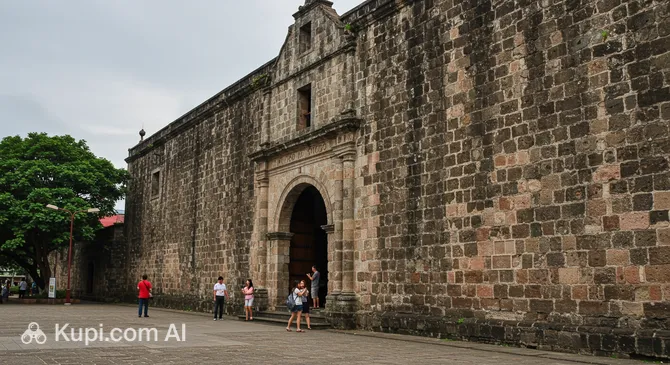
Museo Sugbo
Museo Sugbo. Иллюстрация. Источник: Kupi.com AI

The museum's architecture deserves special attention: it is housed in a monumental building that was once the former provincial jail of Cebu, built back in 1870. The walls of this austere yet majestic structure are made of coral stone, giving it a unique appearance and significant historical value. The prison operated here for over 130 years before becoming a home for museum relics.

Today, this site has been transformed from a strict correctional facility into a cultural treasure trove. Walking through its quiet courtyards and cool halls, you can trace the region's development from pre-colonial times to the present day. Museo Sugbo is not just a collection of artifacts, but a living testament to the resilience and rich culture of the Cebuano people.

Contacts

For more details before your visit or to organize a group tour, you can use the museum's contact information. We recommend saving the address of Museo Sugbo in your GPS to easily find the entrance to the complex.

How to contactContact
Address731 M. J. Cuenco Ave, Cebu City, 6000 Cebu, Philippines
Phone+63 32 239 5626
Websitewww.facebook.com

What to Do

A visit to Museo Sugbo is a fascinating journey through time, where each hall opens a new chapter of Filipino life. You will begin your journey in the Pre-colonial Gallery, featuring evidence of ancient life, before moving on to explore the Spanish colonial era and the period of American rule. Each gallery is filled with unique objects that bring history textbooks to life.

Among the most valuable exhibits you can see in the halls are:

  • Original letters written by the conquistador Legazpi to the King of Spain;
  • An authentic aerial bomb from World War II used by American forces;
  • Artifacts from the Katipunan Revolution era;
  • Rare documents in the Museum of Philippine Political History.

The atmosphere of the building itself makes a profound impression on visitors. Walking through the corridors, you can peer into former cells repurposed as exhibition spaces and imagine what the prison looked like decades ago. Be sure to visit the War Memorial Gallery, which details the hardships of the Japanese occupation and the heroism of local residents.

After exploring the indoor galleries, take a stroll through the well-maintained courtyard. Here, you can take excellent photos against the backdrop of the massive coral stone walls that have become the hallmark of Museo Sugbo. This place is perfect for those who want more than just a "check-mark" visit, but truly wish to understand Cebu's cultural code.

Getting There

Getting to Museo Sugbo is easy, as it is located in the central part of the city. The museum's exact address is 731 M. J. Cuenco Ave. If you are in the historic center, for instance near Plaza Independencia, the walk to the museum entrance is only about one kilometer, making for a pleasant stroll.

For those who prefer comfort, the most convenient way to get there is by taxi or using popular Philippine ride-hailing apps (such as Grab). Local drivers know the location well, as it is a major cultural landmark. Local jeepneys also frequently pass by the museum—this is a colorful and inexpensive way to travel that lets you experience the local rhythm of life.

Since Cebu City is the archipelago's largest transport hub, you can reach the city itself via domestic flights or ferries from other regions of the country. The trip from the airport or seaport to the museum takes about 20–40 minutes, depending on traffic.

Ближайший город: Cebu City

History & Facts

The history of the Museo Sugbo building is as fascinating as its exhibits. Construction began in late 1870, and for 135 years, it served as the primary prison for Cebu Province. It wasn't until 2004 that the decision was made to transform this austere site into a cultural center, opening the doors for tourists where inmates were once held.

An interesting architectural feature is the building material. The massive walls are constructed from coral stone. Historical records suggest that some of the stones were taken from a demolished old church, a common practice during the colonial era. This gives the building a unique energy and remarkable durability.

The city of Cebu City itself is the oldest in the Philippines, and the museum serves as a mirror of its 470-year history. Here you will learn that Cebu was the first Spanish settlement and once even held the status of the archipelago's capital. The walls of the former prison have witnessed changing eras: from Spanish rule and American administration to the Japanese occupation during World War II.

Thanks to its location in the city's historical core, Museo Sugbo has become a vital link in the chain of attractions telling the story of how the modern Philippine nation was formed. It is not just a repository of antiquities, but a witness to society's transformation from a colonial past to independence.

Time Needed

To leisurely explore all the galleries of Museo Sugbo and absorb the historical context of the artifacts on display, a typical visitor will need about 1.5–2 hours. This time allows you to carefully study the main exhibitions and stroll through the inner courtyard of the former prison.

If you have a deep interest in history and enjoy examining archival documents and letters in detail, consider setting aside half a day for your visit. The museum is quite compact but packed with information, so time flies by, especially when reading the descriptions in the galleries dedicated to war memorials and political history.

Working Hours

When planning your visit, keep in mind that Museo Sugbo generally follows the standard operating hours of government institutions. However, exact hours may vary depending on the season or special events.

We strongly recommend checking for the latest information on the official Museo Sugbo Facebook page or confirming details by phone before your trip. This will help you avoid disappointment if the museum is closed for maintenance or a public holiday.

Nearby

A visit to Museo Sugbo can be conveniently combined with exploring other interesting city sites. The area around the museum is rich with diverse locations, from historical monuments to modern entertainment centers and parks, allowing you to create a full-day itinerary.

Exploring the surroundings will help you better understand the many facets of Cebu—a city where ancient architecture exists alongside the dynamic pace of modern life. Below are the sites nearest to the museum that may interest travelers.

NameDistance
Casa Gorordo Museum0.5 km
Heritage of Cebu Monument0.6 km
Yap-San Diego Ancestral House0.6 km
University of San Carlos Museum1 km
The Pig and Palm1 km
Casino Español de Cebu1 km
Cebu Metropolitan Cathedral1 km

Reached the end of the page?

That means the route is fully explored