Support

University of San Carlos Museum

About

Located in the heart of the vibrant Cebu City, the University of San Carlos Museum is a treasure trove of the cultural and historical heritage of the Visayas region. Housed within the walls of one of the oldest educational institutions representing the Philippines, this museum is a must-visit for those who want to look back through the centuries and understand the roots of local identity.
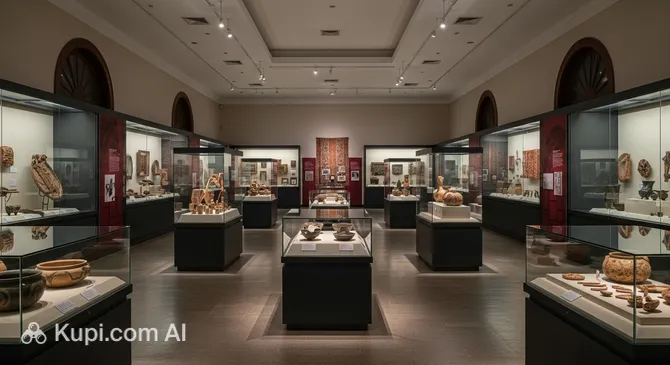
University of San Carlos Museum
University of San Carlos Museum. Иллюстрация. Источник: Kupi.com AI

The museum's exhibition is impressive in its scale, housing over 9,600 artifacts in its collections. The exhibits span a vast period—from pre-colonial times to the Spanish period and the modern day. Here, you can see not only rare historical objects but also unique specimens of the islands' flora and fauna, making the museum interesting for both historians and nature lovers.

The museum occupies the historic Dingman Building, built shortly after the Second World War. Despite its relatively small size, it holds high scientific and cultural value, serving as an important research center and a guardian of the memory of central Philippines' past.

Contacts

To plan your visit to the University of San Carlos Museum, it is helpful to have up-to-date contact information on hand. The museum remains one of the city's most accessible cultural sites, offering an educational leisure experience for a nominal fee.

The entrance fee is only 30 Philippine pesos, making it an excellent addition to a walk through the historical center.

How to contactContact
Address8V2X+384, Pelaez St, Cebu City, 6000 Cebu, Филиппины
Phone+63 32 253 1000

What to Do

A visit to the museum offers guests a fascinating journey through five exhibition galleries. In the south wing of the building, you can immerse yourself in the world of archaeology and biodiversity. The ancient burial artifacts are particularly striking: on display are unique boat coffins from Anda and limestone burial jars dating back fifteen hundred years.

Art and lifestyle enthusiasts should head to the north wing, which features the "Bahandi" and "Handumanan" collections. Here, you will find exquisite Chinese ceramics from the Song and Ming dynasties, as well as unique Bisayan religious artifacts. Don't forget to check out the exhibition in the corridor, which tells the detailed history of the university itself.

After exploring the main halls, be sure to stop by the museum foyer. You can purchase rare books and publications dedicated to the history of Cebu and the Visayas region, which make for excellent intellectual souvenirs of your trip.

Getting There

Finding the University of San Carlos Museum is easy, as it is located in the very heart of Cebu City. It occupies the Dingman Building on Pelaez Street, right within the university's main campus. The most convenient way to get here is by taxi or using popular ride-hailing apps in the Philippines, which will provide a comfortable trip from anywhere in the city.

If you prefer local flavor, you can reach the university by jeepney—the colorful Philippine minibuses that run through the city center. Most routes passing through the central streets stop within walking distance of the campus entrance.

Note an important detail: when entering the university building, you must present a form of identification (a passport or a copy) to the security officer in the lobby. It is also recommended to keep the lunch break schedule in mind to avoid arriving when the doors are closed in the middle of the day.

Ближайший город: Cebu City

History & Facts

The history of the University of San Carlos Museum is a chronicle of preserving the cultural code of the Visayas region. The official opening date is April 23, 1967, when the ribbon was cut by the university president, Father Rudolf Rahmann, and First Lady Imelda Marcos. However, the roots of museum work here go back much further.

The first museum at the institution—a so-called "cabinet of curiosities"—was founded as early as 1908. Unfortunately, that original collection was completely destroyed during the bombings of 1945 during the liberation of the islands. The modern museum essentially grew from the ruins: the Dingman Building, where the exhibits are housed today, was built on the foundation of the pre-war college destroyed in September 1944.

The systematic collection of artifacts resumed in 1952. Scientists meticulously cataloged finds ranging from ancient ceramics to rare specimens of flora and fauna. A significant milestone was the celebration of the 400th anniversary of the Christianization of the Philippines in 1965, for which a unique collection of 121 pieces of Spanish religious attributes was assembled. Since 2012, the museum has expanded significantly, adding new galleries to accommodate the richness of its collections.

Time Needed

To leisurely explore all five main galleries and delve into the details of the rich exhibition, most visitors need 1 to 2 hours. This is sufficient time to study the archaeological finds and familiarize yourself with the museum's ethnographic sections.

If you are a passionate history or archaeology enthusiast, you might want to linger longer at the displays of ancient Song and Ming dynasty ceramics or examine the details of rare cult objects from the Spanish era. In any case, a visit to the museum won't take up the entire day, making it easy to combine with other Cebu sightseeing.

Working Hours

When planning your visit to the University of San Carlos Museum, it is important to take note of its specific operating schedule. The museum welcomes visitors on weekdays and Saturdays, but there is a break in the middle of the day.

Opening Hours:

  • Monday – Friday: 08:30 AM to 12:00 PM and 01:30 PM to 05:00 PM.
  • Saturday: 09:00 AM to 12:00 PM.
  • Sunday: Closed.
Please note that the lunch break from 12:00 PM to 01:30 PM is strictly observed. It is also recommended to check the official university website before your trip to ensure there are no changes to the schedule due to holiday or academic events.

DayWorking hours
понедельник08:30–12:00, 13:30–17:00
вторник08:30–12:00, 13:30–17:00
среда08:30–12:00, 13:30–17:00
четверг08:30–12:00, 13:30–17:00
пятница08:30–12:00, 13:30–17:00
суббота09:00–12:00
воскресеньеЗакрыто

Nearby

After immersing yourself in history and culture within the museum walls, it is worth taking the time to see other interesting places in the area. Exploring the surroundings of central Cebu will allow you to see different facets of life in this dynamic city—from business centers to family recreation spots.

Below are objects located relatively nearby that may interest travelers:

NameDistance
Cebu City Sports Center0.3 km
Heritage of Cebu Monument0.6 km
Yap-San Diego Ancestral House0.6 km
Casa Gorordo Museum0.7 km
Cebu Metropolitan Cathedral0.7 km
Magellan's Cross0.8 km
Casino Español de Cebu0.8 km

Reached the end of the page?

That means the route is fully explored