Support

St. Catherine of Alexandria Cathedral

About

In the heart of the city of Dumaguete stands the majestic St. Catherine of Alexandria Cathedral—the oldest stone church on the island of Negros. Built from coral stone between 1754 and 1776, this temple is not only the spiritual center of the region but also an outstanding historical monument, incorporating Neoclassical and Gothic features.
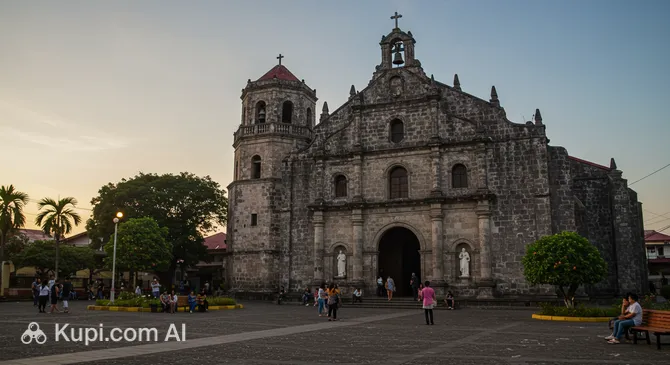
St. Catherine of Alexandria Cathedral
St. Catherine of Alexandria Cathedral. Иллюстрация. Источник: Kupi.com AI

The cathedral's facade draws attention with its austere beauty: it is adorned with statues of Saints Peter and Paul, and figures of the four evangelists are perched above the main entrance. Inside, visitors are greeted by a solemn atmosphere with high vaults, elegant chandeliers, and a magnificent gilded altar. Colorful stained-glass windows depicting key biblical stories add a special charm to the interior.

This architectural ensemble in the Philippines is inextricably linked to the famous Campanario bell tower, which once served as a watchtower. The cathedral serves as the seat of the diocese and is considered the main symbol of the "City of Gentle People," attracting travelers with its tranquility and authentic historical charm.

Contacts

To check the current service schedule or organize a group visit, you can use the official communication channels. The cathedral maintains active communication with parishioners and guests through social media.

How to contactContact
AddressPerdices St, Dumaguete, 6200 Negros Oriental, Philippines
Phone+63 917 156 3431
Websitewww.facebook.com

What to Do

When visiting the cathedral, the first thing to do is take some time to explore its interior. You can admire the expertly crafted stained-glass windows and detailed wood carvings. Many come here to see the statue of St. Catherine of Alexandria, the patron saint of the cathedral, whom locals revere as miraculous. Even if you don't participate in a service, the quiet and cool atmosphere of the church provides a perfect place for reflection and a break from the tropical heat.

Be sure to notice the Campanario bell tower standing nearby. It is one of the most photographed spots in the city. At the base of the tower is a small grotto dedicated to Our Lady of Perpetual Help, where candles are always burning. If you have the chance, head up to see the city and the coast from a bird's-eye view—the panoramic views here are breathtaking.

After exploring the temple complex, it's pleasant to stroll around the surrounding grounds. You can walk along the brick-lined paths that have preserved the spirit of antiquity or cross the road to Quezon Park (Rizal Park). On Sundays, it is especially lively, and you can observe the daily life of the city residents. Entrance to the cathedral is free, and early morning masses starting from 5 AM offer a unique chance to see parish life at its most authentic.

Getting There

Finding St. Catherine of Alexandria Cathedral is easy, as it is located in the heart of the city on Perdices St. This location is a central hub, so most hotels in the tourist area are within walking distance of the church. If you are staying near the waterfront, the walk to the cathedral will take only a few minutes.

For those arriving from further away or from Sibulan Airport (Dumaguete Airport), the most convenient way to get around is by taxi or a traditional Philippine tricycle. The trip from the airport takes about 20–30 minutes. If you are coming from the city port or the bus terminal, a tricycle ride to the cathedral will take no more than 5–10 minutes. Just tell the driver "Belfry" or "Cathedral," and they will take you right there.

Alternatively, you can use public transport: jeepneys and motorcycle taxis (habal-habal) regularly run along Perdices St. Keep in mind that parking directly at the cathedral is limited, so many travelers prefer to leave their transport near Rizal Boulevard and walk the rest of the way, enjoying the old town atmosphere.

Ближайший город: Dumaguete

History & Facts

The history of this majestic structure began in 1754 under the leadership of Father Jose Fernandez de Septien. Construction from coral stone lasted over twenty years and was completed in 1776. Initially, the parish in Dumaguete was founded much earlier, in 1620, and for a long time served as the main spiritual center for the entire southeast of Negros Island.

In the 19th century, the cathedral faced many trials. In 1846, during a fiesta celebration, a fire broke out due to the careless use of fireworks, destroying the original wooden ceiling, the ancient organ, and the altars. Nevertheless, the main stone walls survived, and the adjacent convent was saved. Later, during the ministry of the Augustinian Recollects, the church was significantly renovated: a galvanized roof, side altars, and a new organ brought from Zaragoza in 1891 were added.

A special feature of the architectural ensemble is the detached Campanario de Dumaguete (bell tower), built in 1879. In those days, it served not only a religious but also a defensive function, acting as a watchtower to warn residents of pirate raids from the sea. The church received cathedral status in 1955, when the Diocese of Dumaguete was officially established.

Today, St. Catherine of Alexandria Cathedral remains not only an active place of worship but also a major landmark of the colonial era in the Philippines. Its facade, decorated with statues of saints and evangelists, and the ancient mossy walls of the bell tower serve as a reminder of the region's rich historical heritage and its resilience over time.

Time Needed

A standard visit to the cathedral and its surroundings usually takes 1 to 2 hours. This is quite enough time to leisurely explore the interior of the church, admire the stained glass, and appreciate the details of the facade.

If you plan to visit the Campanario bell tower, take commemorative photos against the ancient walls, or visit the nearby Quezon Park, you should allow a bit more time. Attending a mass, which is held regularly, will also increase your stay but will allow you to experience the local atmosphere more deeply.

Working Hours

The cathedral is open to visitors daily, making it easy to include in any tourist itinerary. Official visiting hours are divided into morning and afternoon blocks:

Monday – Sunday: from 9:00 AM to 12:00 PM and from 2:00 PM to 5:00 PM.

It is worth considering that religious services (masses) begin much earlier—from 5:00 AM on weekdays. During mass, sightseeing may be restricted so as not to disturb the worshipers, so tourists are recommended to plan their visit between services.

9:00 – 12:00, 2:00 – 17:00

Nearby

The cathedral's location in the historical center makes it an ideal starting point for a walk around the city. Just steps away from the church, you will find key monuments and cozy parks that allow you to dive deeper into the culture and daily life of the locals.

Visiting the area around the cathedral offers a chance to see old colonial-era houses and memorials dedicated to national heroes. Most of these sites are within a five-to-ten-minute walk, allowing for a rich walking itinerary.

NameDistance
Quezon Park0.1 km
Gerry's Grill Dumaguete0.3 km
Lee Super Plaza0.3 km
Sans Rival Bistro0.4 km
DumaGetMe Sign0.6 km
Skewers Bar Dumaguete0.8 km
Place Dumaguete0.9 km

Reached the end of the page?

That means the route is fully explored