Support

Daet

About

Daet is the bustling capital of Camarines Norte province, located in the southeastern part of Luzon Island. Often called the gateway to the Bicol region, this city attracts travelers with its unique blend of dynamic urban life and the relaxed atmosphere of a coastal resort. With a population of over 111,000, Daet serves as an important commercial and cultural center while retaining the charm of provincial comfort.

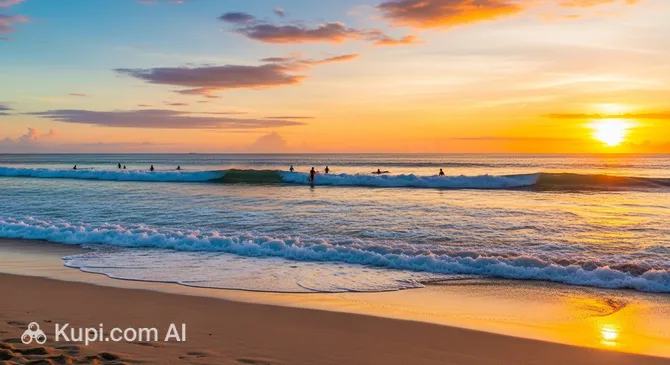
Many tourists visiting the Philippines include this city in their itinerary for the famous Bagasbas Beach. It is one of the oldest and most popular surfing spots in the country, known for its long waves and safe sandy bottom, making it ideal for both beginners and experienced wave riders.

Daet. Illustration.
Source: Kupi.com AI

Beyond its natural beauty, the city takes pride in its heritage. The rich history of Daet is reflected in its landmarks, the foremost of which is the First Monument to Jose Rizal. This monument, erected in honor of the national hero, is considered the oldest in the country and serves as an important symbol of pride for local residents.

Another "highlight" of the region is the incredibly sweet "Formosa" variety of pineapples. The city is widely known for its annual Pinyasan Festival, which colorfully showcases local traditions, culinary talents, and the hospitality of its people. A trip to Daet offers you the chance not only to catch a great wave but also to enjoy the taste of the sweetest tropical fruits surrounded by picturesque landscapes.

Weather Overview

The climate in Daet is characterized by consistent warmth and high humidity, creating a classic tropical atmosphere throughout the year. The average air temperature changes gradually from a comfortable +25°C in January and February to +28°C in May, which is traditionally considered the hottest month. Even at night, the air rarely cools below +23°C, providing warm evenings for walks.

Travelers should keep in mind that precipitation here is a frequent and regular occurrence. The number of rainy days varies from 18 in April to 30 in July, so the weather in Daet requires having an umbrella or raincoat in your luggage regardless of the season. Despite the frequent rain, it is often short-lived and refreshing, not hindering your enjoyment of the trip.

Expect consistently hot weather year-round with a high probability of precipitation, especially in the summer and autumn months when rain can occur almost daily.

Average monthly temperature

Average monthly precipitation

Interesting Facts

Помимо основных достопримечательностей, Даэт хранит множество увлекательных секретов, которые открываются только самым любознательным путешественникам. Этот город удивительным образом сочетает в себе исторические рекорды и уникальные природные особенности.
  • First in History: Although the Jose Rizal monument is a well-known attraction, few know that the monument in Daet was erected in 1898—two years before the famous monument in Manila's Luneta Park. This makes it the very first monument to the national hero in the entire country, built exclusively through voluntary donations from local residents rather than by government decree.

  • The Pineapple Eaten Whole: The local "Queen Formosa" pineapple variety, which made the city famous, is unique not only for its sweetness. Unlike most other varieties, these fruits have a soft and crunchy core that doesn't need to be cut out—the pineapple can be eaten in its entirety. Due to their small size, these fruits are rarely exported far, so they can only be tasted fresh here.

  • A Name Meaning "Proximity": The city's name has deep roots. It is believed that the word "Daet" comes from the Bicolano term "dai-daitan," which translates to "to be close to each other" or "to meet." Legend has it that this place historically served as a meeting point for traders and residents of various settlements, bringing people together even before the arrival of the Spanish.

  • The Cradle of Philippine Surfing: Bagasbas Beach, beloved by tourists visiting the Philippines, is considered one of the first places in the country where surfing culture was born. Long before the popularity of Siargao, American servicemen and local enthusiasts caught waves here, allowing the city to preserve an authentic "old school" surfing atmosphere without unnecessary hype.

How to Get There

When planning a trip to this picturesque corner of Camarines Norte province, it is important to think about logistics in advance, as there is no direct air service to the city itself. However, getting here is easy thanks to a developed road network and proximity to several transport hubs. You can learn more about how to get to Daet by studying all available routes, but the main way to arrive for most tourists remains flying to neighboring cities followed by a journey via ground transport.

The closest airport to the city is Naga Airport (WNP), located in the town of Pili. This is the most convenient option for those who want to reduce land travel time. There is no airport in Daet itself, so you will have to cover a distance of approximately 66 km from Pili. A taxi or transfer ride will take about 2 hours, making this route one of the fastest ways to reach the coast.

The main air gateway to the country is Ninoy Aquino International Airport (MNL), located in the capital, Manila. This is a major hub with massive passenger traffic, receiving flights from all over the world. The airport is about 215 km from Daet. Traveling by car or bus from here will take longer, approximately 6 hours, but it is often the only option for direct international flights.

Another alternative is Bicol International Airport (DRP) in Daraga. This is a modern airport serving the region. The distance to the center of Daet is about 134 km. The journey by taxi or bus will take approximately 3 hours and 40 minutes. This option is convenient if you plan to combine your trip with a visit to Mayon Volcano, which is located near the airport.

For clarity, here is a summary of the main airports:
AirportPassenger trafficDistance
Naga Airport71 48766 km
Bicol Airport662 580134 km
Virac Airport53 265147 km
Masbate Airport75 000205 km
Ninoy Aquino International Airport50.1 mln215 km

Main Attractions

Although Daet is often perceived as a transit point, the city and its surroundings boast iconic sites that deserve travelers' attention. Here, significant historical milestones and the relaxed atmosphere of a coastal getaway are wonderfully intertwined.

The unquestionable symbol of the city is the First Monument to Jose Rizal. This is not just a monument but an important historical shrine: it was erected in 1898, predating the famous monument in Manila. The three-tiered white stone structure, topped with a star, is located near the riverbank. Tourists come here to pay their respects to the national hero and see a structure built through voluntary donations from local residents during the revolution.

Outdoor enthusiasts and lovers of seascapes should head to Bagasbas Beach. This spot attracts surfers from all over the world, as the Philippines is famous for its waves, and Bagasbas is one of the cradles of this sport in the country. The wide stretch of gray sand is perfect not only for surfing but also for long walks or picnics. A well-maintained promenade lined with cafes stretches along the shore, where you can sample local dishes after a day in the sun.

To immerse yourself in the region's culture, a visit to Museo Bulawan is recommended. The name translates to "Gold Museum," referencing the rich history of mining this precious metal in Camarines Norte province. The museum's collection includes archaeological finds, historical documents, and artworks that tell the story of the life and traditions of local people over the centuries.

Another architectural landmark is the Provincial Capitol. This majestic building with columns, surrounded by a well-kept park, serves as the center of administrative life. Tourists are drawn here by the spacious plaza in front of the building, which often hosts city celebrations and festivals, as well as the picturesque view of the facade, especially when illuminated in the evening.

Local Cuisine

The cuisine of Daet is a true reflection of the culinary traditions of the Bicol region, which is famous throughout the Philippines for its love of hot peppers and coconut milk. Local food is distinguished by its rich flavor, creamy texture, and generous use of spices, making it some of the most characteristic and memorable in the country. If you enjoy spicy dishes, this city will be a true paradise for you.

The main gastronomic symbol that is a must-try is Bicol Express. This is a pork stew cooked in coconut milk with plenty of shrimp paste and green chilies. The dish is fiery hot, but the creamy notes of the coconut soften the heat. No less popular is Laing—dried taro leaves simmered for a long time in coconut cream with meat or seafood. For those seeking something exotic, Kinunot is recommended—stingray or shark meat prepared with malunggay leaves and vinegar in the same signature coconut sauce.

Since Daet is famous for its "Formosa" pineapples, this fruit is frequently found not only in desserts but also in main courses. Locals take great pride in the sweetness of their pineapples, so tourists often buy them fresh right on the streets or order fruit salads. Another important delicacy is pili nuts. This endemic nut with a buttery texture is served roasted, sugar-glazed, or used in pastries—it's the perfect snack or souvenir.

As for drinks, in Daet's hot climate, fresh juices and shakes are the stars of the table, especially those made from mango and, of course, pineapple. Among alcoholic beverages, Lambanog is worth noting—a traditional coconut wine or vodka. It is a strong drink, often artisanal, and it is customary to drink it in large groups during festivities.

The food culture in Daet is democratic and relaxed. There are not many expensive fine-dining restaurants; instead, carinderias are widespread—small family cafes with prepared home-cooked food displayed in trays. This is the best way to affordably get to know authentic flavors. A special atmosphere prevails in the Bagasbas Beach area: street food is popular here, and tourists can enjoy barbecued seafood or chicken intestines (isaw) right on the shore, accompanied by the sound of the waves.

Travel Tips

A trip to Daet promises to be a vibrant adventure combining surfing, culinary discoveries, and immersion in local culture. To ensure your journey to this cozy corner of Camarines Norte is as comfortable and hassle-free as possible, we have prepared a list of useful recommendations based on the realities of local life.

  1. Clothing and Gear: Given the tropical climate, opt for light and breathable clothing made from natural fabrics. Since the Philippines is known for its changeable weather, be sure to bring a high-quality raincoat or a folding umbrella—showers here can start suddenly. For visiting Bagasbas Beach, a special lycra shirt (rashguard) will come in handy to protect against the sun and board rash.

  2. Transport Nuances: There are no standard taxi services or Uber in Daet. The main way to get around the city is by tricycles (motorcycles with a covered sidecar). This is cheap and colorful transport. Important: always agree on the price of the trip before boarding, especially if you look like a tourist. For trips to neighboring villages, use jeepneys or minivans that depart from the central terminal.

  3. Financial Matters: Cards are only accepted in large shopping centers (e.g., SM City) and some hotels. In other places, including markets and beach cafes, cash is king. Stock up on small bills (20, 50, 100 pesos), as tricycle drivers often lack change for large banknotes. It is better to exchange currency in advance in Manila or withdraw cash from ATMs of major banks (BDO, BPI) in the city center.

  4. Health and Water: It is categorically not recommended to drink tap water. Buy only bottled water in sealed containers. It's also worth putting together a small first-aid kit: stomach remedies, antiseptics, and, most importantly, mosquito repellent, as insects are active year-round in the tropics.

  5. Communication and Internet: English is widely spoken, and you will be understood almost everywhere. For mobile internet, it's best to buy a local SIM card (Globe or Smart) immediately upon arrival in the country. In Daet, 4G/LTE coverage is quite stable in the center but may drop near remote beaches. Wi-Fi in hotels is not always high-speed.

  6. Local Etiquette: Filipinos are incredibly friendly and smiling people. It is customary to greet even strangers here. When communicating with the elderly, show marked respect. In public places, behave with restraint; loud conversations are not common.

  7. What to Avoid: The main rule is to never raise your voice or lose your temper in public, even if a problem arises. In local culture, this is considered "losing face" and may result in others simply stopping interaction with you. Any conflict is better resolved with a smile and calmness.

  8. Tip for Foodies: While in Daet, don't miss the chance to buy fresh pineapples from street vendors rather than a supermarket. Ask them to peel the fruit for you and, according to local tradition, sprinkle it with a little salt—this surprisingly brings out the sweetness of the famous "Formosa" variety.

Daet is a city that reveals itself to those ready to embrace its unhurried rhythm and sincere hospitality. By following these simple tips, you can avoid everyday mishaps and focus entirely on catching waves, studying history, and enjoying the taste of the true tropics.

Entertainment & Nightlife

Nightlife in Daet lacks the pretension of noisy megapolises with their neon lights and massive clubs. Instead, it offers a cozy and soulful atmosphere conducive to relaxed rest. An evening in the provincial capital is a time for socializing with friends, enjoying delicious food, and listening to good music, often accompanied by the ocean breeze.

The epicenter of evening activity is undoubtedly the Bagasbas Beach Promenade. As the sun sets, this place is transformed: surfers emerge from the water, the lights of numerous grill bars and open-air cafes flicker on, and the air fills with the aroma of barbecue. This is the perfect location for those who want to spend the evening in flip-flops and shorts while enjoying cold drinks. Local acoustic bands often perform along the boulevard, creating a romantic and laid-back mood.

If you want to experience a more urban rhythm, head to the city center (Centro). This area is home to classic bars and karaoke establishments (KTV) that are extremely popular in the Philippines. The crowd here is diverse, ranging from students to office workers unwinding after the work week. The dress code in most places is casual, but a smart-casual style is better for visiting indoor bars in the center.

Among specific venues worth noting, 2GANG Sports Diner stands out. This place is popular for its friendly atmosphere, sports broadcasts, and hearty menu. People come here to discuss the latest news over dinner or simply relax in good company. The establishment is great for those looking for a comfortable spot without excessive noise.

For culinary explorers, the Night Market is a must-visit. It is a true street food attraction where trade is brisk and cheerful. Here you can try famous local skewers like "isaw" (chicken intestines), fried fish, and fresh fruit shakes. Dinner here is very affordable and allows you to immerse yourself in the authentic life of the city.

Practical Tips:

  • Safety: Daet is a peaceful city, and walking here in the evening is relatively safe, especially in crowded areas like the promenade. However, as with any trip, keep an eye on your personal belongings and avoid dark alleys.
  • Transport: The main way to get around at night is by tricycle. Be sure to agree on the price before boarding, as night rates may be slightly higher than daytime rates. Transport is easiest to find on the main streets.
  • Opening Hours: Life in bars and cafes usually picks up after 8:00 PM. Most venues stay open until 1:00 or 2:00 AM, so it’s best to arrive around 9:00 PM to catch the height of the fun.

While the city attracts tourists during the day with surfing and beaches, it is in the evening that Daet reveals its second, carefree side. This is the time to forget the hustle and bustle and feel like part of a large and friendly local community.

Parks & Museums

Despite its status as a busy administrative center, the city of Daet manages to surprise travelers with quiet green corners and a careful attitude toward its heritage. For those who want to take a break between surfing and gastronomic adventures, the city offers several cozy parks and cultural sites that tell the story of this region's rich past.

Among the green zones, Kalayaan Park holds a special place. Located in the immediate vicinity of the Provincial Capitol, this park serves as the main relaxation spot for local residents. Here you can stroll along shady paths, hide from the midday heat under spreading trees, or simply observe the unhurried rhythm of provincial life. The park often becomes a venue for city fairs and cultural events, and in the evenings, beautiful illuminations are turned on, creating a romantic atmosphere.

Another popular spot is the Town Plaza, which was recently modernized. This elevated space in the city center overlooks the busy streets. The plaza is equipped with seating areas and playgrounds, making it ideal for family walks. A fountain has been installed here, which is especially popular with children, and benches are located around the perimeter where you can rest after sightseeing.

The main guardian of the history of the city and the entire province is Museo Bulawan. This is a key cultural site, a must-visit for anyone interested in ethnography. Its halls display rare artifacts found in Camarines Norte, including ancient jewelry, ceramics, and tools. Special attention is paid to the history of gold mining, which has played an important role in the region's economy for centuries. Additionally, the museum often exhibits works by local artists and sculptors, showcasing the modern talents of the Bicolanos.

Architecturally, the Church of St. John the Baptist deserves great attention. It is one of the oldest Catholic churches in the city, serving not only as a religious center but also as a witness to many historical events. The church building, which has survived several renovations, retains features of classical colonial architecture. Inside, you can see a beautiful altar and stained-glass windows that create an atmosphere of peace and spirituality.

It is also worth noting the Old Municipal Building, which is a fine example of civic architecture from the first half of the 20th century. Although the administrative center has now shifted, this building remains an important monument reflecting the city's development during the American colonial era. Its strict lines and historical facade often attract architectural photography enthusiasts.

Insider Tip: If you are looking for seclusion, head to the Daet Riverfront, located slightly away from the Rizal monument. This place is not as popular with tourists as the beaches, but it is here that you can watch some of the most picturesque sunsets, as the sun dips behind the palm groves and reflects in the calm water of the river.

Getting Around

The public transport system in Daet differs significantly from what residents of megapolises are used to. Here you won't find subways, trams, or large municipal buses plying the city streets. All urban traffic relies on small-scale transport, which gives travel a special local flavor and makes it intuitively understandable even for first-time visitors.

The absolute "king of the road" in the city is the tricycle—a motorcycle with a covered sidecar for passengers. This is a universal means of transport, serving here as the equivalent of a classic taxi. Tricycles ply everywhere, from central streets to remote areas. There are two travel formats: "shared" (ordinary), where the driver picks up fellow passengers along the way, and "special," where you hire the entire vehicle to go to a specific point without stops. The second option is more expensive but faster and more comfortable.

For travel along fixed routes, for example, from the city center (Centro) to Bagasbas Beach or to neighboring municipalities, the legendary jeepneys are used. These are elongated, brightly colored vehicles that serve as the equivalent of shared taxis. They don't have route numbers in the conventional sense, but the direction of travel is always written in large letters on the windshield or sides. Jeepneys are the most budget-friendly way to get to the coast.

For very short distances, especially in residential quarters or around the market, you can use the services of padyaks. These are bicycles with a sidecar, powered by the driver's muscle strength. They move slowly and are ideal for leisurely trips of 1–2 kilometers when it's too hot to walk and it doesn't make sense to call motorized transport.

The payment system here is extremely simple and conservative: cash only. There are no transport cards, validators, or mobile apps for paying fares in city transport. Payment is made directly to the driver (in tricycles and padyaks) or passed through the chain of passengers (in jeepneys). Locals use the phrase "Bayad po" when handing over the money.

Fares are fixed for standard routes but can vary depending on the distance. A jeepney ride or a short tricycle trip in shared mode will cost a symbolic amount (usually from 15 to 30 pesos). If you take a tricycle in "private/special" mode, the price is negotiable and depends on the distance. For tourists, it is crucial to have small bills and coins, as drivers often do not have change for large banknotes.

Standard taxi services or car-sharing apps (like Uber or Grab) are not currently available in Daet. Renting a car without a driver is also not common. If you need transport for the entire day, the best alternative would be renting a minivan with a driver through your hotel or arranging a hourly rate with a tricycle driver.

Transport starts running early in the morning at sunrise, and activity decreases after 8:00–9:00 PM. Late at night, finding a tricycle or jeepney can be problematic, especially in areas far from the center, so plan your return to the hotel in advance or arrange with a driver to pick you up at an appointed time.

Accommodation

The choice of accommodation in Daet, as in many provincial capitals, is characterized by its affordability and simplicity. You are unlikely to find five-star hotel giants or ultra-luxury villas here. The bulk of the hotel stock consists of cozy family-run mini-hotels, budget hostels for surfers, and classic mid-range hotels offering clean rooms and basic comfort at very accessible prices.

Geographically, accommodation options can be divided into two main zones, each with its own unique atmosphere. The first is City Center (Centro). Staying here is convenient for those who plan to use Daet as a base for trips around the province or who value proximity to transport terminals, markets, and banks. Hotels here are generally geared toward business travelers and offer a standard set of amenities, including air conditioning and stable internet access.

The second and most popular zone among tourists is the Bagasbas Beach area. This is the ideal spot for those who came for the ocean and surfing. Accommodation here ranges from simple bungalows and surf camps to resort hotels overlooking the coast. The atmosphere here is more relaxed: you will fall asleep to the sound of the surf and can walk to the water in just a couple of minutes. However, keep in mind that urban infrastructure here is less dense than in the center.

The price range in Daet will pleasantly surprise budget travelers. The cost of a night in a hostel or guesthouse often starts at very modest amounts, and a comfortable double room in a good hotel will cost significantly less than in the country's popular resorts. It is highly recommended to book accommodation in advance, especially if your trip coincides with Holy Week or the famous Pinyasan Festival (usually in June), when the city fills with visitors.

Regarding booking methods, large hotels are featured on popular international online platforms. However, many small guesthouses and local surf resorts still take bookings through their social media pages or by phone. It is also important to remember that small accommodation facilities often only accept cash, so it is worth taking care of changing money before checking in.

Nearby Cities

For those looking to explore the surroundings, Daet serves as an excellent starting point for day trips to several interesting nearby locations:

Just 30 kilometers from the provincial capital lies Labo. This destination is particularly popular among eco-tourism enthusiasts thanks to its natural wealth. Here you can visit picturesque waterfalls such as Saltahan and Malatap, or go hiking on forested slopes, enjoying the coolness and silence away from the coast.

Another interesting option for a short visit is Libmanan. This is a large municipality located in the neighboring province but quite accessible for a day trip. Travelers are drawn here by the opportunities for caving and visiting natural parks where you can see the untouched landscapes of the Bicol region.

CityPopulationDistance
Basud45 13310 km
Vinzons49 04214 km
Paracale60 19824 km
Labo109 24531 km
Del Gallego26 40334 km

These nearby destinations allow for a more complete understanding of the diverse culture and landscapes of the region, successfully complementing a beach holiday with new experiences.

Shopping & Souvenirs

Shopping in Daet is not about chasing high fashion, but rather an opportunity to immerse yourself in the atmosphere of provincial life and find unique local goods. As the commercial center of Camarines Norte province, the city offers travelers a balanced mix of modern conveniences and traditional trade. You won't find a huge number of luxury brand boutiques here, but you can purchase high-quality handmade items, the freshest produce, and delicacies famous throughout the Philippines at very pleasant prices.

The city's commercial life is concentrated along several main arteries. Vinzon Avenue is considered the primary shopping street. Strolling along it, tourists will find numerous banks, pharmacies, clothing stores, and small electronics shops. Bustling trade also takes place in the Centro district, where historical quarters neighbor various shops offering everything from textiles to household goods. These are the best places for leisurely walks and observing the daily lives of the residents.

For those who prefer comfortable air-conditioned shopping, there are several shopping centers in the city. The main point of attraction is SM City Daet—the first large mall of the SM chain in the province. It features a wide selection of brand-name stores, a supermarket, a cinema, and a food court area. This is the perfect place if you need to buy familiar international goods, cosmetics, or just take a break from the tropical heat. Central Plaza Mall is also popular, an older but local-favorite shopping complex with affordable prices.

To experience the true taste of the region, be sure to visit the Daet Public Market. This is a colorful place where stalls burst with fresh fruits, vegetables, and seafood. You can also find sections with clothing and household knick-knacks. The market is the best place to buy gastronomic souvenirs, as prices here are significantly lower than in supermarkets, and the selection of local products is enormous. Night markets with street food and inexpensive goods are often organized in the city in the evenings.

The question of souvenirs in Daet is solved easily and deliciously. The city's main brand is the "Formosa" variety of pineapples. Tourists often buy them fresh (they travel well if you choose slightly underripe fruits) or in the form of jams, candies, and pies. The second mandatory item is pili nuts—sold roasted, caramelized, or salted. Additionally, Camarines Norte province is historically known for gold mining, so there are many jewelry shops in Daet. You can find high-quality, finely crafted gold jewelry at prices that are often lower than in the capital. Also, look for items made from abaca fiber: bags, hats, and home decor.

Most shops in the city open around 9:00 or 10:00 AM and work until 8:00 or 9:00 PM. Markets start their life much earlier—at dawn, around 5:00–6:00 AM. Regarding payment, large shopping centers like SM City and chain stores accept credit cards (Visa, Mastercard) without any problems. However, in small shops, at the market, and in souvenir kiosks, cash is king. It is recommended to always have a supply of small bills, as change from large banknotes can be a problem. Lately, GCash e-wallets have been gaining popularity and are accepted even by some street vendors.

The Tax-Free system is practically non-existent in Daet. Although there are VAT refund initiatives for tourists in the country, they are generally only implemented in the largest stores in Manila or Cebu. In provincial cities, you shouldn't count on Tax-Free processing, so just enjoy the low prices without additional procedures.
Nearby cities

Reached the end of the page?

That means the route is fully explored