Support

Malay

About

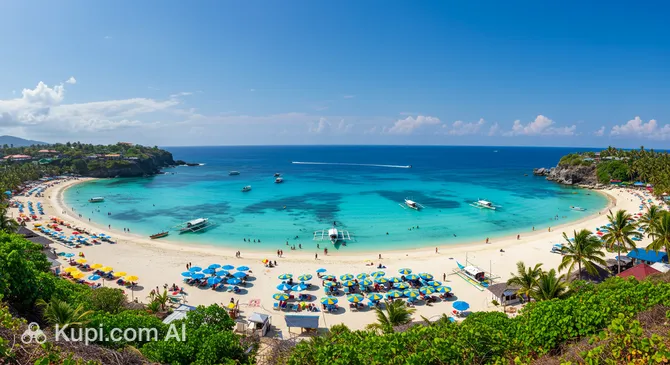
Malay is a true gem of Panay Island, nestled in the far west of Aklan province in the Philippines. The town stretches along the picturesque coast of the Sibuyan Sea, surrounded by lush mangroves, coconut palms, and endless sandy beaches. This place has a special, relaxing atmosphere that immediately enchants travelers.

Malay. Illustration.
Source: Kupi.com AI

Malay is home to about 60,000 people, giving it the feel of a small but lively resort center. The town plays a key role in the region's tourism infrastructure, as it is home to the famous Caticlan Jetty Port — the main gateway to the world-renowned Boracay Island, famous for its paradise beaches. Many travelers begin their journey to Boracay from here.

Beyond its transit importance, Malay is attractive to tourists in its own right. The town offers a unique combination of dynamic resort life and the charm of a traditional Philippine province. Here, you can enjoy magnificent beaches, explore the underwater world through diving, or get acquainted with authentic local cuisine. Malay lives to the rhythm of colorful holidays and festivals, and its scenic waterfronts are perfect for leisurely strolls.

If you want to discover the real Philippines — vibrant, hospitable, filled with sun and smiles — then Malay will be an excellent choice for you. This town will give you unforgettable impressions and allow you to immerse yourself in the unique atmosphere of a tropical paradise.

You can find more interesting facts on the history of Malay page.

Weather Overview

The climate in Malay is typically tropical, which means warm and humid weather throughout the year. Air temperatures usually range from 25°C to 29°C, creating comfortable conditions for relaxation. Precipitation is a common occurrence here; however, one can distinguish a rainier season, which usually lasts from June to November, and a relatively drier period from February to April, when the number of rainy days and total rainfall significantly decrease. For detailed information on weather conditions by month and to better plan your trip, we recommend visiting the Malay Climate page.

Average monthly temperature

Average monthly precipitation

Interesting Facts

Malay is not just the gateway to the famous Boracay, but also a place full of amazing discoveries for the curious traveler. Here are some interesting facts that will help you look at this Philippine corner in a new way:

Magic Island Boracay. Illustration.
Source: Kupi.com AI

Traveler photos:

  • Malay serves as the starting point for a trip to the world-famous Magic Island Boracay. It is thanks to this island with its legendary white beaches, which have repeatedly topped the lists of the best in the world, that Malay gained international fame.

  • In Malay, you can immerse yourself in the atmosphere of one of the most colorful and ancient festivals in the Philippines – Ati-Atihan. This celebration in honor of the Holy Child Jesus (Santo Niño) is famous for its street dancing, participants in traditional costumes, and the loud beating of drums, creating an unforgettable spectacle.

  • The town is one of the residential areas for the indigenous Ati people. A visit to Malay provides a unique opportunity to get acquainted with their original culture, centuries-old traditions, and crafts, which are carefully preserved and passed down from generation to generation.

How to Get There

A trip to Malay, which is the main gateway to the famous Boracay Island, most often begins with a flight. Due to the region's high tourist popularity, transport links here are excellently established. You can find out all the ways to get to the city and choose the most suitable route on a separate page.

The most convenient and closest option is Boracay Airport (IATA: MPH), also known as Godofredo P. Ramos Airport. It is located in the immediate vicinity, in the Caticlan area, just 2.7 km from the center of the Malay municipality. This is a major transport hub that handles many flights daily. Travel time from the terminal to the city center or the port by tricycle will be only about 25 minutes.

An alternative option is often Kalibo International Airport (IATA: KLO). It is located not in Malay itself, but in the neighboring city of Kalibo, the administrative center of the province, at a distance of approximately 51.8 km. International charter flights often arrive here, and tickets may be cheaper. A transfer by bus or minivan from Kalibo to Malay will take approximately 1 hour and 40 minutes.

You can also consider flying through Roxas Airport (IATA: RXS). It is located in Roxas City, 92.7 km from Malay. This is a less popular route for tourists heading to Boracay, as the journey by land will take significantly more time — about 2 hours and 40 minutes.

For clarity, here is a summary of the main airports:

AirportPassenger trafficDistance
Boracay Airport3.8 mln3 km
Kalibo International Airport1.8 mln52 km
Roxas City Airport404 46393 km
Evelio Javier Airport15 000125 km
Bacolod-Silay International Airport1.9 mln170 km

As for rail transport, there are no railways on Panay Island, where Malay is located. It is impossible to reach the city by train. The main land transport connecting Malay with other cities in the province and the island consists of comfortable buses, minivans (V-hire), and jeepneys. If you are arriving from other regions of the Philippines, you will have to combine ferry services and bus trips.

Main Attractions

Malay, snugly located in the province of Aklan in the Philippines, boasts several remarkable places that will add bright colors to your journey. This region, known primarily for its proximity to the famous Boracay, offers unique opportunities for relaxation and entertainment.

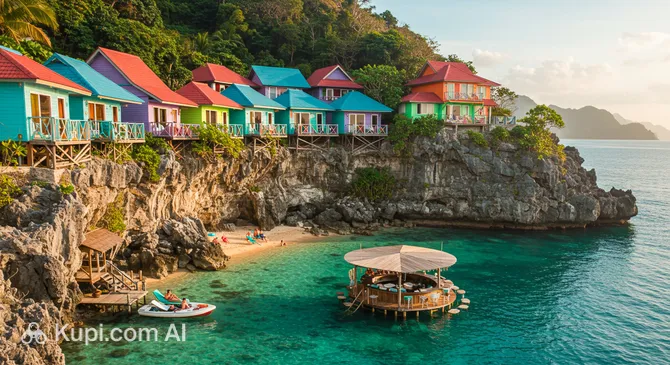
One such place is Crystal Cove Island Resort. This resort complex attracts visitors with its natural beauty, including two picturesque coves and crystal-clear waters ideal for swimming and snorkeling. Tourists come here to enjoy the tranquility, explore small caves, and take stunning photos against the backdrop of rocky formations and emerald greenery.

Crystal Cove Island Resort. Illustration.
Source: Kupi.com AI

Traveler photos:

For lovers of unusual experiences and vibrant photos, Magic Island Boracay is a must-visit. This is a popular tourist attraction where you can immerse yourself in the world of optical illusions and 3D art. Here, you will find many interactive installations that allow you to become part of the painting and take funny, memorable photos. It is a great place for family vacations and those looking for something new and exciting.

Magic Island Boracay. Illustration.
Source: Kupi.com AI

Traveler photos:

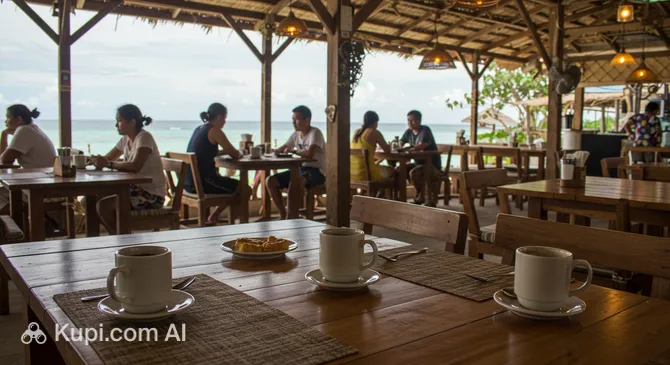
And if you want to take a break and enjoy a cup of aromatic drink, stop by the local Coffee Shop. It is not just a place where coffee is served, but an opportunity to plunge into the relaxed atmosphere of the island, try local desserts, and perhaps observe daily life. Such establishments often become a cozy sanctuary for tourists after a busy day of adventures.

Coffeehouse. Illustration.
Source: Kupi.com AI

Traveler photos:

Local Cuisine

The culinary scene in Malay is a true paradise for foodies, offering a vibrant immersion into Filipino cuisine. Here, you can enjoy classic dishes such as fragrant adobo (meat marinated in soy sauce with garlic and spices) and rich kare-kare (a hearty stew with a thick peanut sauce). All dishes are prepared from the freshest local products, including fish, seafood, and succulent exotic fruits, making every meal unforgettable.

The special pride of Malay is, without a doubt, its seafood dishes. Along the waterfront and in local markets, you will find many grill stalls where freshly caught squid, mussels, or prawns are prepared right before your eyes. Be sure to try sinigang — a traditional sour soup, often with seafood, based on tamarind, and of course, kinilaw — the Filipino version of ceviche, where fresh fish is marinated in vinegar with lime, onions, and chili peppers. This dish perfectly demonstrates the freshness of local marine treasures.

As for drinks, in Malay, you can quench your thirst with freshly squeezed juices from exotic fruits like mango or pineapple, as well as the popular coconut juice (buko) straight from a young coconut or refreshing calamansi juice. Among alcoholic beverages, it's worth trying local beer or traditional drinks like tuba (coconut wine). Those with a sweet tooth will certainly enjoy halo-halo — the famous dessert made of crushed ice, condensed milk, various fruits, sweet beans, and jelly. Also, streets often sell crispy banana chips and fresh tropical fruits like rambutan and lanzones.

The food culture in Malay is very diverse. Locals and tourists alike enjoy food in lively street cafes and markets, where you can taste authentic dishes at affordable prices, as well as in more formal restaurants. For a pleasant break with a cup of aromatic local coffee and light snacks, you can stop by a place like the Coffee Shop. The town is also known for its gastronomic festivals and fairs, which provide an excellent opportunity not only to try local delicacies but also to get a deeper understanding of the region's culinary culture, sometimes even participating in masterclasses on preparing national dishes.

Travel Tips

Planning a trip to Malay? Wonderful! To ensure your journey through this corner of the Philippines goes smoothly and leaves only pleasant impressions, we have prepared some practical tips.

  1. Clothing and packing for the weather:

    The tropical climate of Malay (including the famous Boracay Island, which is administratively part of the Malay municipality) dictates a choice of light, breathable clothing made of cotton or linen. Be sure to bring several swimsuits! Don't forget sunscreen with a high SPF, a hat, high-quality sunglasses, and insect repellent. Comfortable shoes such as sandals and flip-flops are indispensable. For active recreation or excursions on the mainland, light sneakers may be useful. When visiting churches (for example, in Malay town on the mainland), modest clothing that covers shoulders and knees is required. Electrical outlets in the Philippines are usually type A, B, and C (220V voltage, 60 Hz frequency) — a universal adapter will come in handy.

  2. Moving around the town and surroundings:

    The main transport for getting around Malay, especially for trips to Boracay and around the island itself, are tricycles (motorcycles with a passenger sidecar) and their more eco-friendly versions – e-trikes. Always agree on the fare before starting your trip. Traditional bangka boats are used for moving between islands or along the coast. Ride-hailing apps like Grab may be available, but tricycles remain the most common and authentic way to travel short distances. Motorbike rentals are possible but require caution on the roads and a mandatory helmet.

  3. Financial matters:

    The local currency is the Philippine peso (PHP). You can exchange currency at banks or authorized exchange offices in Caticlan (port and airport, from where you depart for Boracay) or directly on Boracay. The rate at the airport is usually less favorable. Credit and debit cards (Visa, Mastercard) are accepted in most hotels, restaurants, and major stores, especially on Boracay. However, it is strongly recommended to always have enough cash on hand to pay for tricycle rides, purchases at markets, in small souvenir shops, and for various fees (e.g., environmental). ATMs are available, but consider possible withdrawal fees and your bank's limits. Tipping in the Philippines is not strictly mandatory but is always welcomed for good service (usually 5-10% of the bill). Some restaurants already include a service charge in the bill.

  4. Health and safety:

    Before your trip, be sure to take out travel medical insurance with good coverage. Pharmacies are available, but the range of medicines may differ from what you are used to, so it is better to bring a basic first-aid kit (painkillers, antiseptics, remedies for stomach upset, plasks). Drink only bottled water. Be selective when choosing street food, preferring places with high turnover and good reviews. Malay and Boracay are generally considered safe for tourists. Nevertheless, observe standard precautions: watch your belongings, do not leave valuables unattended on the beach, and avoid walking alone in poorly lit and deserted places after dark. The sun here is very active, so do not forget to use sunscreen, wear a hat, and drink enough water.

  5. Communication:

    The official languages in the Philippines are Filipino and English. English is widely spoken, especially in tourist areas like Boracay, so you likely won't have any communication problems. Locals in Aklan province also speak the Aklanon dialect. Learning a few simple phrases in Tagalog will be a nice gesture: "Salamat" – thank you, "Magandang umaga/hapon/gabi" – good morning/afternoon/evening. A local SIM card (popular operators are Globe, Smart) with a mobile internet package can be easily purchased upon arrival at the airport or in numerous shops. Wi-Fi is available in most hotels, cafes, and restaurants.

  6. Local etiquette and traditions:

    Filipinos are famous for their friendliness and hospitality. A smile and polite address are key to pleasant communication. It is customary to greet with a nod of the head. A handshake is used for more formal introductions. Show respect for elders; using polite particles like "po" and "opo" when addressing elders or people in high positions will be appreciated. It is customary to remove shoes when entering a private home. Try to be patient, as the pace of life here can be more relaxed.

  7. What to avoid:

    Do not leave trash on beaches and in other public places. Boracay, in particular, has very strict rules for maintaining cleanliness and the environment, with significant fines for violations. Avoid open displays of anger, impatience, or aggression. Filipinos highly value harmony in interpersonal relationships (the concept of "pakikisama") and try to avoid direct conflicts. Do not photograph people, especially children, without their prior permission.

  8. Specifics of visiting Boracay (part of Malay municipality):

    Remember that Boracay Island went through a period of massive rehabilitation to preserve its unique nature. To enter the island, you may need proof of booking at an accredited hotel and to pay an environmental fee and terminal fee at the port. Be sure to check current rules and requirements in advance, as they can change. Smoking and consuming alcoholic beverages are strictly prohibited in public places on the island (including beaches, except for designated areas in bars and restaurants), as is the use of single-use plastic. Compliance with these rules is extremely important for preserving the island's beauty.

We hope these tips help you better prepare for your trip to Malay and enjoy every moment of your stay on hospitable Philippine soil. We wish you an unforgettable journey, amazing beaches, and bright discoveries!

Entertainment & Nightlife

Malay, known primarily for the world-famous Boracay Island which is part of its municipality, offers diverse opportunities for evening and night recreation. As the sun sets, this part of the Philippines comes alive, turning into a center of fun and entertainment, especially on the Boracay coast.

The main nightlife is concentrated along the famous White Beach on Boracay, which is conventionally divided into three stations. Station 2 is considered the epicenter of fun, with many bars, clubs, and restaurants with live music. Station 1 offers more upscale and quiet venues, while Station 3 is known for its laid-back atmosphere and budget options. In the evening, the beaches transform into a massive outdoor party venue with fire shows, DJs, and dancing under the stars.

The nightlife atmosphere in Malay (Boracay) is very diverse: from relaxed beach bars where you can enjoy a cocktail to the sounds of reggae, to noisy nightclubs with modern music and dancing until morning. The crowd here is international, and the dress code in most places is casual — beachwear is quite appropriate. Many establishments start operating at sunset and are open until 2-4 AM, and some even longer.

If you are looking for a place for a quieter evening or dinner, you might consider venues such as the Coffee Shop, where you can spend some pleasant time. Also, many resort hotels, like Crystal Cove Island Resort, often offer their guests and visitors their own bars, lounge areas, or evening entertainment programs. It is best to check on-site for up-to-date information on the most popular clubs and bars, as the scene is constantly changing.

Practical Tips: The best time to start evening entertainment is after sunset. Average prices for drinks and food vary: from affordable in small bars to higher in prestigious clubs and restaurants. The main form of transport at night is tricycles; always agree on the fare in advance. To move between the stations of White Beach, it is convenient to simply walk along the shore.

Safety: Generally, the tourist areas of Malay and Boracay are considered safe for night walks, especially the busy sections of White Beach. However, you should always take basic precautions: keep an eye on your belongings and use the services of official taxis or trusted tricycles, especially when traveling to more remote areas.

During the day, Malay also offers plenty of interest. Besides beach relaxation, you can visit various tourist sites, such as Magic Island Boracay for family leisure, explore neighboring islands, or engage in water sports. Although there are few cultural attractions like major museums or theaters in Malay itself (the mainland part), the main emphasis here is on natural beauty and active recreation.

Parks & Museums

The town of Malay, serving as the gateway to the world-famous Boracay Island, offers its guests primarily the chance to enjoy stunning natural beauty and immerse themselves in vibrant local culture rather than visiting traditional city parks or large museum complexes. Here, the focus is on beach holidays, water activities, and getting to know the island flavor.

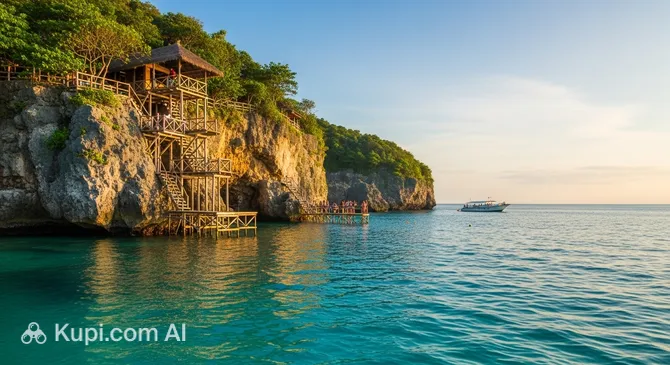
Instead of classic parks, Malay and its surroundings are famous for their natural areas. The main gem is undoubtedly the beaches of Boracay, such as the famous White Beach with its powdery sand and azure water, or the more secluded Diniwid Beach, ideal for a quiet getaway. For a unique experience, visit Crystal Cove Island Resort – a private island resort where you can explore two picturesque cove caves, snorkel, and enjoy the beauty of coral gardens. This place offers unforgettable experiences from communing with nature.

Crystal Cove Island Resort. Illustration.
Source: Kupi.com AI

Traveler photos:

Another interesting place to visit is Magic Island Boracay. This is a popular tourist attraction offering a variety of entertainment and photo opportunities, including optical illusions and themed areas. While not a natural park in the strict sense, it adds bright colors to the palette of impressions from a holiday in this region.

Magic Island Boracay. Illustration.
Source: Kupi.com AI

Traveler photos:

As for museums and galleries, there are few in Malay itself in the traditional sense. The cultural heritage of the region is best felt through immersion in local life: visit the markets in Malay, where you can see daily life, try local delicacies, and purchase handmade products. Some hotels and resorts on Boracay may also have small displays dedicated to local art or the island's history.

While Malay does not abound in ancient historical monuments, its charm lies in its natural beauty and living culture. Insider Tip: to get a deeper look at local life, step off the main tourist trails, visit small local eateries (carinderias), and chat with the friendly locals. This will allow you to get a more authentic experience of your trip to the Philippines.

Getting Around

Navigating Malay and its surroundings is quite simple thanks to the variety of available transport modes. Since the town is an important transit hub, especially for those heading to Boracay Island, the transport system here is well-developed to serve both local residents and numerous tourists.

The main form of transport for short trips around the town and between nearby areas is tricycles. These motor-rickshaws with a passenger sidecar can be found everywhere. A short trip by tricycle around the town can cost from 20 to 50 Philippine pesos (PHP), while a "special" (individual) trip for a longer distance will cost more, around 100-200 PHP or more, depending on the distance. Also, jeepneys (Filipino shared taxis) and multicabs (small vans) following specific routes are used in Malay and for communication with neighboring settlements. Their stops are often located near markets, main intersections, or in the Caticlan port area; official bus stop pavilions may not exist. The fare on them is usually 15-30 PHP. For longer trips, such as to Kalibo Airport or other cities in the province, buses and air-conditioned minivans (often called V-Hire) are convenient. Terminals or stands for such buses and minivans are usually located near the Caticlan port or along the main road leading out of town.

Since Malay includes the port of Caticlan, motorboats and ferries play a vital role, providing regular connections to Boracay Island. This is the main way to reach the famous beaches. The boat trip to Boracay usually takes about 15-20 minutes. The cost of the crossing, including various fees (port, environmental), can be approximately 250-400 PHP per person one way. Prices can change, so it is best to check current information directly at the port ticket offices before your trip.

The fare payment system in Malay is predominantly cash-based. Payment for travel in tricycles, jeepneys, and multicabs is usually made directly to the driver. As mentioned, a short tricycle ride within the city may cost about 20-50 PHP, and a "special" trip 100-200 PHP and above. Travel by jeepney or multicab will cost 15-30 PHP. For trips on buses and ferries (for example, to Boracay, where the total cost can reach 250-400 PHP including fees), tickets are purchased at ticket offices at the respective terminals or piers. Generally, there are no specialized transport cards or universal payment apps covering all types of transport.

Tourists are advised to always have small cash (Philippine pesos) with them for fare payment. Before taking a "special" trip on a tricycle (not on a fixed route), be sure to clarify the price with the driver in advance to avoid misunderstandings. Jeepney and multicab stops are usually in busy places like markets, main roads, or near the Caticlan port; drivers also often stop at the request of passengers. Public transport usually starts early in the morning (around 6:00-7:00 AM) and finishes by evening (6:00-8:00 PM), although tricycles may be available later, but at an increased rate. It is best to check bus and ferry schedules directly at the stations or piers, as they may not be fixed and depend on occupancy and weather conditions.

As an alternative to public transport in Malay, you can use private transfer services (cars or minivans) which can be booked in advance, especially for airport trips or for groups. In some areas, motorcycle rentals are possible, providing greater freedom of movement but requiring an international driver's license and driving experience.

Accommodation

In Malay, travelers will find a variety of accommodation options to suit different preferences and budgets. Choices range from budget-friendly guesthouses and hostels, ideal for backpackers, to comfortable mid-range hotels and luxury resort complexes. Apartment and villa rentals are also available, which can be a convenient option for families or groups of friends planning a longer stay.

When choosing a place to stay, many tourists prefer areas located in close proximity to the main beaches, popular attractions, and transport hubs. This ensures easy access to everything Malay has to offer. Some areas are known for their lively atmosphere and abundance of restaurants and shops, while others offer a more secluded and quiet setting.

Crystal Cove Island Resort. Illustration.
Source: Kupi.com AI

Traveler photos:

Among the notable accommodation options in Malay, for example, Crystal Cove Island Resort stands out, offering guests comfortable conditions. In general, it is recommended to book accommodation in advance, especially if your trip is planned for the peak tourist season. This will help not only to guarantee availability but also to get better price offers.

The price range for accommodation in Malay is quite wide: from budget options to luxury offers. You can book accommodation in various ways: through popular international online booking platforms, directly on official hotel websites, or by using the services of local travel agencies. Early booking often gives an advantage in selection and cost.

Nearby Cities

For those who want to explore the surroundings, Malay serves as an excellent starting point for day trips to several interesting nearby places:

Very close by, about 30 km from Malay, is Ibajay. This coastal town attracts with its authentic atmosphere, the opportunity to get acquainted with local culture, and enjoy a peaceful vacation. Here you can see traditional Filipino villages and perhaps catch local festivals that reflect the rich traditions of the Aklan region.

Kalibo, the capital of Aklan province, is located about 50 km away. The city is world-famous for the colorful Ati-Atihan festival, which takes place in January. But even at other times of the year, there is much to see: for example, Bakhawan Eco-Park — an impressive mangrove forest with bamboo walkways, or workshops where the famous pineapple fiber fabrics (piña) are woven.

For those ready for a short sea journey, Odiongan on Tablas Island (Romblon province) can be an interesting destination. Located about 56 km away (the distance may include a ferry crossing), Odiongan serves as a gateway to the natural beauties of Tablas, its secluded beaches, and diving opportunities. This is a chance to see another side of Philippine island life.

Here are some of the nearest cities and towns that may be interesting to visit:

CityPopulationDistance
Caticlan14 0002 km
Nabas40 6329 km
Buruanga19 35710 km
Libertad17 50713 km
Agcogon11 75918 km

These nearby destinations allow you to get an idea of the diverse culture and landscapes of the region.

Shopping & Souvenirs

Shopping in Malay offers tourists both essentials and interesting souvenirs reflecting the culture of the Philippines. Although the town is not a major shopping center, you can find everything needed for a comfortable holiday, especially if you plan to visit the famous Boracay Island, to which Malay serves as the nearest gateway. The main emphasis is on beach goods, light clothing, local delicacies, and handmade products.

In Malay, there are no dedicated fashionable shopping streets like in metropolises. Commercial life is mainly concentrated along the main road passing through the town, as well as in the Caticlan Jetty Port area, from where ferries depart for Boracay. Here you will find many small shops, souvenir stalls, pharmacies, and grocery stores. Outlets are also found near hotels and guesthouses.

There are no large multi-story shopping centers in the traditional sense in Malay. Shopping here is represented more by small shops and markets. If you are looking for a wider selection of branded stores and entertainment characteristic of large malls, the nearest options can be found on Boracay Island, for example, D'Mall Boracay (although it is not a classic mall, but rather an open-air shopping area).

Be sure to visit local markets in Malay, such as Caticlan Public Market. Here you can immerse yourself in an authentic atmosphere, buy fresh exotic fruits (mango, pineapple, papaya), vegetables, the freshest seafood, and also find inexpensive clothing and household items. Markets are a great place to get acquainted with local life and culture.

As souvenirs from Malay and its surroundings, tourists often choose shell products, pearls (be careful when buying), woven bags, hats, and baskets made from natural materials. Also popular are local Tanduay rum, "barako" coffee, dried mangoes, and other Filipino sweets. T-shirts, magnets, and other small items with Boracay and Philippines symbols are also widely available. Small souvenir shops can also be found near tourist sites such as Magic Island Boracay.

Most shops in Malay catering to tourists are usually open from 9:00-10:00 AM to 8:00-9:00 PM; some may work longer, especially during peak season. Local markets start early in the morning. The main currency is the Philippine peso (PHP). Cash is preferred in small shops and markets. Credit cards (Visa, Mastercard) are accepted in larger supermarkets, some restaurants, and hotels. It is recommended to always carry some cash.

In the Philippines, there is a VAT refund system for foreign tourists on certain goods purchased in accredited stores. However, in a small town like Malay, finding such stores and processing a refund can be difficult. Usually, this service is more accessible in major shopping centers in Manila or Cebu. If you make a large purchase, it is worth checking with the seller about the possibility of Tax Free, but for most everyday purchases and souvenirs, this option will likely be unavailable.
Reached the end of the page?

That means the route is fully explored