Support

Ormoc

Attractions

About

Ormoc is a dynamic and welcoming port city located in the province of Leyte. Often called the "City of Beautiful People," it serves as an important transport and trade hub connecting neighboring islands. Travelers are greeted here by an atmosphere of comfort, where the modern pace of life harmoniously intertwines with the natural beauty of the tropics.
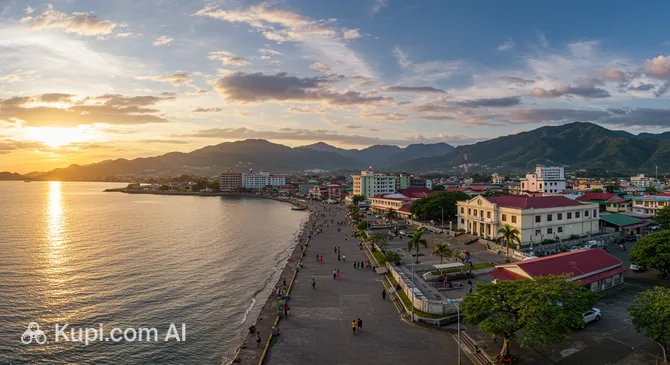
Ormoc. Illustration.
Source: Kupi.com AI

Geographically, the city is situated on the western coast of Leyte Island in the Philippines. Due to its location and a population of approximately 230,000, Ormoc is an independent component city and the economic center of the region. The climate here is tropical, making it an attractive destination year-round, although travelers should consider the seasonality of rainfall when planning a trip.

When getting to know the local culture, it is impossible not to be intrigued by the rich history of Ormoc. The city has undergone significant development, transforming from a small settlement into a center for geothermal energy and agriculture. Today, it is famous for its "Queen" pineapples, which are considered among the sweetest and tastiest in the country, serving as a true point of pride for the locals.

Among the main attractions, Lake Danao stands out—a picturesque violin-shaped body of water located in the mountains of a national park. It is an ideal spot for kayaking and peaceful picnics surrounded by cool mountain air. A stroll along the renovated baywalk is also a must to enjoy magnificent sunsets over the bay. Ormoc serves as an excellent starting point for those seeking a balance between comfortable city relaxation and outdoor adventure.

Weather Overview

Ormoc's climate is characterized by consistent warmth throughout the year, typical of the tropics. The average air temperature fluctuates in a comfortable range from 25.8°C in January and February to 27.8°C in May, which is considered the hottest month with daytime highs around 30°C. Even on the coolest nights, the temperature rarely drops below 23.5°C, creating pleasant conditions for evening walks.

Rain is a frequent occurrence here, so the current weather in Ormoc is always important when planning activities. The "driest" months are March and April, yet even then about 17 rainy days are recorded. With the arrival of June, rainfall increases, peaking in July and October, when it can rain up to 29 days a month, often in the form of short but heavy downpours.

Expect consistently warm weather year-round with high humidity and regular precipitation, the intensity of which increases significantly in the second half of the year.

Average monthly temperature

Average monthly precipitation

Interesting Facts

Beyond its main attractions, Ormoc holds many fascinating secrets that only the most curious travelers discover. Here are a few facts that will help you see this city from a new perspective:
  • The region's energy heart. Ormoc is often called the geothermal energy capital. It is home to the Tongonan Geothermal Power Plant—the largest in the Philippines and one of the most powerful in the world, using volcanic steam to generate electricity that powers not only Leyte but also neighboring islands.

  • A unique variety of pineapples. The city is famous for its "Queen" pineapples. Their main features are their miniature size and incredible sweetness, which surpasses ordinary varieties. Additionally, these pineapples have an edible and crunchy core, making them an exceptional treat.

  • A violin-shaped lake. Lake Danao, located in the mountains above the city, has a surprising natural feature. If you look at the lake from a bird's-eye view, its contours clearly resemble a guitar or a violin, adding romantic charm to the place.

  • An official title. Ormoc proudly bears the title "City of Beautiful People." This is not just hearsay, but an official slogan reflecting the exceptional hospitality, smiles, and charm of the locals, who are always happy to welcome guests.

How to Get There

When planning a trip to this picturesque corner of Leyte province, it's worth thinking about logistics in advance, as there may not be direct flights specifically to the city. You can find out more about how to get to Ormoc by exploring all available routes, including flights, ferry crossings, and land transport.

The most convenient option for domestic flights is Daniel Z. Romualdez Airport (IATA: TAC). It is important to note that it is located not in Ormoc itself, but in the neighboring city of Tacloban, which is approximately 49.3 km away. The journey from there to your destination by taxi or bus (minivan) usually takes about one and a half to two hours. This is one of the most popular and fastest routes to reach Leyte Island.

For international travelers, the main gateway is Mactan-Cebu International Airport (IATA: CEB). It is located in Cebu City on a neighboring island, at a distance of about 106.8 km in a straight line. Since the cities are separated by sea, the onward journey will require a transfer to a fast craft ferry, which will take you to the Port of Ormoc in about 2.5–3 hours. This is the region's largest transport hub with a huge passenger flow.

An alternative option could be flying into Bacolod-Silay International Airport (IATA: BCD). It is located in Bacolod City, at a distance of 177.3 km from Ormoc. Choosing this airport, remember that there is no direct road by land: the route passes through neighboring islands and straits. This will require complex logistics using ferry crossings and land transport, making this option more suitable for those planning an extensive trip across several islands of the Visayas archipelago.

For convenience, here is a summary of the main airports within accessible range:

AirportPassenger trafficDistance
D. Z. Romualdez Airport1.7 mln49 km
Mactan-Cebu International Airport11.3 mln107 km
Catarman National Airport50 000162 km
Surigao Airport37 583170 km
Bacolod-Silay International Airport1.9 mln177 km

As for rail connections, they are not developed in this region of the Philippines. There are no active railway stations in Ormoc City or its surroundings. The primary way to travel between cities on Leyte Island remains buses and passenger vans (jeepneys), while connections to neighboring islands (especially Cebu) are provided by regular fast craft ferries arriving directly at the city port, located in the heart of the city.

Main Attractions

Ormoc offers travelers a unique blend of natural wonders and historical landmarks. Although the city is often perceived as a transit point, there are places here worth staying for. From cool mountain lakes to sun-drenched plantations, everyone will find something to enjoy.

The undisputed symbol of the region is the Lake Danao Natural Park. Located about 650 meters above sea level, this volcanic lake is famous for its unique shape, resembling a violin. Tourists come here to enjoy the cool mountain air, which provides a pleasant contrast to the tropical heat of the coast. You can rent a floating cottage for a picnic right on the water, go kayaking, or walk along scenic trails while admiring the lush greenery and calm waters.

You cannot visit this region without seeing the famous pineapple plantations. The city is renowned for its exceptionally sweet "Queen" pineapples, and the fields where they grow are an impressive sight. Endless rows of plants against the backdrop of mountain ranges offer great opportunities for colorful photos. Agritourism is gaining momentum here: travelers can see the cultivation process and, of course, taste the freshest fruits, which are considered some of the best in the country.

History buffs will be interested in seeing the Puente de la Reina (Bridge of the Queen). This is the oldest bridge in the city, built during the Spanish colonial period in the 19th century. The preserved stone arch serves as a silent reminder of the city's past as an important trading post. Today, it is a popular historical landmark where you can take atmospheric photos and touch the architectural heritage of Leyte.

For those seeking active adventure and a challenge, Alto Peak—the highest point in the Eastern Visayas—is an enticing goal. The routes to the summit pass through dense tropical forests and past geothermal springs. The ascent requires preparation, but the reward is a breathtaking panorama of the island from a height of over 1,300 meters.

Local Cuisine

Ormoc's cuisine is a bright reflection of the culinary traditions of the Visayas islands, where an abundance of fresh seafood is harmoniously combined with a love for the sweet and spicy. The city's main gastronomic pride is undoubtedly the famous "Queen" pineapple. This fruit is used everywhere here: it is eaten fresh, added to savory meat stews for sweetness, used in marinades, and made into refreshing shakes. Local pineapples are so tender that the core can be eaten along with the rest of the fruit.

Hearty eaters should definitely try Humba. This is the region's signature dish—pork belly slow-cooked in soy sauce, vinegar, and brown sugar with the addition of fermented black beans and banana blossoms. Unlike classic adobo, humba has a sweeter, caramelized taste and a jelly-like fat texture. Since Ormoc is located by the sea, they also excellently prepare Kinilaw—the Filipino version of ceviche: pieces of the freshest raw fish "cooked" in vinegar with ginger, onions, chili peppers, and sometimes coconut milk.

For a sweet souvenir or dessert, tourists often choose Moron. This is a type of rice cake made from glutinous rice and coconut milk. The unique feature of moron is that it is two-toned: layers of regular rice dough are intertwined with layers flavored with cocoa or chocolate. The treat is wrapped in banana leaves and steamed, resulting in a soft, fragrant dessert that pairs perfectly with coffee.

As for drinks, fruit shakes are the most refreshing on a hot tropical day, especially those made from local mango or pineapple. Regarding alcohol, the traditional drink is Tuba—coconut wine. it is extracted from the sap of coconut palm inflorescences. Fresh tuba is sweet and light, but over time it ferments and becomes stronger and more tart. Sometimes mangrove bark is added to it, giving the drink a reddish tint and a specific astringent taste.

The city's gastronomic life flourishes not only in restaurants but also on the streets. In the evenings, locals and tourists flock to open-air barbecue areas known as "Ihaw-Ihaw." A casual atmosphere prevails here: you choose your own skewers of marinated chicken, pork, or fish, which are grilled over coals right in front of you. A dinner in such a place, often accompanied by a portion of "puso" (rice cooked in woven pouches), is the best way to immerse yourself in the authentic food culture of Ormoc.

Travel Tips

Preparing for a trip to Ormoc doesn't require complex effort, but knowing the local peculiarities will make your stay much more comfortable and pleasant. To help you enjoy the atmosphere of this hospitable city without unnecessary worries, we have gathered a list of relevant recommendations for tourists.

  1. Clothing and Essentials: Given the tropical climate, prioritize light clothing made from natural fabrics (cotton, linen). Since rain can start suddenly, be sure to bring a compact umbrella or a raincoat. If you plan a trip to Lake Danao or the mountains, take a light windbreaker—it can be cool there. For visiting temples, choose modest clothing that covers your shoulders and knees.

  2. Transport: The main way to get around the city is by tricycle (a motorcycle with a sidecar). It's cheap and colorful, but it's best to confirm the price with the driver before boarding. Taxi apps like Grab may not be available or have limited service, so rely on local transport. For trips to distant attractions, it's more convenient to rent a tricycle for several hours or arrange with a minivan ("multicab") driver.

  3. Finance: The official currency is the Philippine peso. Although malls and hotels accept cards, cash is needed in small shops, markets, and for transport. ATMs and currency exchanges are concentrated in the city center and near the port, so withdraw money before heading into nature. Carry small bills (20, 50, 100 pesos) for fares.

  4. Health and Safety: Ormoc is a calm and safe city, but standard precautions are still wise: keep an eye on your belongings in crowded places. Drink only bottled water, avoiding ice in street drinks. Be sure to use mosquito repellent, especially in the evening and when visiting parks. Pharmacies (such as Mercury Drug) are easy to find in the center, and many stay open until late evening.

  5. Communication: Locals speak English very well, so there should be no language barrier. The main local language is Cebuano (Bisaya). The phrase "Salamat" (Thank you) will bring a smile to any local's face. It's best to buy a SIM card from local operators (Globe or Smart) immediately upon arrival at the port or in shopping malls for access to maps and communication.

  6. Local Etiquette: The Philippines is famous for its friendliness, and Ormoc is no exception. It is customary to smile and be polite. The elderly are treated with great respect. Don't be surprised if locals are the first to greet you on the street or ask where you are from—this is a sign of genuine interest.

  7. What to Avoid: The main rule is never to raise your voice or show aggression publicly. In the local culture, this is considered "losing face" and is strongly discouraged. Any misunderstandings are best resolved with a smile and a calm tone. Also, avoid discussing sensitive political topics.

  8. Delicious Tip: When buying the famous "Queen" pineapples, don't go straight to the supermarket. The best prices and the freshest fruit can be found at stalls near the city public market or at temporary roadside points leading to the plantations. Local vendors can often peel and slice the pineapple for you right then and there.

Ormoc charms with its simplicity and warmth, and by following these simple tips, you will feel not just like a tourist, but like a welcomed guest. Enjoy the sweet fruit, beautiful sunsets, and interacting with some of the smiliest people in the world!

Entertainment & Nightlife

Nightlife in Ormoc is noticeably different from the noisy parties of major metropolises. You won't find massive nightclubs with lasers and world-famous DJs here. Instead, the city offers a relaxed, soulful atmosphere where evening leisure is built around delicious food, live acoustic music, and socializing. It is the perfect place to "slow down" after a busy day and immerse yourself in the authentic rhythm of provincial life.

The epicenter of evening activity is the city's waterfront area (Baywalk) and the Ormoc City Food Park. As the sun sets, this place comes alive: dozens of street food stalls open, and the air is filled with the aroma of barbecue. Locals and tourists gather here to enjoy the sea breeze and performances by local bands, who often play popular covers under the open sky. This is the most casual recreation area, where you can spend time having fun on a budget.

If you are looking for a more classic leisure format with drinks and comfort, local resto-bars are worth considering. One popular spot is Big Roy's Resto Bar, known for its hearty snacks, burgers, and a wide selection of cocktails. Another establishment worth mentioning is Jose's Grill, where groups often gather for dinner that transitions into evening hangouts with music. Singing enthusiasts should definitely visit one of the many KTV bars (karaoke)—this is an integral part of Filipino entertainment culture, and in Ormoc, it is pursued with particular passion.

The atmosphere in the city's establishments is very friendly and informal. There is practically no strict dress code anywhere: shorts, t-shirts, and sandals are perfectly appropriate even in hotel bars. Prices will pleasantly surprise you with their affordability compared to major resorts. Most establishments close around midnight or 1:00 AM, so it is better to start the evening early, around 7:00–8:00 PM.

In terms of safety, Ormoc is considered one of the calmest cities in the region. Walking through the center and along the baywalk in the evening is comfortable. To return to your hotel, it is best to use a tricycle; drivers wait near popular spots until the establishments close. If you are staying far from the center, it makes sense to arrange a pickup time with a driver in advance.

During the day, the city offers a quieter form of leisure. Travelers can visit Centennial Park for leisurely walks in the shade of trees or head to modern shopping centers like SM Center Ormoc, which feature cinemas and family entertainment zones. Although there are no large amusement parks here, the proximity to nature and cozy city parks provide excellent conditions for relaxation before evening falls.

Parks & Museums

Ormoc harmoniously combines the dynamics of a port city with the tranquility of green zones, offering tourists places for outdoor relaxation and immersion in its rich historical heritage. Memory of the past is carefully preserved here, with old buildings transformed into cultural centers and city baywalks into cozy spaces for walking.

Among the green zones, a special place is held by Veterans & Centennial Park. Located right by the baywalk, this park serves not only as a place for relaxed rest but also as an important memorial complex. Monuments in honor of Filipino soldiers who fought in World War II and a marker for the centennial of Philippine independence are installed here. It is an ideal location to enjoy the sea breeze, watch the harbor life, and catch one of Ormoc's famous sunsets, which paint the bay in golden tones.

For those seeking solitude and panoramic views, the Philippine-Japan Peace Memorial Park is worth a visit. It is located on Carlota Hills, which overlook the city. The central element is a monument symbolizing reconciliation and friendship between the nations after the war. Tourists climb up here not only for the history but also for the breathtaking view of the city and the shimmering surface of Ormoc Bay—an excellent spot for panoramic photography.

The city's main cultural treasure is the Ormoc City Museum, also known as the "People's Museum." It is housed in the Old City Hall building, constructed in 1947 in the Art Deco style. After a large-scale restoration, this historic building became home to several galleries. Here you can see collections of contemporary art, including works by national artists, as well as exhibitions dedicated to the history of World War II and the costumes of the colorful Piña Festival. A separate hall touchingly tells the story of the citizens' resilience during Typhoon Yolanda.

Architecture and history enthusiasts will be interested in seeing the Puente de la Reina (Bridge of the Queen). This is the city's oldest bridge, built during the Spanish era (around 1861). The preserved stonework and arched construction make it a living monument to the colonial past. The bridge is located very close to the museum, allowing you to conveniently combine visits to these two attractions in one walk.

Another important, though somber, historical site is the Flood Memorial. This monument, erected at the site of a mass grave, commemorates the tragic events of 1991. The sculptural composition symbolizes life ascending to the heavens and serves as a place for quiet mourning and reflection on the power of nature and the human spirit.

Insider Tip: Entry to the Ormoc City Museum is free, but a simple registration at the entrance is required. If you find yourself there in the evening, be sure to walk around the grounds: the building's facade is often beautifully lit, and nearby, in the Children's Park, there is a lively and joyful atmosphere where local families love to relax.

Getting Around

The public transport system in Ormoc is simple and authentic, typical for provincial cities in the region. You won't find a metro, trams, or large city buses here. The primary means of transportation providing mobility for locals and tourists are tricycles (motorcycles with covered sidecars) and multicabs (small passenger vans).

Tricycles are the "kings" of the city roads. In Ormoc, they are color-coded depending on the area or route they serve. This is the most convenient way to get from one point in the center to another. Tricycles operate on a shared basis: the driver picks up passengers along the way as long as there are seats. If you want to travel without other passengers and directly to your destination, you can negotiate a "special trip," paying the full rental cost of the vehicle.

For trips to remote areas of the city or neighboring villages, multicabs and classic jeepneys are used. They run on fixed routes that usually start and end at the city terminal or near the public market. This is a budget-friendly travel option that allows you to feel the local flavor, though be prepared for vehicles to be crowded during peak hours.

The payment system here is exclusively cash-based. No transport cards, contactless payments, or mobile apps work on public transport. Payment is handed to the driver personally or passed through other passengers. The fare is fixed for short distances and increases based on the length of the trip. It is crucial for tourists to always have small bills (20, 50, 100 pesos) and coins, as drivers often do not have change for large banknotes.

Useful tips for passengers:

  • To stop a tricycle or jeepney, simply wave your hand from the roadside.
  • To get off, say loudly "Lugar lang" or tap a coin against the metal railing—this is a universal signal to stop.
  • Public transport starts early in the morning, around 5:00–6:00 AM, and activity decreases after 8:00 PM. It can be difficult to find a ride at night.

Alternative ways to get around in Ormoc are limited. Familiar taxi services or car-sharing are practically non-existent. If you need freedom of movement, you can rent a scooter or arrange with a tricycle driver for a full-day rental to see the sights. The city center is compact enough that many interesting places, including the baywalk and park, are easy to explore on foot.

Accommodation

Where to stay:

The hospitality infrastructure in Ormoc is actively developing, offering travelers a decent choice of accommodation: from modern business hotels to cozy guest houses. Since the city is an important transit hub in the Philippines, most accommodation options are focused on functionality and a convenient location, but you can also find places for relaxed resort-style stays here.

For those who want to combine comfort with beautiful views, the best choice would be hotels on the shores of Ormoc Bay. Such complexes usually feature their own pools, spacious grounds, and restaurants overlooking the sea. This is an ideal way to enjoy the famous local sunsets without leaving the hotel. These hotels are often chosen by families and those who have come to the city for a few days of relaxation.

If your goal is easy logistics and proximity to transport, look for hotels in the city center, located within walking distance of the port and the bus terminal. This is a strategically sound choice for transit tourists planning an early ferry to Cebu or a trip to Tacloban. In the center, you will find reliable mid-range hotels offering clean rooms, air conditioning, and breakfast. Life here is bustling, and all necessary shops, banks, and cafes will be literally around the corner.

The budget segment is represented by numerous pension houses and inns. This is the most popular type of accommodation among backpackers and local travelers. Rooms here may be compact, but they are usually equipped with everything needed for an overnight stay: a bed, a fan or air conditioning, and a private bathroom. This is an excellent way to save money without sacrificing basic comfort and safety.

A few useful tips for booking:

  • Seasonality: During the Piña Festival (in June) and major city holidays, the demand for accommodation increases sharply. During these periods, it is better to book rooms 3–4 weeks before your trip.
  • Payment: Large hotels and resorts accept credit cards, but small pension houses and budget hotels often require cash payment. Sometimes a small deposit may be requested upon check-in.
  • Internet: Wi-Fi is available almost everywhere, but connection speeds can vary. If you need a stable internet connection for work, it is better to choose business-class hotels or have a local SIM card with a data allowance.

Nearby Cities

For those looking to explore the surrounding areas, Ormoc serves as an excellent starting point for day trips to several interesting nearby locations:

Of particular note is Palompon, located on the coast. This town is primarily known as the gateway to the famous Kalanggaman Island—one of the most picturesque sandbars in the Philippines. It is an ideal destination for fans of beach relaxation, snorkeling, and enjoying untouched nature.

History buffs should visit Palo. The town plays an important role in the country's history, as it is home to the General MacArthur Landing Memorial, marking the liberation of the islands. Additionally, the majestic Cathedral, which serves as the spiritual center of the province, is located here.

Also interesting is Carigara, famous for its gastronomic traditions. Tourists often stop here to try local "pastillas" sweets, made from carabao milk according to old recipes, and to view the preserved colonial architecture.

CityPopulationDistance
Merida31 57414 km
Matag-ob17 52218 km
Capoocan33 72121 km
Albuera47 15121 km
Isabel46 78123 km

These nearby destinations provide a glimpse into the diverse culture and landscapes of the region.

Shopping & Souvenirs

Shopping in Ormoc is a pleasant combination of provincial coziness and modern comfort. While the city doesn't claim to be a world fashion capital, it provides excellent conditions for buying everything you need: from brand-name clothing and electronics to unique local delicacies. The city's retail sector is actively developing, offering tourists both the air-conditioned halls of new malls and the colorful stalls of traditional markets.

The heart of the city's commercial life is Real Street and the surrounding blocks in the center. This busy artery pierces the city and is literally dotted with small shops, pharmacies, banks, and clothing stalls. A walk here allows you to feel the rhythm of the citizens' daily lives. Near the port, there are also many retail outlets catering to travelers waiting for a ferry, where you can quickly buy snacks or souvenirs for the journey.

Fans of comfortable shopping and familiar brands should head to SM Center Ormoc. This is the city's newest and largest shopping and entertainment complex, featuring international and Filipino brands of clothing, shoes, and cosmetics. It also houses a large supermarket, a cinema, and a food court. Another popular spot is Robinsons Place Ormoc—a reliable and time-tested shopping center where you can find quality home goods, groceries, and souvenirs at reasonable prices.

For those seeking authentic experiences and the freshest products, the Ormoc City Public Market is a must-visit. Located near the port, it is the center of gastronomic life. Here, stalls are overflowing with tropical fruits, vegetables, and freshly caught fish. It is the best place to haggle with local vendors and find the sweetest pineapples the region is famous for.

Speaking of souvenirs, travelers mostly bring back gastronomic gifts from Ormoc. The city's main brand is the "Queen" pineapple: small, crunchy, and incredibly sweet. If carrying fresh fruit is inconvenient, buy pineapple tarts or jams. Another essential item is moron, a soft rice dessert with chocolate and peanuts wrapped in banana leaves. Handcrafted abaca products and woven baskets are also popular.

Large shopping centers are usually open from 10:00 AM to 9:00 PM daily. Small private shops may close earlier, around 6:00–7:00 PM. In malls and supermarkets, bank cards (Visa, Mastercard) and mobile wallets (GCash) are widely accepted. However, at the public market, in souvenir stalls, and small shops, cash is king, so always have a supply of Philippine pesos, preferably in small denominations.

The Tax Free refund system in the Philippines for foreign tourists is in the implementation and development stage. In Ormoc, the possibility of arranging a VAT refund may be limited and available only in large chain stores inside malls for purchases over a certain amount (usually starting from 3,000 pesos). We recommend looking for special "Tax Free" stickers on storefronts or checking with staff before paying, but in most cases, you should not count on this option in the provinces for now.

Nearby cities

Reached the end of the page?

That means the route is fully explored