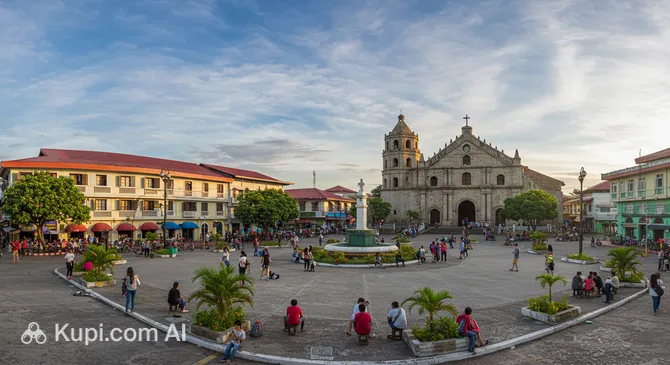
Located on the northeast coast of Negros Island, San Carlos City is a fascinating blend of coastal charm and a rapidly developing agro-industrial center. Situated in the province of Negros Occidental in the Philippines, the city serves as a vital transportation hub connecting the island with neighboring Cebu. With a population of over 205,000, San Carlos City maintains the atmosphere of a welcoming Filipino town where traditions are closely intertwined with the modern pace of life.
San Carlos City. Illustration.
Source: Kupi.com AI
The city is known for its commitment to ecological principles and sustainable development, making it one of the cleanest and "greenest" settlements in the region. The rich heritage of San Carlos is evident in its architecture and annual celebrations, the most famous of which is the "Pintaflores" festival. This vibrant event combines the art of body painting with floral motifs, attracting thousands of spectators with its energy and local color.
For travelers, San Carlos City serves as an ideal starting point for exploring the natural riches of Negros Island. Just a few minutes away by boat is the picturesque Sipaway Island with its white sandy beaches and coral reefs, while the majestic slopes of Kanlaon Volcano provide an impressive backdrop to the city's landscapes. A visit to this city is an opportunity to see the real Philippines, far from the overcrowded tourist routes.
Weather Overview
The climate in San Carlos City is classified as tropical monsoon, which means consistently high temperatures and pronounced seasonality of rainfall. Throughout the year, average temperatures range between 24–27°C, though during the day the air often warms up to 30°C and above. High humidity is a characteristic feature of the region, so travelers are advised to choose clothing made of light natural fabrics.
Two main seasons are distinguished throughout the year: dry (from December to May) and wet (from June to November). The highest amount of precipitation falls between July and October, when the region is influenced by monsoons and typhoons. Nevertheless, rains are often short-lived but intense downpours, after which sunny weather quickly returns. You can study the city's climate in more detail in the special section of our guide.
The most comfortable time for a visit is considered to be the period from January to April, when the amount of rain is minimal and the heat is not as exhausting. During this time, the sea remains calm, which is ideal for trips to Sipaway Island and water sports. However, when planning a trip at the end of the year, one should consider the possibility of typhoons, which may temporarily limit ferry service to Cebu.
Average monthly temperature
Average monthly precipitation
Interesting Facts
San Carlos City is officially recognized as one of the most environmentally friendly cities in the Philippines, repeatedly receiving awards for its waste management and greening programs.
The name of the famous "Pintaflores" festival comes from the fusion of two Spanish words: pintados (painted) and flores (flowers), which perfectly describes the festival's aesthetic.
The city is an important "gateway" between the islands of Negros and Cebu—the ferry crossing to Toledo City takes only about an hour, making San Carlos a key logistics point in the region.
Sipaway Island, which is administratively part of the city, has two main settlements (barangays) and is connected to the mainland by regular boat service operating from dawn to dusk.
The city actively develops renewable energy—it is home to one of the largest solar power plants in the region, emphasizing its status as an "eco-city."
How to Get There
San Carlos City is conveniently located at the intersection of key transport routes on Negros Island, making it accessible for tourists arriving from both the provincial capital and neighboring islands. While the city does not have its own airport, travelers can use the airports in Bacolod or Dumaguete, then transfer to intercity buses or rented cars. You can find out more about routes and transport schedules on specialized resources.
The journey from Bacolod to San Carlos by bus takes about 2–2.5 hours along the scenic mountain road (Don Salvador Benedicto), which is often called the "Switzerland of the Philippines" for its cool climate and beautiful views. There is also an alternative coastal route that takes a bit longer but passes through many colorful fishing villages.
Maritime transport is of particular importance to the city's transit system. The Port of San Carlos hosts regular ferries (RORO) and fast craft from Toledo City on Cebu Island. This is the fastest way to get to San Carlos City from Mactan-Cebu International Airport. Ferries run several times a day, providing a reliable link between the two major islands of the Philippine archipelago.
Station
Passenger traffic
Distance
Legazpi station
4
298 km
Main Attractions
The crown jewel of San Carlos City is Sipaway Island, located just a couple of kilometers off the coast. This spot attracts lovers of peaceful beach relaxation, snorkeling, and diving. White sand, crystal-clear water, and mangrove forests create an atmosphere of a secluded tropical paradise where you can spend the whole day enjoying the peace and nature.
In the heart of the city lies the San Carlos People's Park—a vast recreational area created on reclaimed land. This is a popular spot for family walks, morning jogs, and evening relaxation. The park features playgrounds, gazebos, and walking paths offering beautiful views of the Tañon Strait and the mountains of Cebu Island on the horizon.
History and architecture enthusiasts should visit the San Carlos Borromeo Cathedral. This majestic temple is the spiritual center of the city and an important architectural landmark. The cathedral building stands out with its simple yet imposing facade and beautiful interior, reflecting the deep Catholic traditions of the local population.
For those interested in culture, a must-do is learning about the history of the Pintaflores Festival. Although the festival itself takes place in November, many reminders of this unique event can be found throughout the city, where dancers with floral patterns painted on their bodies celebrate the life and prosperity of San Carlos. Also worth noting is the Quadricentennial Arch, symbolizing important milestones in the city's development.
Local Cuisine
The gastronomy of San Carlos City is a bright reflection of the culinary traditions of Negros Occidental, which is considered the "sugar capital" of the country. Be sure to try Chicken Inasal—the famous chicken marinated in a mixture of annatto, lime, garlic, and ginger, and then grilled over charcoal. In local eateries, this dish is served with fragrant rice and a special sauce, creating a unique flavor characteristic of this region.
Thanks to its coastal location, the city is famous for fresh seafood. At local markets and small restaurants near the port, you can always find crabs, shrimp, and grilled fish (sinugba). Another delicacy is Kansi—a hearty beef shank soup that is a cross between classic Bulalo and sour Sinigang, thanks to the use of batuan fruit as a souring agent.
For dessert, try Piaya—sweet flatbreads filled with muscovado (unrefined cane sugar), which are a signature treat of the island. Popular drinks include fresh tropical fruit juices and classic Philippine beer. Street food at San Carlos markets offers many snack options: from fried bananas to various rice cakes (kakanin), which locals often buy for breakfast.
Travel Tips
Planning a trip to San Carlos City will be easier if you use these practical tips to help you settle into this welcoming city quickly.
Clothing and Essentials: Choose light clothing made of natural fabrics, as the city has a humid tropical climate. Be sure to bring sunscreen and a hat. For visiting churches and official institutions, a modest dress code (shoulders and knees covered) is recommended.
Transport: The most convenient way to get around is by tricycle. Always confirm the fare in advance if you are traveling a long distance. For connections to other cities, use Ceres buses, which are considered the most reliable.
Finances: The main currency is the Philippine Peso (PHP). Large shopping centers accept cards, but you will definitely need cash to pay for tricycles, markets, and small cafes. ATMs are available in the center, but they can be hard to find in the outskirts.
Health and Safety: Drink only bottled water. The city is safe during the day, but when walking in the evening, stick to well-lit central streets. Use mosquito repellent, especially during the rainy season.
Communication: Locals speak Cebuano, but English is widely spoken and understood by most. Knowing basic phrases like "Salamat" (thank you) will bring a smile to the locals' faces.
Local Etiquette: Filipinos are very polite. Use polite addresses like "Sir" or "Ma'am." It is customary to remove your shoes when entering a private home.
What to Avoid: Do not criticize local customs or religion in public conversations. Avoid drinking tap water even for brushing your teeth if you have a sensitive stomach.
Pro Tip: If you plan a trip to Sipaway Island, try to return before sunset, as regular boat service becomes less frequent after dark.
By following these simple rules, you will be able to fully enjoy the beauty and hospitality of San Carlos City!
Entertainment & Nightlife
Entertainment in San Carlos City is primarily quiet and family-oriented, though the city comes alive after dusk around the shopping malls and the waterfront. The main spot for evening strolls remains the People's Park and the adjacent City Plaza, where street cafes operate and outdoor concerts are occasionally held. The atmosphere here is relaxed, with safety ensured by patrols and good lighting.
Nightlife is centered in local karaoke bars (KTV), which are an integral part of Filipino culture. Several mid-level establishments offer cozy rooms for groups and a wide selection of drinks. For more active nightlife, including modern clubs and large-scale entertainment complexes, locals and tourists often head to nearby Bacolod, which is about a two-hour drive away, or take the ferry to Cebu.
During the day, popular activities include boat tours to Sipaway Island or visiting the Gaisano Grand Mall complex, where you can not only go shopping but also visit the cinema or spend time in gaming zones. For nature lovers, hiking in the foothills of Kanlaon Volcano or visiting local eco-farms offering tours of the region's agricultural lands are available.
Parks & Museums
One of the most popular vacation spots for residents and visitors alike is the San Carlos People's Park. This coastal park is a true oasis of tranquility with manicured lawns, shaded alleys, and picnic areas. The park was created as a project to improve the land reclaimed from the sea, and today it symbolizes the modern development of San Carlos City. The park's promenade offers magnificent panoramas of the Tañon Strait, making it the best place to watch the sunsets.
In the very center of the city is the City Plaza—a traditional Filipino square around which administrative and cultural life is concentrated. Community events are often held here, and in the evening, the square becomes a meeting place for city residents. Nearby is the historical cathedral building, which itself serves as a kind of open-air museum reflecting the centuries-long influence of Spanish culture on the region's architecture and faith.
While there are no large state museums in San Carlos, local cultural centers and exhibition halls in schools and colleges play the role of history keepers. In the lead-up to the Pintaflores Festival, various city spaces open exhibitions dedicated to the festival's history and traditional crafts. For a deeper immersion into the history of Negros Island, tourists often visit the Mt. Kanlaon National Park, where the region's natural heritage is presented in all its pristine majesty.
Getting Around
The public transport system in San Carlos City is typical of medium-sized Philippine cities and is focused on accessibility and maneuverability. The main means of transportation around the city streets are tricycles—motorcycles with covered sidecars. They operate everywhere and can take you almost anywhere in the city for a fixed price, which is usually around 15–30 pesos per person within central districts. This is the fastest and most convenient way to move for short trips.
For travel between districts (barangays) and to suburban areas, jeepneys—colorful Filipino minibuses—are often used. They follow specific routes indicated on their sides. Payment is made in cash to the driver upon entry or exit. To connect with other cities in the province, such as Bacolod or Dumaguete, modern Ceres Liner buses serve the city, departing from the central city bus terminal.
Maritime transport is represented by ferries and banca boats. Regular boat service to Sipaway Island is provided from a dedicated pier; the trip takes no more than 10–15 minutes. Taxis and motorcycle rentals are also available in the city, which is convenient for those who want to independently explore the surroundings and the foothills of Kanlaon. Bicycles are becoming increasingly popular thanks to the city's ecological focus and the presence of relatively flat roads along the coast.
Accommodation
Accommodation in San Carlos City consists primarily of budget and mid-range options, which are ideal for transit travelers or those looking for an authentic Filipino experience. In the city center, you can find cozy guesthouses and small hotels located within walking distance of the port, markets, and main squares. The cost of living here is very affordable, typically ranging from 1,000 to 2,500 pesos per night.
For a more relaxed stay, tourists are recommended to look into guesthouses and eco-resorts located on Sipaway Island. Staying on the island allows you to enjoy the proximity to the sea and the silence, away from the city noise. Most of these properties offer basic amenities but compensate with stunning views of the strait and direct access to the beaches.
During peak seasons, especially during the Pintaflores Festival in November, demand for accommodation spikes, so it is worth booking rooms at least a few weeks before your trip. To find suitable options, it is best to use international booking systems or contact owners via social networks, which are extremely popular in the Philippines for running hotel businesses.
Nearby Cities
San Carlos City is an excellent starting point for exploring the northern and central parts of Negros Island, offering travelers access to a variety of natural and cultural attractions. The city's convenient coastal location and developed road network allow for exciting day trips to neighboring regions.
Just 24 kilometers away is the city of Canlaon, known for its proximity to the majestic Kanlaon Volcano—the highest point in the Visayas. This destination is ideal for trekking and mountaineering enthusiasts. Also nearby are the towns of Calatrava and Vallehermoso, offering a peaceful provincial atmosphere and scenic coastal landscapes. Traveling to them by bus or tricycle takes very little time.
For those who want a change of scenery and to see more urbanized areas, a trip to Toledo on Cebu Island is a great option, with regular ferries available. The surroundings of San Carlos are rich in hidden waterfalls, caves, and agricultural lands that are just beginning to open up to mass tourism, preserving their pristine beauty.
Shopping & Souvenirs
Shopping in San Carlos City is primarily an opportunity to purchase fresh produce and unique items from local artisans. The city's main shopping hub is the central public market, where you can find everything from exotic fruits and seafood to basic necessities. The market is especially lively in the early morning hours when fishermen bring in their fresh catch. It is the best place to feel the true rhythm of city life and buy farm delicacies at low prices.
For a more familiar modern shopping format, the Gaisano Grand Mall San Carlos is available. This shopping center houses a supermarket, clothing stores, pharmacies, and food courts. Here you can comfortably shop in air-conditioned premises, find international and local brand goods, and use ATMs. Stores in the mall usually operate from 9:00 AM to 8:00 PM, and card payments are accepted in most large departments.
As souvenirs from San Carlos, it is worth bringing back cane sugar products such as muscovado or piaya sweets. The city is also known for its woven goods and souvenirs with Pintaflores festival symbols. Handmade bamboo and coconut shell products are often found in local markets. Remember that polite bargaining is appropriate in the markets, while prices in the shopping malls are fixed.