Support

Angra do Heroismo

About

Angra do Heroísmo is a jewel of the Atlantic, renowned for its beautifully preserved Renaissance architecture and vibrant cultural life. As the oldest city in the Azores archipelago, it holds a special place in the heart of Portugal, offering visitors a unique blend of maritime heritage and natural splendor. The city's atmosphere is both distinguished and welcoming, reflecting its prestigious status as a UNESCO World Heritage site.

Located on the southern coast of Terceira Island, the city enjoys a mild maritime climate that makes it a pleasant destination year-round. With a population of approximately 35,000 residents, it serves as an important administrative and cultural hub while maintaining the charm of a close-knit island community. Its strategic geographical position once made it an essential port of call for ships sailing between continents, a role that deeply shaped the history of Angra do Heroísmo and its development over the centuries.
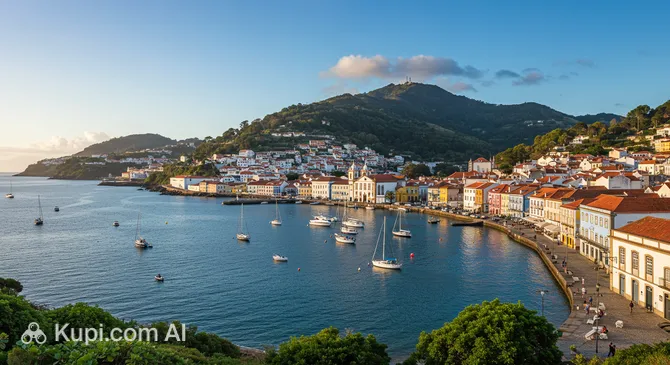
Angra do Heroismo. Source: Kupi.Binoculars

The city is famous for its stunning urban layout, characterized by straight streets and majestic buildings such as the Sé Cathedral (Cathedral of the Holy Saviour). Visitors are also drawn to the imposing Monte Brasil, an extinct volcanic cone that shelters the bay. This natural reserve offers hiking trails and breathtaking panoramic views over the city and the vast ocean, providing a perfect escape into nature just steps from the historic center.

Whether you are exploring its colorful "Impérios" shrines or enjoying fresh seafood by the marina, Angra do Heroísmo invites you to step back in time while enjoying modern comforts. It is a destination that promises to captivate your imagination and offers a truly authentic Azorean experience.
Weather Overview

Angra do Heroismo enjoys a temperate maritime climate, characterized by moderate temperatures throughout the year. The city rarely experiences extreme heat or freezing cold, making it a comfortable destination for visitors in any season. The oceanic influence keeps the air fresh and relatively consistent, although the weather can be changeable.

Summer is generally the warmest and driest period. August is typically the hottest month, with average temperatures reaching around 22.2°C and highs up to 23.1°C. July stands out as the driest month, seeing only about 4 wet days on average. In contrast, the cooler months like January and February maintain a mild average of around 14.5°C to 15.2°C, though travelers should be prepared for more frequent rainfall during this time, with up to 14 wet days in late autumn and early winter.

To help you pack the right gear for your trip, it is helpful to review the current weather in Angra do Heroismo before departure. Overall, you can expect pleasant, warm summers with minimal rainfall and mild, wetter winters.

Interesting Facts

Beyond its well-known UNESCO status, Angra do Heroísmo holds many fascinating stories that reveal its pivotal role in global history. This Atlantic hub is not just a beautiful facade; it conceals unique historical footnotes and maritime secrets waiting to be uncovered.
  • A Capital City Twice: Surprisingly, this island city served as the capital of Portugal on two separate occasions. It became the seat of government during the succession crisis in 1580 and later served as the liberal capital in the 19th century, a loyalty that earned it the title "do Heroísmo" (of Heroism) from Queen Maria II.

  • Vasco da Gama’s Sorrow: The famous explorer Vasco da Gama made a poignant stop here during his return voyage from India. He came to bury his brother, Paulo da Gama, who had fallen ill; his tomb is located within the historic complex that now houses the Museum of Angra do Heroísmo.

  • A Living Botanical Archive: The Duke of Terceira Garden is more than just a scenic park; it acts as a botanical museum featuring exotic flora from the Americas, Africa, and Australia, reflecting the city's legacy as a crossroad for ships returning from the New World and the Orient.

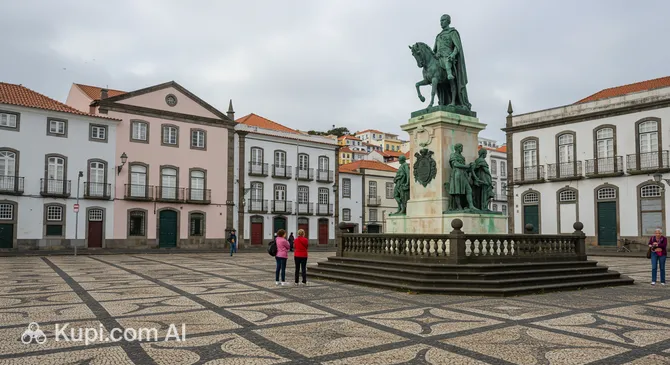
  • Symbol of Liberty: The imposing obelisk known as the Memorial to King Pedro IV stands as a testament to the city's political history. It was built to honor the monarch who visited the island, marking the spot where he reportedly threw the first stone for its construction.

  • Shipwreck Graveyard: The calm waters of the bay hide a dramatic past, serving as an underwater archaeological park. It contains the remains of numerous historical vessels, such as the 19th-century steamer Lidador, which sank during a storm and is now a popular site for divers.

Memorial to King Pedro IV. Source: Kupi.Binoculars

How to Get There

Reaching Angra do Heroísmo is an adventure that begins with a journey across the Atlantic, as the city is located on Terceira Island in the Azores archipelago. Since there are no bridges or tunnels connecting the islands to the mainland or each other, air travel is the primary method of arrival. For a comprehensive guide on all available transport options, including ferries and local transit, you can read more about how to get to Angra do Heroismo.

The most direct way to reach the city is by flying into Lajes Field (IATA: TER). This international airport serves as the main gateway to Terceira Island and is located approximately 16.3 km from the center of Angra do Heroísmo. It handles a significant volume of traffic, welcoming around 1 million passengers annually, which includes direct flights from mainland Portugal and several international destinations. Once you land, the trip to the city center typically takes about 45 minutes by taxi or bus.

Travelers may also connect through João Paulo II Airport (IATA: PDL), which is the largest airport in the Azores. Located in the city of Ponta Delgada on São Miguel Island, roughly 168 km away from Angra do Heroísmo, it serves over 2.7 million passengers per year. While you cannot drive directly from Ponta Delgada to Angra do Heroísmo due to the ocean separation, this airport is a crucial hub for catching connecting inter-island flights to Lajes Field.

For clarity, here is a summary of the main airports in the vicinity:

Airport Name City Passenger Traffic Km from City
João Paulo II AirportPonta DelgadaLarge168.7
Lajes FieldAngra do HeroismoMedium16.3
Horta AirportHortaMedium130.5
Pico Island AirportMadalenaMedium106.2
Sao Jorge Island AirportSão JorgeSmall82.4

It is important to note that there are no railway services on Terceira Island or in the city of Angra do Heroísmo. The rugged volcanic terrain and the island's size make train travel impractical. Instead, visitors rely on a well-maintained network of roads. Public buses, taxis, and rental cars are the standard means of transportation for getting around the island and traveling between the airport and the city.

Main Attractions

Angra do Heroísmo is a treasure trove of history and culture, offering visitors a chance to explore its UNESCO-listed center and stunning natural surroundings. The city's attractions range from lush gardens and panoramic viewpoints to museums that chronicle its maritime legacy. Here are some of the must-visit sites that define the character of this Azorean capital.

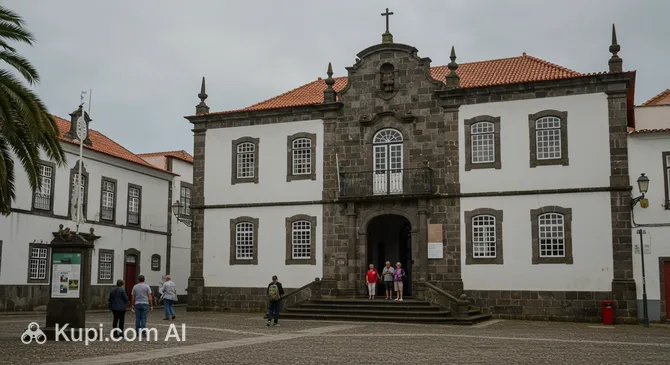
One of the most significant cultural institutions is the Museum of Angra do Heroísmo. Housed in the former Convent of São Francisco, this museum offers a deep dive into the island's history. Visitors are captivated by its diverse collections, which include naval history exhibits, ceramics, religious art, and ethnography. It is an essential stop for understanding the strategic importance of Terceira Island in the Atlantic trade routes and provides a fascinating look at local traditions.

Museum of Angra do Heroísmo. Source: Kupi.Binoculars

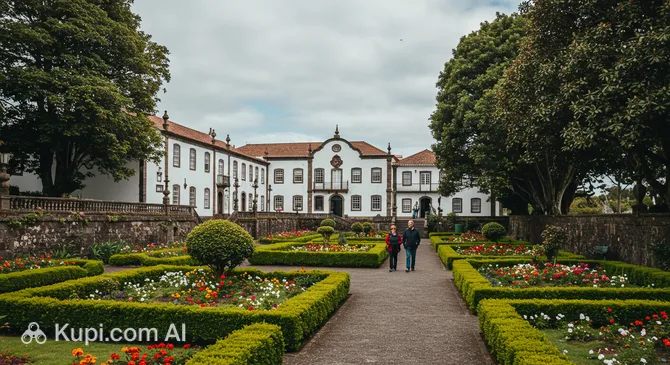
For a peaceful escape within the city, the Duke of Terceira Garden is a perfect choice. This beautifully landscaped public park is a classic example of a romantic garden, featuring a rich variety of exotic plants and trees from around the world. Tourists enjoy strolling through its manicured paths, admiring the fountains and tile work. The garden gently slopes upward, leading visitors toward one of the city's best viewpoints, bridging the urban center with the heights above.

Duke of Terceira Garden. Source: Kupi.Binoculars

At the top of the hill, accessible from the gardens, stands the Memorial to King Pedro IV. This imposing obelisk, built in the 19th century, dominates the skyline from the Alto da Memória. It is interesting not only for its historical significance as a symbol of liberalism but also for the breathtaking panoramic views it offers. From here, you can gaze out over the terracotta rooftops of Angra, the bay, and the majestic Monte Brasil, making it a prime spot for photography.

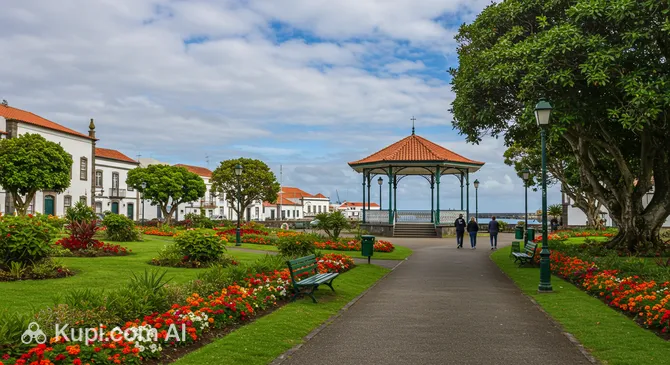
Another wonderful outdoor space is the Relvão Municipal Park. Located near the fortress walls and the sea, this expansive green area is ideal for leisure and relaxation. It is a popular spot for locals to jog, walk, or simply sit and watch the ocean. The park's open design and proximity to the historic fortifications provide a unique blend of nature and heritage, allowing visitors to appreciate the city's defensive architecture in a relaxed setting.

Relvão Municipal Park. Source: Kupi.Binoculars

Local Cuisine

The culinary scene in Angra do Heroísmo is a delightful reflection of Terceira Island's rich resources, blending fresh Atlantic seafood with hearty, rustic meat dishes. The undisputed star of the local table is Alcatra, a pot roast that is unique to this island. Traditionally slow-cooked in a large unglazed clay pot, the beef is marinated in red wine, garlic, and spices until it becomes incredibly tender and flavorful. It is almost always served with sweet bread (massa sovada) to soak up the savory sauce, offering a comforting taste of Azorean heritage.

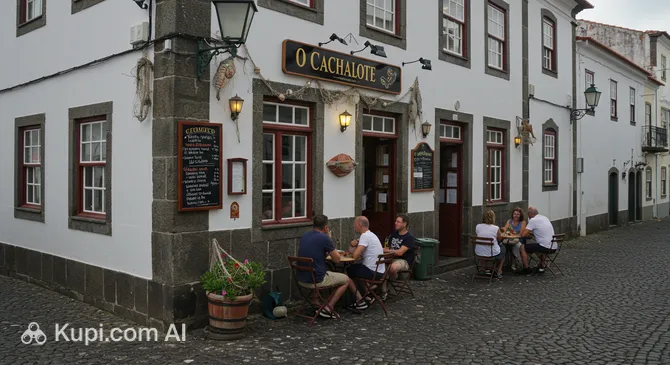
Given its location in the middle of the ocean, the city naturally excels in seafood. Visitors should not miss the opportunity to try Lapas (limpets), which are typically grilled with butter, garlic, and a splash of lemon, or eaten raw like oysters. Another local curiosity is Cracas (barnacles), a delicacy that tastes like the pure essence of the sea. For a meal that highlights these fresh ingredients, you might visit O Cachalote, a well-known spot located right by the marina, where diners can enjoy their food while overlooking the bay.

O Cachalote. Source: Kupi.Binoculars

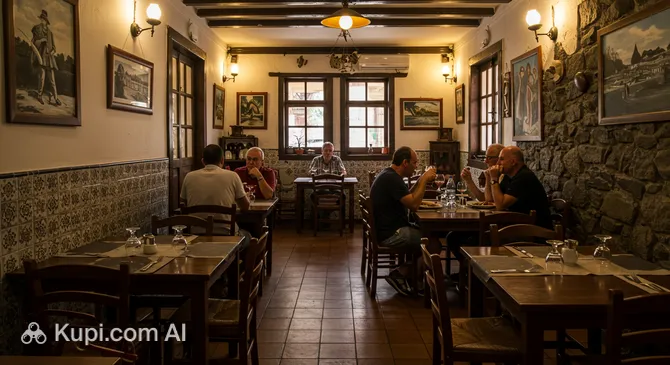
The dining culture in Angra is relaxed and welcoming, ranging from upscale establishments to cozy, family-run taverns known as tascas. These smaller spots often serve the most authentic regional recipes in a warm atmosphere. A great example of this traditional charm can be found at Taberna Roberto Restaurant, where the menu frequently features local favorites prepared with care and respect for tradition.

Taberna Roberto Restaurant. Source: Kupi.Binoculars

For those with a sweet tooth, the city offers the famous Queijadas da Dona Amélia. These small, cup-shaped cakes are made with honey, cinnamon, raisins, and corn flour. They were named after Queen Amélia following her visit to the island in 1901 and remain a beloved teatime treat. To wash it all down, locals often choose wines produced in the nearby Biscoitos region, famous for its Verdelho grapes grown in volcanic soil. For a non-alcoholic option, try Kima, a sparkling passion fruit soda that is iconic across the Azores.

After a satisfying dinner, the evening often continues in a laid-back fashion. You can find locals and tourists alike enjoying a nightcap at places like O Pirata, a bar that offers a friendly environment to sample local liqueurs or simply relax after a day of exploring the city's historic streets.

Travel Tips

Visiting Angra do Heroísmo is a delightful experience, but a little preparation goes a long way in making your trip smooth and enjoyable. To help you navigate this UNESCO World Heritage city and the surrounding island of Terceira like a pro, here are some practical travel tips.

  1. Clothing and Gear: The weather in the Azores is famous for being unpredictable, often described as having "four seasons in one day." It is essential to bring a waterproof and windproof jacket, even in summer. Dress in layers so you can adapt to changing conditions. Since Angra is known for its beautiful but uneven calçada portuguesa (cobblestone pavements), leave the high heels at home and pack comfortable, sturdy walking shoes with good grip.
  2. Transportation: The historic center of Angra is best explored on foot, as many streets are narrow and parking can be scarce. However, to explore the rest of Terceira Island, renting a car is highly recommended. While there is a public bus system (EVT), schedules can be infrequent for reaching remote viewpoints or hiking trails. Taxis are reliable and relatively affordable for shorter trips within the city.
  3. Finances: The currency is the Euro (€). ATMs, known locally as Multibanco, are widely available throughout the city. Most restaurants and shops accept international credit and debit cards, but it is wise to carry some cash for small purchases at local cafés (tascas) or souvenir shops. Tipping is not mandatory but is appreciated; rounding up the bill or leaving 5-10% for good service is standard.
  4. Health and Safety: Angra do Heroísmo is a very safe city for tourists with low crime rates. For minor health issues, look for a pharmacy (marked with a green cross); they are well-stocked and usually have English-speaking staff. In case of emergencies, the main hospital, Hospital de Santo Espírito, is located on the outskirts of the city. As always, stick to marked trails when hiking to avoid falls on slippery volcanic terrain.
  5. Communication: The official language is Portuguese. However, English is widely spoken, especially in the tourism sector and by younger generations. Locals appreciate it if you try a few basic phrases, such as Bom dia (Good morning) or Obrigado/a (Thank you). Wi-Fi is available in most hotels, cafés, and public squares, and buying a local SIM card is easy at the airport or city center shops.
  6. Local Etiquette: Azoreans are known for their hospitality and polite nature. A handshake is a standard greeting. When visiting the city's many churches and the cathedral, ensure you dress modestly and speak softly. It is also customary to greet shopkeepers when entering or leaving a store.
  7. What to Avoid: Do not underestimate the power of the ocean. Even if the weather looks calm, waves can be unpredictable, so always check the flag color at bathing areas before swimming. Additionally, avoid making negative comments about local traditions, particularly the Tourada à Corda (bullfighting with rope), which is a deeply rooted cultural event on the island.
  8. Additional Tip: Be aware of the "island time" regarding shop hours. Many traditional shops and smaller businesses close for a lunch break, typically between 1:00 PM and 3:00 PM. Plan your shopping or banking errands for the morning or late afternoon to avoid finding closed doors.

By keeping these tips in mind, you will be well-equipped to embrace the relaxed pace and unique charm of Angra do Heroísmo. Enjoy your adventure in this Atlantic haven, where history and nature meet in perfect harmony!

Entertainment & Nightlife

Nightlife in Angra do Heroísmo is defined by a relaxed and convivial atmosphere rather than high-energy clubbing. The city’s evening scene reflects the warm hospitality of the Azores, where the focus is on socializing, enjoying good music, and savoring local drinks. The vibe is generally laid-back and safe, making it welcoming for travelers of all ages who want to unwind after a day of exploration.

The heart of the action is found in the historic center, particularly around the bustling Marina and the streets radiating from Rua da Sé. Here, you will find a variety of bars and pubs where locals and tourists mingle freely. During the warmer months, the entertainment often spills out onto the cobblestone streets, creating a festive open-air environment. The dress code is almost exclusively casual, and venues typically start to fill up after 10:00 PM, continuing until the early hours of the morning.

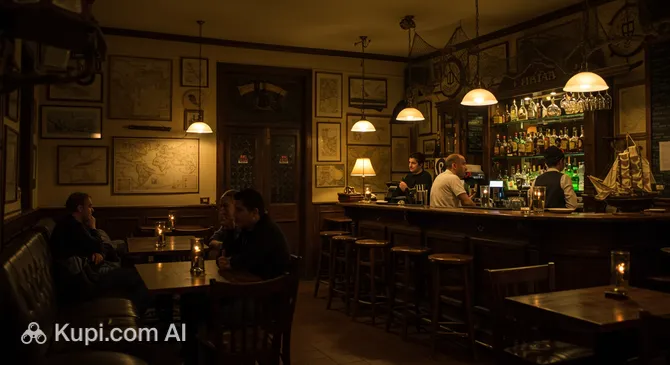
For a taste of the local bar scene, O Pirata is a popular choice among residents and visitors alike. Known for its friendly service and lively spirit, it is a great place to grab a beer or a cocktail and strike up a conversation. It captures the essence of a traditional island pub, offering a genuine slice of Angra's social life.

O Pirata. Source: Kupi.Binoculars

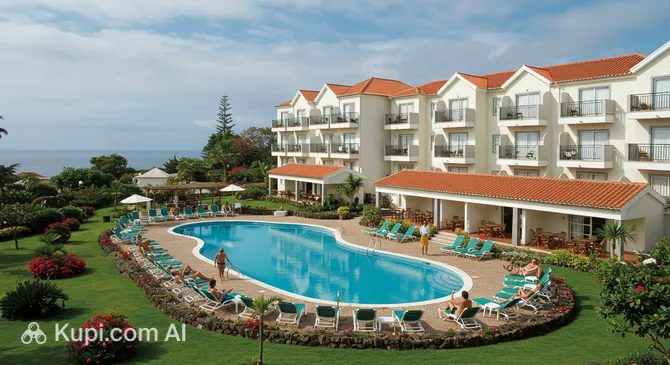
If you are looking for a more refined evening experience, the Terceira Mar Hotel offers a sophisticated setting. Its bar and lounge area provide a quieter ambiance, perfect for enjoying a glass of Azorean wine while gazing out over the ocean. It is an ideal spot for a sunset drink or a relaxing nightcap in comfortable surroundings.

Terceira Mar Hotel. Source: Kupi.Binoculars

Safety is rarely a concern in Angra do Heroísmo, and walking between venues in the city center is considered very safe at night. Taxis are readily available at designated ranks or can be called by your accommodation if you are staying further out. Prices are reasonable, and drivers are generally helpful.

While the nights are for relaxing, the city offers plenty of cultural entertainment during the day. Before the sun sets, visitors can explore the rich history at the Museum of Angra do Heroísmo or enjoy a peaceful walk through the lush Duke of Terceira Garden. These daytime attractions provide a perfect cultural balance to the city's charming evening offerings.

Parks & Museums

Angra do Heroísmo is a city where history breathes not only through its stone walls but also through its lush green spaces and curated collections. The city seamlessly integrates its UNESCO-listed architecture with vibrant gardens and cultural institutions, offering visitors a holistic experience of Azorean heritage and nature.

One of the most celebrated green spaces is the Duke of Terceira Garden. Located in the heart of the historic center, this botanical haven climbs the hillside and serves as a living collection of global flora, featuring impressive dragon trees, araucarias, and palms. It is a perfect spot for a leisurely walk, leading visitors up to the Alto da Memória viewpoint. For a more open and breezy atmosphere, the Relvão Municipal Park offers a vast lawn situated at the foot of the fortress walls near the bay. It is a favorite local area for jogging, picnics, and enjoying unobstructed views of the ocean.

Nature lovers should also explore the Monte Brasil Recreational Forest Reserve. While technically a natural park on an extinct volcanic peninsula, it functions as the city's green lung. It offers marked hiking trails that wind through dense vegetation and lead to summits with commanding views over the city and the southern coast of Terceira Island.

When it comes to understanding the city's rich past, the Museum of Angra do Heroísmo is the primary cultural reference. Housed in the majestic 17th-century Convent of São Francisco, its exhibitions are vast and varied, covering everything from naval history and ceramics to religious art. The museum effectively narrates the story of Angra as a pivotal port of call in the Atlantic, showcasing artifacts that highlight the cross-cultural exchanges of the Age of Discovery.

Another significant cultural venue is the Palácio dos Capitães-Generais (Palace of the Captains-General). Although it serves as an official building, it operates as a museum where visitors can take guided tours through its opulent halls. The palace displays a remarkable collection of period furniture, paintings, and decorative arts that reflect the era when Angra was the headquarters of the Captaincy-General of the Azores.

For a truly unique "museum" experience, consider the underwater archaeological park in the Bay of Angra. Due to the numerous historical shipwrecks scattered on the ocean floor, the bay itself is considered an underwater museum, accessible to divers who wish to explore the maritime history that lies beneath the waves.

Getting Around

Navigating Angra do Heroísmo is relatively straightforward, as the city does not rely on complex heavy transit systems like metros, trams, or trains. The historic center is compact and best explored on foot, allowing visitors to appreciate the narrow cobblestone streets and architecture at their own pace. However, for reaching the outskirts or exploring the rest of the island, the public transport system consists primarily of a bus network and a reliable fleet of taxis.

The main public transportation provider is EVT (Empresa de Viação Terceirense), which operates buses connecting the city center with surrounding parishes and other towns on the island. While there are no trolleybuses or underground lines, these buses are the lifeline for local commuters. For tourists, they offer an authentic and affordable way to travel, though the frequency of service can vary significantly depending on the route and the time of day.

Regarding payment, the system is quite traditional. There are no complicated zone maps or digital turnstiles to navigate. Tickets are typically purchased directly from the driver upon boarding. It is highly recommended to carry cash, specifically coins and small bills (5 or 10 euros), as credit cards and mobile apps are generally not accepted for onboard fare purchases. The cost of a single trip is quite low, usually ranging between a few euros depending on the distance traveled.

For those who prefer more flexibility, taxis are a popular alternative. You can easily find taxi ranks in central locations, such as near the Praça Velha or the marina. Taxis are generally beige or cream-colored, often with a roof light indicating their availability. They are metered for short trips within the city, but for longer excursions or airport transfers, drivers often have fixed rates. Ride-sharing apps are not as prevalent or reliable here as in major European capitals, so relying on traditional taxis or arranging transfers through your hotel is advisable.

Car rental is arguably the most common choice for visitors who want to explore beyond the city limits, as it offers the freedom to reach remote viewpoints and coastal areas not served by regular bus routes. While not public transport, renting a car is often considered an essential part of the travel logistics here. Alternatively, for short distances within the bay area, bike rentals are becoming increasingly available, offering a scenic way to move along the waterfront.

A few practical tips will ensure a smooth experience: bus schedules (horários) are often reduced on weekends and public holidays, so it is wise to check the timetables posted at bus stops or the main terminal in advance. Unlike in busy metropolises, buses here may not run late into the night, so plan your evening return accordingly. Finally, when waiting at a stop, it is customary to signal the driver with a wave of your hand to ensure the bus stops for you.

Accommodation

Accommodation in Angra do Heroísmo caters to a wide variety of preferences, blending the city's rich historical atmosphere with modern comforts. Visitors can choose from a diverse range of options, including charming guesthouses often located in restored manor homes, boutique hotels, and budget-friendly hostels. For those seeking a more independent stay, there is also a growing selection of vacation rentals and apartments, which are perfect for families or longer visits.

The most popular area for tourists to stay is undoubtedly the historic center. Lodging within the UNESCO World Heritage zone places you within easy walking distance of the main architectural landmarks, the cathedral, and a vibrant array of restaurants and cafes. Alternatively, the areas surrounding the bay and the western coast of the city offer excellent options for travelers who prioritize sea views and resort-style amenities while remaining close to the urban core.

For those looking for a full-service experience near the water, the Terceira Mar Hotel is a notable choice. This resort hotel is well-regarded for its stunning location overlooking the ocean and the Monte Brasil peninsula, providing guests with a relaxing environment that features salt-water pools and lush gardens just a short distance from the city's hustle and bustle.

Regarding prices and booking, costs can vary significantly based on the season. While affordable options are available year-round, rates for hotels and rentals tend to peak during the summer months and local festivals. It is highly recommended to book your accommodation well in advance, particularly for travel between June and September. Most properties can be easily reserved through major online booking platforms, though contacting smaller local establishments directly can sometimes secure a more personalized experience.

Nearby Cities

For those looking to explore the surroundings, Angra do Heroismo serves as an excellent base for day trips to several interesting nearby locations: One of the most popular destinations on Terceira Island is **Praia da Vitória**, located just 20 kilometers northeast of Angra. Unlike the rocky shores typical of the Azores, this city boasts a magnificent sandy beach and a sweeping bay, making it a favorite spot for sunbathing and swimming. The city center is charming, with colorful architecture and a pedestrian-friendly promenade, while the nearby Serra do Cume viewpoint offers spectacular vistas over the "patchwork" fields of the island's interior. On the northern coast, the town of **Biscoitos** offers a unique volcanic landscape and a taste of local tradition. It is famous for its natural swimming pools, where visitors can bathe in crystal-clear waters surrounded by jagged black lava formations. Biscoitos is also the heart of the island's wine region; the vineyards here grow in small volcanic rock enclosures called *curraletas*, and a visit to the local wine museum provides fascinating insight into this centuries-old practice.
City Population Distance (km)
Funchal1118921147
Ponta Delgada68809171
Santa Cruz430051153
Camara de Lobos356661141
Ribeira Grande32112176
These nearby destinations offer a glimpse into the diverse culture and landscapes of the region.

Shopping & Souvenirs

Shopping:

Shopping in Angra do Heroísmo offers a refreshing change of pace from the bustling malls of large European capitals. Instead of international chain stores, the city’s historic center is filled with independent boutiques, family-run shops, and traditional craft centers. Walking down the main commercial artery, Rua da Sé, visitors can browse through shop windows framed by centuries-old architecture, finding everything from clothing and books to unique local handicrafts.

For those looking to take a piece of the Azores home, traditional handicrafts are the best buy. The island of Terceira is famous for its intricate embroidery (bordados), typically featuring white thread on white linen, which makes for beautiful tablecloths and garments. Another popular souvenir is the colorful local pottery and ceramics, often hand-painted with floral motifs or scenes depicting island life. Wickerwork is also a staple of Azorean craftsmanship, with baskets and decorative items widely available in souvenir shops throughout the city.

Edible souvenirs are equally popular and make for excellent gifts. No trip to Angra is complete without buying a box of Queijadas da Dona Amélia. These spice-rich cakes, made with honey, cinnamon, and raisins, are a sweet symbol of the city. Visitors should also look for locally produced cheeses, particularly the spicy and tangy Queijo da Ilha, as well as jars of artisanal honey and jam. Wine enthusiasts will appreciate a bottle of Verdelho, a white wine produced in the volcanic vineyards of the nearby Biscoitos region.

To experience the local daily life, a visit to the Mercado Duque de Bragança is highly recommended. This municipal market is the place to find the freshest produce, including exotic fruits like pineapples and passion fruit grown on the islands. While it is primarily a food market, the vibrant atmosphere and the display of local ingredients provide a feast for the senses and a great opportunity to interact with local vendors.

Most shops in Angra do Heroísmo operate on a traditional schedule, opening around 9:00 AM or 10:00 AM and closing for a lunch break between 1:00 PM and 3:00 PM, before reopening until the evening. On Saturdays, many businesses close in the afternoon, and Sundays are generally quiet. This relaxed rhythm allows visitors to combine their shopping with a leisurely lunch or a coffee break at a sidewalk café, perfectly matching the easygoing lifestyle of the Azores.

Reached the end of the page?

That means the route is fully explored